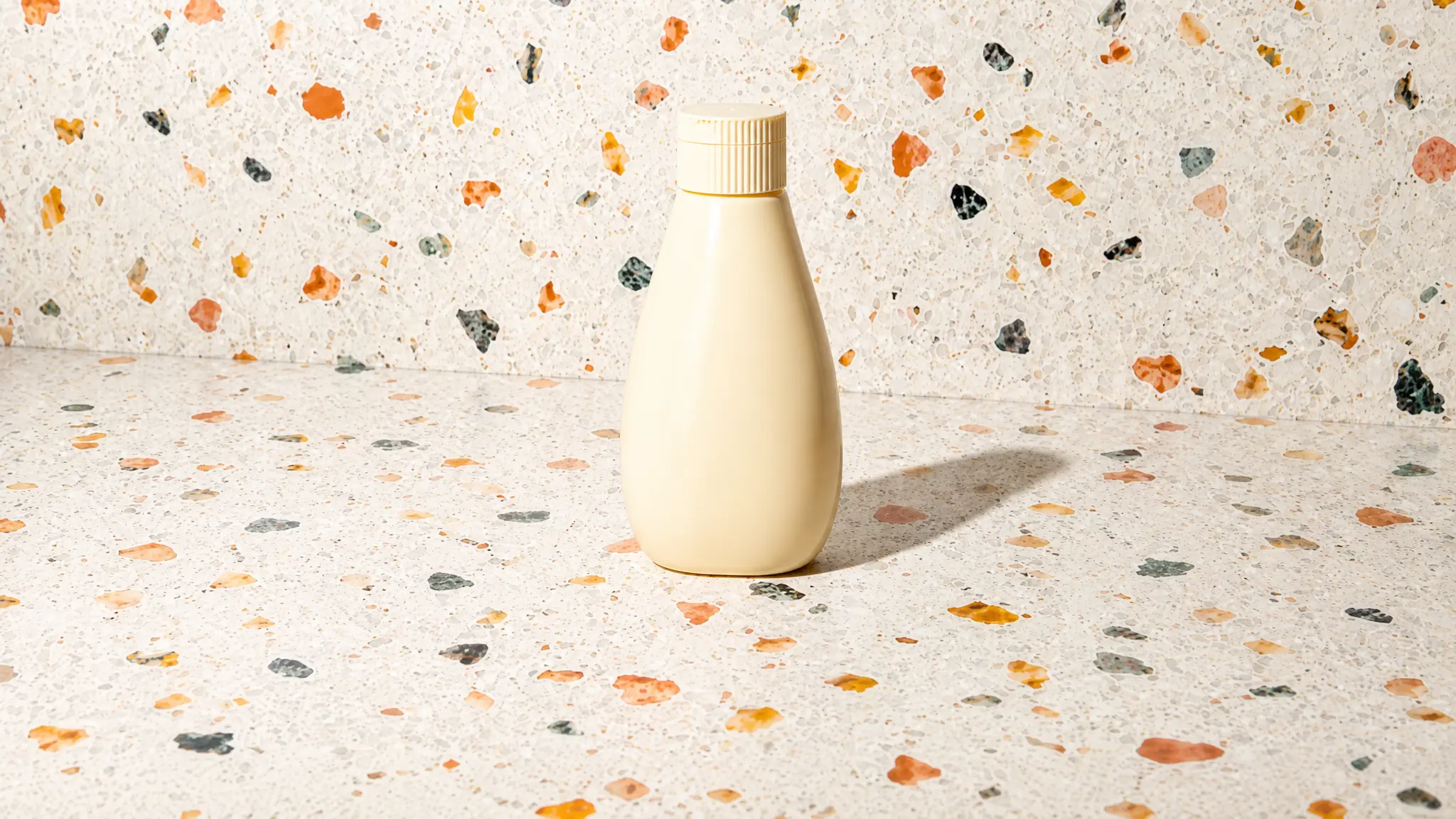
Mayonnaise
Condiment
Last updated July 5, 2026. The Tummi Food Team maintains this Can I Feed This safety guide guide. Supporting links appear in Sources when available.



Clinically reviewed by Andria Procopio and Arefa Mohamed
Direct answer
Can babies eat Mayonnaise?
Yes, babies can eat mayonnaise made with pasteurized eggs, typically around 6 months when starting solids, avoiding honey-containing varieties.
- Serve Age6+months
Most babies start solids around 6 months once they show readiness signs. Match the texture and serving size to your baby's skills.
- Allergens
Mayonnaise is flagged for egg. Introduce common allergens in a baby-safe form and follow your clinician's advice if your baby is higher risk.
- Choking Risk123451
Lower choking risk when served in the right texture. Always supervise meals and adjust the shape for your baby.
This guide is for everyday food prep questions. Ask your pediatrician about medical concerns, feeding delays, allergy plans, or serious reactions.
How Do You Serve Mayonnaise?
How to serve Mayonnaise to a 8-month-old baby
- 1Use store-bought mayonnaise labeled “pasteurized eggs” or an eggless mayonnaise to minimize risk of foodborne illness.
- 2Never offer homemade mayonnaise made with raw eggs or any product containing honey.
- 3Spread a thin layer on soft, easy-to-grasp finger foods or stir a small amount into scoopable soft foods so the baby can self-feed.
- 4Choose low-sodium varieties when possible, refrigerate after opening, use clean utensils, and discard mayo or mayo-covered food left out more than 2 hours.
How to serve Mayonnaise to a 11-month-old baby
- 1Choose store-bought, honey-free mayonnaise labeled low-sodium and avoid homemade raw-egg versions to reduce the risk of foodborne illness.
- 2Offer a very small amount (about 1/2 teaspoon) as a light smear or binder on soft foods cut into bite-sized pieces to encourage pincer-grasp and independent feeding.
- 3Use mayonnaise sparingly so it helps foods stick without adding excess salt or fat; mix a small amount with plain yogurt if you want a milder flavor.
- 4Introduce mayonnaise only when not introducing other new foods; start with small portions and watch for any allergic reactions for the next 24–48 hours.
How to serve Mayonnaise to a 24-month-old baby
- 1Offer store-bought mayonnaise in shared dishes or mixed into foods, and serve only a small amount (about 1 teaspoon) so a child does not eat the sauce on its own.
- 2Use mayonnaise as a dip or to thin sauces rather than a standalone snack; place a small portion on the child’s plate to limit overconsumption.
- 3When serving with potential choking hazards (for example hot dogs, grapes, or raw carrots), cut foods into small, manageable pieces and supervise closely while the child eats.
- 4Prefer full-fat, low-sodium mayonnaise and avoid varieties with added sugar or those made with raw/undercooked eggs to support growth and safety.
- 5Refrigerate opened mayonnaise and follow the manufacturer’s storage instructions; always check labels for allergens and expiration dates.
How to serve Mayonnaise to babies 24 months and older
- 1Serve small portions — a teaspoon on the plate or a shallow dipping cup — to keep intake modest.
- 2Encourage handling: let your child spread a thin layer or squeeze a small amount under supervision to practice fine-motor skills.
- 3Choose low-sodium, no-honey, or egg-free/plant-based varieties when allergy or safety is a concern.
- 4Always supervise at mealtime and pair mayonnaise with soft, balanced finger foods (e.g., sliced avocado, cooked vegetables, or finely shredded chicken) to reduce choking risk.
Is Mayonnaise a Common Allergen?
Mayonnaise is normally made with egg yolks, so regular mayonnaise is not safe for children with an egg allergy — commercial mayonnaise must contain egg to meet its standard definition. Many brands use pasteurized eggs (which help food‑safety) but pasteurization does not remove allergy risk. Some products are egg‑free/vegan or labeled accordingly, but parents should always read ingredient labels and watch for other allergens (e.g., mustard, soy) or cross‑contact. If your child has a known egg allergy, avoid regular mayonnaise and check with your allergist about safe alternatives.
Is Mayonnaise a Choking Hazard?
Very Low Choking Risk
Mayonnaise itself isn’t a common choking hazard because it’s smooth and spreadable, but the foods it’s served with can be. Be mindful of higher-risk items it may accompany and always supervise closely—stay within arm’s reach during meals.
Have More Questions?
Yes, mayonnaise made with pasteurized eggs can be introduced around 6 months when babies start solids, but avoid varieties with honey due to botulism risk.
Mayonnaise is made from oil, egg yolk, and an acid; recipes vary for vegan and allergy-friendly options, but its origin is European and it is popular worldwide.
Yes, most store-bought mayonnaise is safe for babies when made with pasteurized eggs; choose full-fat, low-sodium versions for healthy growth and development.
No, mayonnaise is not a common choking hazard, but always supervise your baby during meals and serve foods safely, especially with foods that accompany mayonnaise.
Mayonnaise contains egg, and possibly other allergens like mustard or soy, so introduce any new allergen, including mayonnaise, gradually and observe for reactions.
Save Mayonnaise to your food log
Track foods, reactions, and prep notes in Tummi when you want to keep your baby's feeding history in one place.
Sources
- 10 Dangerous Food Safety Mistakes cdc.gov
- Infants' and Children's Salt Taste Perception and Liking: A Review ncbi.nlm.nih.gov
- Dietary Reference Intakes for Sodium and Potassium (2019) nap.edu
- Sodium (CDC) cdc.gov
- Sulfite Sensitivity (Cleveland Clinic) my.clevelandclinic.org
Source-Linked Guidance
See the evidence behind the guide.
Food guides show direct links to public-health guidance and research when supporting references are available. Source inclusion does not imply endorsement.
 Centers for Disease Control and Prevention
Developmental milestones, nutrition guidelines, and allergen introduction timelines.
 American Academy of Pediatrics
Evidence-based feeding recommendations from the leading pediatric authority.
 National Institutes of Health
Peer-reviewed research on infant nutrition, allergies, and food safety.