Can babies eat meat, fish, and eggs?
Search meat, fish, eggs, shellfish, and other protein guides with iron notes, allergen flags, and safe prep tips.
59 foods
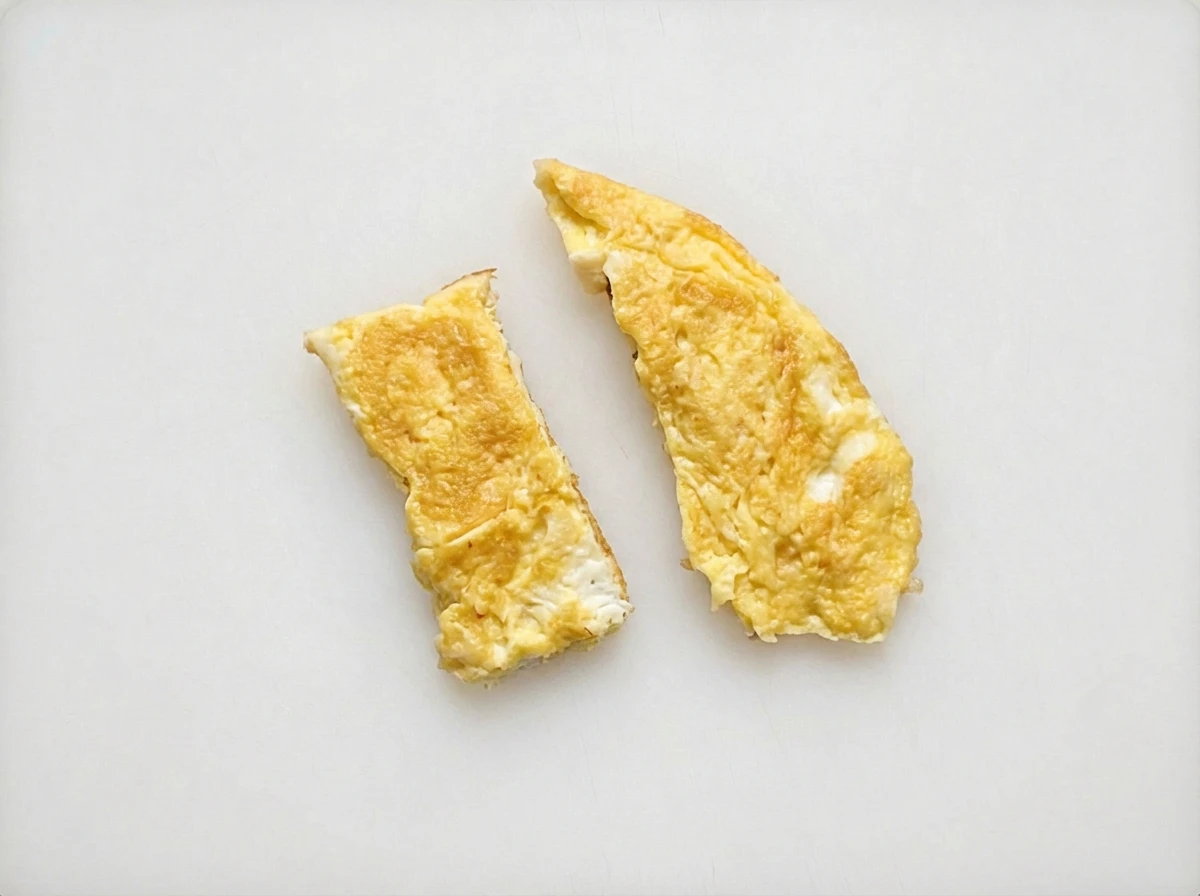
Egg
Egg
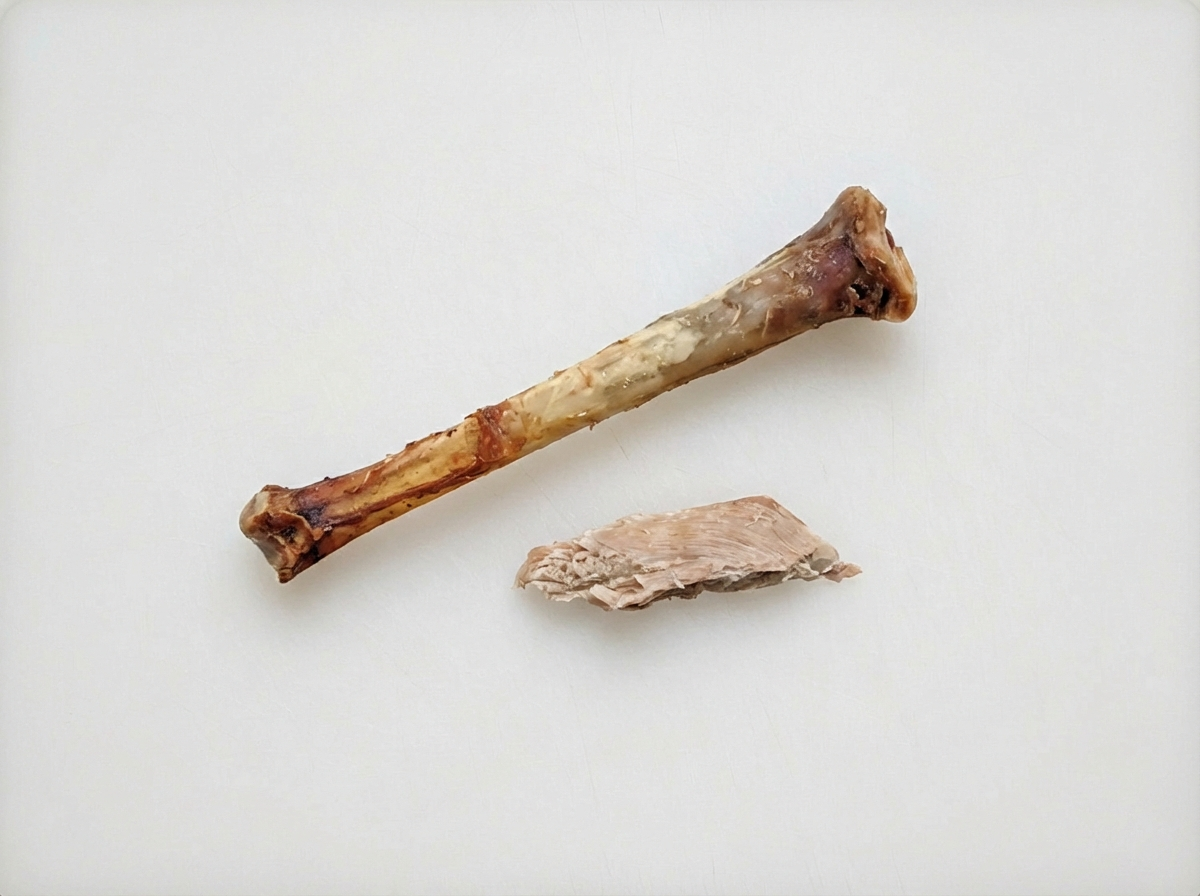
Chicken
Meat
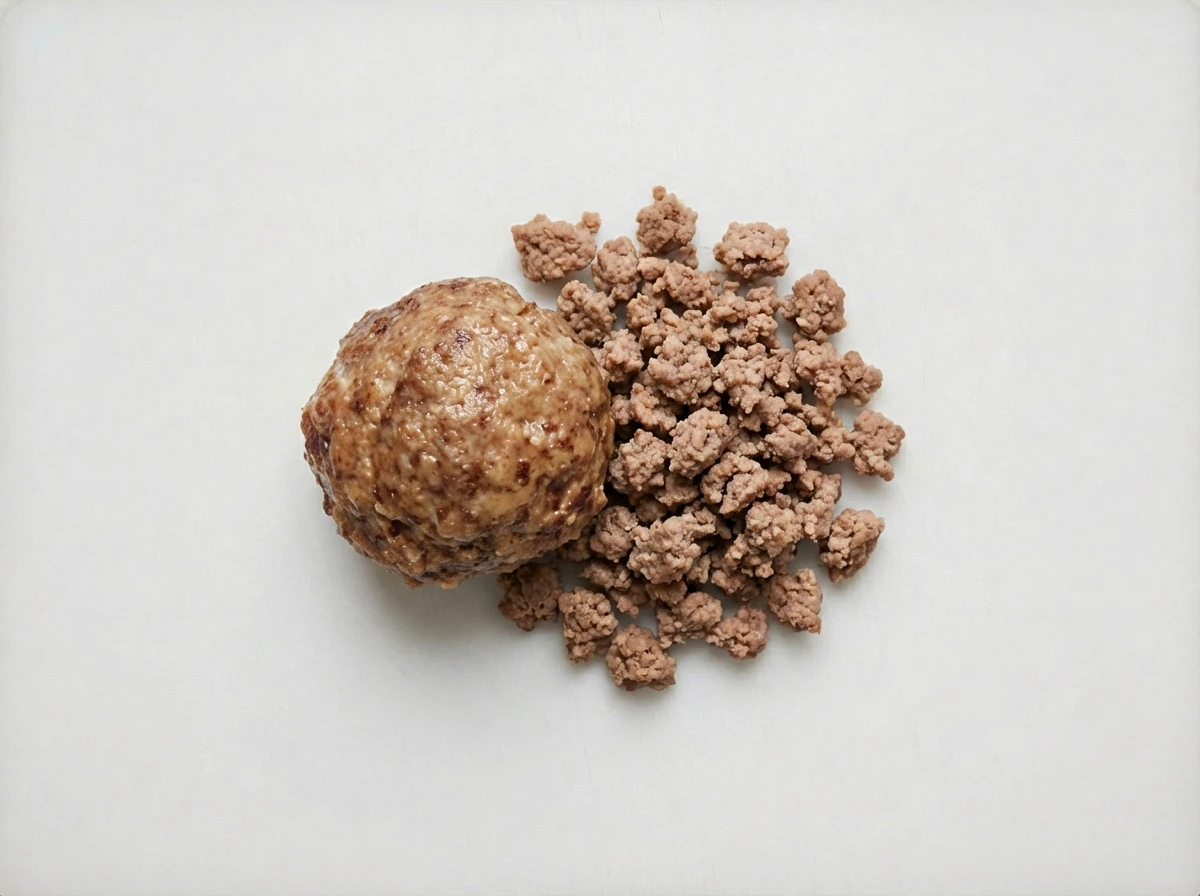
Ground Beef
Meat
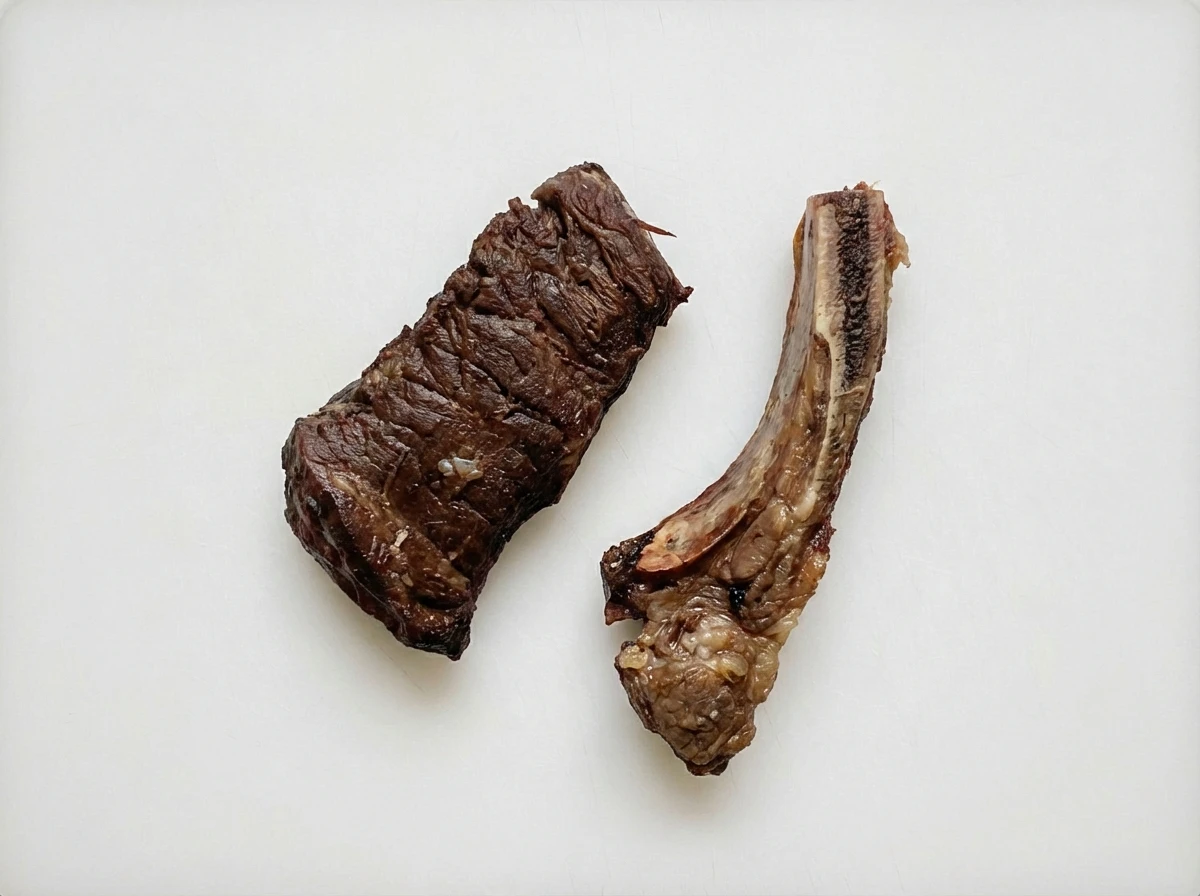
Steak
Meat
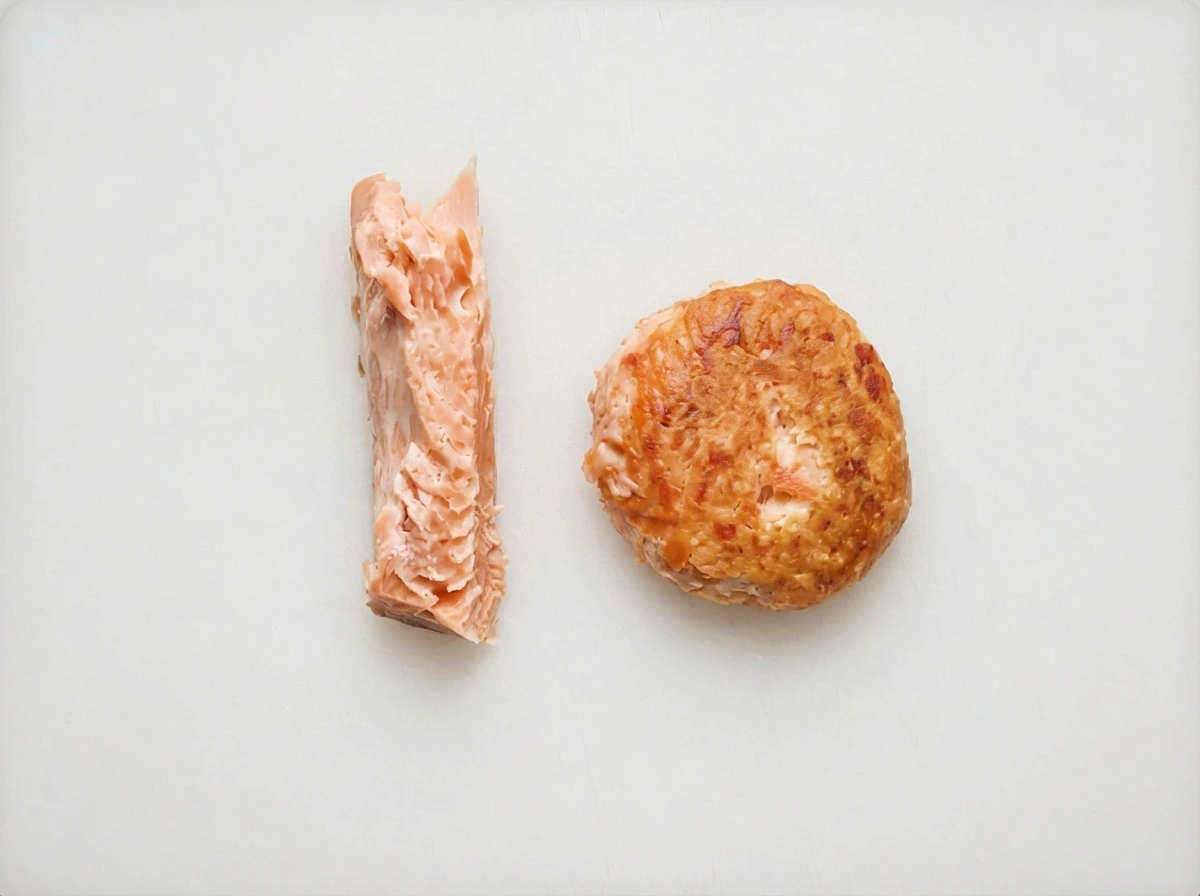
Salmon
Fish
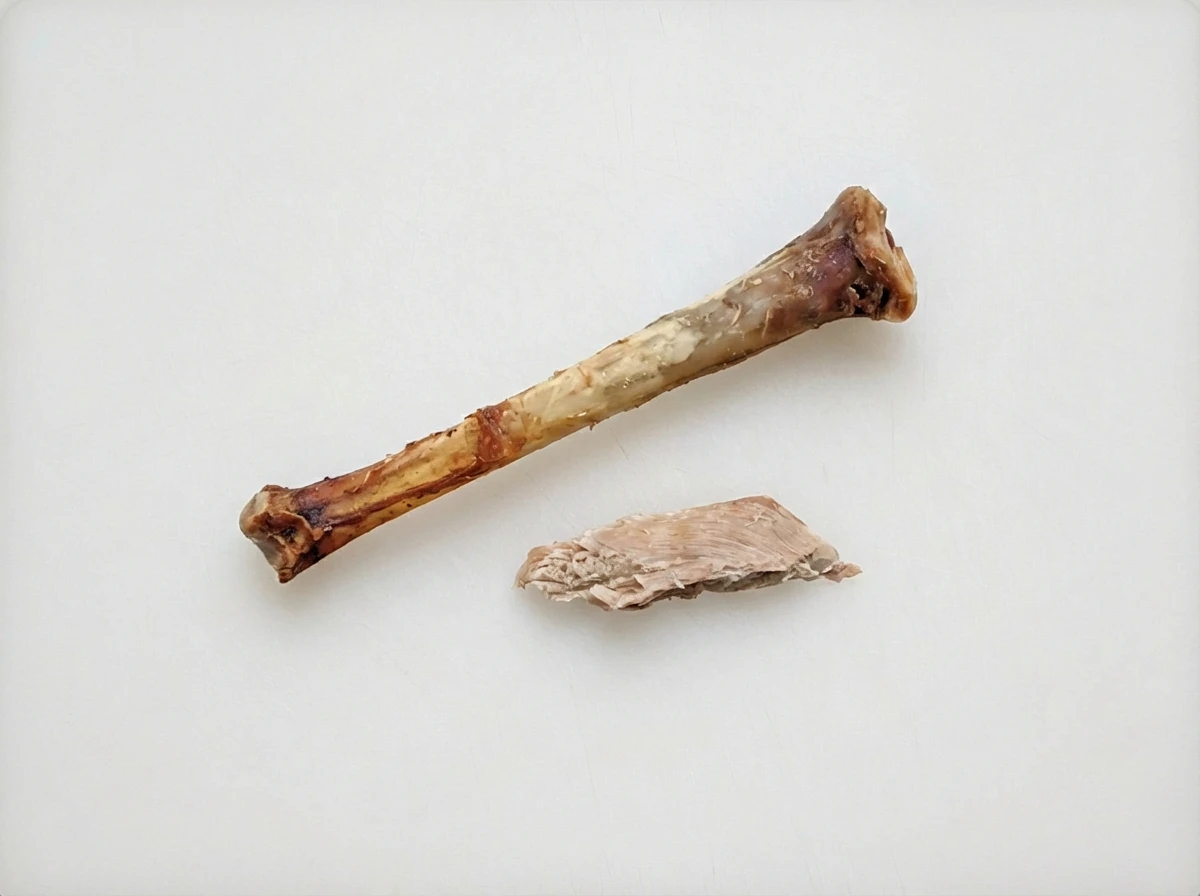
Turkey
Meat
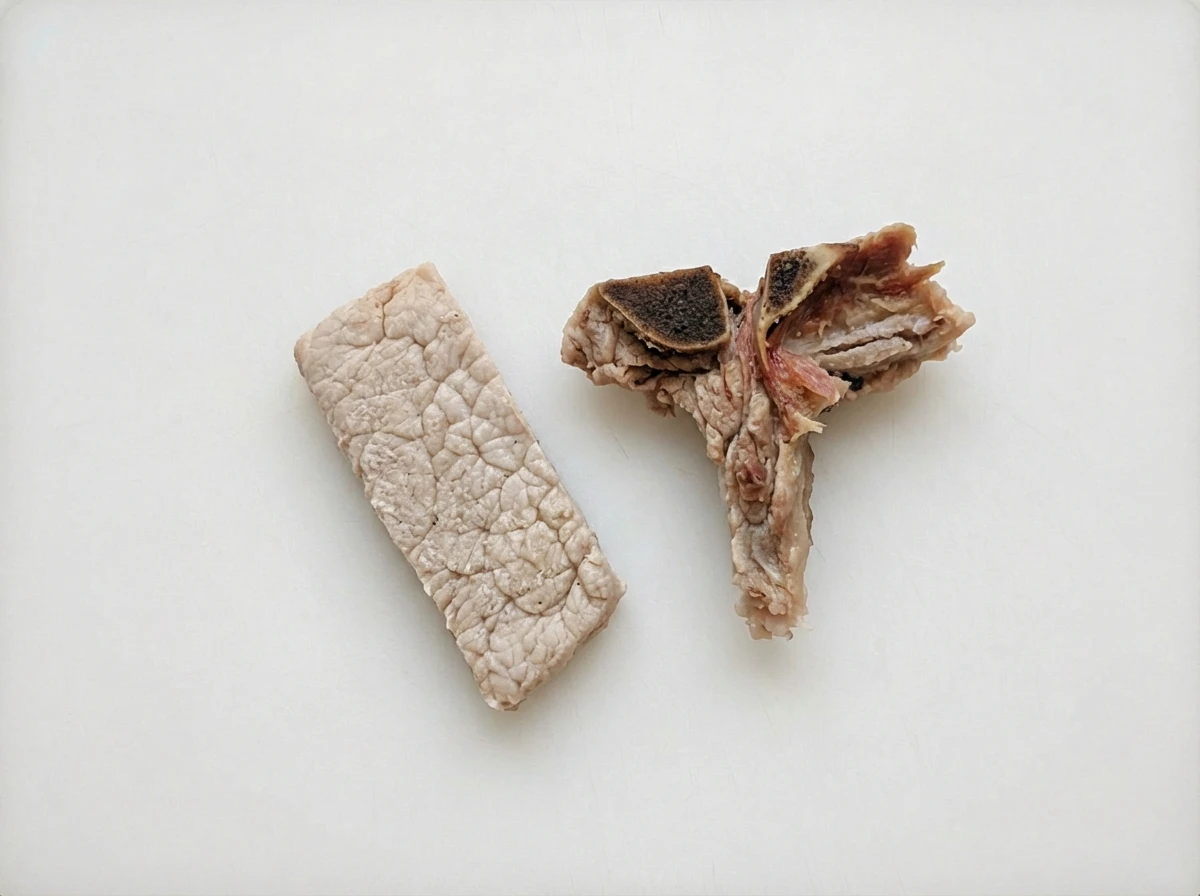
Pork
Meat
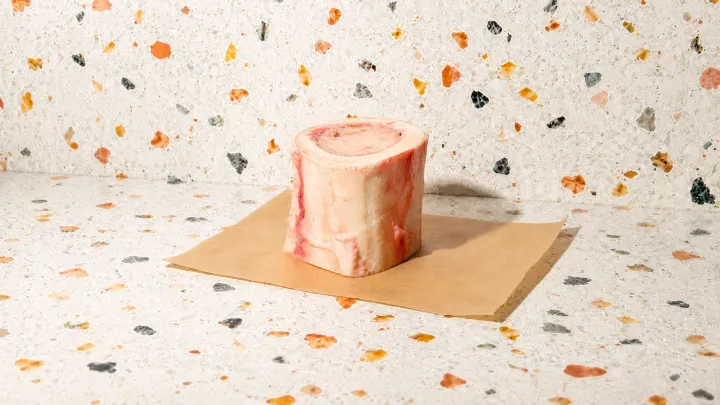
Bone Marrow
Meat

Bone Broth
Meat
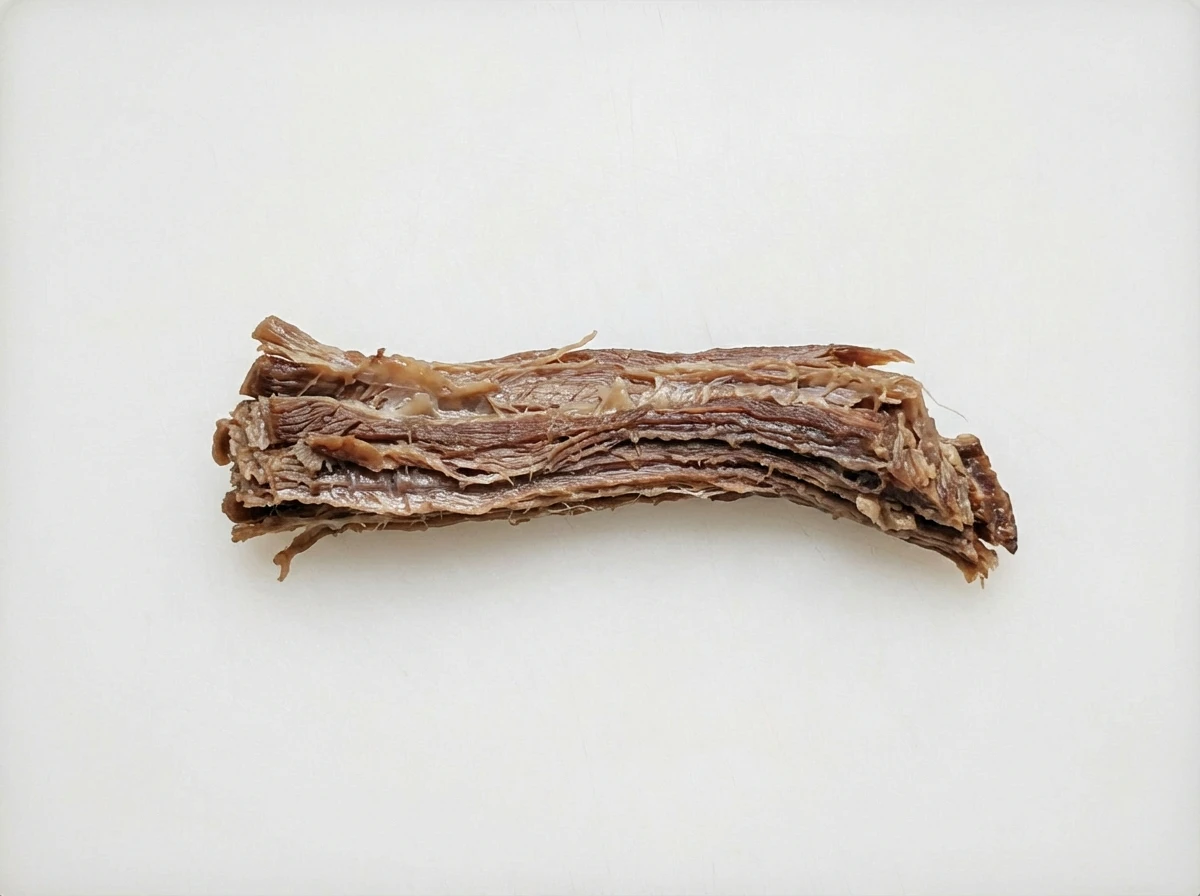
Beef Brisket
Meat
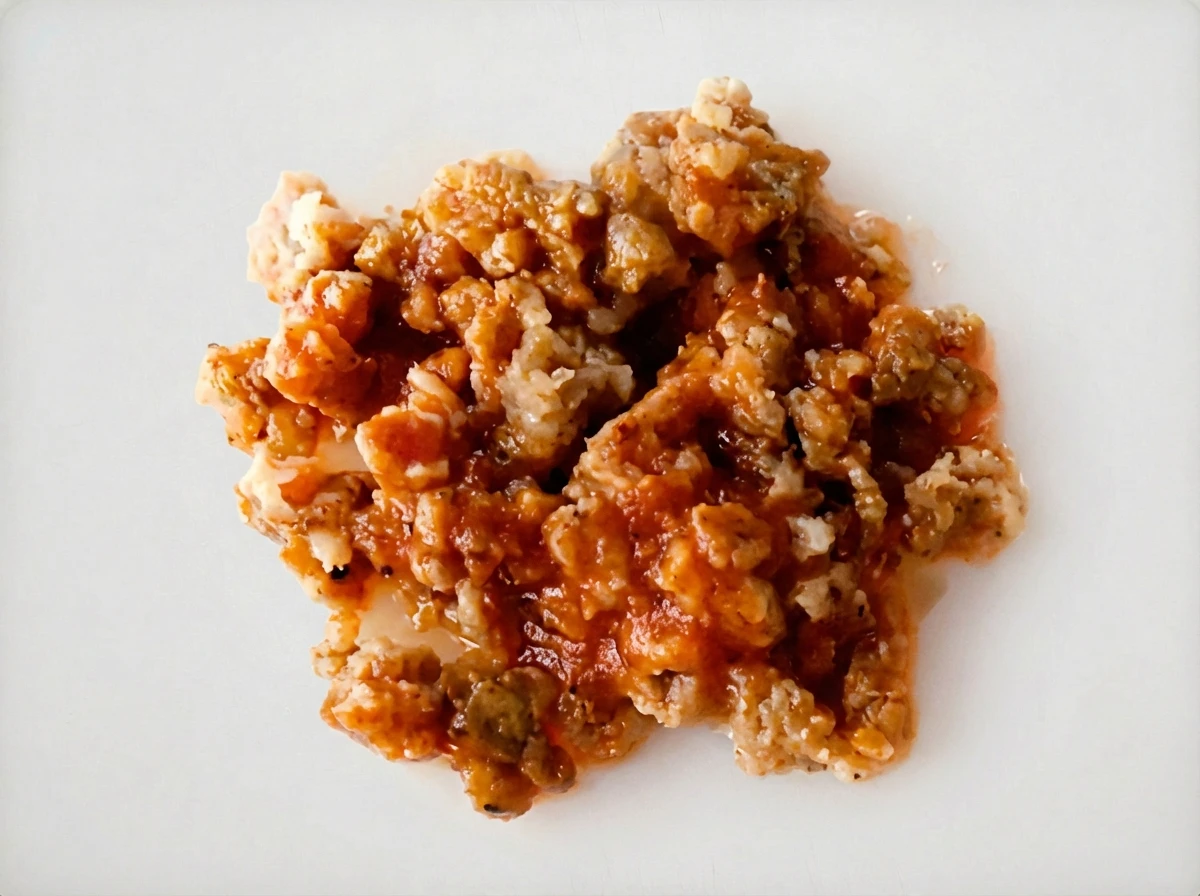
Sausage
Meat
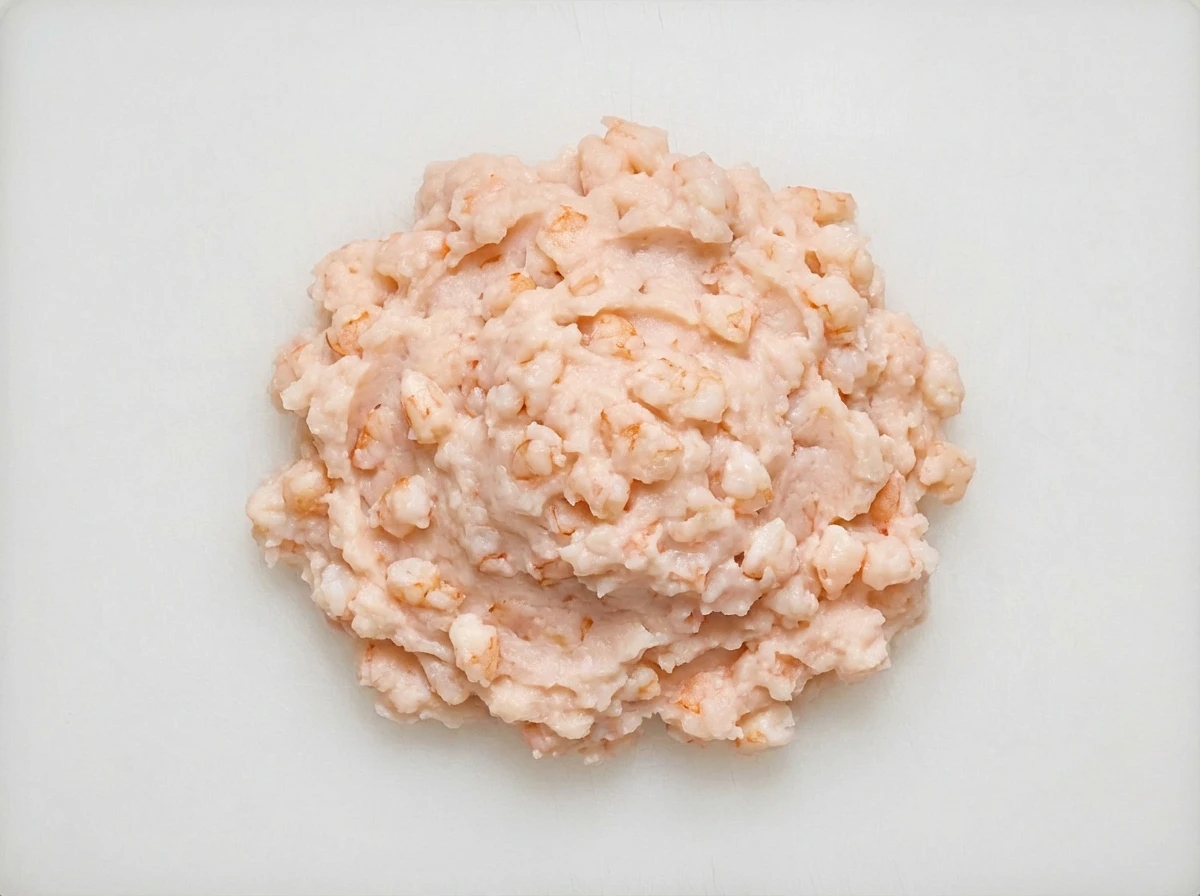
Shrimp
Shellfish
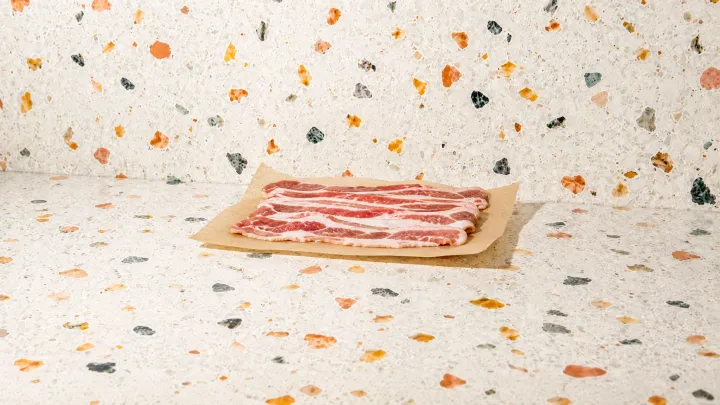
Bacon
Meat
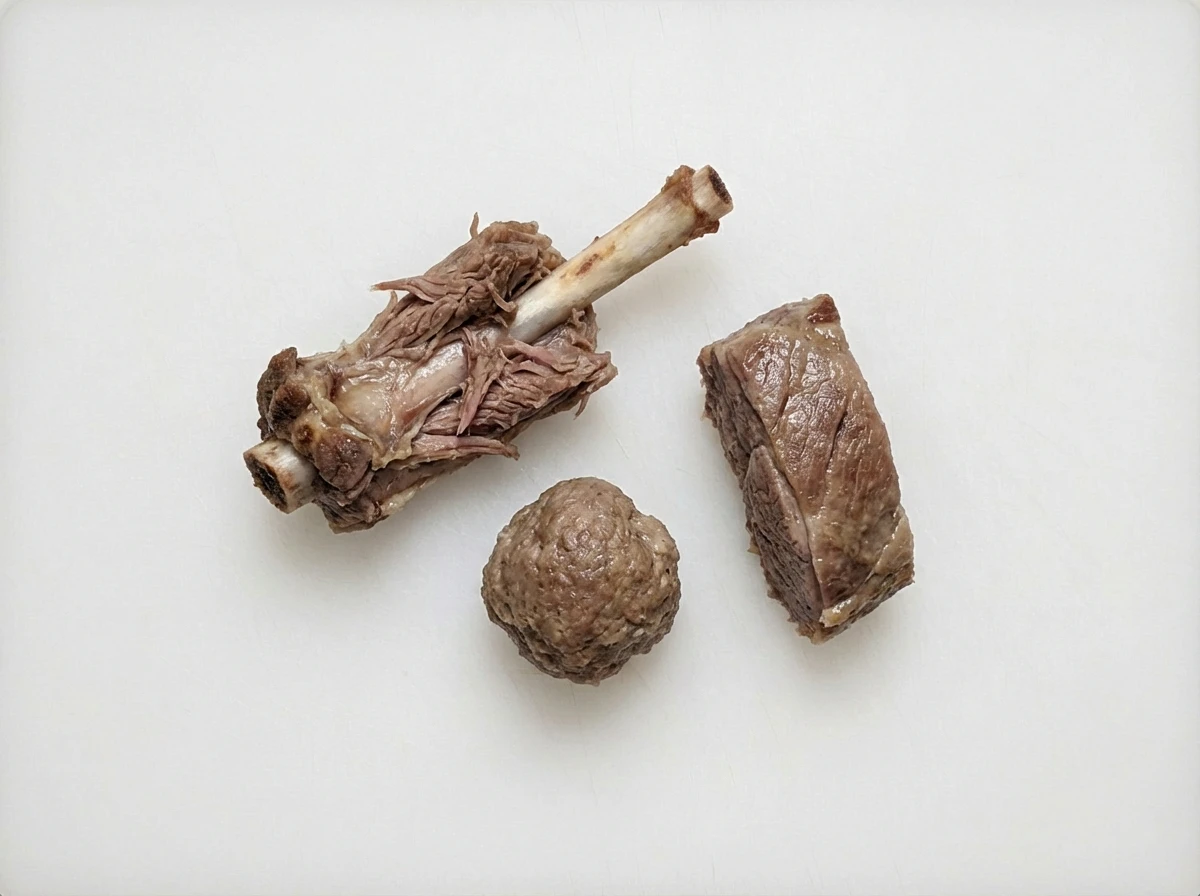
Lamb
Meat
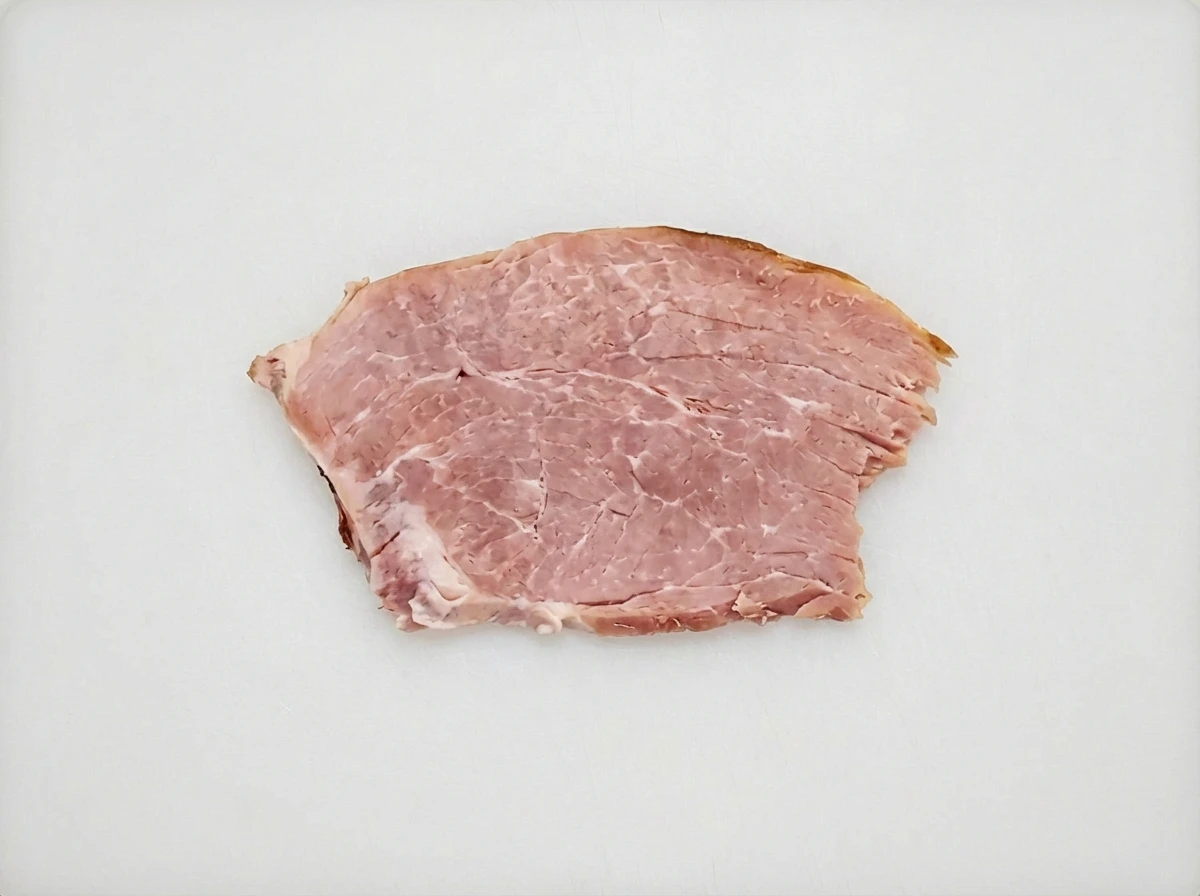
Ham
Meat
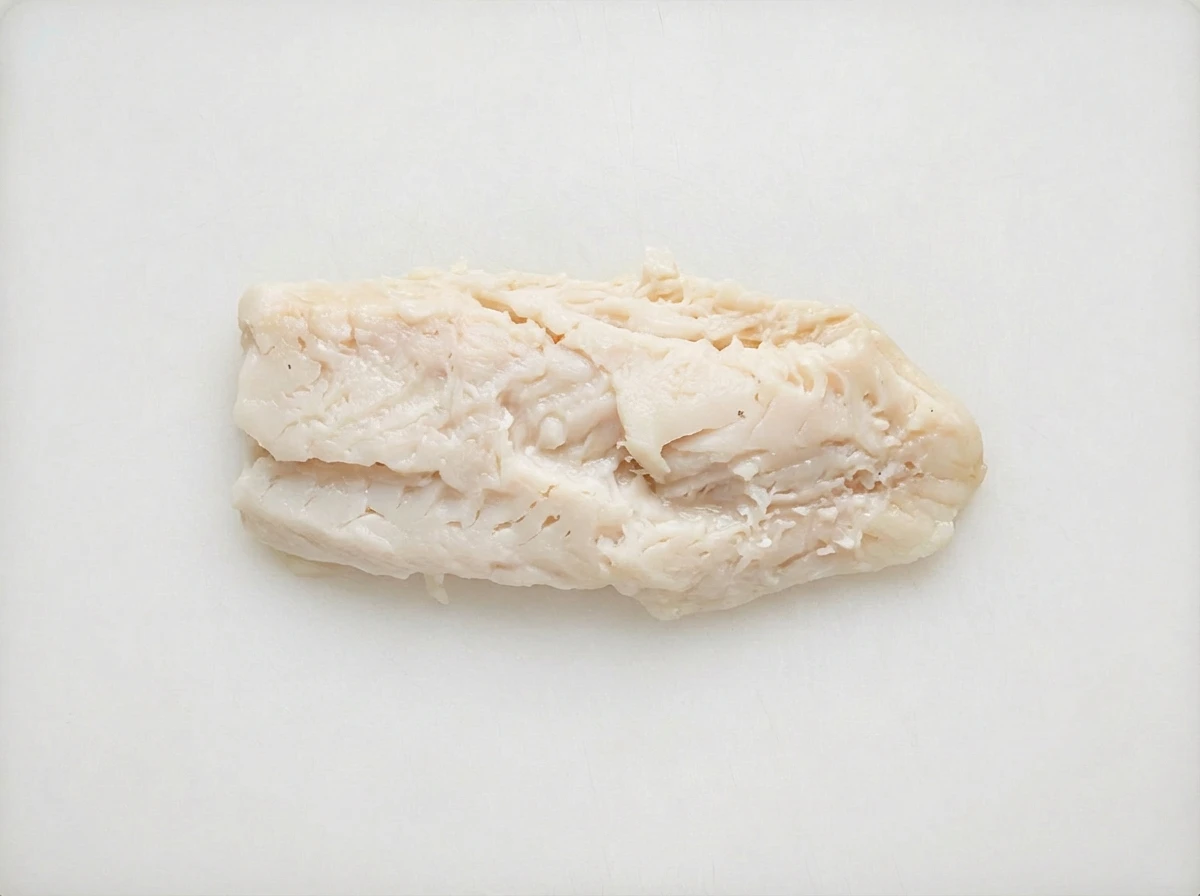
Cod
Fish
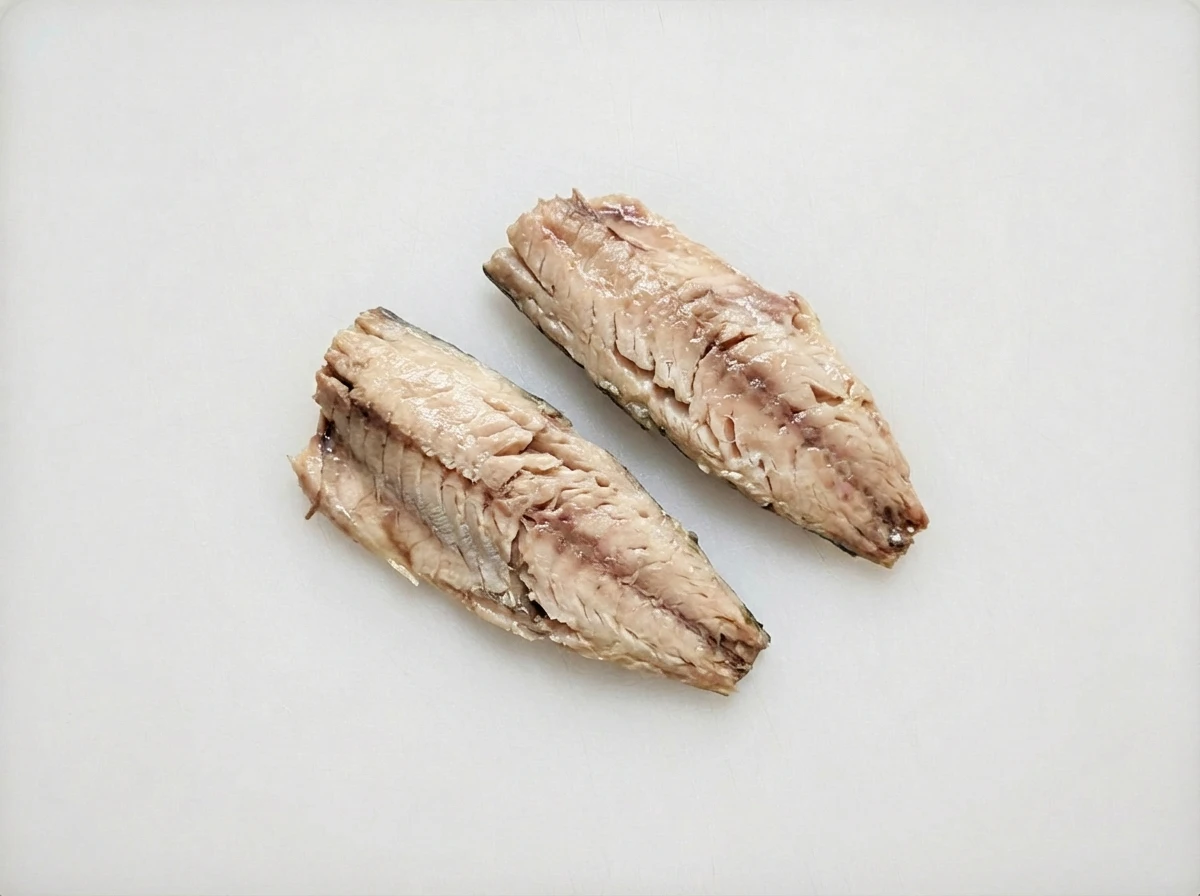
Sardines
Fish
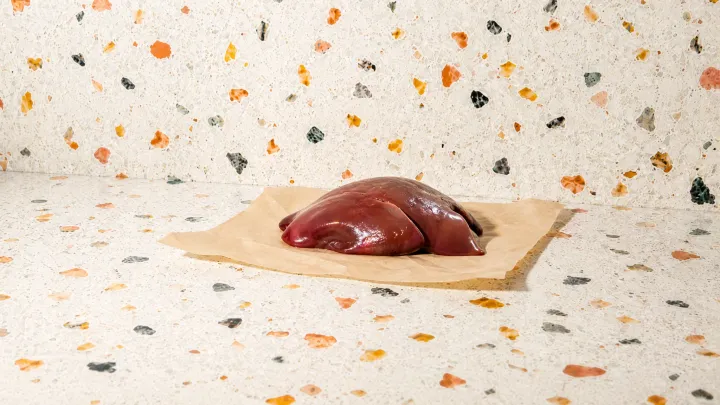
Chicken Liver
Meat
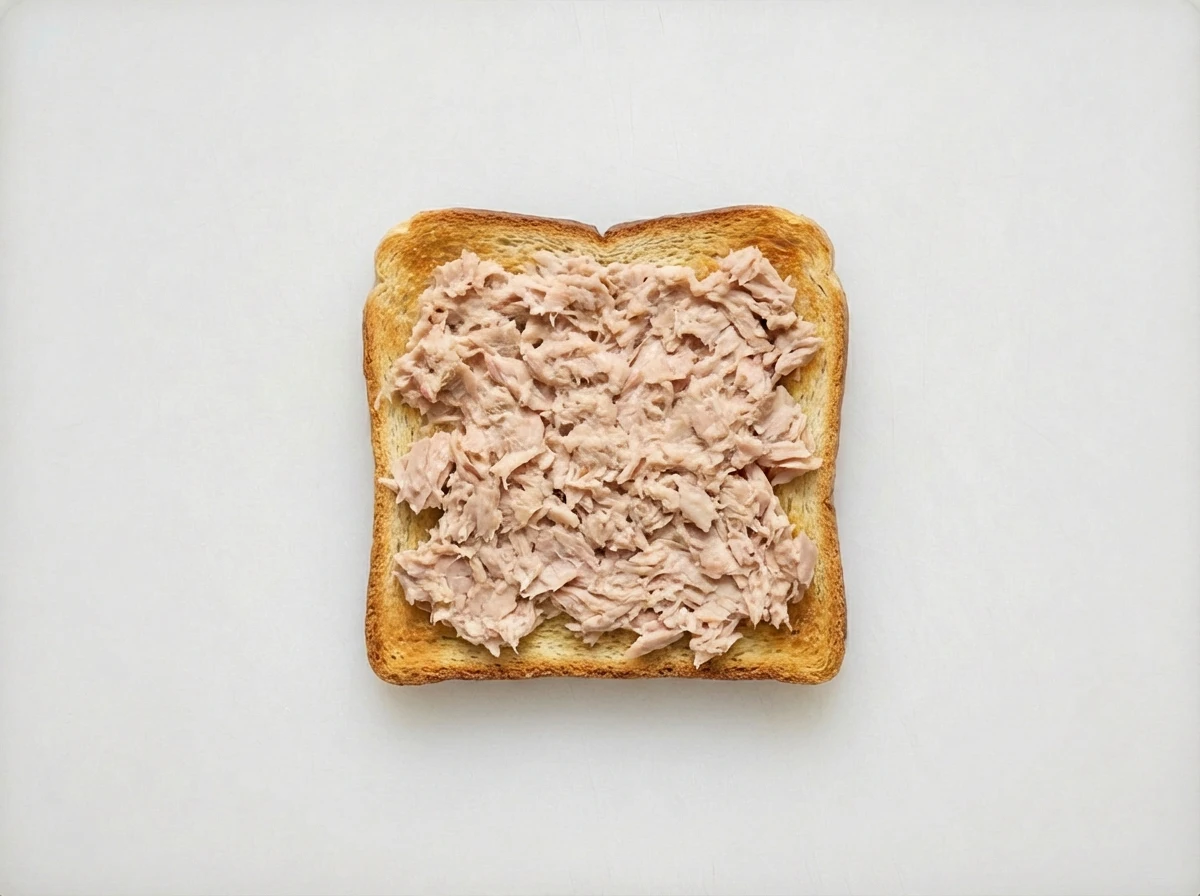
Tuna (Skipjack, Light)
Fish
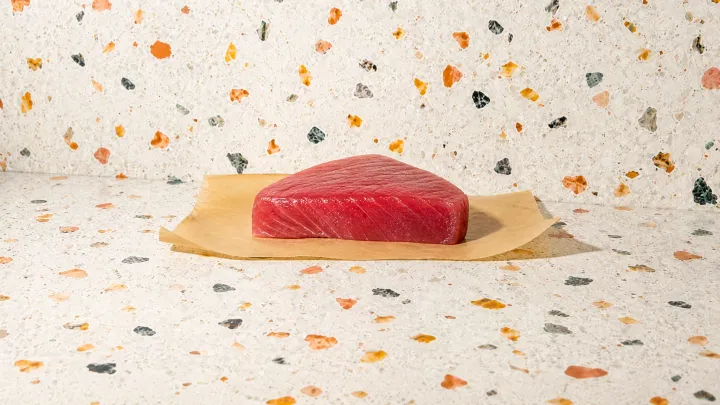
Tuna
Fish
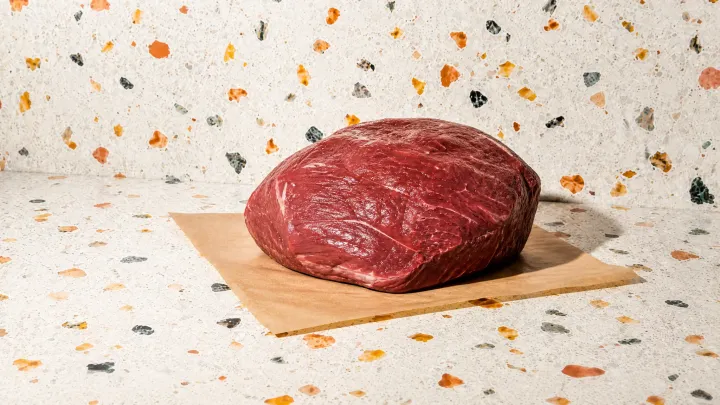
Bison
Meat
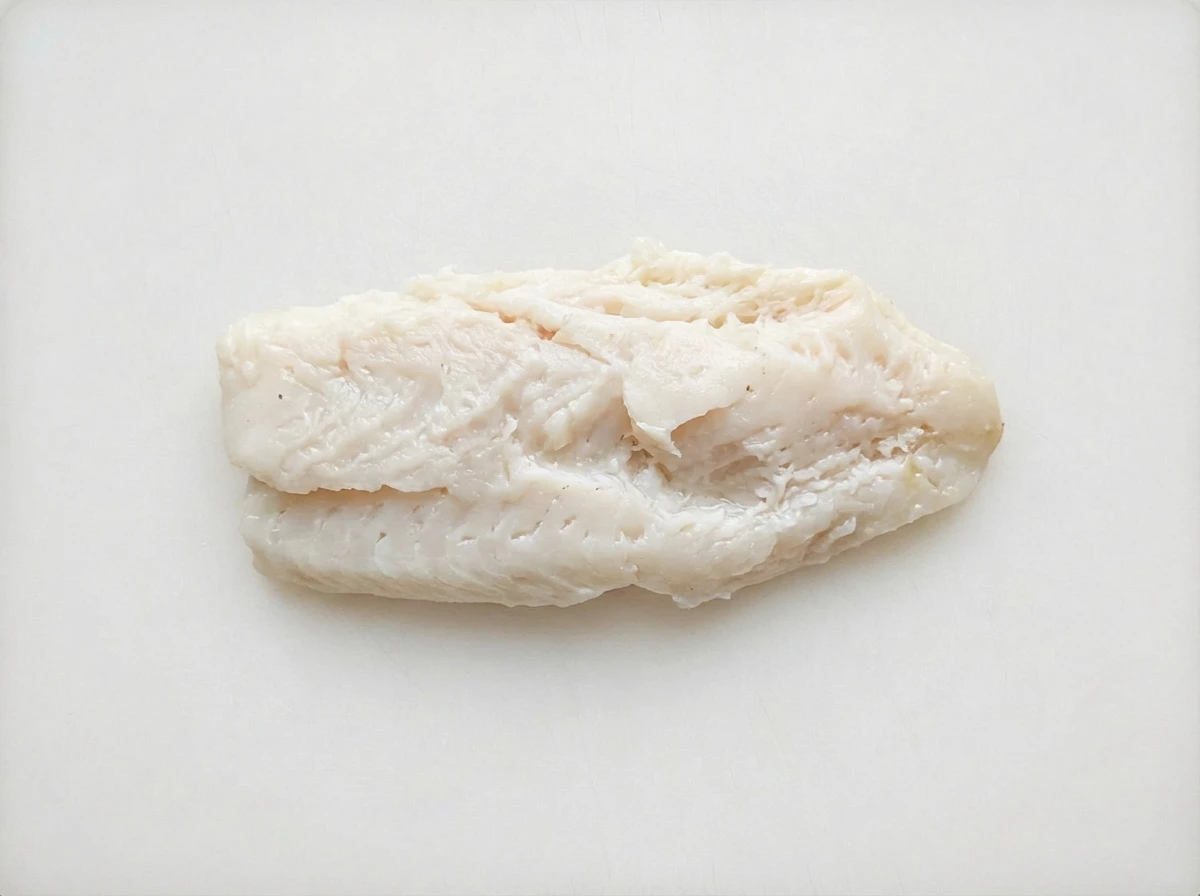
Tilapia
Fish
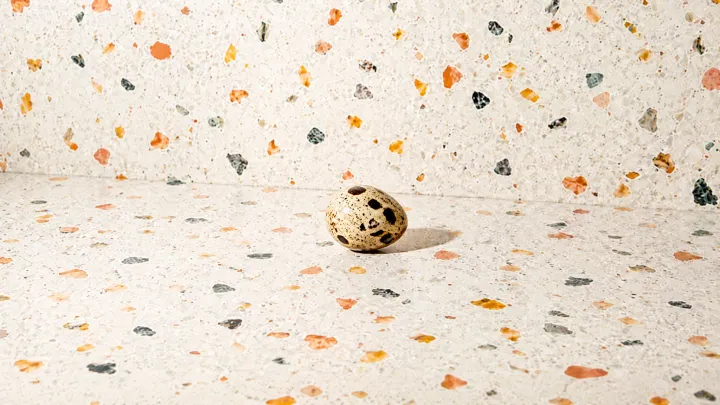
Quail Egg
Egg
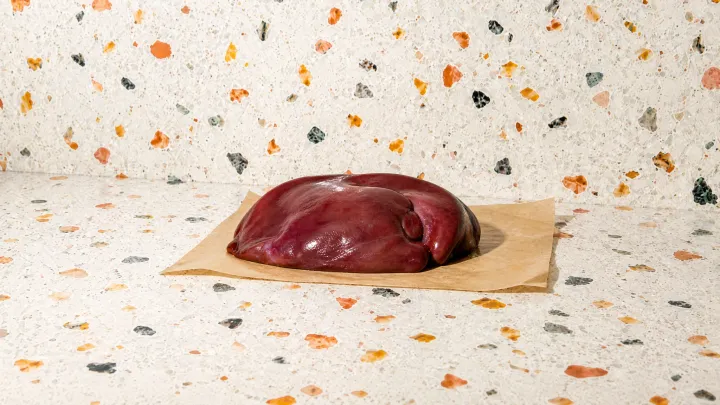
Beef Liver
Meat
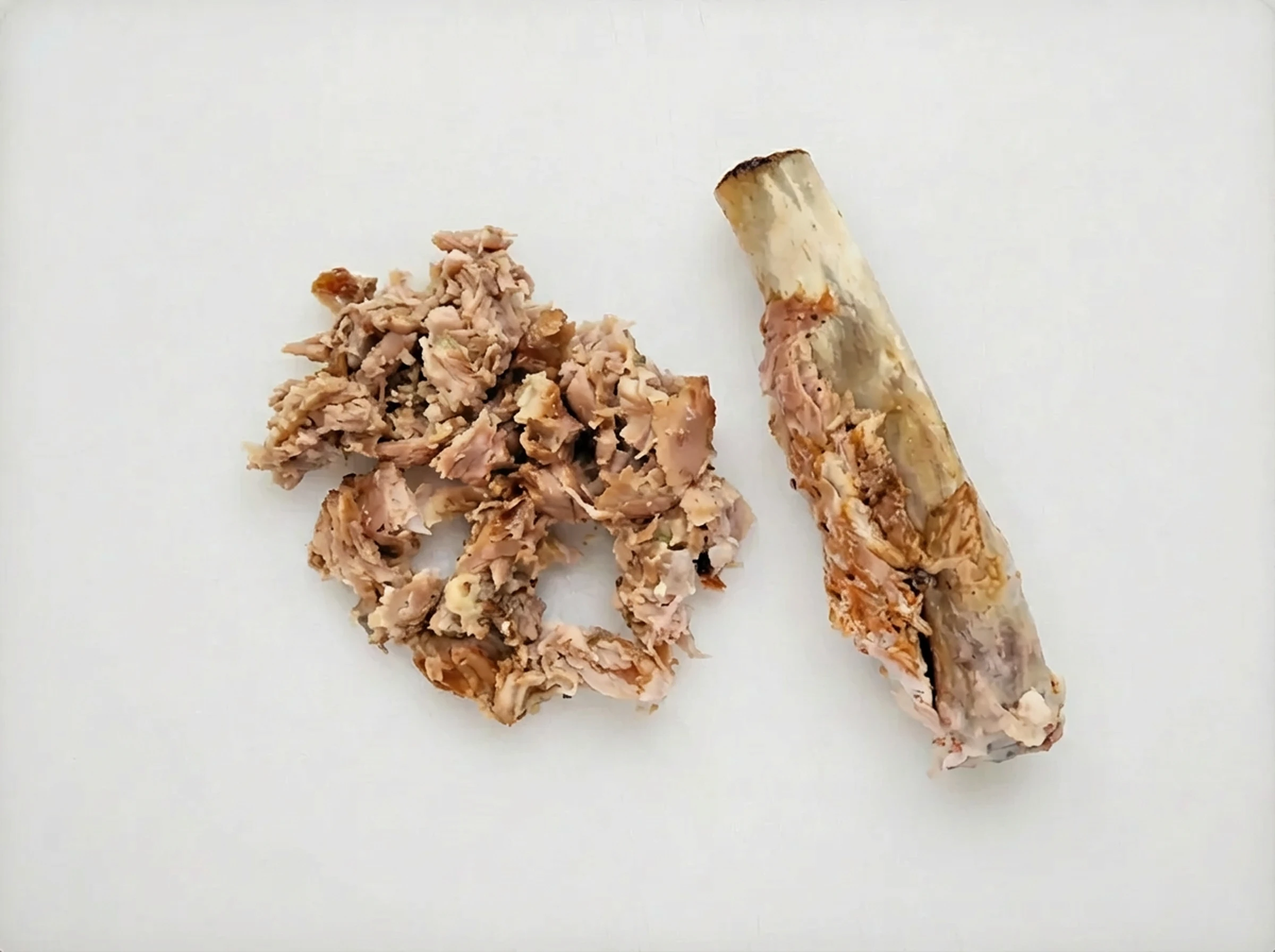
Ribs
Meat
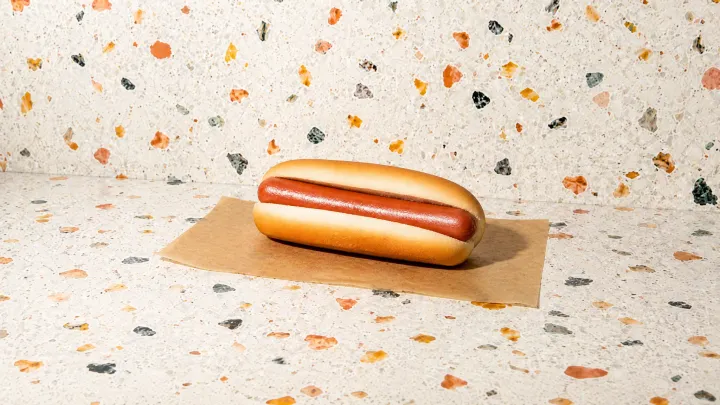
Hot Dog
Meat
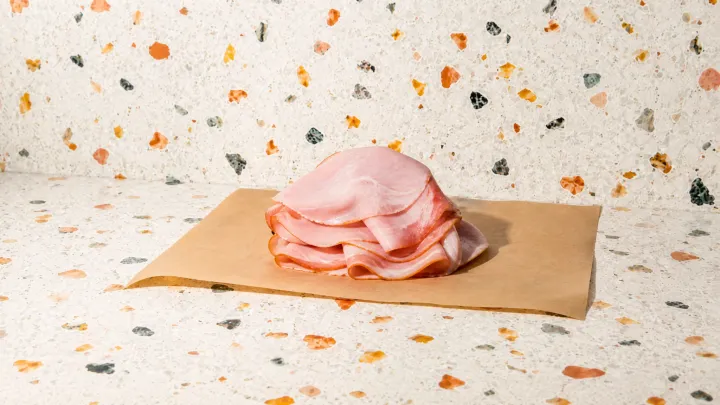
Deli Meat
Meat
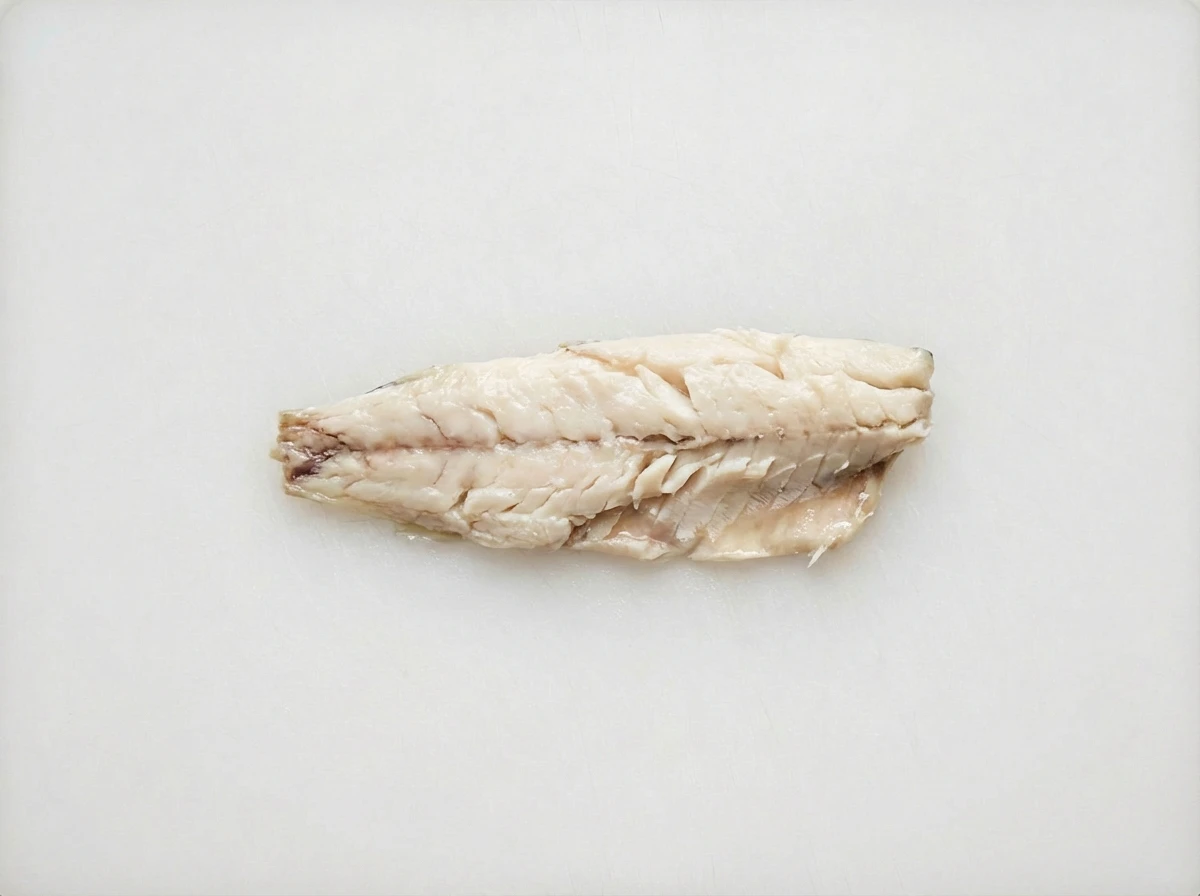
Anchovy
Fish
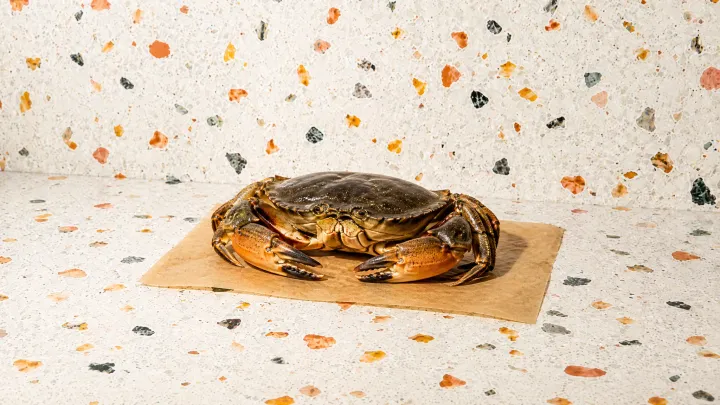
Crab
Shellfish
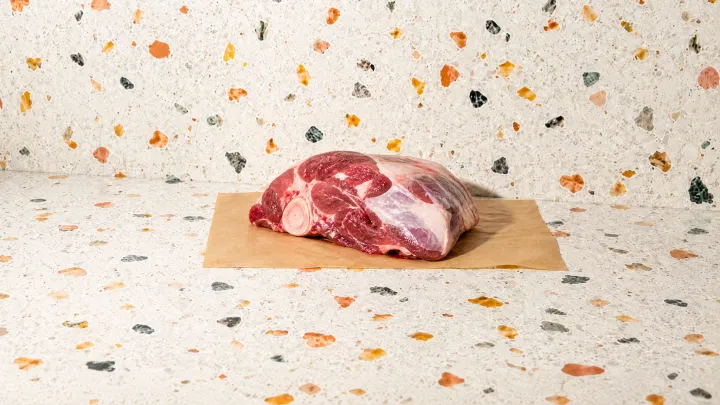
Mutton (Sheep)
Meat
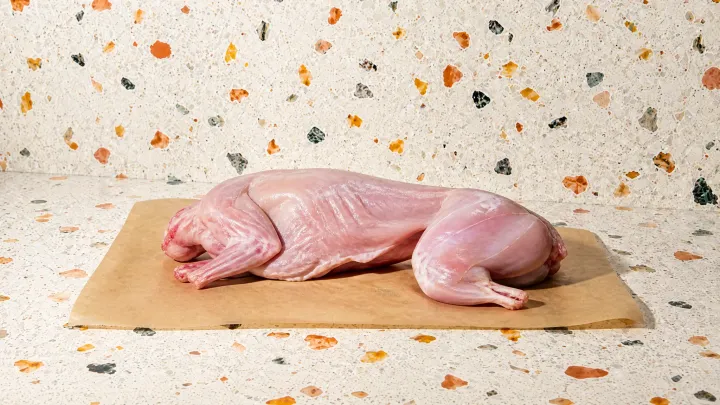
Rabbit
Meat
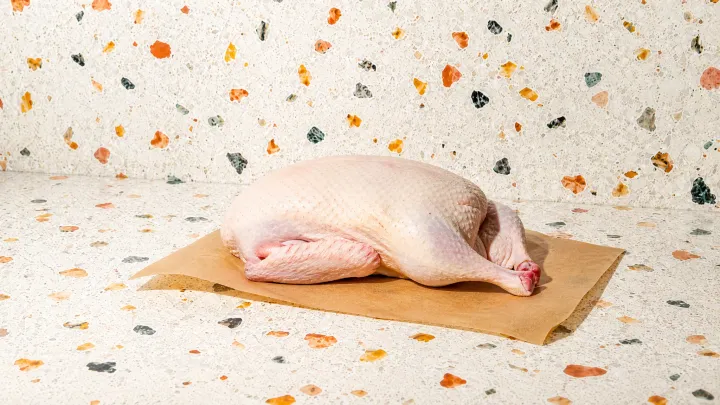
Duck
Meat
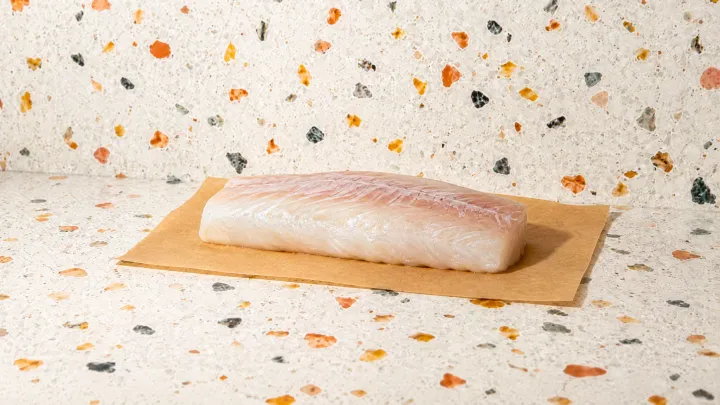
Haddock
Fish
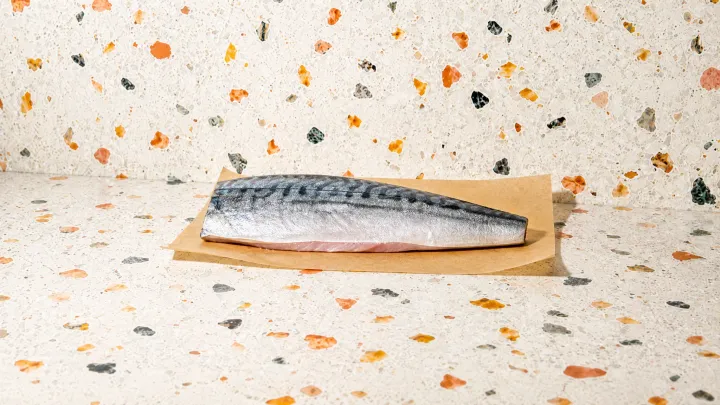
Mackerel (North Atlantic)
Fish
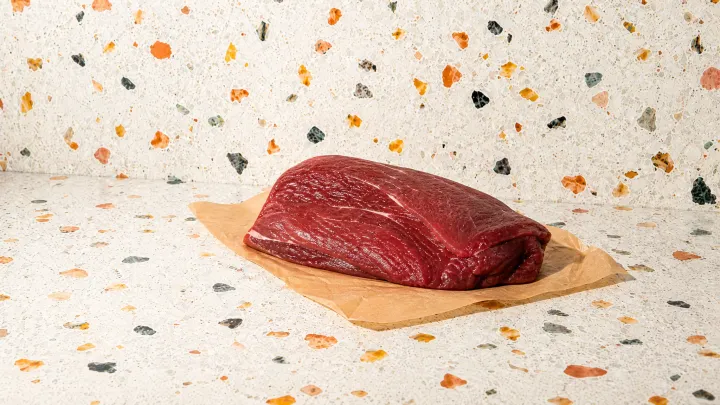
Venison (Deer)
Meat
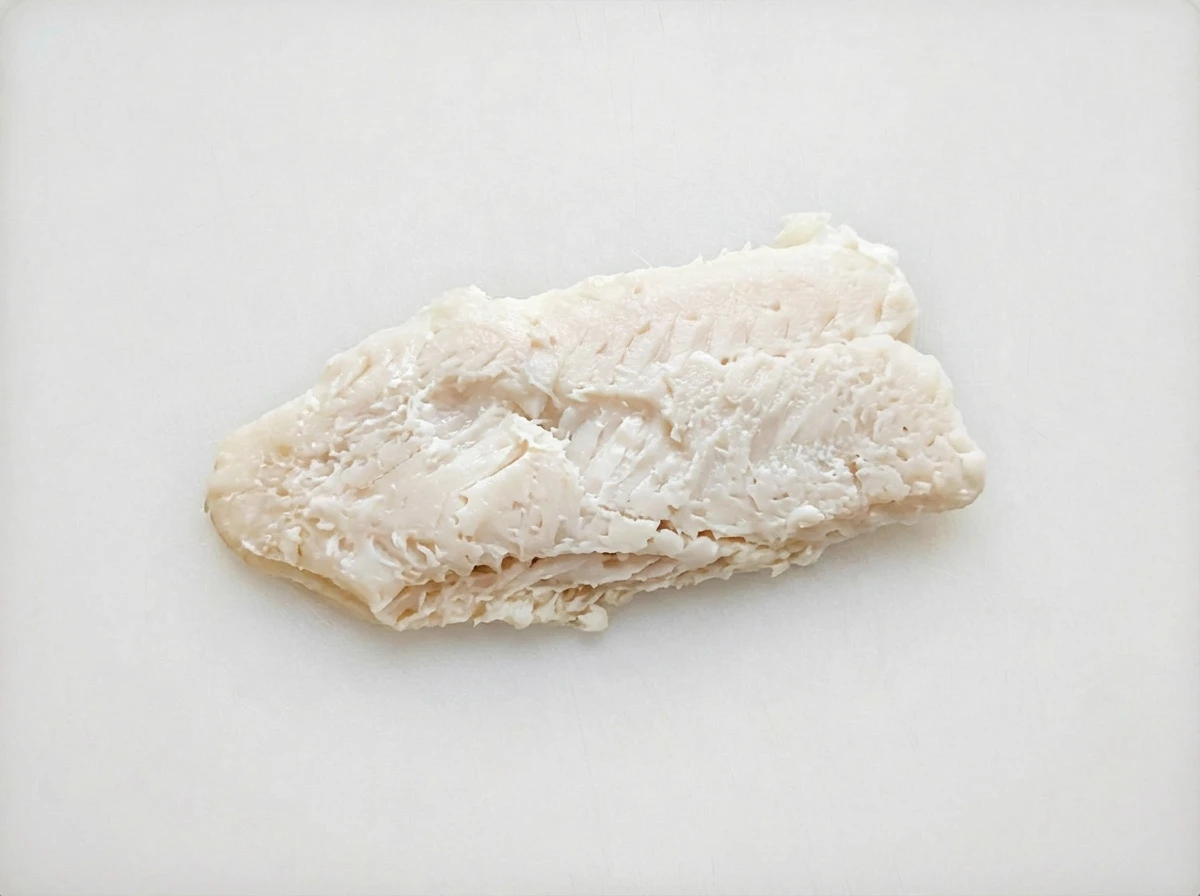
Catfish
Fish
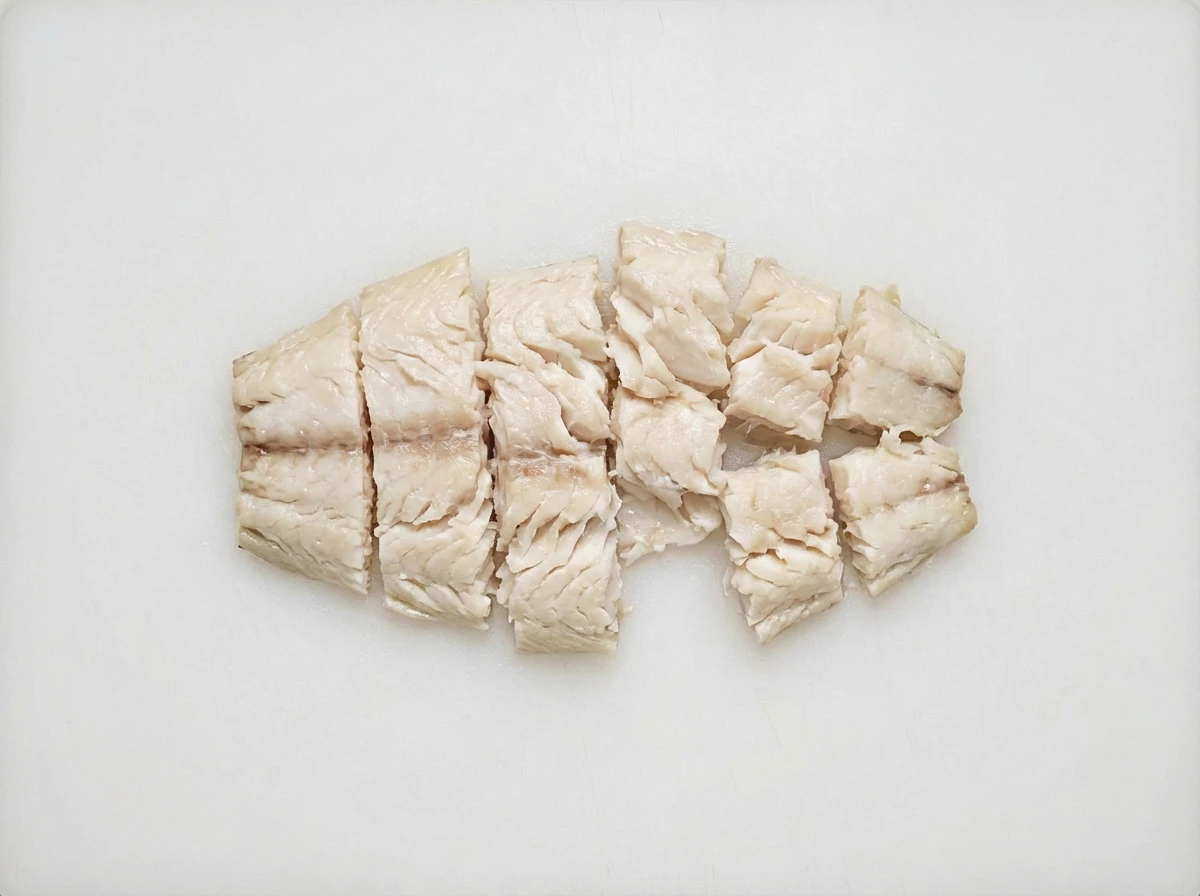
Branzino
Fish
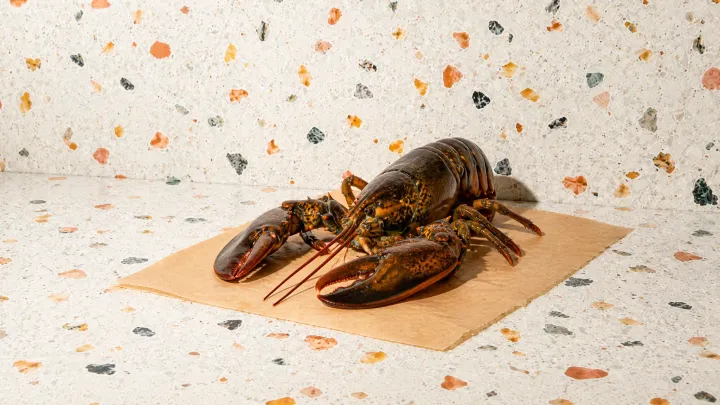
Lobster
Shellfish
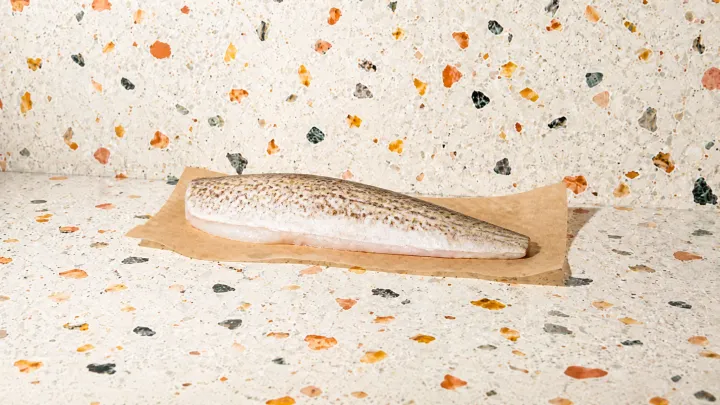
Pollock
Fish
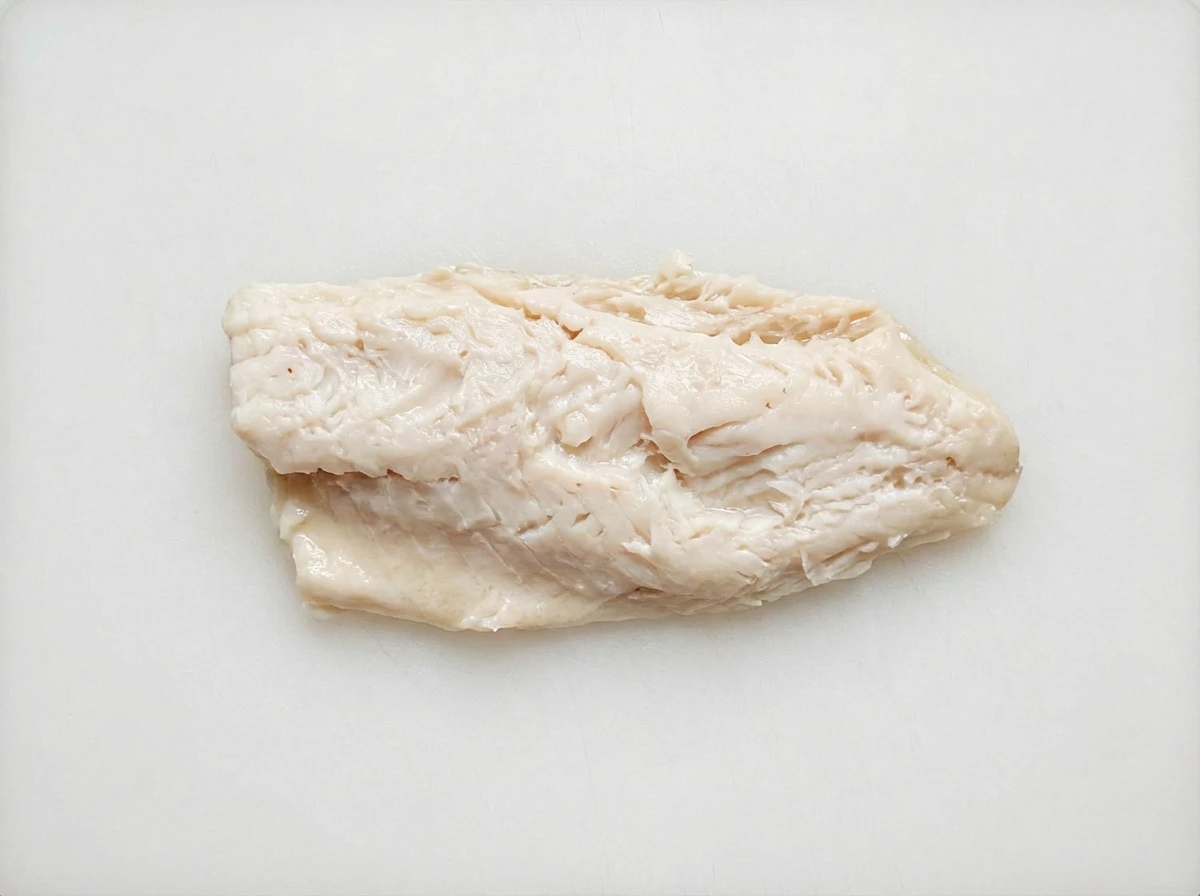
Trout
Fish
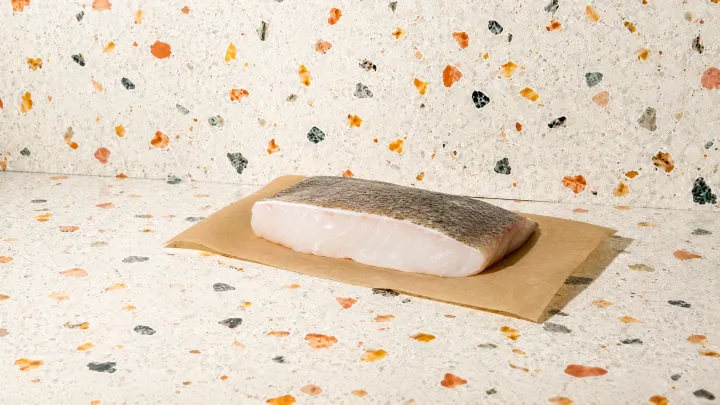
Halibut
Fish
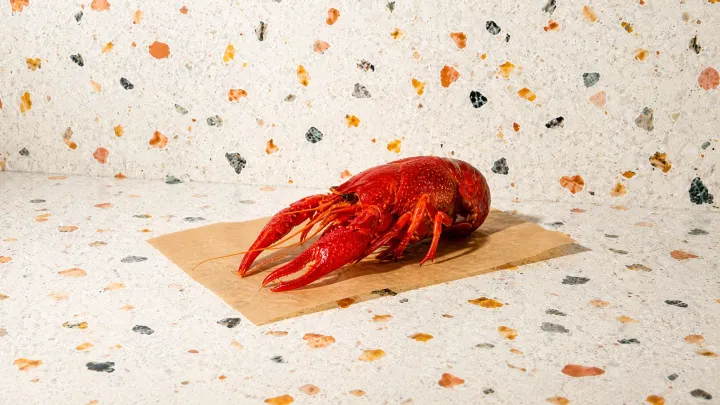
Crawfish (Crayfish)
Shellfish
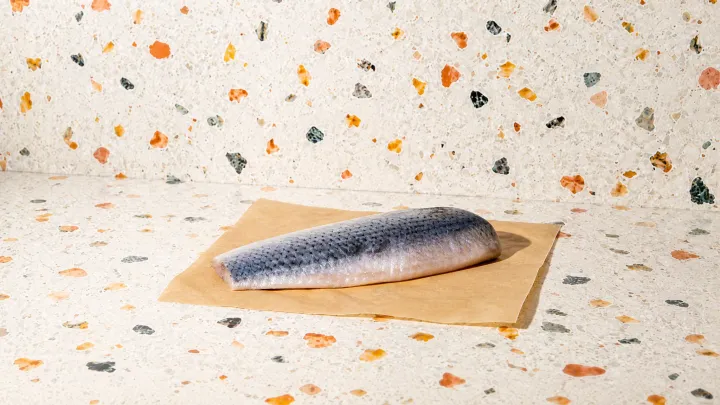
Herring
Fish
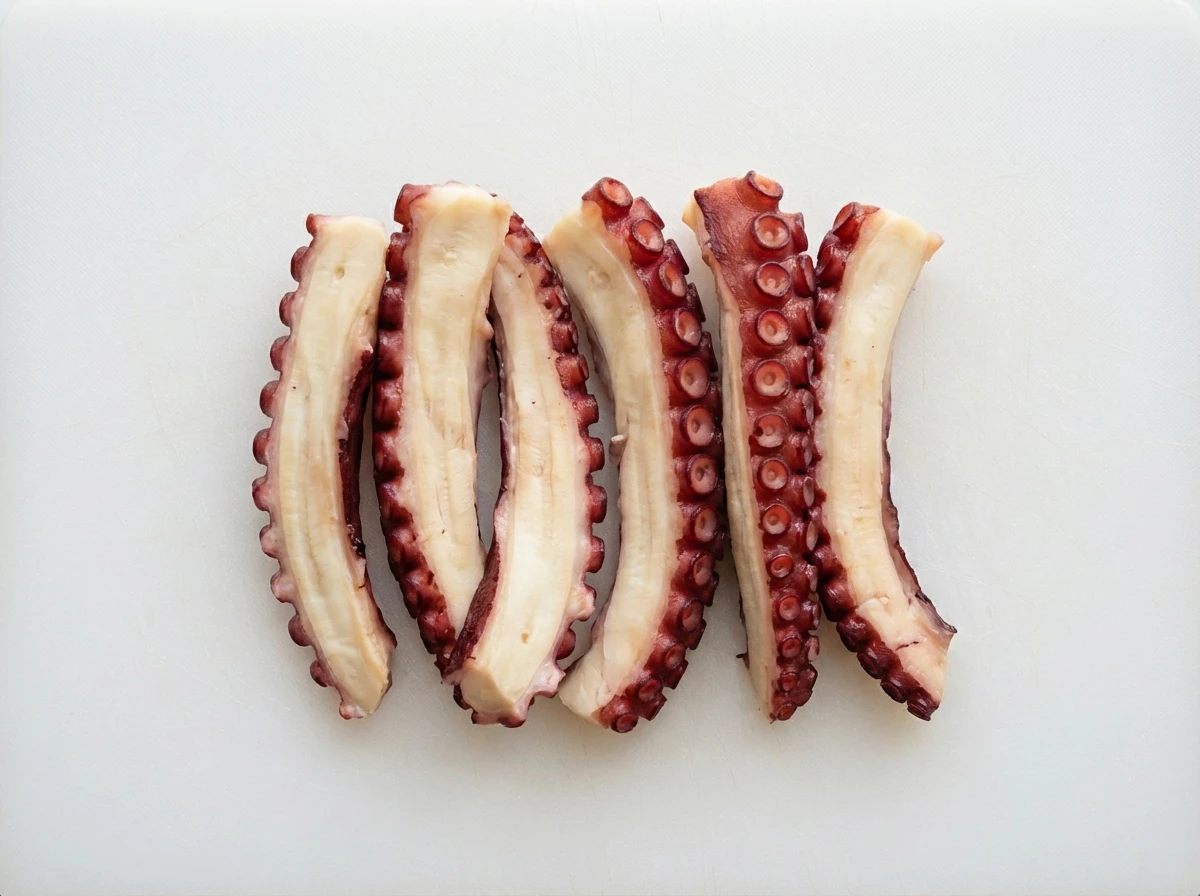
Octopus
Shellfish
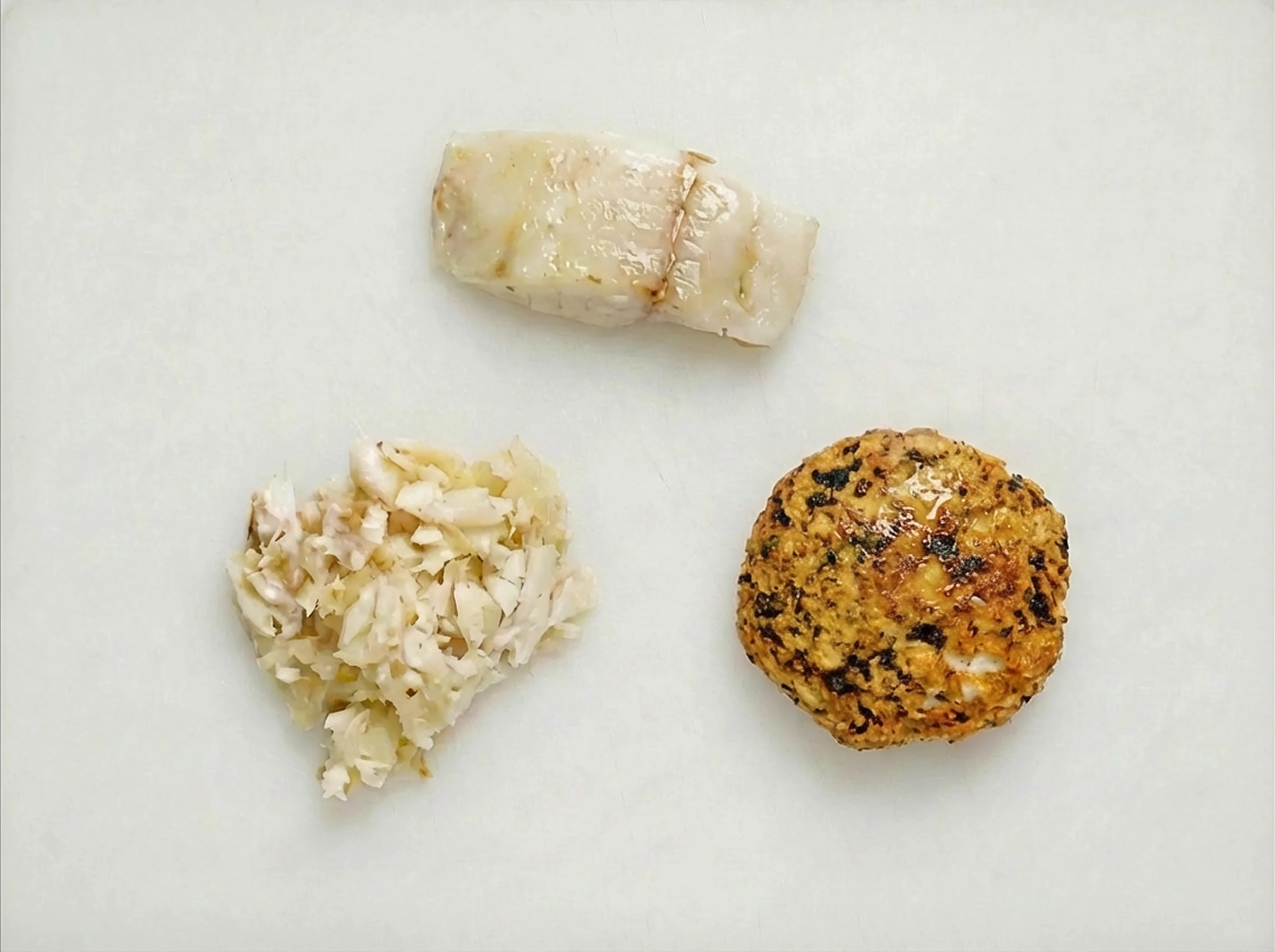
Flounder
Fish
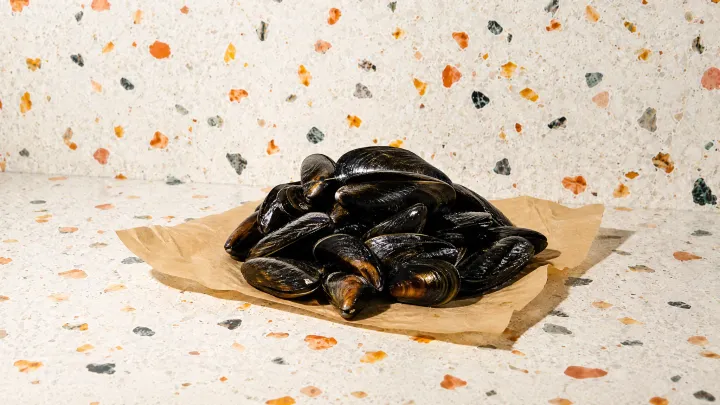
Mussels
Shellfish
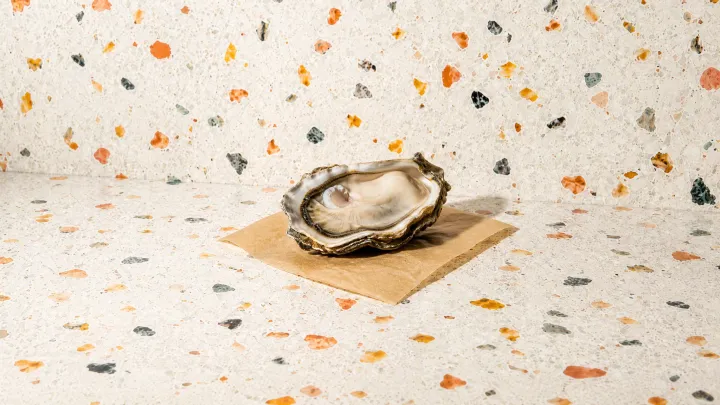
Oyster
Shellfish
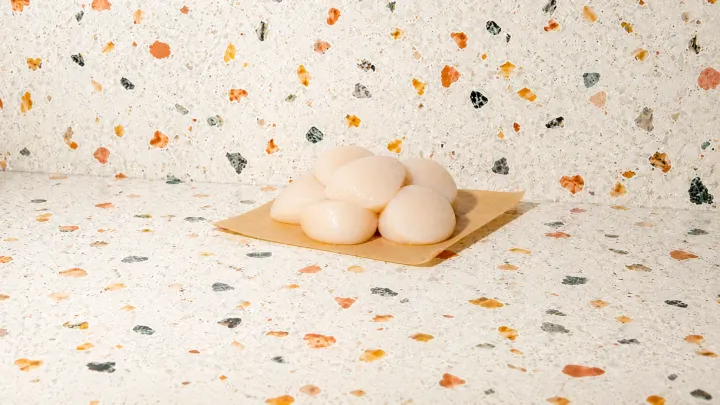
Scallops
Shellfish
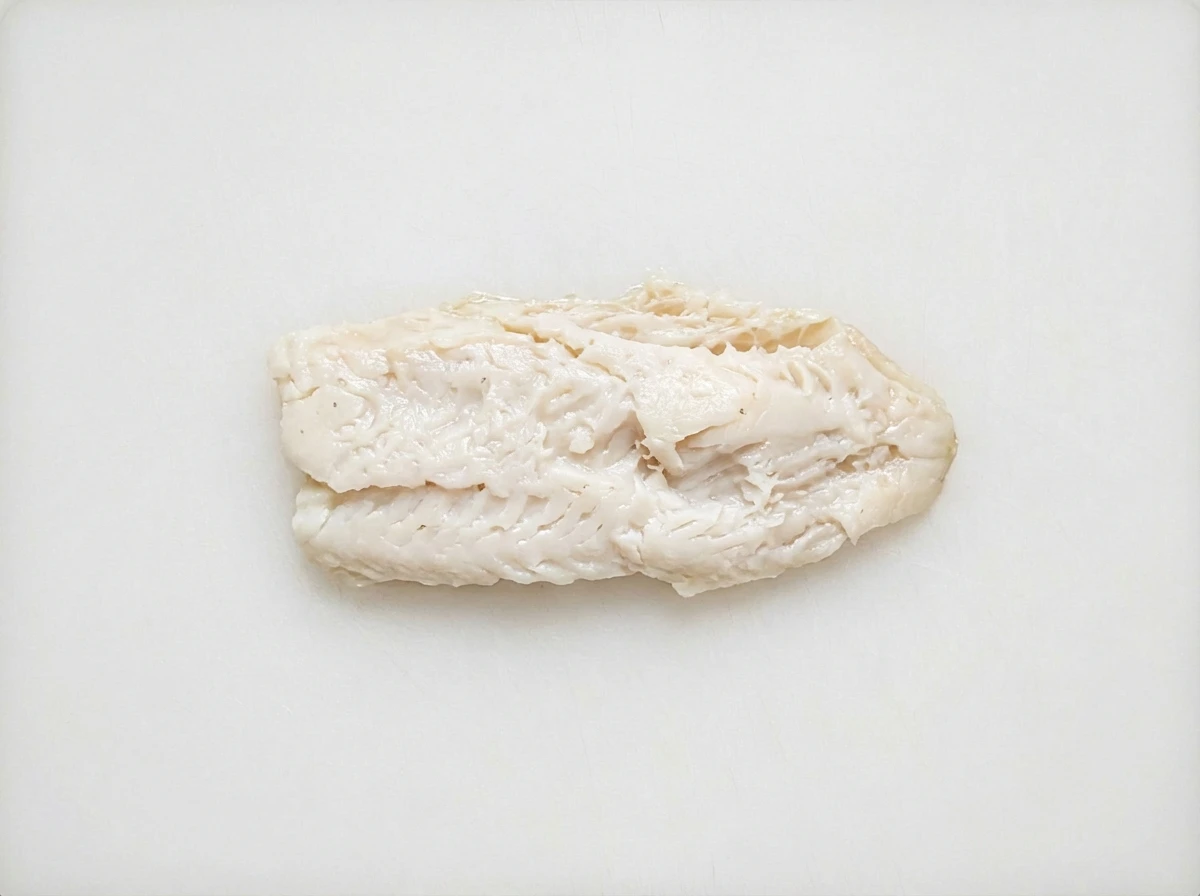
Sole
Fish
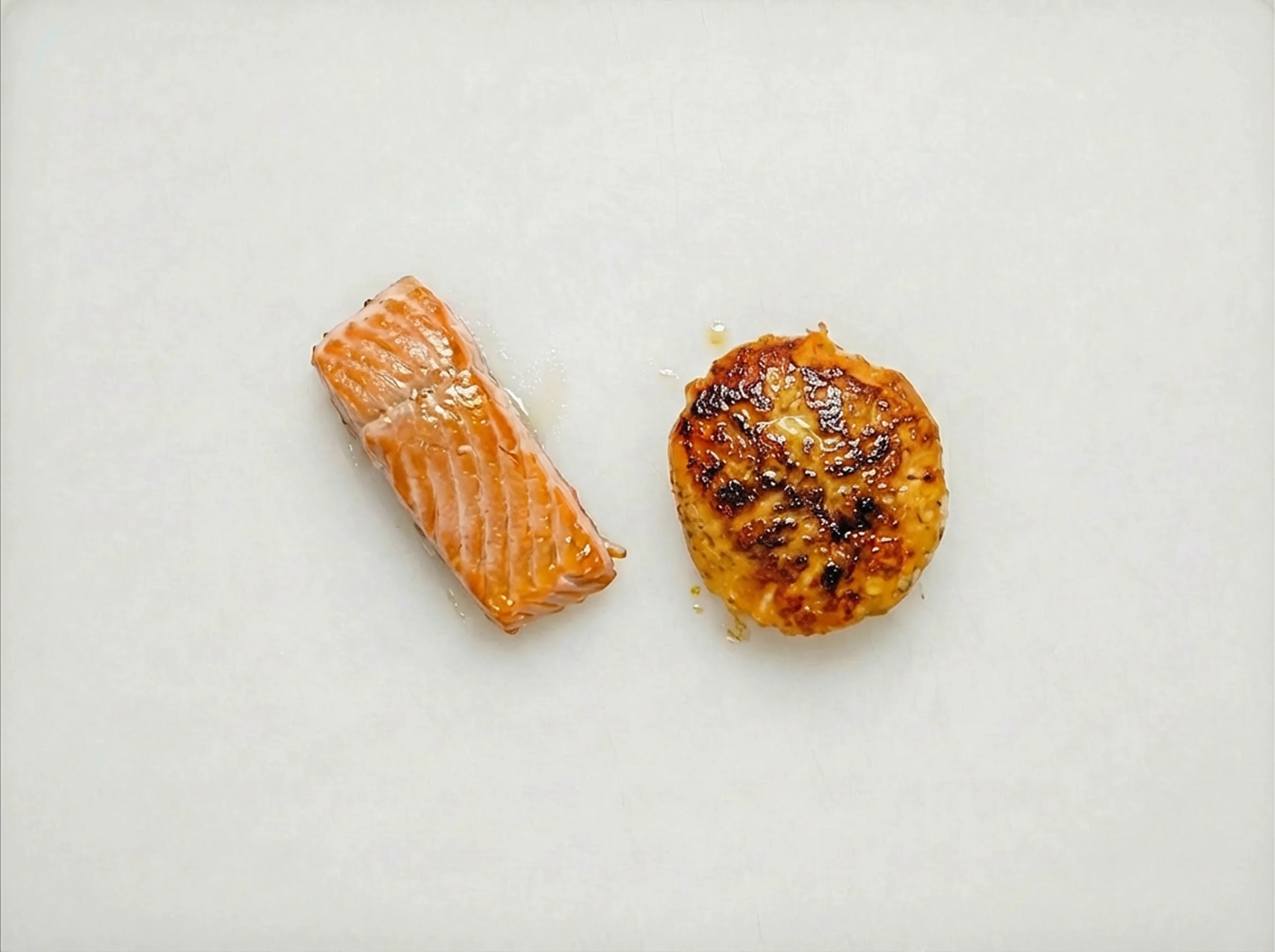
Arctic Char
Fish
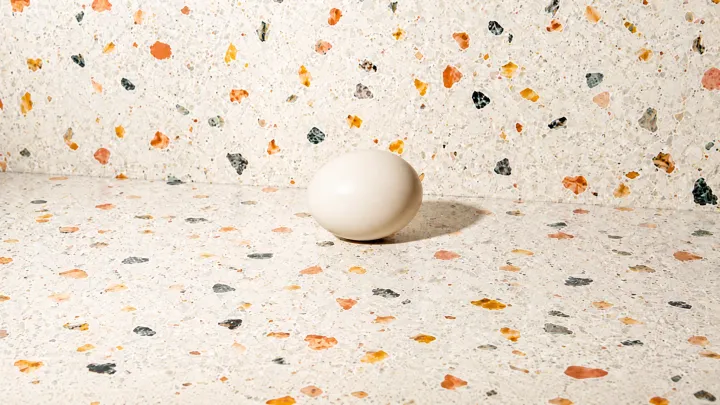
Duck Egg
Egg
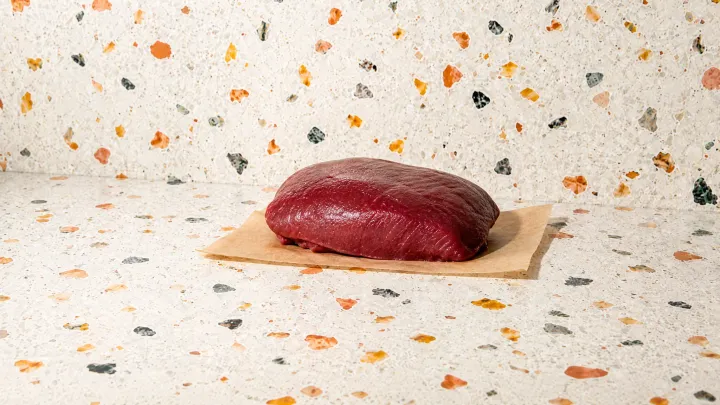
Ostrich
Meat
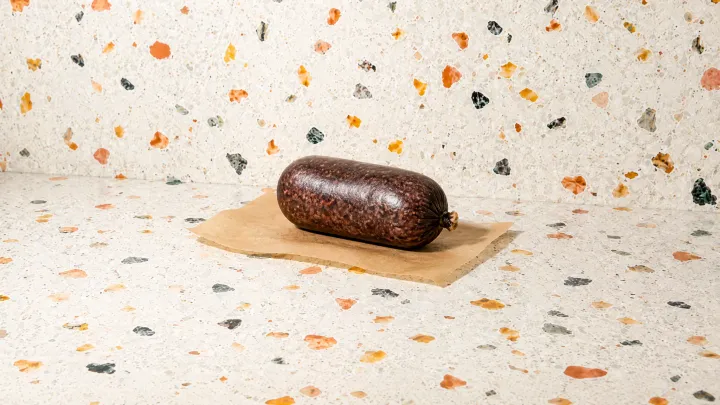
Blood Sausage
Meat
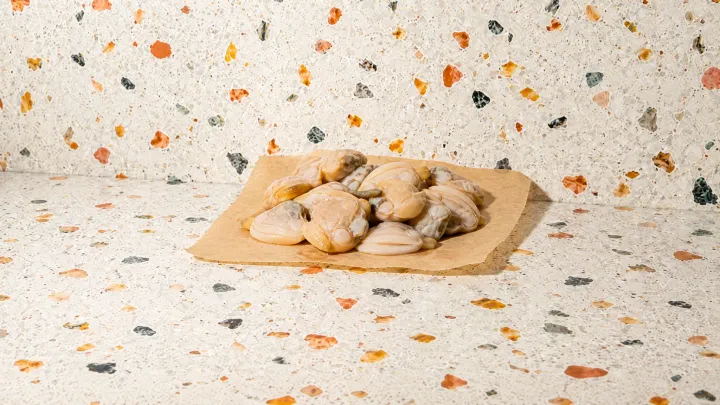
Clams
Shellfish
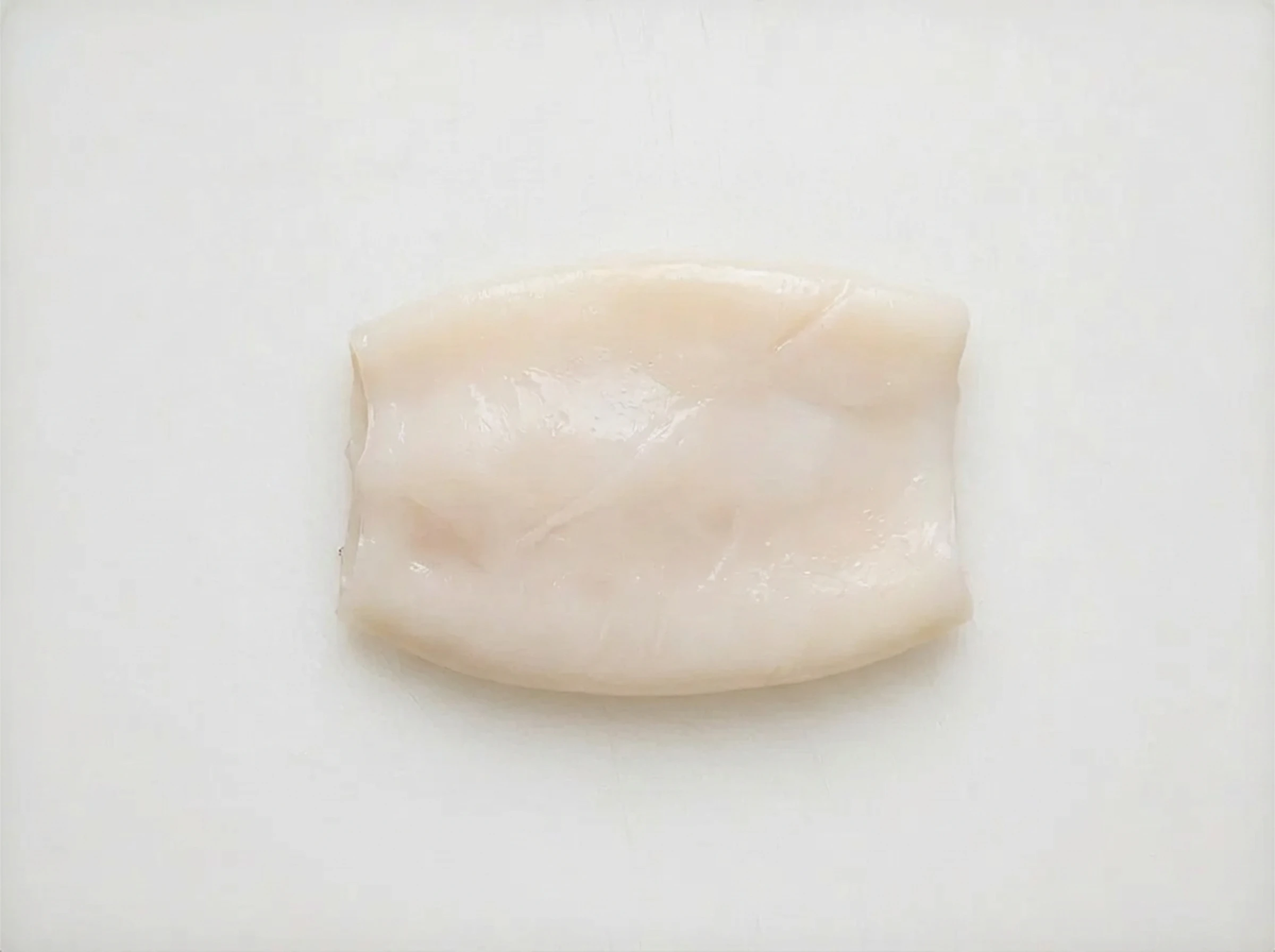
Squid
Shellfish
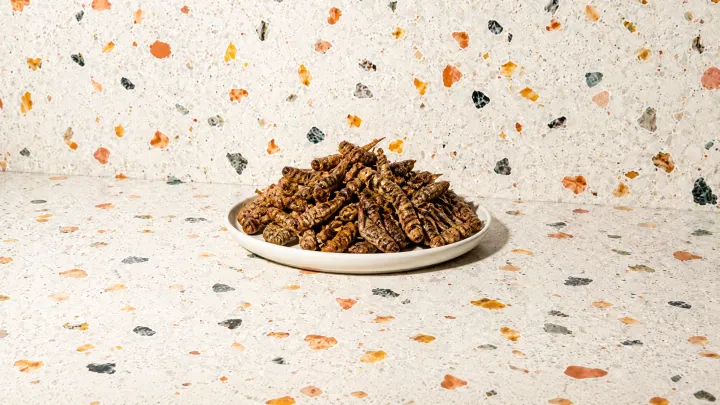
Grasshoppers
Insect
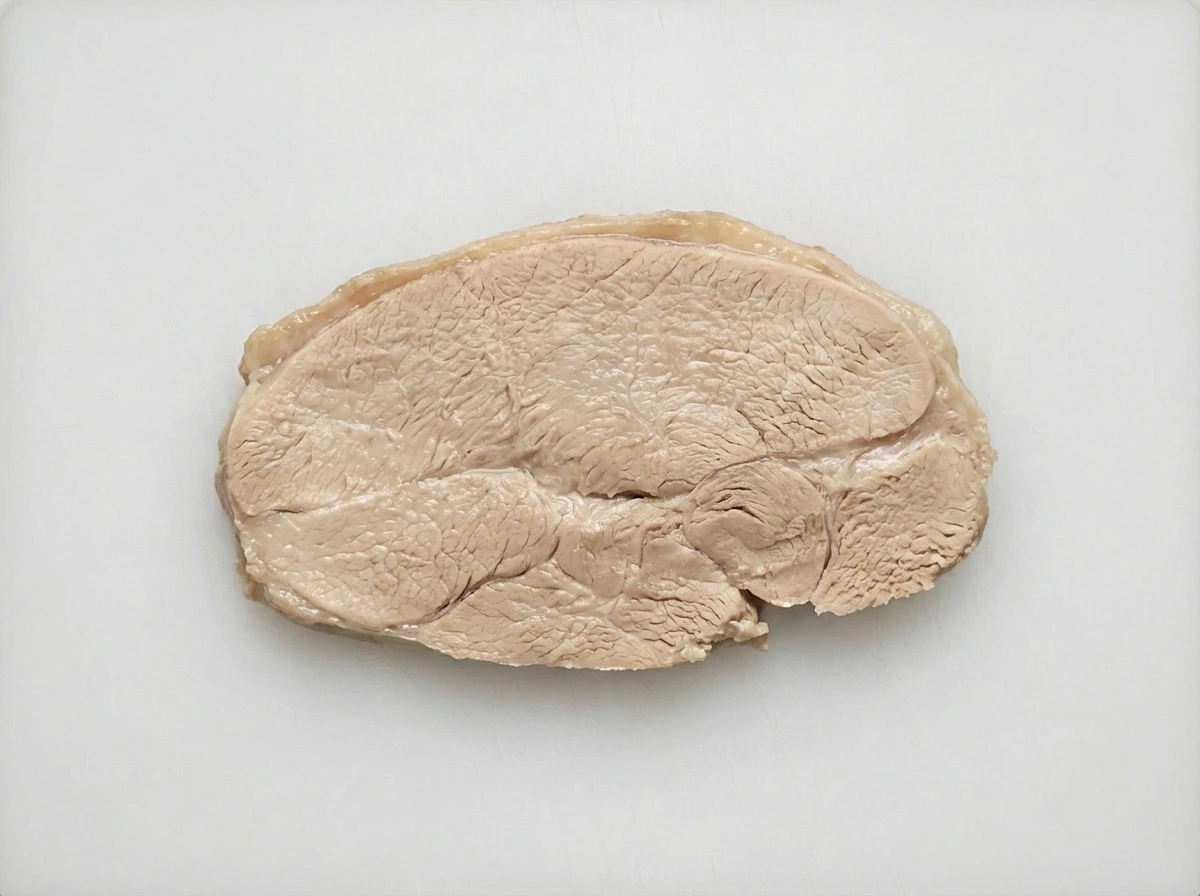
Goose
Meat
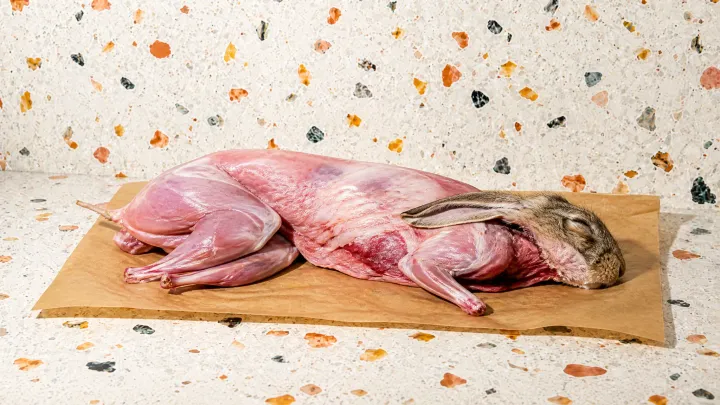
Hare
Meat
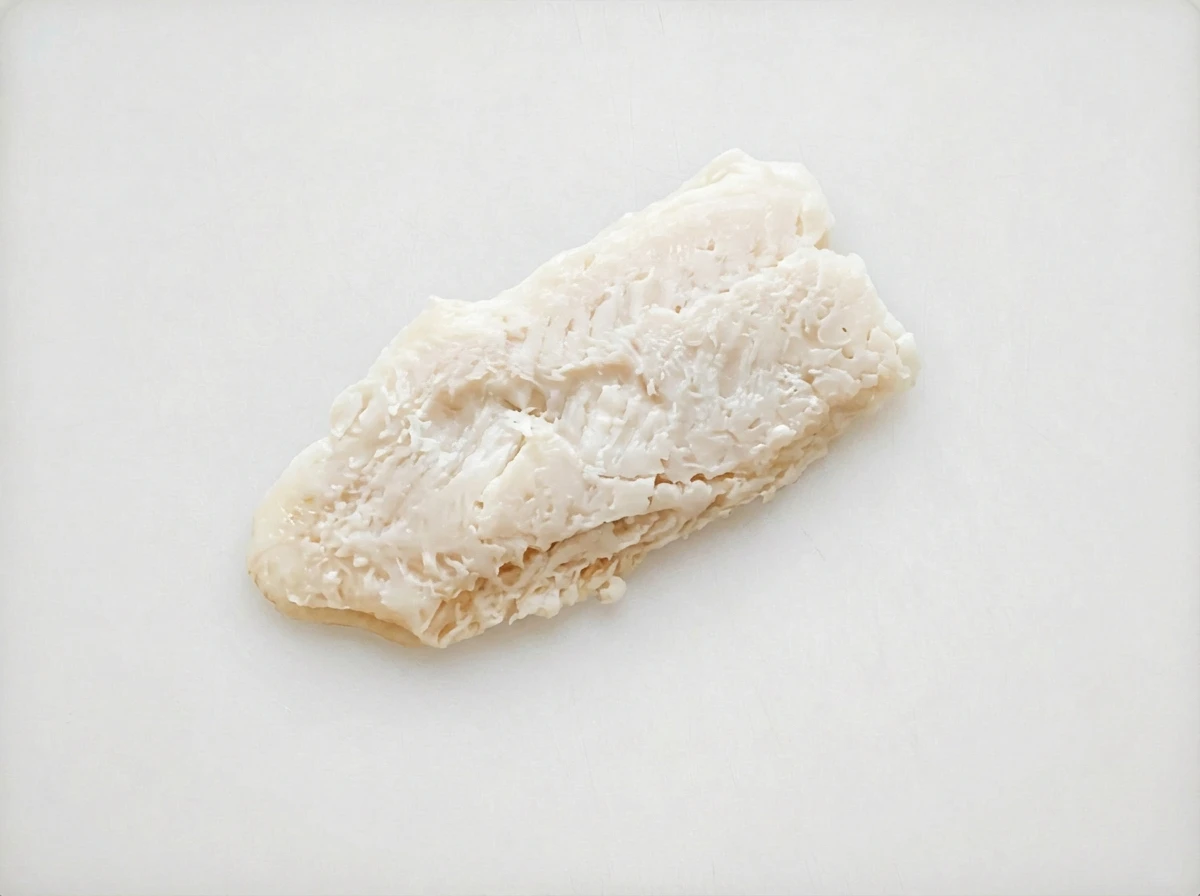
Plaice
Fish
Protein Safety Guide for Babies
Proteins can bring iron, zinc, fats, and common allergens. Search meat, fish, eggs, shellfish, and insect foods to check safe texture, cooking, allergen flags, and serving ideas.
How to serve proteins safely
- Cook animal proteins fully and remove bones, skin, shells, and tough pieces.
- Shred, mince, mash, or serve tender strips based on your baby's stage.
- Introduce common allergens in baby-safe forms and follow your clinician's advice for higher-risk babies.
What to watch for
Protein guides call out iron-rich options, dry or stringy textures, fish and shellfish allergy, egg allergy, mercury considerations, and choking-safe preparation.
Frequently Asked Questions
Why are protein foods important for babies?
Protein foods can provide iron, zinc, fat, and other nutrients that matter when babies start solids.
Can babies eat eggs?
Many babies can try fully cooked egg once they start solids, unless a clinician has told you to delay or introduce it under supervision.
Can babies eat fish?
Many low-mercury fish can work for babies when fully cooked, deboned, and served in a soft texture. Check each fish guide for details.
How should meat be served to babies?
Meat should be tender enough for your baby to manage. Shredded, minced, slow-cooked, or moist strips are often easier than dry chunks.