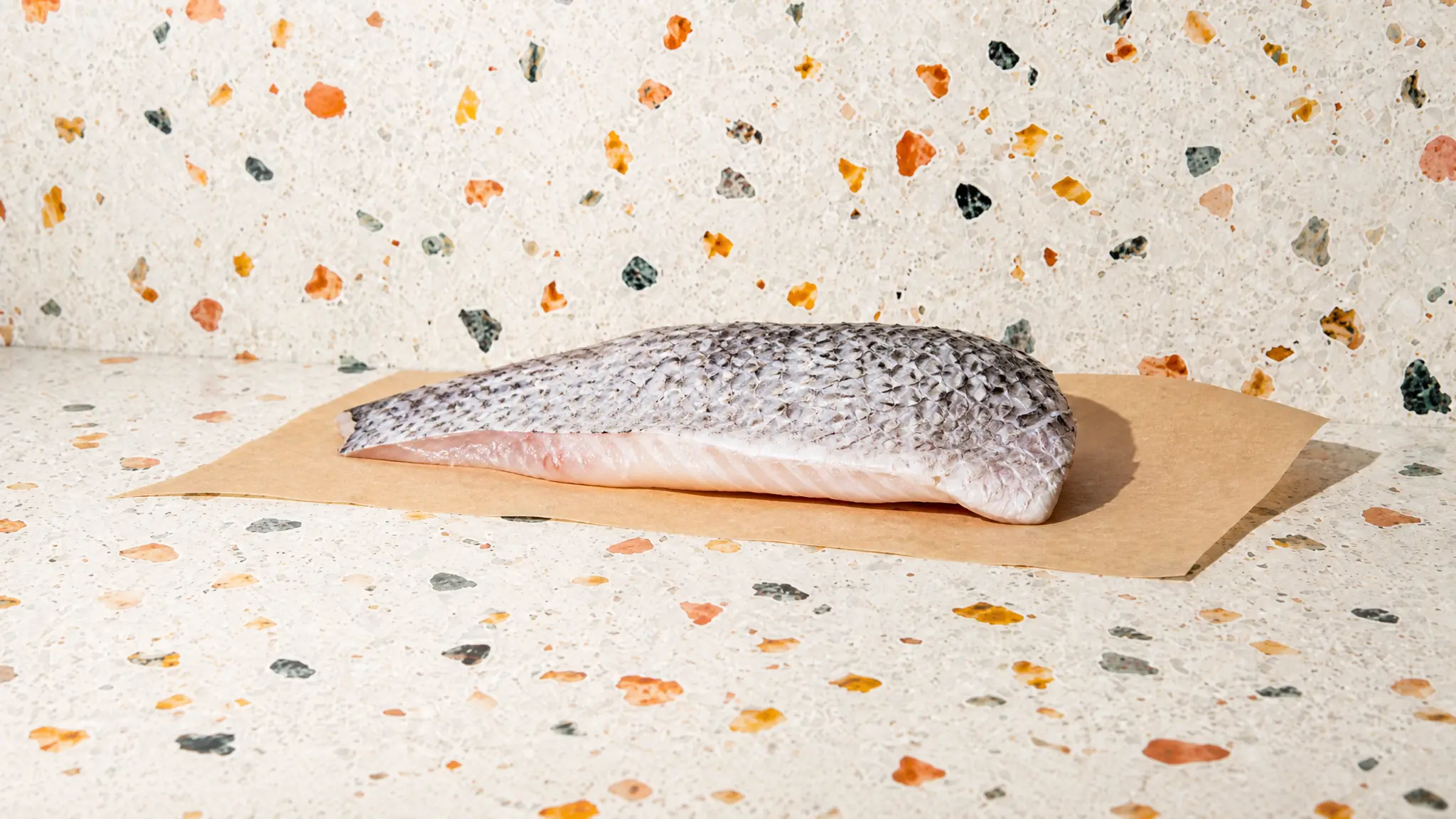
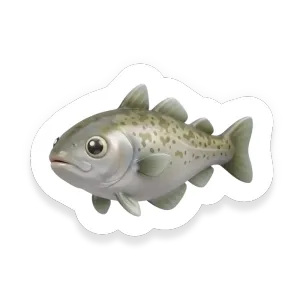
Tilapia
Fish
Last updated July 5, 2026. The Tummi Food Team maintains this Can I Feed This safety guide guide. Supporting links appear in Sources when available.



Clinically reviewed by Andria Procopio and Arefa Mohamed
Direct answer
Can babies eat Tilapia?
Yes, babies can eat cooked tilapia starting at 6 months, when they are ready to begin solids, ensuring it is well-cooked and flaked.
- Serve Age6+months
Most babies start solids around 6 months once they show readiness signs. Match the texture and serving size to your baby's skills.
- Allergens
Tilapia is flagged for fish. Introduce common allergens in a baby-safe form and follow your clinician's advice if your baby is higher risk.
- Choking Risk123451
Lower choking risk when served in the right texture. Always supervise meals and adjust the shape for your baby.
This guide is for everyday food prep questions. Ask your pediatrician about medical concerns, feeding delays, allergy plans, or serious reactions.
How Do You Serve Tilapia?
How to serve Tilapia to babies 6 months and older
- 1Cook tilapia until fully opaque and it flakes easily; remove all bones before serving.
- 2Cut into strips about the width of two adult fingers so baby can grasp and gum the fish; expect them to mash it in their hands.
- 3Or flake the fish finely and mix into soft, scoopable foods like yogurt, hummus, or mashed vegetables to make swallowing easier.
- 4Serve on a non-slip surface and offer gentle hand-over-hand support or a small spoon if baby needs help learning to self-feed.
How to serve Tilapia to babies 9 months and older
- 1Remove all bones and skin, then flake or slice into soft, bite-sized pieces that are easy for baby to pick up and chew.
- 2Cook thoroughly (steam, bake, or poach) until the fish is opaque and tender; check for tiny bones before serving.
- 3Offer as thin strips, small flakes mixed into porridge, or blended into dips and soft grains to encourage self-feeding and varied textures.
- 4Serve plain without added salt or sugar and introduce on its own at first; watch for reactions for several hours.
How to serve Tilapia to babies 12 months and older
- 1Cook the tilapia until it is opaque and flakes easily (about 145°F / 63°C if using a thermometer); check carefully and remove any bones before serving.
- 2Flake into small, fork-sized pieces or mash lightly so pieces are easy to pick up with utensils; offer single pieces for finger feeding or a small pile for practicing a fork.
- 3Try simple preparations like homemade fish cakes, flaked tilapia on toast, or plain pieces mixed with a little mayo or tahini for moisture and flavor.
- 4Start with small portions and supervise every bite; increase portion size and coarser textures gradually as chewing and utensil skills improve.
Is Tilapia a Common Allergen?
Tilapia is a finned fish and a known common allergen; if a child has a fish allergy they should avoid tilapia and other finned fish. Allergic reactions can be immediate and severe (including anaphylaxis), so even small amounts or cross-contact at restaurants and in processed foods are risky. Check labels (the species is often declared) and ask about preparation to avoid cross-contact; speak with an allergist and carry/know how to use emergency epinephrine if prescribed.
Is Tilapia a Choking Hazard?
Low Choking Risk
Tilapia isn’t a common choking hazard, but bones in fresh fish can pose a risk if they’re not fully removed. Carefully check for and pick out any lingering bones and stay within arm’s reach during meals so you can intervene quickly if needed. Gagging can be normal and protective, but be ready to respond and seek help if a true choking event occurs.
Have More Questions?
Yes. Tilapia can be stored in an airtight container in the refrigerator for up to 2 days or frozen for up to 3 months, which is suitable for making baby meals in advance.
It depends. Freezing pureed tilapia works well, but for cooked whole fish, ensure it is thoroughly cooled and stored in a freezer-safe container to maintain quality.
Yes. Organic tilapia is produced without synthetic pesticides or fertilizers, making it a preferable choice for baby food when available and within budget.
It depends. Combining tilapia with vegetables or grains can provide a balanced meal for your baby, but introduce new ingredients separately to monitor for reactions.
It depends. Typical portion sizes for babies are about 1 to 2 ounces of fish per serving, served 1 to 2 times per week, depending on the baby's age and appetite.
Save Tilapia to your food log
Track foods, reactions, and prep notes in Tummi when you want to keep your baby's feeding history in one place.
Sources
- Environmental mercury and its toxic effects (Rice et al., 2014) doi.org
- Fish and shellfish allergy in children: Review of a persistent food allergy (Tsabouri et al., 2012) doi.org
- Prevalence of fish and shellfish allergy: A systematic review (Moonesinghe et al., 2016) doi.org
- Sensitization to inhalant allergens in children diagnosed with food hypersensitivity (Crespo et al., 1995) doi.org
- Allergic reactions to foods by inhalation (James & Crespo, 2007) doi.org
- Meat, dairy and plant proteins alter bacterial composition of rat gut bacteria (Zhu et al., 2015) doi.org
- Probiotic Species in the Modulation of Gut Microbiota: An Overview (Azad et al., 2018) doi.org
What Other Fish Can Babies Eat?
See all →

Source-Linked Guidance
See the evidence behind the guide.
Food guides show direct links to public-health guidance and research when supporting references are available. Source inclusion does not imply endorsement.
 Centers for Disease Control and Prevention
Developmental milestones, nutrition guidelines, and allergen introduction timelines.
 American Academy of Pediatrics
Evidence-based feeding recommendations from the leading pediatric authority.
 National Institutes of Health
Peer-reviewed research on infant nutrition, allergies, and food safety.