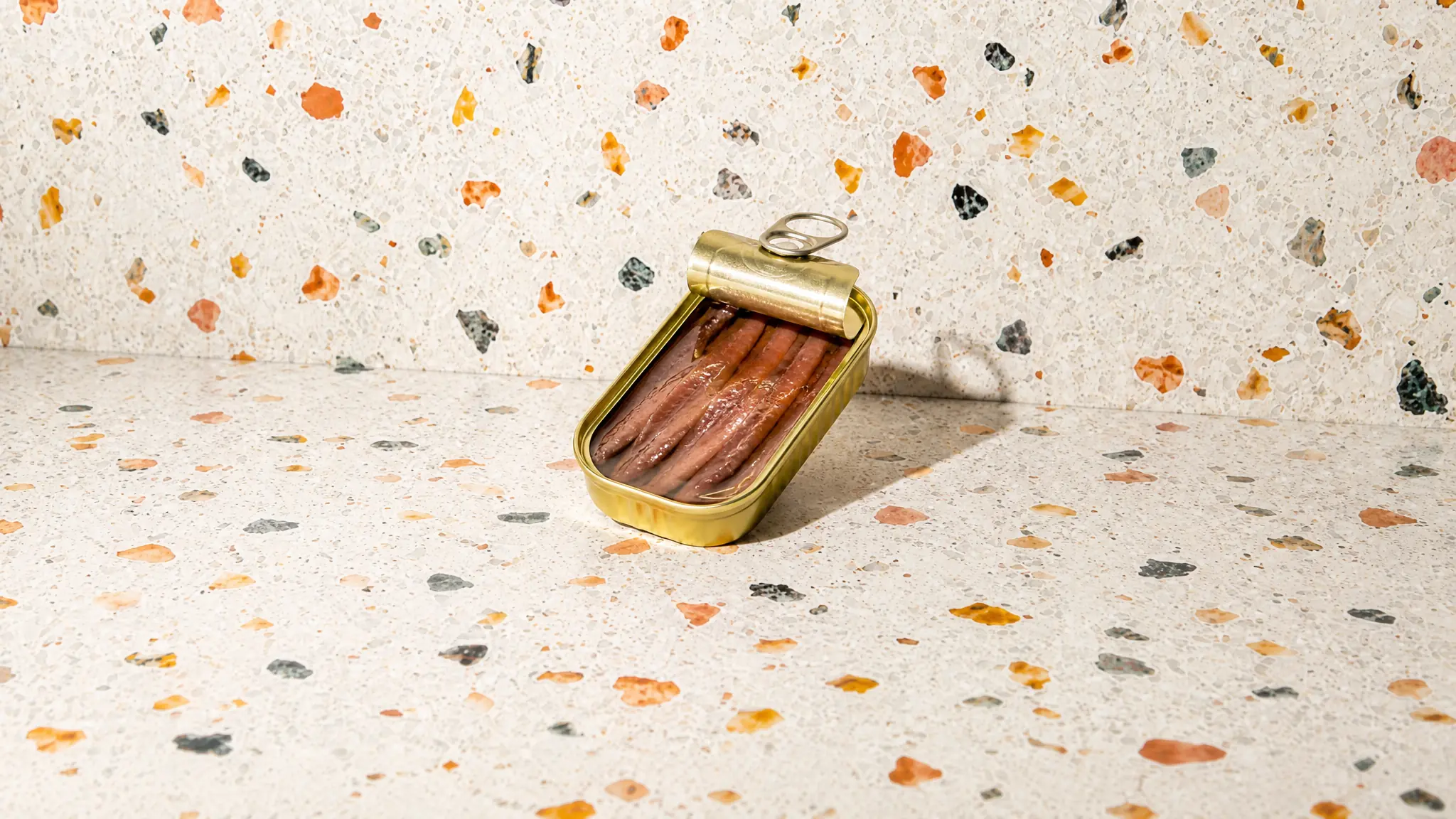
Anchovy
Fish
Last updated July 5, 2026. The Tummi Food Team maintains this Can I Feed This safety guide guide. Supporting links appear in Sources when available.



Clinically reviewed by Andria Procopio and Arefa Mohamed
Direct answer
Can babies eat Anchovy?
Yes, cooked anchovies may be introduced around 6 months when baby is ready for solids, offering low mercury, nutrient-rich fish in age-appropriate preparations.
- Serve Age6+months
Most babies start solids around 6 months once they show readiness signs. Match the texture and serving size to your baby's skills.
- Allergens
Anchovy is flagged for fish. Introduce common allergens in a baby-safe form and follow your clinician's advice if your baby is higher risk.
- Choking Risk123451
Lower choking risk when served in the right texture. Always supervise meals and adjust the shape for your baby.
This guide is for everyday food prep questions. Ask your pediatrician about medical concerns, feeding delays, allergy plans, or serious reactions.
How Do You Serve Anchovy?
How to serve Anchovy to babies 6 months and older
- 1Cook anchovy until opaque and flaky; remove every bone and discard before serving.
- 2Flake or finely mash the fillet into very soft, small pieces and mix with grains, cooked vegetables, or plain yogurt to create an easy-to-swallow texture.
- 3Use fresh anchovy or a no-salt-added option; if using canned, rinse well to reduce sodium and avoid added salt in the baby's portion.
- 4Offer a small taste first and wait 2–3 days to watch for any allergic reaction; always supervise during feeding.
- 5Store leftovers in the refrigerator and use within 24 hours, reheating until steaming hot before cooling to a safe eating temperature.
How to serve Anchovy to babies 12 months and older
- 1Drain and rinse canned anchovies to reduce excess salt and oil, then flake and remove any visible tiny bones.
- 2Cut into small, bite-sized pieces (about pea-sized) to support self-feeding and pincer-grasp practice.
- 3Mix into soft foods like mashed potato, pasta, or roasted vegetables to add flavor and healthy fats without changing texture.
- 4Always check that pieces are soft and easy to mash with gums, remove any hard or sharp fragments, and supervise during eating.
How to serve Anchovy to babies 18 months and older
- 1Serve anchovies mixed into family dishes (pasta, sauces, pizza) and flake or chop them finely so they’re easy to chew and swallow.
- 2Remove any large bones and check for small bones before serving to reduce choking risk.
- 3Offer anchovies as part of the same meals the family eats rather than as a separate "baby food," and supervise your child while they eat.
- 4When introducing or reintroducing finned fish, give a small portion and watch for allergic reactions for a couple of days; seek medical advice if you see hives, swelling, vomiting, difficulty breathing, or severe rash.
Is Anchovy a Common Allergen?
Anchovies are a fish and a known fish allergen—avoid them for any child with a fish allergy. They appear whole, as fillets or mashed into anchovy paste and are commonly used in sauces (e.g., Caesar dressing, Worcestershire), so always check labels and restaurant ingredients for hidden anchovy. Anchovies are often cured/salted and packed in oil; cured fish can have higher histamine (scombroid) levels and are high in sodium. Processing and packaging can cause cross-contact with other seafood.
Is Anchovy a Choking Hazard?
Very Low Choking Risk
Anchovies generally present a low choking risk when canned or well-cooked because the canning/cooking process softens bones, but bones in freshly cooked anchovies can pose a higher risk. Any food can cause choking, so stay within arm’s reach during meals and be prepared to respond if your child gags or shows signs of choking. Learn infant choking first-aid and be extra vigilant when offering any fish with small bones.
Have More Questions?
Yes. Anchovies, when cooked, can be introduced around 6 months of age as part of a balanced diet, considering they are low in mercury and provide essential nutrients.
Yes. Anchovies are a healthy addition for babies as they are rich in omega-3s, iron, and other nutrients that support growth and brain development.
Yes. Finned fish like anchovies are common allergens, so introduce cautiously and observe for any allergic reactions, especially if there's a family history of allergies.
No. Properly prepared anchovies, especially canned ones with softened bones, pose a low choking risk when served appropriately for a baby's age and eating skills.
None. You can serve anchovies on a baby’s tray or plate, using fingers or a spoon, depending on their developmental stage and comfort with utensils.
Save Anchovy to your food log
Track foods, reactions, and prep notes in Tummi when you want to keep your baby's feeding history in one place.
Sources
- EDF Seafood Selector — Pocket Seafood Selector (Anchovy) edf.org
- U.S. Food & Drug Administration — FDA Issues Revised 'Advice about Eating Fish' (July 2019) fda.gov
- U.S. Food & Drug Administration — Mercury Levels in Commercial Fish and Shellfish (1990-2012) downloads.regulations.gov
- Kuratko et al. (2013) — The Relationship of Docosahexaenoic Acid (DHA) with Learning and Behavior in Healthy Children (Nutrients) mdpi.com
- Food Allergy Research & Education — Fish (Fish allergy) foodallergy.org
- U.S. Food & Drug Administration — Fish and Fishery Products Hazards and Controls (includes scombrotoxin guidance) fda.gov
What Other Fish Can Babies Eat?
See all →
Source-Linked Guidance
See the evidence behind the guide.
Food guides show direct links to public-health guidance and research when supporting references are available. Source inclusion does not imply endorsement.
 Centers for Disease Control and Prevention
Developmental milestones, nutrition guidelines, and allergen introduction timelines.
 American Academy of Pediatrics
Evidence-based feeding recommendations from the leading pediatric authority.
 National Institutes of Health
Peer-reviewed research on infant nutrition, allergies, and food safety.