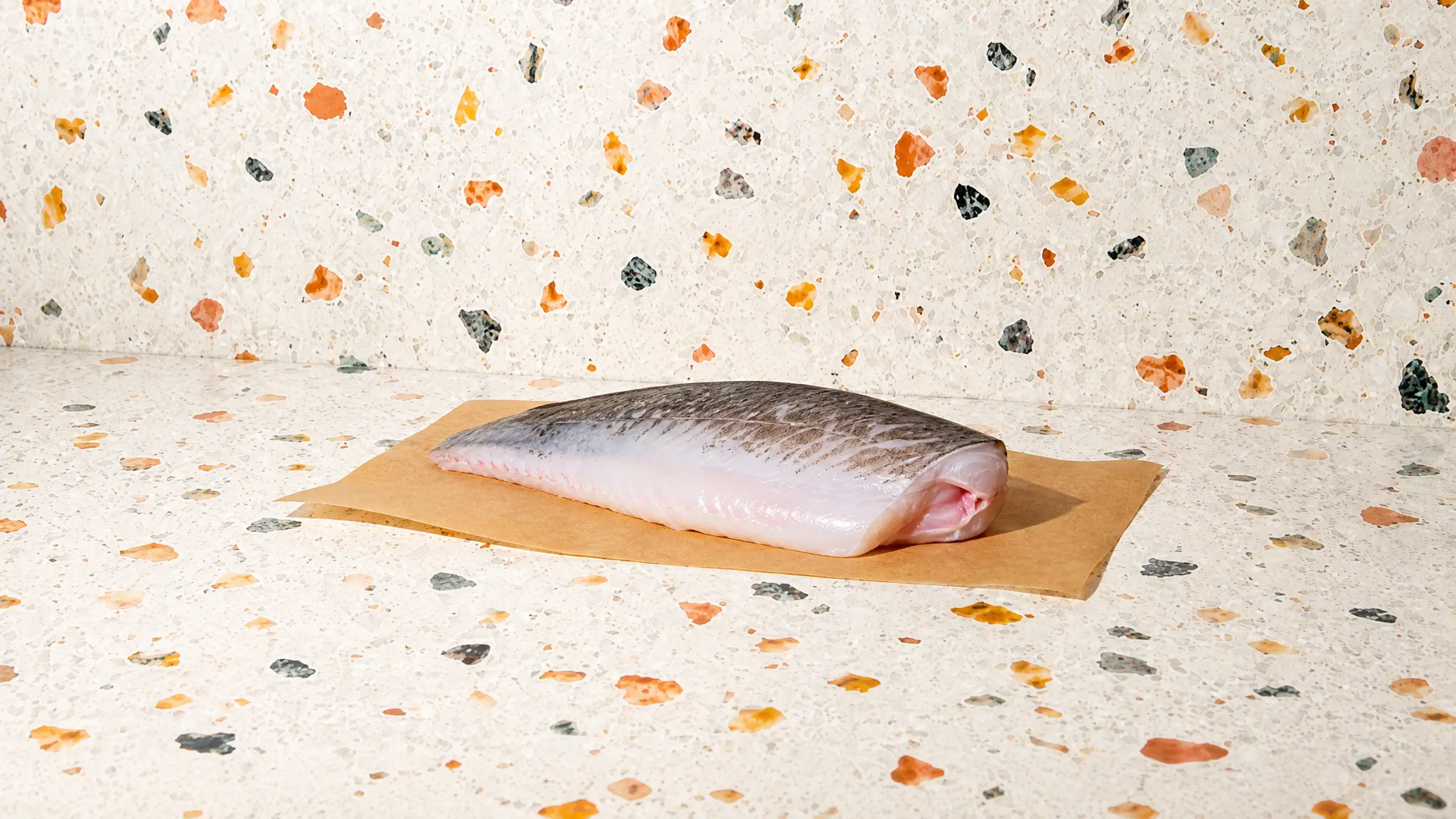
Catfish
Fish
Last updated July 5, 2026. The Tummi Food Team maintains this Can I Feed This safety guide guide. Supporting links appear in Sources when available.



Clinically reviewed by Andria Procopio and Arefa Mohamed
Direct answer
Can babies eat Catfish?
Yes, babies can eat cooked, boneless, and skinless catfish from around 6 months, when they start solids.
- Serve Age6+months
Most babies start solids around 6 months once they show readiness signs. Match the texture and serving size to your baby's skills.
- Allergens
Catfish is flagged for fish. Introduce common allergens in a baby-safe form and follow your clinician's advice if your baby is higher risk.
- Choking Risk123451
Lower choking risk when served in the right texture. Always supervise meals and adjust the shape for your baby.
This guide is for everyday food prep questions. Ask your pediatrician about medical concerns, feeding delays, allergy plans, or serious reactions.
How Do You Serve Catfish?
How to serve Catfish to babies 6 months and older
- 1Slice a thin, deboned fillet roughly the width of two adult pinky fingers side-by-side so it's easy to grasp.
- 2Remove the skin and all bones by running your finger along the fillet; use clean tweezers to pull out any small bones.
- 3Cook thoroughly until the flesh is soft and flakes easily, then serve as small flakes in a suction bowl or as short, easy-to-hold strips sized so the child can bring them to the mouth without choking risk.
- 4Offer modest portions for first meals, check the temperature, avoid added salt or honey, and watch closely for any allergic reaction.
How to serve Catfish to babies 9 months and older
- 1Cut cooked catfish into small, bite-sized pieces (about 1–2 cm) or flake into soft shreds; remove all bones and skin before serving.
- 2Make small patties (fish cakes) by mixing flaked fish with a mild binder like mashed potato, plain breadcrumbs or a little egg to hold shape; pan-fry or bake until cooked through for an easy handheld option.
- 3Offer strips or patties sized for your child's grip to encourage independent feeding, keeping the texture soft and easy to mash with gums.
- 4Let food cool to lukewarm, always supervise eating, and watch closely for any allergic reactions when trying new preparations.
How to serve Catfish to babies 12 months and older
- 1Flake cooked catfish into small, even pieces or form thin patties to reduce choking risk.
- 2Mix a small amount into familiar foods like scrambled eggs or cooked grains to introduce new texture gradually.
- 3Remove all bones and tiny fragments before serving to ensure safety.
- 4Cut portions to match chewing ability and appetite, and supervise every bite to prevent choking.
- 5Offer an age-appropriate fork or spoon and model chewing and safe eating until they manage it independently.
Is Catfish a Common Allergen?
Catfish contains fish allergens (the major allergen parvalbumin) and can trigger reactions in people with fish allergy. People allergic to one finned fish commonly react to others, so those with a fish allergy should avoid all fish (including catfish) and be cautious about cross-contact and cooking vapors. Check labels and discuss concerns with your child's allergist for personalized guidance.
Is Catfish a Choking Hazard?
Very Low Choking Risk
Catfish flesh is generally not a major choking hazard, but small bones can be dangerous—carefully check for and remove any bones before offering it to your baby. Always supervise your baby during meals and be aware that gagging is common as they learn new textures; know basic infant choking first aid and have an emergency plan. If you’re unsure about bones or texture, consult your pediatrician.
Have More Questions?
Yes. When cooked thoroughly and served in small, manageable pieces, catfish can be a safe and healthy protein option for babies starting at around 6 months.
It depends. The health benefits of catfish come from North American farm-raised or Chesapeake Bay catch; always ensure it is sourced responsibly to avoid contaminants.
Yes. Fish bones are a choking hazard, so they must be carefully removed, and the fish should be cut into age-appropriate pieces before feeding your baby.
It depends. Some babies may have a fish allergy, so consult with your pediatrician beforehand and introduce fish gradually while monitoring for reactions.
Yes. You can store cooked catfish in the refrigerator for up to 3 days or freeze portions for longer storage, making it convenient for future meals.
Save Catfish to your food log
Track foods, reactions, and prep notes in Tummi when you want to keep your baby's feeding history in one place.
Sources
- Hunt for the big fish becomes a race - The New York Times nytimes.com
- What's the dish on farm-raised catfish? - Grist grist.org
- Mercury Levels in Commercial Fish and Shellfish (1990-2012) - FDA fda.gov
- The great catfish war rages on - The World (PRX) theworld.org
- Catfish - Monterey Bay Aquarium Seafood Watch seafoodwatch.org
- Fish: A Top 9 Food Allergen - Food Allergy & Anaphylaxis Connection Team (FAACT) foodallergyawareness.org
What Other Fish Can Babies Eat?
See all →

Source-Linked Guidance
See the evidence behind the guide.
Food guides show direct links to public-health guidance and research when supporting references are available. Source inclusion does not imply endorsement.
 Centers for Disease Control and Prevention
Developmental milestones, nutrition guidelines, and allergen introduction timelines.
 American Academy of Pediatrics
Evidence-based feeding recommendations from the leading pediatric authority.
 National Institutes of Health
Peer-reviewed research on infant nutrition, allergies, and food safety.