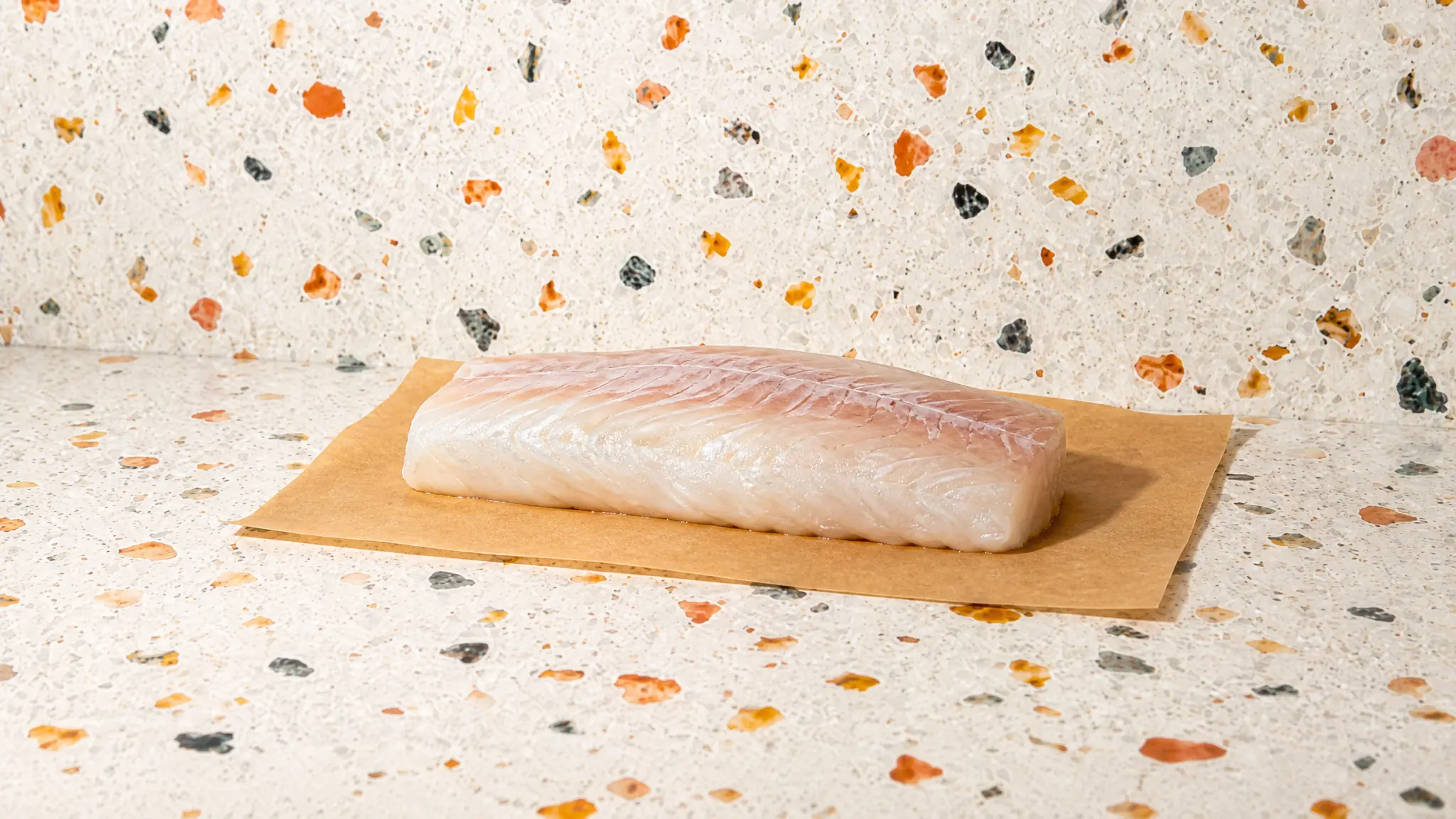
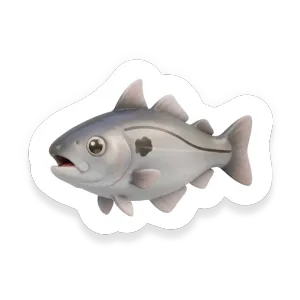
Haddock
Fish
Last updated July 5, 2026. The Tummi Food Team maintains this Can I Feed This safety guide guide. Supporting links appear in Sources when available.



Clinically reviewed by Andria Procopio and Arefa Mohamed
Direct answer
Can babies eat Haddock?
Yes, babies can eat haddock starting at around 6 months, when they are ready to begin solids, ensuring it is thoroughly cooked and mashed.
- Serve Age6+months
Most babies start solids around 6 months once they show readiness signs. Match the texture and serving size to your baby's skills.
- Allergens
Haddock is flagged for fish. Introduce common allergens in a baby-safe form and follow your clinician's advice if your baby is higher risk.
- Choking Risk123451
Lower choking risk when served in the right texture. Always supervise meals and adjust the shape for your baby.
This guide is for everyday food prep questions. Ask your pediatrician about medical concerns, feeding delays, allergy plans, or serious reactions.
How Do You Serve Haddock?
How to serve Haddock to babies 6 months and older
- 1Cook haddock until opaque and flaky—bake, steam, or poach to keep it moist and easy to handle.
- 2Remove all bones and skin. Tiny bones can be missed, so flake the fish with a fork and carefully scan with your fingers before serving.
- 3For self-feeding, cut cooked fish into thick, soft strips about the width and length of two adult pinky fingers placed side-by-side so baby can grasp and mash with their gums.
- 4For spoon or fork feeding, flake fish finely and mix with mashed avocado, plain yogurt, or a little olive oil to moisten; serve on a pre-loaded spoon or age-appropriate fork and always stay within arm’s reach during meals.
How to serve Haddock to babies 12 months and older
- 1Flake or mash fully cooked haddock and mix into soft grains (rice, couscous, or porridge) or mashed vegetables for easy swallowing.
- 2Pile light flakes on buttered toast or shape into small, soft fish cakes for finger‑food practice so your child can practise self-feeding.
- 3Offer plain flakes with a small dab of mayo or tahini for fork practice; serve in small portions and supervise closely to reduce choking risk.
- 4Always check carefully and remove any bones before serving, keep portions moderate, and avoid smoked or very salty preparations — use them sparingly because of high sodium.
Is Haddock a Common Allergen?
Haddock is a white fish and a common fish allergen — avoid if your child has a fish allergy. Be aware of cross-contact with other seafood, shared utensils, or frying equipment, and check ingredient labels for fish or fish-based stocks in processed foods. Also watch for small bones in fillets and introduce carefully if this is your child's first exposure.
Is Haddock a Choking Hazard?
Very Low Choking Risk
Haddock isn’t generally a common choking hazard, but bones in fresh fish can pose a risk if they aren’t fully removed. Pick out any lingering bones and stay within an arm’s reach during meals, maintaining a calm, distraction‑free eating environment. If baby gags or coughs repeatedly or seems to be struggling to breathe, follow age‑appropriate first‑aid steps and seek emergency help if the airway appears blocked.
Have More Questions?
It depends. Haddock can be stored in the refrigerator for up to 1-2 days or frozen for longer storage; ensure it's properly wrapped to prevent spoilage.
It depends. Freezing pureed haddock is safe and keeps its nutrients; use airtight containers and consume within 1-3 months for best quality.
It depends. Many parents choose organic haddock to reduce exposure to pesticides and contaminants, though both organic and conventional can be healthy options for babies.
It depends. Combining haddock with gentle, baby-friendly foods like pureed vegetables can create balanced meals; avoid mixing with allergenic foods without guidance.
It depends. Appropriate portion sizes vary by age, but generally, a small piece or a few teaspoons of cooked haddock are suitable for a baby starting solids.
Save Haddock to your food log
Track foods, reactions, and prep notes in Tummi when you want to keep your baby's feeding history in one place.
Sources
- Environmental mercury and its toxic effects — Rice et al. (2014) doi.org
- New trends in the seafood market — Orban et al. (2008) doi.org
- Fish and shellfish allergy in children — Tsabouri et al. (2012) doi.org
- IgE-Mediated Fish Allergy in Children — Buyuktiryaki et al. (2021) doi.org
- Prevalence of fish and shellfish allergy — Moonesinghe et al. (2016) doi.org
- Sensitization to inhalant allergens in children — Crespo et al. (1995) doi.org
- Allergic reactions to foods by inhalation — James & Crespo (2007) doi.org
- Meat, dairy and plant proteins alter bacterial composition — Zhu et al. (2015) doi.org
- Probiotic Species in the Modulation of Gut Microbiota — Azad et al. (2018) doi.org
What Other Fish Can Babies Eat?
See all →
Source-Linked Guidance
See the evidence behind the guide.
Food guides show direct links to public-health guidance and research when supporting references are available. Source inclusion does not imply endorsement.
 Centers for Disease Control and Prevention
Developmental milestones, nutrition guidelines, and allergen introduction timelines.
 American Academy of Pediatrics
Evidence-based feeding recommendations from the leading pediatric authority.
 National Institutes of Health
Peer-reviewed research on infant nutrition, allergies, and food safety.