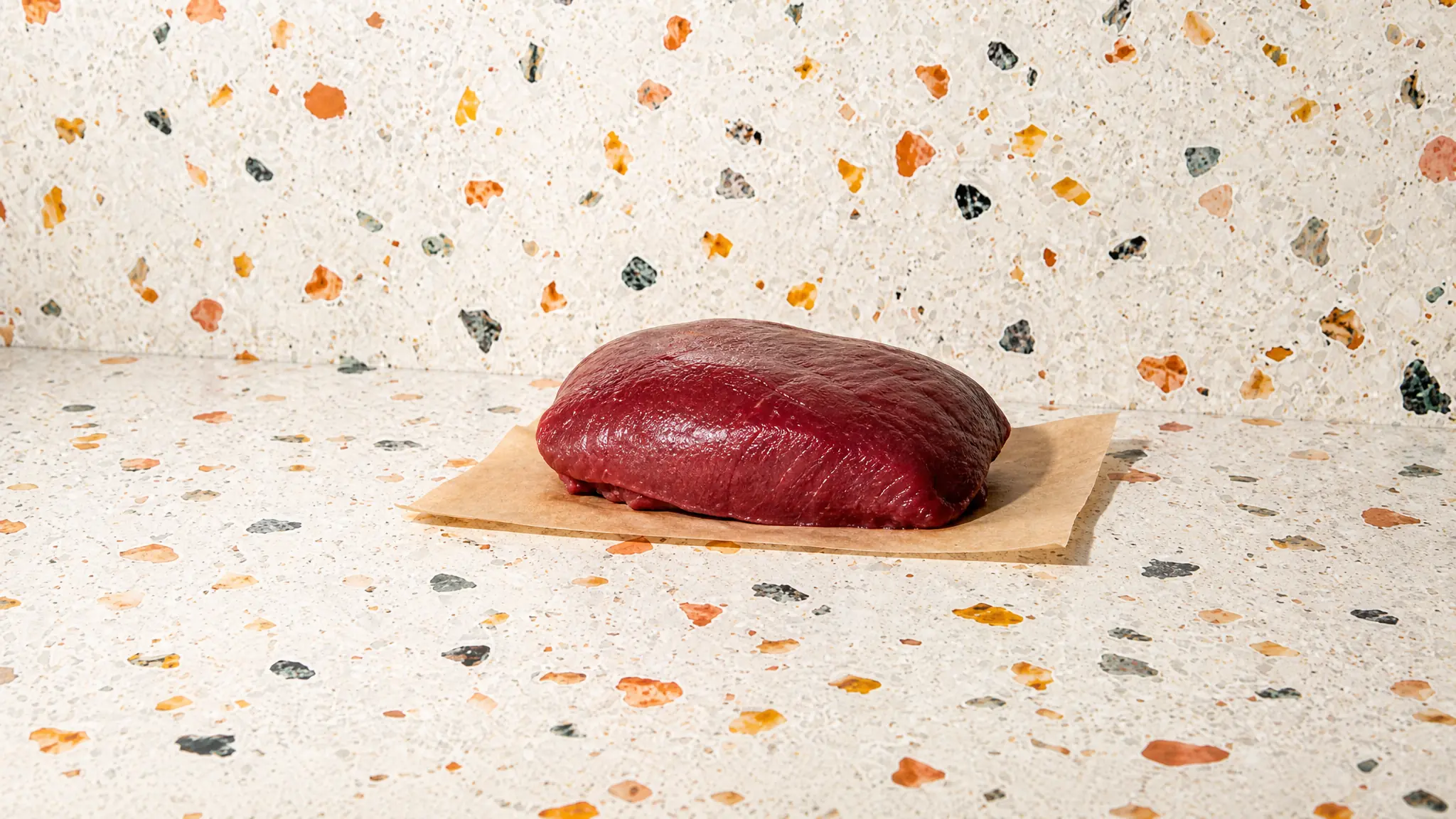
Ostrich
Meat
Last updated July 5, 2026. The Tummi Food Team maintains this Can I Feed This safety guide guide. Supporting links appear in Sources when available.



Clinically reviewed by Andria Procopio and Arefa Mohamed
Direct answer
Can babies eat Ostrich?
Yes, ostrich meat can be introduced to babies as early as 6 months, provided it's cooked thoroughly and served in small, manageable pieces.
- Serve Age6+months
Most babies start solids around 6 months once they show readiness signs. Match the texture and serving size to your baby's skills.
- No Allergens
Ostrich is not flagged as one of the major allergens tracked in this database. Still watch your baby closely when serving any new food.
- Choking Risk123451
Lower choking risk when served in the right texture. Always supervise meals and adjust the shape for your baby.
This guide is for everyday food prep questions. Ask your pediatrician about medical concerns, feeding delays, allergy plans, or serious reactions.
How Do You Serve Ostrich?
How to serve Ostrich to a 6-month-old baby
- 1Cook ostrich until well-done and tender, with no pink; cut into long strips about the length and width of two adult fingers pressed together.
- 2Remove all visible gristle, sinew, or tough connective tissue before serving to make chewing safer and easier.
- 3Offer a whole strip so the baby can hold, suck, and gnaw to access nutrients. Supervise closely and stay within arm’s reach while they eat.
- 4When the baby reliably tears off pieces, transition to ground patties or small, soft pieces to reduce choking risk.
How to serve Ostrich to a 8-month-old baby
- 1Cook and finely mince or grind ostrich until very soft, then form a small, soft patty that easily flattens between your fingers.
- 2Offer the patty with a spoonful of applesauce or plain full‑fat yogurt to add moisture and make swallowing easier.
- 3Shape into small, manageable pieces so your child can practice self‑feeding; expect gagging as part of learning — stay close and only intervene if there are clear signs of choking.
- 4Serve warm (not hot), ensure the meat is fully cooked, avoid added salt or sugar, check for allergies, and supervise every bite.
How to serve Ostrich to a 12-month-old baby
- 1Serve ground or minced ostrich fully cooked, formed as thin patties or crumbled into rice, lentils, or mashed vegetables so it’s easy to pick up and chew.
- 2Add a small amount of applesauce, plain yogurt, or mayonnaise to moisten and bind the meat. Aim for a soft, easily mashable texture.
- 3If the child chews well, swallows easily, and doesn't overfill their mouth, offer very small bite-sized pieces as finger food. Cut into thin strips or small, irregular pieces that are simpler to manage than cubes.
- 4Avoid round, hard, or large chunks that increase choking risk; always supervise meals and let the child eat at their own pace.
Is Ostrich a Common Allergen?
Ostrich meat is not a common food allergen and, as a bird (not a mammal), is generally safe for people with alpha‑gal (mammalian meat) allergy. However, allergic reactions to various meats including poultry have been reported, so someone with a known poultry or meat allergy could potentially react. Cross-contamination during preparation can also cause problems for highly allergic children. If your child has a history of severe food allergy, check with your allergist before offering ostrich.
Is Ostrich a Choking Hazard?
Low Choking Risk
Ostrich meat, like other meats, can pose a real choking risk for babies, so be vigilant whenever your child is eating it. Gagging is common as they learn to handle textures, but parents should be ready to act if a child chokes—know infant choking first aid and CPR. Always supervise mealtimes closely and avoid leaving babies unattended while they’re eating.
Have More Questions?
Yes, parents can store cooked ostrich meat in the refrigerator for up to 3 days or freeze it for longer storage, generally up to 6 months, in airtight containers or freezer bags.
Yes, you can freeze pureed ostrich meat in ice cube trays and transfer to freezer bags, making it easy to thaw small portions as needed for your baby's meals.
It depends; organic ostrich meat is produced without synthetic pesticides or fertilizers, but it can be more expensive and less available compared to conventional ostrich meat.
Yes, combining ostrich with gentle vegetables or grains can provide a balanced meal for your baby, introducing new flavors and nutrients safely.
It depends; typical portion sizes for babies vary, but approximately 1-2 ounces of cooked, finely chopped ostrich meat per serving is appropriate for most babies at around 6 months and older.
Save Ostrich to your food log
Track foods, reactions, and prep notes in Tummi when you want to keep your baby's feeding history in one place.
Sources
- Ostrich ... It's What's for Dinner - Modern Farmer modernfarmer.com
- Decades after it crashed, ostrich industry poised to take off as demand grows - Chicago Tribune chicagotribune.com
What Other Meat Can Babies Eat?
See all →

Source-Linked Guidance
See the evidence behind the guide.
Food guides show direct links to public-health guidance and research when supporting references are available. Source inclusion does not imply endorsement.
 Centers for Disease Control and Prevention
Developmental milestones, nutrition guidelines, and allergen introduction timelines.
 American Academy of Pediatrics
Evidence-based feeding recommendations from the leading pediatric authority.
 National Institutes of Health
Peer-reviewed research on infant nutrition, allergies, and food safety.