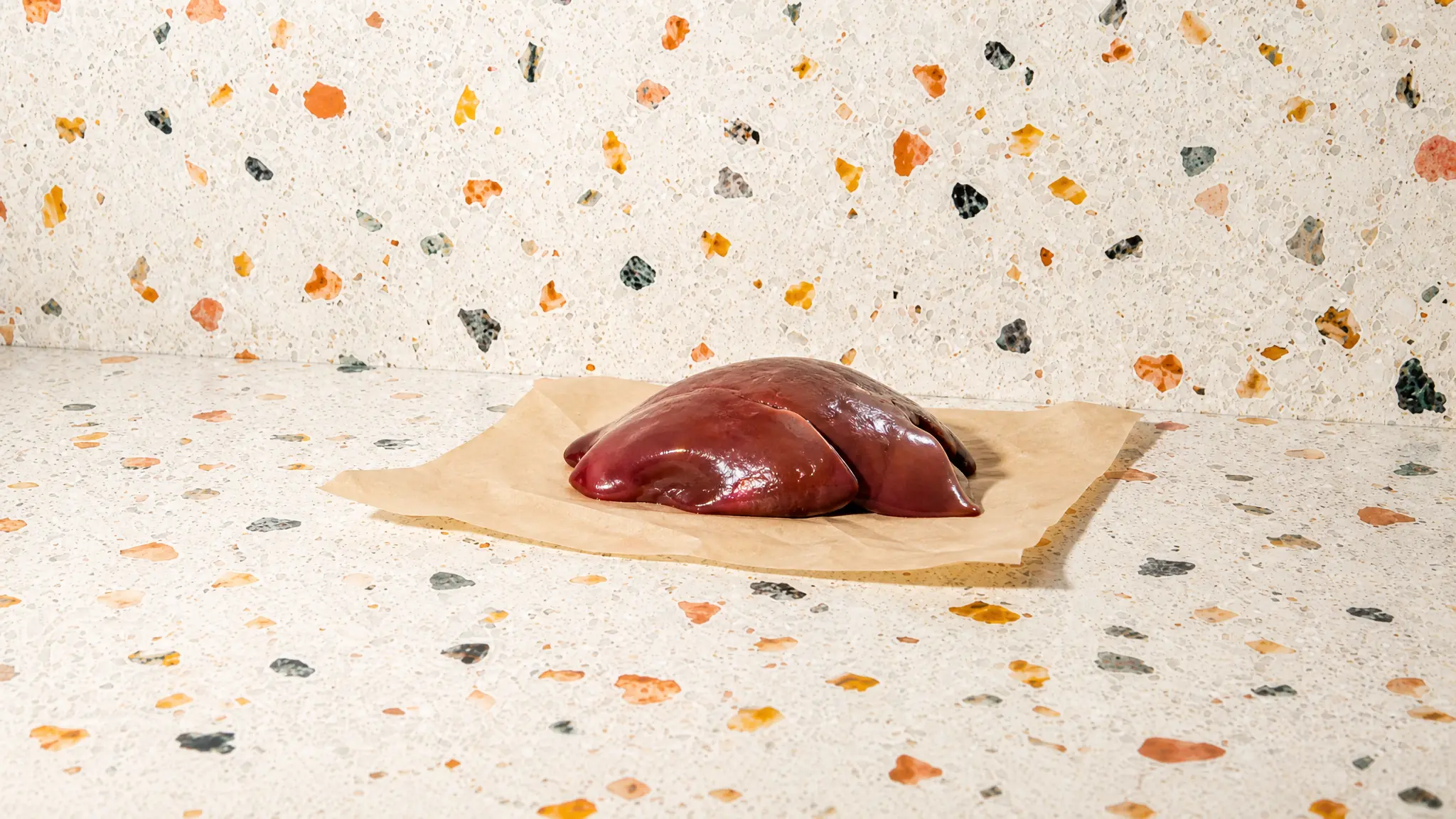
Chicken Liver
Meat
Last updated July 5, 2026. The Tummi Food Team maintains this Can I Feed This safety guide guide. Supporting links appear in Sources when available.



Clinically reviewed by Andria Procopio and Arefa Mohamed
Direct answer
Can babies eat Chicken Liver?
Yes, chicken liver can be introduced around 6 months when well-cooked, but limit to 1-2 tablespoons weekly due to high vitamin A levels.
- Serve Age6+months
Most babies start solids around 6 months once they show readiness signs. Match the texture and serving size to your baby's skills.
- No Allergens
Chicken Liver is not flagged as one of the major allergens tracked in this database. Still watch your baby closely when serving any new food.
- Choking Risk123451
Lower choking risk when served in the right texture. Always supervise meals and adjust the shape for your baby.
This guide is for everyday food prep questions. Ask your pediatrician about medical concerns, feeding delays, allergy plans, or serious reactions.
How Do You Serve Chicken Liver?
How to serve Chicken Liver to babies 6 months and older
- 1Cook chicken livers until steaming hot and no pink remains. Use a food thermometer to confirm 165°F (74°C), then let cool before serving.
- 2Puree or blend to a completely smooth pâté, thinning with breast milk, formula, or water if needed to remove any lumps or stringy bits.
- 3Offer on a pre-loaded spoon or spread a thin layer on soft toast strips, rice cakes, or a teething rusk to reduce choking risk.
- 4Start with about 1–2 teaspoons and, if tolerated, increase to 1–2 tablespoons; limit to once or twice per week to avoid excess vitamin A.
How to serve Chicken Liver to babies 9 months and older
- 1Cook chicken liver until fully done; cook thoroughly to an internal temperature of 165°F (74°C), then mash, puree, or thinly slice to the appropriate texture.
- 2Serve small portions — about 1–2 tablespoons per sitting — and limit offerings to once or twice weekly to manage vitamin A intake.
- 3For self-feeding, provide thin slices or soft bite-sized pieces as the pincer grasp develops; for earlier stages, spread smooth pâté on finger-friendly foods to reduce choking risk.
- 4Lightly season when introducing family spices, but no added salt and never give honey; refrigerate cooled leftovers promptly and use within 24–48 hours.
How to serve Chicken Liver to babies 12 months and older
- 1Choose fresh, high-quality chicken liver and trim away connective tissue; rinse briefly and pat dry to remove excess blood.
- 2Cook until fully done but still moist — no pink inside. Overcooking makes liver tough and harder to chew.
- 3Serve very small, soft pieces: slice or chop thinly, or mash into a smooth pâté and spread thinly on toast or a soft rice cake.
- 4Give a single small portion (about 1–2 tablespoons) and watch while eating to reduce choking risk.
- 5Limit servings to about once or twice per week to avoid excess vitamin A; refrigerate leftovers promptly and use within 24–48 hours.
Is Chicken Liver a Common Allergen?
Chicken liver itself is not a common “top 9” allergen, so most children will not be allergic, but rare poultry allergies can occur. Check preparation ingredients—many recipes use butter/cream (dairy), flour (gluten), soy, or nuts—so verify ingredients if your child has those allergies. Make sure liver is fully cooked to reduce risk of foodborne illness. Limit portions for infants and pregnant people because liver is very high in vitamin A.
Is Chicken Liver a Choking Hazard?
Very Low Choking Risk
Chicken liver can be a choking hazard because its firm, sometimes dense texture (and the way it can become dry when overcooked) makes it harder for babies to chew and move food backward to swallow. Always stay within arm’s reach and supervise closely during meals, and be familiar with the signs of choking and basic infant choking first aid. If you’re ever unsure or worried, check with your pediatrician.
Have More Questions?
Yes, chicken liver can be healthy for babies when given in moderation and as part of a varied diet. It provides essential nutrients like iron, vitamin A, and B vitamins, but should be limited due to high vitamin A levels.
Yes, chicken liver can be stored in the refrigerator for up to 1-2 days after cooking. For longer storage, freeze it in airtight containers or freezer bags for up to 3 months.
Yes, choosing organic chicken liver can reduce exposure to antibiotics and hormones, but it is not a strict necessity. It's more important to ensure the liver is well-cooked and from a reputable source.
Yes, combining chicken liver with soft fruits or vegetables can create flavorful purees that introduce your baby to new taste combinations and textures.
Portion sizes should be small, about 1-2 tablespoons per serving, once a week. Adjust based on your baby's age, appetite, and tolerance, always consulting your pediatrician.
Save Chicken Liver to your food log
Track foods, reactions, and prep notes in Tummi when you want to keep your baby's feeding history in one place.
Sources
- Chronic vitamin A intoxication in infants fed chicken liver (Mahoney et al., 1980) pubmed.ncbi.nlm.nih.gov
- Severe hypervitaminosis A in siblings: evidence of variable tolerance to retinol intake (Carpenter et al., 1987) pubmed.ncbi.nlm.nih.gov
- Severe allergy to chicken meat (Zacharisen, 2006) pubmed.ncbi.nlm.nih.gov
- Cross‑reactivity to fish and chicken meat – a new clinical syndrome (Kuehn et al., 2016) pubmed.ncbi.nlm.nih.gov
- Update on the bird‑egg syndrome and genuine poultry meat allergy (Hemmer et al., 2016) pubmed.ncbi.nlm.nih.gov
What Other Meat Can Babies Eat?
See all →
Source-Linked Guidance
See the evidence behind the guide.
Food guides show direct links to public-health guidance and research when supporting references are available. Source inclusion does not imply endorsement.
 Centers for Disease Control and Prevention
Developmental milestones, nutrition guidelines, and allergen introduction timelines.
 American Academy of Pediatrics
Evidence-based feeding recommendations from the leading pediatric authority.
 National Institutes of Health
Peer-reviewed research on infant nutrition, allergies, and food safety.