
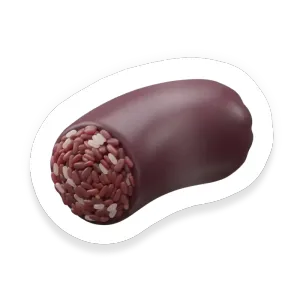
Blood Sausage
Meat
Last updated July 5, 2026. The Tummi Food Team maintains this Can I Feed This safety guide guide. Supporting links appear in Sources when available.



Clinically reviewed by Andria Procopio and Arefa Mohamed
Direct answer
Can babies eat Blood Sausage?
Yes, blood sausage can be introduced around 6 months if well-cooked, in an age-appropriate manner, and free of honey, as part of a varied diet.
- Serve Age6+months
Most babies start solids around 6 months once they show readiness signs. Match the texture and serving size to your baby's skills.
- No Allergens
Blood Sausage is not flagged as one of the major allergens tracked in this database. Still watch your baby closely when serving any new food.
- Choking Risk123455
Higher choking risk. Watch the prep steps closely, especially because this food can be small and round, hard, and slippery.
This guide is for everyday food prep questions. Ask your pediatrician about medical concerns, feeding delays, allergy plans, or serious reactions.
How Do You Serve Blood Sausage?
How to serve Blood Sausage to babies 6 months and older
- 1Remove any casing and crumble or finely chop the fully cooked blood sausage so the texture is soft and easy to scoop.
- 2Mix into soft foods like mashed vegetables, porridge, mashed potato, or thick yogurt so it blends and won’t form lumps.
- 3Check temperature and taste for salt or strong spices; aim for low salt and mild seasoning before serving.
- 4Offer tiny spoonfuls and supervise closely — never give slices or large pieces on their own to reduce choking risk.
- 5Serve only occasionally due to rich flavor and higher salt/iron; check with pediatrician if you have health or dietary concerns.
How to serve Blood Sausage to babies 9 months and older
- 1Crumble soft, fully cooked blood sausage into very small pieces — about pea-sized or smaller — so each bite is easy to chew and swallow.
- 2Fold the crumbles into sauces, mashed vegetables, soft rice, or scoopable dishes (like soft pasta or thick yogurt) so the texture blends and is easy to pick up.
- 3Remove any tough casings and avoid slices or whole pieces to lower choking risk.
- 4Ensure the sausage is well cooked and cooled before serving, give small portions, and always supervise while eating.
- 5Because sausages can be high in salt, choose lower-sodium options and use sparingly.
How to serve Blood Sausage to babies 12 months and older
- 1Cook sausage thoroughly; crumble the meat and remove the casing before serving to reduce choking risk.
- 2For chewing practice, keep the casing and cut each sausage lengthwise then quarter into long sticks that are easy to hold and chew. reducing choking risk
- 3Cut patties into thin strips or break into small, bite-sized pieces rather than coin-shaped rounds.
- 4Avoid or mash varieties with loose grains (e.g., rice, barley) and always supervise eating so scattered pieces are managed.
How to serve Blood Sausage to babies 18 months and older
- 1Ensure the sausage is fully cooked and cooled, and remove any tough casing so pieces are softer and easier to chew.
- 2Cut lengthwise into long halves or quartered sticks so pieces are easy to grasp; avoid slicing into coin shapes that are hard to swallow.
- 3Offer small patties whole for practicing bites, or press and cut into narrow strips or fingertip-sized pieces for self-feeding — you can also crumble the sausage into sauces or soft dishes to spread flavor.
- 4Always supervise meals, provide sips of water, and coin-shaped slices should be avoided because they increase choking risk.
How to serve Blood Sausage to babies 24 months and older
- 1If the child follows simple directions and shows mature chewing, offer supervised practice with a whole blood sausage rather than coin slices.
- 2Introduce rounds or slices only after the child can follow instructions; offer one piece at a time and never stack pieces.
- 3Encourage biting with the front teeth, demonstrate on your own piece, and guide the child’s hand to hold the food steady.
- 4Always seat the child upright and remove distractions; supervise closely and stay within arm’s reach until the piece is fully swallowed. If choking occurs, follow your first-aid plan and call emergency services.
Is Blood Sausage a Common Allergen?
Blood sausage (black pudding) typically does not contain shellfish, tree nuts, peanuts, soy, sesame, fish, eggs, or dairy, but recipes vary by region and producer. Some versions include cereals such as barley, oats, or breadcrumbs (which may contain gluten) or added milk, so gluten and dairy can be present. Always check the product label or ask the maker about ingredients and potential cross-contact, especially if your child has a gluten or dairy allergy. Note it contains pork blood—this is not a common allergen but may be a dietary concern for some families.
Is Blood Sausage a Choking Hazard?
High Choking Risk
Blood sausage poses a notable choking risk because its cylindrical shape and firm, springy texture can more easily block an infant’s airway. Round, coin‑like slices are particularly hazardous and challenging for young children to manage. Keep the child seated and within arm’s reach while eating and be ready to act quickly if choking occurs. Learn infant choking first aid so you can respond confidently in an emergency.
Have More Questions?
Yes, blood sausage can be introduced to babies around 6 months when they start solids, but it must be well-cooked, age-appropriate, and free of honey.
Yes, as long as the blood sausage is thoroughly cooked, prepared in an age-appropriate way, and served in small, manageable pieces to avoid choking hazards.
No, blood sausage is not a common allergen, but always check ingredient labels for potential allergens like dairy or wheat if added.
It depends; blood sausage is often firm and cylindrical, increasing choking risk, so it should be prepared in a soft, baby-friendly form and supervised during feeding.
Yes, blood sausage should be cooked thoroughly, even if pre-cooked, to eliminate bacteria and ensure safety for young children.
Save Blood Sausage to your food log
Track foods, reactions, and prep notes in Tummi when you want to keep your baby's feeding history in one place.
Sources
What Other Meat Can Babies Eat?
See all →



Source-Linked Guidance
See the evidence behind the guide.
Food guides show direct links to public-health guidance and research when supporting references are available. Source inclusion does not imply endorsement.
 Centers for Disease Control and Prevention
Developmental milestones, nutrition guidelines, and allergen introduction timelines.
 American Academy of Pediatrics
Evidence-based feeding recommendations from the leading pediatric authority.
 National Institutes of Health
Peer-reviewed research on infant nutrition, allergies, and food safety.