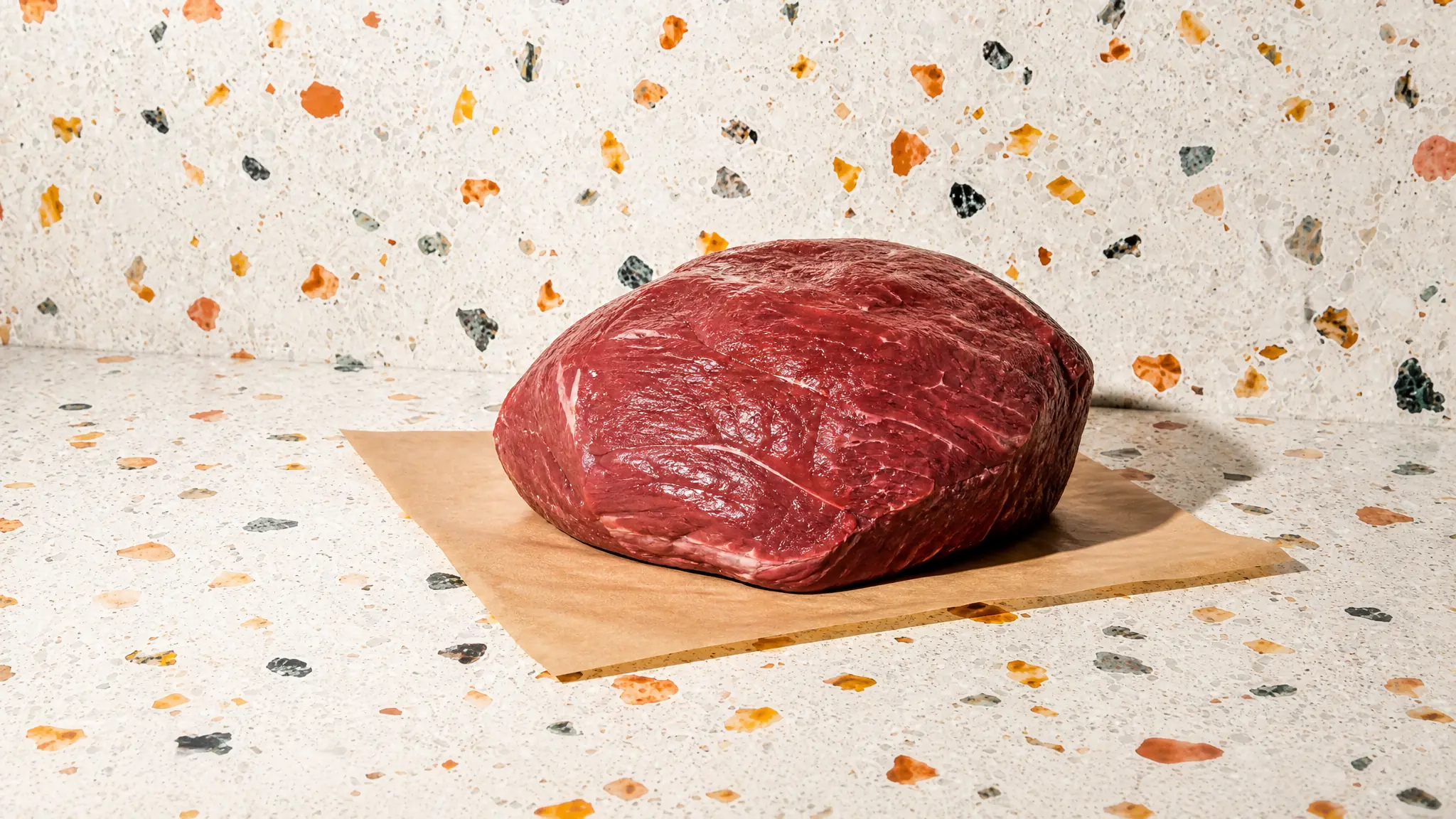
Bison
Meat
Last updated July 5, 2026. The Tummi Food Team maintains this Can I Feed This safety guide guide. Supporting links appear in Sources when available.



Clinically reviewed by Andria Procopio and Arefa Mohamed
Direct answer
Can babies eat Bison?
Yes, babies can eat bison starting at around 6 months of age, when they are ready for solids, as long as it is properly prepared.
- Serve Age6+months
Most babies start solids around 6 months once they show readiness signs. Match the texture and serving size to your baby's skills.
- No Allergens
Bison is not flagged as one of the major allergens tracked in this database. Still watch your baby closely when serving any new food.
- Choking Risk123451
Lower choking risk when served in the right texture. Always supervise meals and adjust the shape for your baby.
This guide is for everyday food prep questions. Ask your pediatrician about medical concerns, feeding delays, allergy plans, or serious reactions.
How Do You Serve Bison?
How to serve Bison to babies 6 months and older
- 1Mix well-cooked, finely crumbled or lightly mashed bison into thick, scoopable foods (mashed vegetables, porridge, or yogurt) so it holds together—avoid loose crumbles that can cause choking.
- 2When shaping into patties, meatballs, or burgers, make them at least 2 inches (5 cm) across and soft enough to squash gently between your fingers.
- 3Cook bison fully to an internal temperature of 160°F (71°C) and allow pieces to cool until warm before serving.
- 4Serve with a moist dip (yogurt, applesauce, or purees) and offer small spoon-sized portions to make swallowing easier.
How to serve Bison to babies 9 months and older
- 1Offer cooked bison in small, bite-sized pieces (meatballs, broken-up burgers or patties) that are easy for little hands to pick up and for babies to chew.
- 2If the child isn’t ready for finger foods, serve ground bison mixed into sauces, mashed vegetables, or soft grains so it’s easy to swallow.
- 3For steaks or larger cuts, shred or finely chop into soft, short pieces to reduce choking risk.
- 4Make sure bison is fully cooked to a tender texture, trim away visible fat or gristle, and always supervise the child while eating.
How to serve Bison to babies 12 months and older
- 1Serve bison shredded or cut into thin strips so pieces are easy to chew and swallow.
- 2Pair with a thin sauce, gravy, or broth to keep the meat moist and tender.
- 3Avoid serving meat in cube form because it can cause choking. Split sausages lengthwise so they lie flat and cannot roll in the mouth.
- 4Cut meatballs or patties into small, thin pieces to practice self-feeding while reducing choking risk.
How to serve Bison to babies 18 months and older
- 1Serve a whole bison burger as a sandwich with toddler-friendly toppings, but only serve the patty when it reaches 160°F (71°C) to ensure it’s fully cooked.
- 2Continue using ground bison cooked to 160°F (71°C) for other meals; when plating, break the cooked meat into small, manageable pieces to reduce choking risk.
- 3Introduce very thin steak strips to practice chewing—slice across the grain into narrow pieces and cook until tender with no raw center.
- 4Closely supervise mealtimes and avoid highly processed, high-sodium bison products and small choking hazards (e.g., whole grapes, nuts, hard candies).
How to serve Bison to babies 24 months and older
- 1Offer bison in safe, easy-to-chew forms: thin burgers, small meatballs, shredded or bite-sized pieces, or long thin strips when appropriate.
- 2Prepare pieces to reduce chewing effort—make meatballs about 1/2 inch, finely shred tougher cuts, and slice long strips thin so the child can break them down easily.
- 3Avoid overly tough, dry, or cube-shaped pieces that raise choking risk; choose soft, moist textures instead.
- 4Only introduce bison jerky after the child demonstrates mature chewing and swallowing skills. Always model and coach safe chewing—never give jerky unsupervised.
- 5Always seat the child upright during meals and closely supervise every bite.
Is Bison a Common Allergen?
Bison (buffalo) meat is not a common childhood allergen for most children, but it is mammalian red meat and can trigger reactions in people with red-meat allergy (alpha‑gal) or who are allergic to beef due to cross‑reactive proteins. If your child has a known beef allergy or a history of tick bites with delayed meat reactions, avoid bison and consult an allergist. Also be aware that marinades, sauces, or processing facilities can introduce common allergens (soy, gluten, dairy, nuts) or cause cross‑contamination, so check ingredient labels and ask restaurants. For most families bison is safe, but take extra caution when there is any history of meat allergy or severe reactions.
Is Bison a Choking Hazard?
Low Choking Risk
Bison is a common choking hazard because meat can be tough and form large, sticky pieces—avoid giving chunks that could get lodged. Always stay within arm’s reach and closely supervise babies during meals, and expect gagging as a normal reflex while learning. Make sure you know infant choking first aid/CPR so you can respond quickly if needed.
Have More Questions?
Yes. Bison can be stored in the refrigerator for up to 2 days or frozen for several months. Ensure it is wrapped airtight to prevent freezer burn and maintain quality.
Yes. You can freeze cooked or raw bison purees or pieces in ice cube trays or containers, making it easy to thaw small portions as needed.
It depends. Organic bison is raised without synthetic chemicals, but price and availability vary. Choose based on your preferences and budget while ensuring quality and freshness.
Yes. You can combine bison with vegetables, grains, or fruits to create balanced, baby-friendly meals that introduce new flavors and textures gradually.
For babies, start with small portions of about 1-2 ounces of cooked bison meat per serving, adjusting as your baby grows and their appetite increases.
Save Bison to your food log
Track foods, reactions, and prep notes in Tummi when you want to keep your baby's feeding history in one place.
Sources
- Alpha-gal and Red Meat Allergy - American Academy of Allergy, Asthma & Immunology aaaai.org
What Other Meat Can Babies Eat?
See all →
Source-Linked Guidance
See the evidence behind the guide.
Food guides show direct links to public-health guidance and research when supporting references are available. Source inclusion does not imply endorsement.
 Centers for Disease Control and Prevention
Developmental milestones, nutrition guidelines, and allergen introduction timelines.
 American Academy of Pediatrics
Evidence-based feeding recommendations from the leading pediatric authority.
 National Institutes of Health
Peer-reviewed research on infant nutrition, allergies, and food safety.