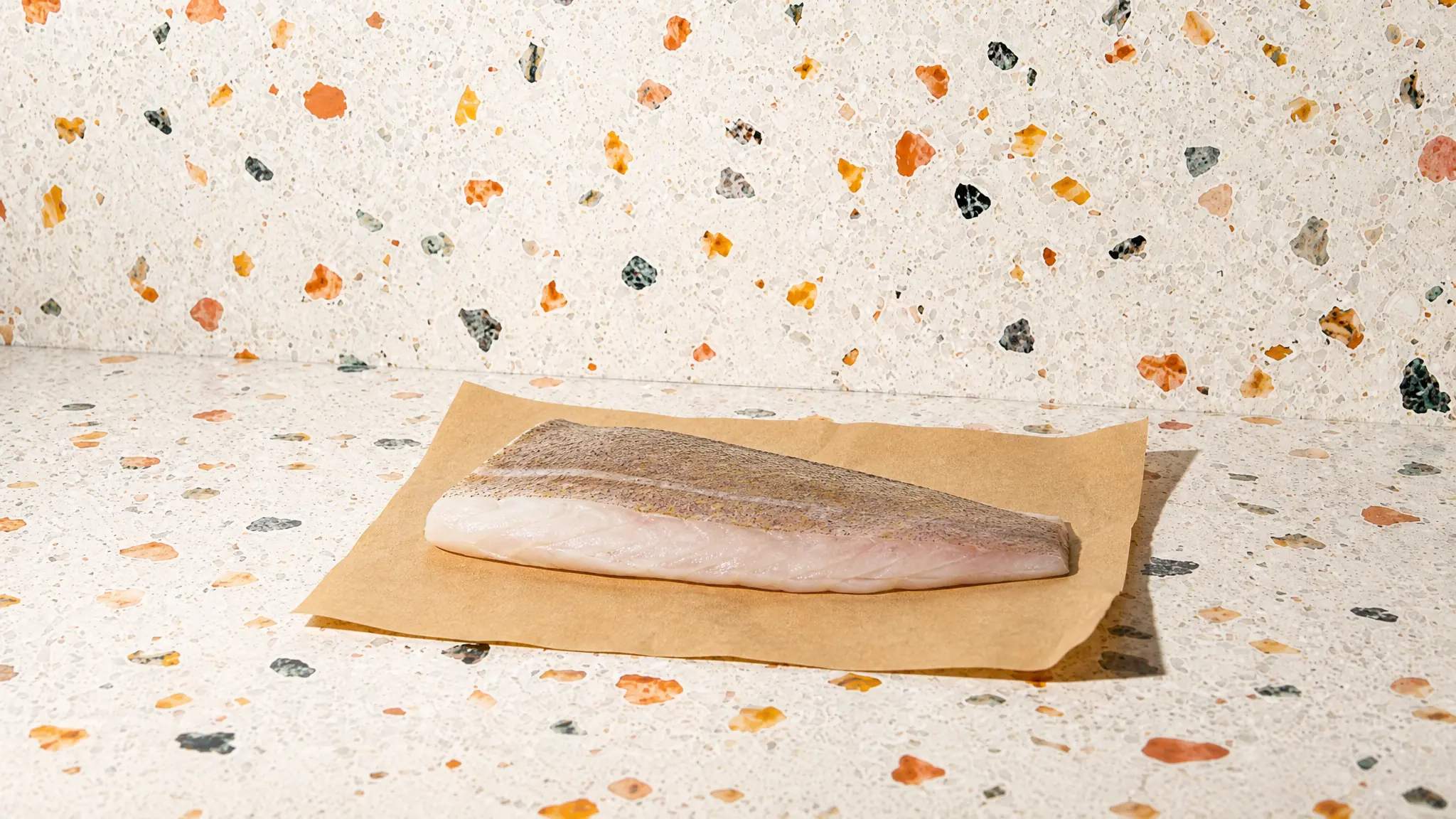
Sole
Fish
Last updated July 5, 2026. The Tummi Food Team maintains this Can I Feed This safety guide guide. Supporting links appear in Sources when available.



Clinically reviewed by Andria Procopio and Arefa Mohamed
Direct answer
Can babies eat Sole?
Yes, babies can eat cooked sole from 6 months onwards as part of a balanced diet; ensure it is well-cooked and flaked for safe consumption.
- Serve Age6+months
Most babies start solids around 6 months once they show readiness signs. Match the texture and serving size to your baby's skills.
- Allergens
Sole is flagged for fish. Introduce common allergens in a baby-safe form and follow your clinician's advice if your baby is higher risk.
- Choking Risk123451
Lower choking risk when served in the right texture. Always supervise meals and adjust the shape for your baby.
This guide is for everyday food prep questions. Ask your pediatrician about medical concerns, feeding delays, allergy plans, or serious reactions.
How Do You Serve Sole?
How to serve Sole to babies 6 months and older
- 1Ensure the sole is fully cooked and completely free of bones—carefully flake the fillet and run your fingers along it to feel for tiny bones.
- 2Cut into thin, soft strips about the width and length of two adult pinky fingers pressed together so pieces are easy to pick up or scoop.
- 3Offer plain, with a mild sauce (for example a little unsalted butter or plain yogurt), or mix small amounts into mashed vegetables or yogurt to introduce flavor and texture.
- 4For spoon or assisted feeding, preload a small amount onto the spoon and press together lightly so it stays on the spoon.
- 5Always double-check for any remaining bones, test the temperature before serving, and supervise every meal.
How to serve Sole to babies 9 months and older
- 1Cook the sole until opaque and it flakes easily, then remove all bones and skin before serving; flake into small, soft pieces about the size of a thumbnail that are easy to grasp and mash between gums.
- 2Offer as finger food or on a spoon, ensuring each piece squashes easily between two fingers as a quick texture check.
- 3Serve pieces lukewarm (not hot), keep portions small, and stay within arm’s reach to closely supervise every bite.
- 4If this is the first time offering fish or there’s a family history of allergy, introduce a small amount and wait 2–3 days before giving larger portions; consult your pediatrician if you have concerns.
How to serve Sole to babies 12 months and older
- 1Flake cooked, fully deboned sole into small, soft pieces for fork practice or finger-feeding.
- 2Serve piled on toast, as strips for self-feeding, or mashed and mixed into fish cakes as a cod substitute.
- 3Keep pieces appropriately sized and soft to match current chewing skills. Remove bones and any gristle you find before serving.
- 4Offer a thin smear of mayonnaise or tahini if wanted, but introduce plain first to check tolerance.
- 5Always supervise during meals and never leave the child unattended while eating.
Is Sole a Common Allergen?
Sole is a fish and therefore contains fish allergens—avoid serving it to children with fish allergies. According to the sheet, it does not contain peanut, tree nut, dairy, soy, egg, sesame, gluten, shellfish, or sesame allergens. Be mindful of cross-contact in restaurants or processing facilities; if a child has severe allergies, confirm preparation methods and ingredient lists. When unsure, consult your pediatrician or allergist before offering sole to a child with food allergies.
Is Sole a Choking Hazard?
Very Low Choking Risk
Sole is not a common choking hazard, but bones in fresh fish can pose a risk if any are left in. Carefully check and remove any lingering bones before offering fish, and keep baby within arm’s reach during meals so you can intervene quickly. Create a calm, seated, supervised eating environment and watch for signs of gagging or distress.
Have More Questions?
Yes. Sole can be introduced to babies around 6 months old once they are ready for solids, and it is generally considered safe if bones are removed and cooked thoroughly.
Yes. Sole is a bottom-dwelling flatfish found in various waters worldwide, including species like Dover sole, and is known for its mild flavor and delicate texture.
Yes. Sole is a healthy option for babies as it is low in mercury, high in protein, and provides essential vitamins like B6, B12, vitamin D, and healthy fats, supporting brain and immune development.
No. Sole is generally not a choking hazard but should be checked for bones before serving to babies to prevent choking on small or hidden bones.
Yes. Sole is classified as a finned fish, which is a common allergen, so it should be introduced carefully and with attention to any allergic reactions, especially if there's a known fish allergy in the family.
Save Sole to your food log
Track foods, reactions, and prep notes in Tummi when you want to keep your baby's feeding history in one place.
Sources
- U.S. Food & Drug Administration — Mercury Levels in Commercial Fish and Shellfish (1990-2012) fda.gov
- United States Environmental Protection Agency — Basic Information about Mercury epa.gov
- Harvard T.H. Chan School of Public Health — Fish: Friend or Foe? hsph.harvard.edu
- Rice et al. (2014) — Environmental mercury and its toxic effects (Journal of Preventive Medicine and Public Health) ncbi.nlm.nih.gov
- Orban et al. (2008) — New trends in the seafood market (Food Chemistry) sciencedirect.com
- Food Allergy Research & Education — Fish allergy foodallergy.org
- Tong et al. (2018) — Diagnosis of fish and shellfish allergies (J Asthma Allergy) ncbi.nlm.nih.gov
- Tsabouri et al. (2012) — Fish and shellfish allergy in children (Pediatric Allergy and Immunology) pubmed.ncbi.nlm.nih.gov
- Moonesinghe et al. (2016) — Prevalence of fish and shellfish allergy: A systematic review (Ann Allergy Asthma Immunol) pubmed.ncbi.nlm.nih.gov
- U.S. Food & Drug Administration — Scombrotoxin poisoning and decomposition (2017) fda.gov
- Zhu et al. (2015) — Meat, dairy and plant proteins alter bacterial composition of rat gut bacteria (Scientific Reports) ncbi.nlm.nih.gov
- Azad et al. (2018) — Probiotic Species in the Modulation of Gut Microbiota: An Overview (BioMed Research International) ncbi.nlm.nih.gov
What Other Fish Can Babies Eat?
See all →




Source-Linked Guidance
See the evidence behind the guide.
Food guides show direct links to public-health guidance and research when supporting references are available. Source inclusion does not imply endorsement.
 Centers for Disease Control and Prevention
Developmental milestones, nutrition guidelines, and allergen introduction timelines.
 American Academy of Pediatrics
Evidence-based feeding recommendations from the leading pediatric authority.
 National Institutes of Health
Peer-reviewed research on infant nutrition, allergies, and food safety.