Sardines
Fish
Last updated July 5, 2026. The Tummi Food Team maintains this Can I Feed This safety guide guide. Supporting links appear in Sources when available.



Clinically reviewed by Andria Procopio and Arefa Mohamed
Direct answer
Can babies eat Sardines?
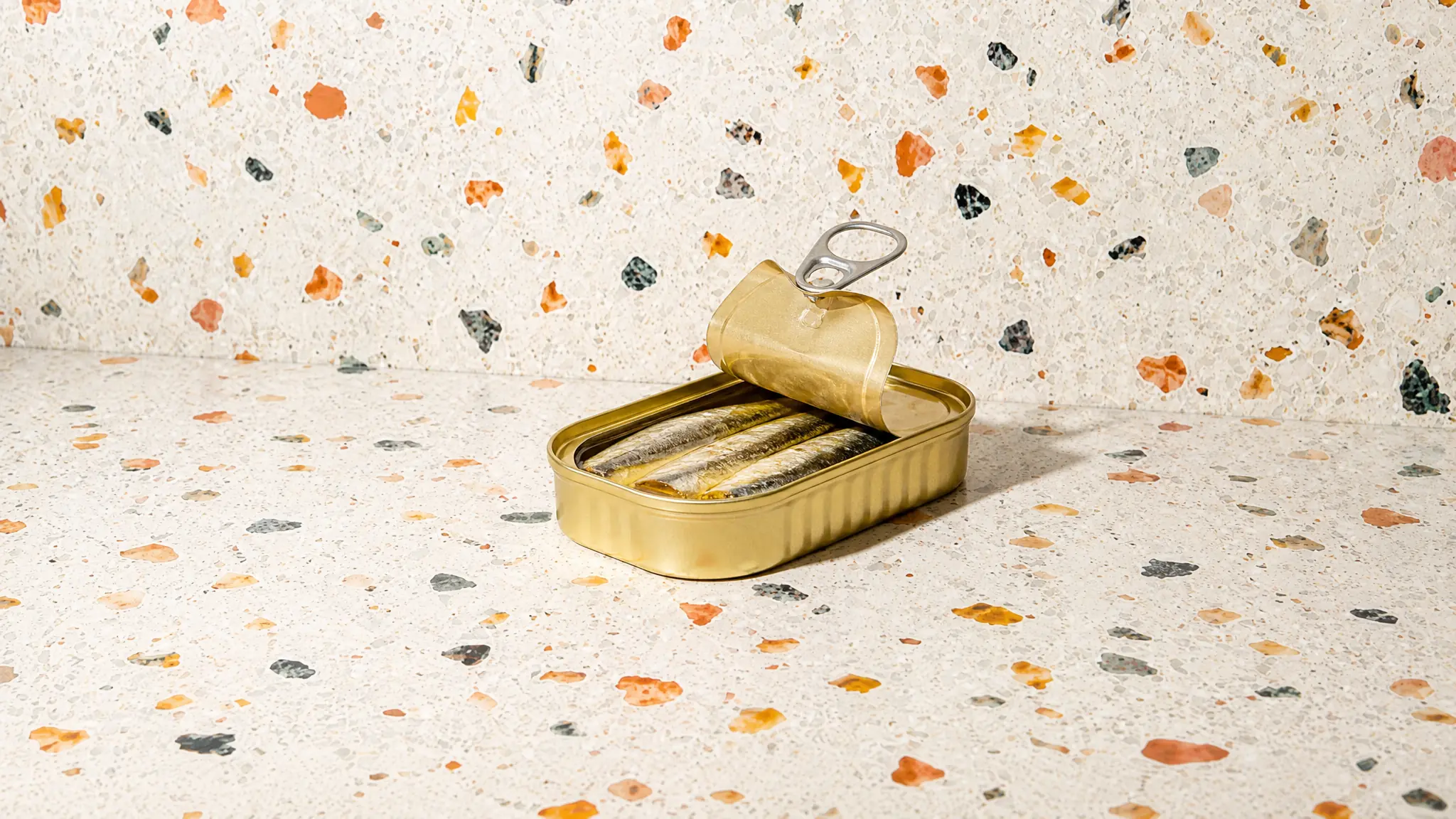
Sardines can be introduced from around 6 months when your baby is developmentally ready for solids. Offer fully cooked or canned sardines mashed or flaked to an appropriate texture, and check carefully for hard bones. Sardines are a lower-mercury fish choice, but they are also a fish allergen, so introduce them on their own in a small amount at first.
- Serve Age6+months
Most babies start solids around 6 months once they show readiness signs. Match the texture and serving size to your baby's skills.
- Allergens
Sardines is flagged for fish. Introduce common allergens in a baby-safe form and follow your clinician's advice if your baby is higher risk.
- Choking Risk123451
Lower choking risk when served in the right texture. Always supervise meals and adjust the shape for your baby.
This guide is for everyday food prep questions. Ask your pediatrician about medical concerns, feeding delays, allergy plans, or serious reactions.
How Do You Serve Sardines?
How to serve Sardines to babies 6 months and older
- 1Offer fully cooked sardine fillets or canned sardines — canned bones are softened by canning and are generally easier to mash.
- 2Flake or mash the fish to a soft, lump-free texture and mix with soft vegetables, cooked grains, or yogurt so the baby can scoop or self-feed.
- 3Check for and remove any large bones or hard bits. Canned bones are usually soft and edible, but inspect to be safe.
- 4Keep added salt minimal, serve at lukewarm temperature, offer small manageable pieces, and always supervise while feeding.
How to serve Sardines to babies 9 months and older
- 1Break sardine fillets into small flakes or bite-sized pieces that are easy to grasp and swallow to support the developing pincer grasp.
- 2Remove any large bones and drain excess oil or water; serve at lukewarm temperature so texture is pleasant and safe.
- 3Fold flakes into soft pasta, cooked grains, or mashed vegetables, or mix lightly with yogurt, mashed avocado, or a touch of mayonnaise or tahini to encourage hand-scooping.
- 4Offer small amounts at a time and watch for choking or allergic reactions; supervise closely while the child eats.
- 5Refrigerate leftovers within 2 hours and use within 24 hours, or freeze portions for later to maintain freshness.
How to serve Sardines to babies 12 months and older
- 1Remove any firm bones from freshly cooked sardines — check carefully so pieces are soft and safe for independent eating.
- 2Offer bite-sized pieces or flaked sardine mixed into grains, pasta, or vegetables to make textures easier to chew.
- 3If using canned sardines, bones are usually soft and edible; still offer small portions and watch for choking while your child is learning to eat independently.
- 4Use sardines for utensil practice by placing small amounts on a child-sized spoon or fork so they can scoop and bring it to their mouth.
- 5Serve in appropriate portions and always supervise meals; introduce new fish flavors one at a time to monitor for allergies.
Is Sardines a Common Allergen?
Sardines are a common fish allergen — people allergic to one fish often react to others because of shared proteins (eg, parvalbumin). Sardines can also cause scombroid (histamine) poisoning if poorly stored, which can mimic an allergic reaction. Check labels on canned or prepared sardines for added ingredients (mustard, soy, sesame, etc.) that could be allergens. For infants and young children remove small bones and flake fish finely to reduce choking risk.
Is Sardines a Choking Hazard?
Low Choking Risk
Sardines generally present a low choking risk for babies when bones and skin are removed or when using canned sardines (whose bones are softened by canning), but any food can pose a choking hazard. Freshly cooked fish may contain hard bones that can get stuck, so check carefully and remove any you find. Always supervise your baby closely during meals and keep them seated upright and within arm’s reach.
Have More Questions?
Refrigerate leftover or opened canned sardines promptly in a covered container and use them within 2 days. Discard any sardines left in a portion your baby has already eaten from.
Yes, homemade sardine puree can be frozen after it has been cooled promptly. Freeze it in covered portions, defrost it in the refrigerator or microwave, and use it within 24 hours after defrosting.
When buying sardines for your baby, choose a product with no added salt or less salt where available, and prefer sardines packed in water rather than brine. Check the ingredient label for other allergens, and inspect the fish for hard bones before serving; sardines are a lower-mercury fish choice.
Yes, sardines can be mixed with other baby foods or purees. When first introducing sardines, offer a small amount on its own so a reaction is easier to identify; once tolerated, mix fully cooked or canned sardines into other foods and mash or flake them to a developmentally appropriate texture.
There is no single sardine portion that suits every baby. Offer a small amount at first, especially because sardines are a fish allergen, then let your baby's hunger and fullness cues guide how much more to offer.
Save Sardines to your food log
Track foods, reactions, and prep notes in Tummi when you want to keep your baby's feeding history in one place.
Sources
- Advice About Eating Fish (FDA) — Questions & Answers fda.gov
- Avoidance of added salt for 6–12-month-old infants: A narrative review (Yang & Wang, 2023) pubmed.ncbi.nlm.nih.gov
- Infants' and Children's Salt Taste Perception and Liking: A Review (Liem, 2017) mdpi.com
- Sodium: Too Much of a Good Thing (National Capital Poison Center) poison.org
- Does salt intake in the first two years of life affect the development of cardiovascular disorders in adulthood? (Strazzullo et al., 2012) pubmed.ncbi.nlm.nih.gov
- Fish — Food Allergy Research & Education (FARE) foodallergy.org
- Diagnosis of fish and shellfish allergies (Tong et al., 2018) ncbi.nlm.nih.gov
- Fish and shellfish allergy in children: Review (Tsabouri et al., 2012) pubmed.ncbi.nlm.nih.gov
- Prevalence of fish and shellfish allergy: A systematic review (Moonesinghe et al., 2016) pubmed.ncbi.nlm.nih.gov
- Fish: A Top 9 Food Allergen — Food Allergy & Anaphylaxis Connection Team (FAACT) foodallergyawareness.org
- Sensitization to inhalant allergens in children diagnosed with food hypersensitivity (Crespo et al., 1995) pubmed.ncbi.nlm.nih.gov
- Allergic reactions to foods by inhalation (James & Crespo, 2007) pubmed.ncbi.nlm.nih.gov
- Scombrotoxin Poisoning and Decomposition (U.S. FDA, 2017) fda.gov
- Mercury Levels in Commercial Fish and Shellfish (FDA monitoring data, 1990–2012) fda.gov
- Arsenic (CDC/NIOSH, 2017) cdc.gov
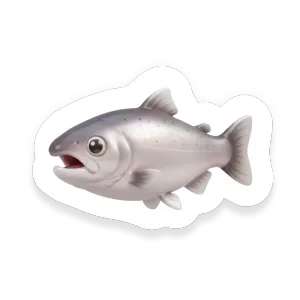
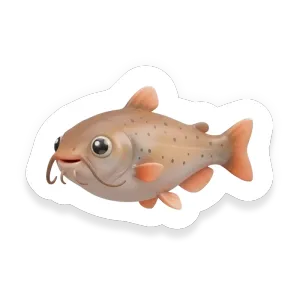
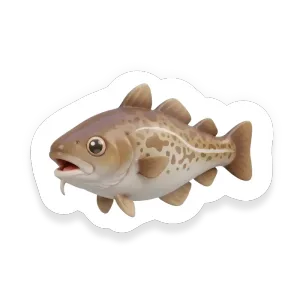
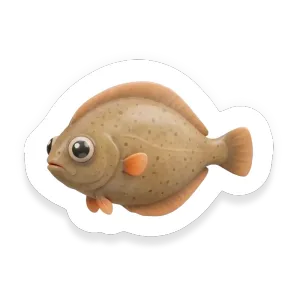
What Other Fish Can Babies Eat?
See all →
Source-Linked Guidance
See the evidence behind the guide.
Food guides show direct links to public-health guidance and research when supporting references are available. Source inclusion does not imply endorsement.
 Centers for Disease Control and Prevention
Developmental milestones, nutrition guidelines, and allergen introduction timelines.
 American Academy of Pediatrics
Evidence-based feeding recommendations from the leading pediatric authority.
 National Institutes of Health
Peer-reviewed research on infant nutrition, allergies, and food safety.