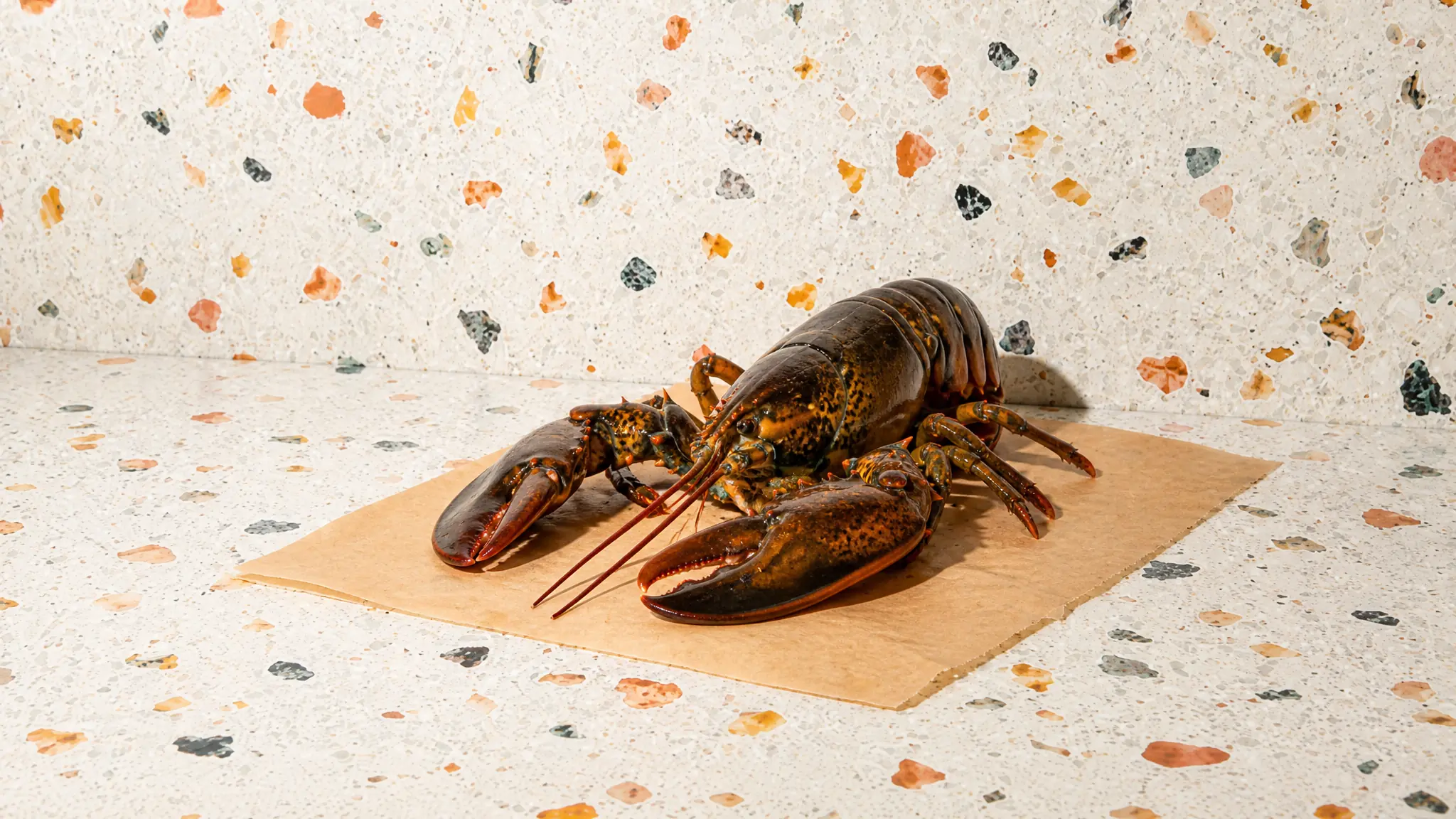
Lobster
Shellfish
Last updated July 5, 2026. The Tummi Food Team maintains this Can I Feed This safety guide guide. Supporting links appear in Sources when available.



Clinically reviewed by Andria Procopio and Arefa Mohamed
Direct answer
Can babies eat Lobster?
Lobster can be introduced around 6 months once a baby is developmentally ready for solid foods. Serve it thoroughly cooked, with all shell removed, in a texture appropriate for the baby's eating skills; seek health-professional advice before introduction if the baby has eczema, an existing food allergy, or a family history of allergic disease.
- Serve Age6+months
Most babies start solids around 6 months once they show readiness signs. Match the texture and serving size to your baby's skills.
- Allergens
Lobster is flagged for shellfish. Introduce common allergens in a baby-safe form and follow your clinician's advice if your baby is higher risk.
- Choking Risk123454
Higher choking risk. Watch the prep steps closely, especially because this food can be hard, slippery, and fibrous or stringy.
This guide is for everyday food prep questions. Ask your pediatrician about medical concerns, feeding delays, allergy plans, or serious reactions.
How Do You Serve Lobster?
How to serve Lobster: 3 years +
- 1Use fully cooked lobster meat with all shell and cartilage removed, or fully cooked lobster cakes.
- 2Cut into small, bite-sized pieces (about 1/2 inch or smaller) that are soft and flat — avoid long, cylindrical, or tough chunks that can be a choking hazard.
- 3Inspect and remove any stray shell fragments or hard bits before serving.
- 4Serve on a small fork or spoon and offer a sip of water to make swallowing easier.
- 5Keep an adult close by to supervise handling and eating, and guide any practice of removing meat from shells.
How to serve Lobster to babies 6 months and older
- 1Cook lobster until the meat is opaque and separates easily; remove the shell completely and check for any small shell fragments.
- 2Finely chop or shred the meat into very small, flattened pieces and gently fold into soft, scoopable foods like mashed avocado, mashed vegetables, or yogurt to lower choking risk.
- 3Offer only a very small starter amount (pea-sized) and wait 48–72 hours to watch for allergic signs such as hives, vomiting, swelling, or difficulty breathing; stop immediately if any occur.
- 4Avoid added salt, honey, or crunchy mix-ins; serve cool or at room temperature and refrigerate leftovers promptly, discarding after 24 hours.
How to serve Lobster to babies 9 months and older
- 1Cook lobster thoroughly (steamed, boiled, or baked) and remove all shell, cartilage, and veins; flake or finely shred into thin pieces for self-feeding.
- 2Offer small, thin shreds or finely chopped lobster mixed into spoonable or scoopable foods so pieces stay together. Avoid large, slippery, rounded chunks that can lodge in the throat.
- 3For lobster cakes, keep them moist and break into irregular, bite-sized pieces that are easy to grasp and less likely to slip.
- 4Always supervise mealtimes, check the food temperature before serving, and introduce lobster on its own first to watch for any allergic reaction.
How to serve Lobster to babies 18 months and older
- 1Cook the lobster until the meat is opaque and tender; test by pressing with a fork—meat should flake easily. Remove all shell and any cartilage or stringy bits.
- 2Cut the meat into small, irregular pieces about 1/4–1/2 inch (pea to thumbnail size) to lower choking risk.
- 3Avoid firm, chewy pieces like whole claw tips or long cylindrical strips that can lodge in the throat.
- 4Serve while seated with close supervision; offer small, guided bites and encourage chewing before swallowing.
Is Lobster a Common Allergen?
Lobster is a crustacean (shellfish) and a common, potentially severe food allergen that can cause anaphylaxis. People allergic to one shellfish often react to others (e.g., shrimp, crab, lobster), but shellfish allergies are generally separate from fish allergies. Lobster is often served in mixed seafood dishes and may cause cross-contact, so avoid giving it to children with known shellfish allergy and carefully check menus/labels. Talk with your pediatrician or an allergist about testing and an emergency plan (epinephrine) if you suspect a shellfish allergy.
Is Lobster a Choking Hazard?
Elevated Choking Risk
Lobster can be a choking hazard: its meat may be chewy, round, and slippery, and shell fragments add extra risk. Ensure the shell is fully removed and avoid offering rounded or firm pieces that could lodge in a baby’s throat, and always supervise closely within arm’s reach. Learn infant choking first aid so you can respond quickly if needed.
Have More Questions?
From a mercury perspective, the FDA and EPA list American and spiny lobster as Best Choices. For a developmentally ready baby around 6 months or older, offer fully cooked lobster as one of a variety of foods and seafood choices.
Lobster can be part of a toddler's varied diet if it has been tolerated. Serve it fully cooked, with all shell removed, and in a texture and size appropriate for the child's eating skills.
Lobster can be included in a baby's or toddler's varied diet and provides nutrients including protein, vitamin B12, and omega-3 fats. For babies, introduce it only after they are developmentally ready for solid foods and serve it fully cooked in an appropriate texture.
Yes. Speak with your GP, health visitor, or other appropriate health professional before introducing lobster if your baby has eczema, an existing food allergy, or a family history of food allergy or other allergic disease.
Yes, lobster is a crustacean shellfish and can be a choking hazard because the meat can be chewy and slippery. Always serve lobster in an age-appropriate form and supervise eating.
Save Lobster to your food log
Track foods, reactions, and prep notes in Tummi when you want to keep your baby's feeding history in one place.
Sources
- Centers for Disease Control and Prevention — Foods that can cause food poisoning (2019) cdc.gov
- U.S. Food & Drug Administration — Mercury Levels in Commercial Fish and Shellfish (1990-2012) fda.gov
- United States Environmental Protection Agency — Basic Information about Mercury epa.gov
- Harvard T.H. Chan School of Public Health — Fish: Friend or Foe? hsph.harvard.edu
- Lopata, A.L., O'Hehir, R.E., Lehrer, S.B. — Shellfish allergy (2010) doi.org
- Food Allergy Research & Education — Seafood/Fish allergy foodallergy.org
- Cleveland Clinic — Sulfite sensitivity (2020) my.clevelandclinic.org
- Maine Department of Health & Human Services — Saltwater fish & lobster tomalley safe eating guidelines (2009) maine.gov
- Centre for Food Safety — Crab roe and dioxins (2017) cfs.gov.hk
- Centers for Disease Control and Prevention — Vibrio (2019) cdc.gov
- U.S. Food & Drug Administration — Selecting and Serving Fresh and Frozen Seafood Safely (2022) fda.gov
What Other Shellfish Can Babies Eat?
See all →




Source-Linked Guidance
See the evidence behind the guide.
Food guides show direct links to public-health guidance and research when supporting references are available. Source inclusion does not imply endorsement.
 Centers for Disease Control and Prevention
Developmental milestones, nutrition guidelines, and allergen introduction timelines.
 American Academy of Pediatrics
Evidence-based feeding recommendations from the leading pediatric authority.
 National Institutes of Health
Peer-reviewed research on infant nutrition, allergies, and food safety.