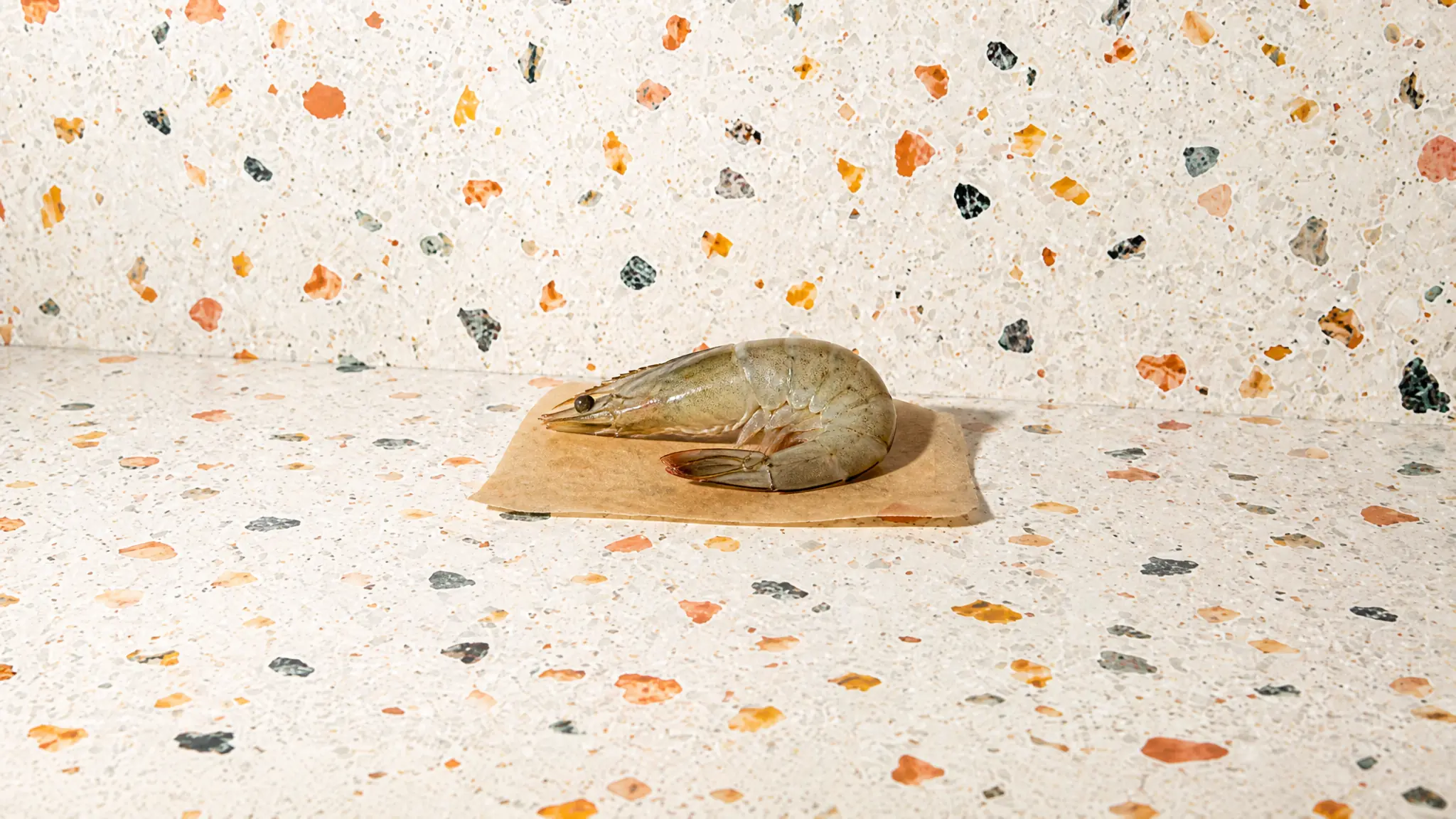
Shrimp
Shellfish
Last updated July 5, 2026. The Tummi Food Team maintains this Can I Feed This safety guide guide. Supporting links appear in Sources when available.



Clinically reviewed by Andria Procopio and Arefa Mohamed
Direct answer
Can babies eat Shrimp?
Yes, shrimp can be introduced around 6 months old when prepared safely to reduce choking risk.
- Serve Age6+months
Most babies start solids around 6 months once they show readiness signs. Match the texture and serving size to your baby's skills.
- Allergens
Shrimp is flagged for shellfish. Introduce common allergens in a baby-safe form and follow your clinician's advice if your baby is higher risk.
- Choking Risk123455
Higher choking risk. Watch the prep steps closely, especially because this food can be small and round, slippery, and fibrous or stringy.
This guide is for everyday food prep questions. Ask your pediatrician about medical concerns, feeding delays, allergy plans, or serious reactions.
How Do You Serve Shrimp?
How to serve Shrimp to babies 6 months and older
- 1Remove shell and tail and check for veins or tiny bones. Finely chop into small, irregular pieces—no cylindrical pieces that could cause choking.
- 2Cook shrimp until fully opaque and it flakes easily; target 145°F (63°C) internal temperature to ensure safety.
- 3Mix the finely chopped shrimp into scoopable soft foods (porridge, congee, purees, mashed vegetables) or fold into soft shrimp cakes or dumplings so pieces remain small and moist.
- 4Offer a small portion first and watch closely for any allergic reaction for at least two hours; if there is a family history of severe seafood allergy, consult your pediatrician before introducing.
How to serve Shrimp to babies 9 months and older
- 1Cut fully cooked shrimp lengthwise and flatten, then chop into small, flat, bite-sized pieces that are easy for self-feeding.
- 2Avoid leaving shrimp in a round or cylindrical shape; instead make small flat pieces or finely dice/shred shrimp for use in dumplings, cakes, or mixed dishes.
- 3Always remove all shells and tails before serving. Supervise closely during feeding and avoid giving whole or tube-like pieces to lower choking risk.
How to serve Shrimp: Varies
- 1Only offer a whole shrimp once the child reliably chews and controls bites — start with a single, fully cooked shrimp with shell and tail removed and cut lengthwise so it lies flat rather than round.
- 2Model taking small bites and chewing slowly, then let the child try while you supervise closely and praise careful chewing.
- 3If the child coughs, gags, or shows difficulty chewing, immediately revert to halved or finely chopped shrimp until chewing skills improve.
- 4Cook shrimp thoroughly, check for hidden tails or shell fragments, and remove all shell pieces before cutting into bite-sized portions.
Is Shrimp a Common Allergen?
Shrimp is a common crustacean (shellfish) allergen and can cause reactions from hives and vomiting to life‑threatening anaphylaxis, even if prior reactions were mild. Proteins like tropomyosin often cause cross‑reactivity with other crustaceans (crab, lobster, prawns), so avoid all shellfish unless an allergist has cleared your child. If shrimp allergy is known or suspected, avoid foods and shared utensils that may contain shrimp, carry prescribed epinephrine, and see a pediatrician/allergist for testing and a management plan.
Is Shrimp a Choking Hazard?
High Choking Risk
Shrimp is a notable choking hazard because its firm, rubbery texture and naturally rounded shape can easily block a young child’s airway. Stay within arm’s reach and supervise closely during first exposures, and be prepared to respond calmly if your child gags or shows signs of choking. Familiarize yourself with pediatric choking first aid so you can act quickly if needed.
Have More Questions?
Yes, parents can freeze shrimp purees or cooked shrimp to extend shelf life and manage portions, but ensure they are stored in airtight containers and used within recommended freezer durations.
Yes, you can prepare and freeze small portions of shrimp in advance, but always make sure the shrimp is fully cooked and properly stored in airtight containers for safety.
It depends; choosing organic or conventional shrimp depends on your preferences and budget, but both can be safe for babies if properly cooked and served.
It depends; when combining foods for your baby, make sure to introduce each new food separately and wait 3-5 days to monitor for any allergic reactions.
The appropriate portion size varies with your baby's age and appetite, but generally, start with a small 1-2 teaspoon serving and adjust as your baby shows readiness and interest.
Save Shrimp to your food log
Track foods, reactions, and prep notes in Tummi when you want to keep your baby's feeding history in one place.
Sources
- Environmental Defense Fund — Seafood Selector seafood.edf.org
- Soliman G. A. (2018). Dietary Cholesterol — Nutrients mdpi.com
- Lopata et al. (2010). Shellfish allergy — Clinical and Experimental Allergy doi.org
- Food Allergy Research & Education — Fish Allergy foodallergy.org
- Cleveland Clinic — Sulfite sensitivity (2020) my.clevelandclinic.org
- Centers for Disease Control and Prevention — Vibrio cdc.gov
- U.S. Food & Drug Administration — Selecting and Serving Fresh and Frozen Seafood Safely (2022) fda.gov
What Other Shellfish Can Babies Eat?
See all →

Source-Linked Guidance
See the evidence behind the guide.
Food guides show direct links to public-health guidance and research when supporting references are available. Source inclusion does not imply endorsement.
 Centers for Disease Control and Prevention
Developmental milestones, nutrition guidelines, and allergen introduction timelines.
 American Academy of Pediatrics
Evidence-based feeding recommendations from the leading pediatric authority.
 National Institutes of Health
Peer-reviewed research on infant nutrition, allergies, and food safety.