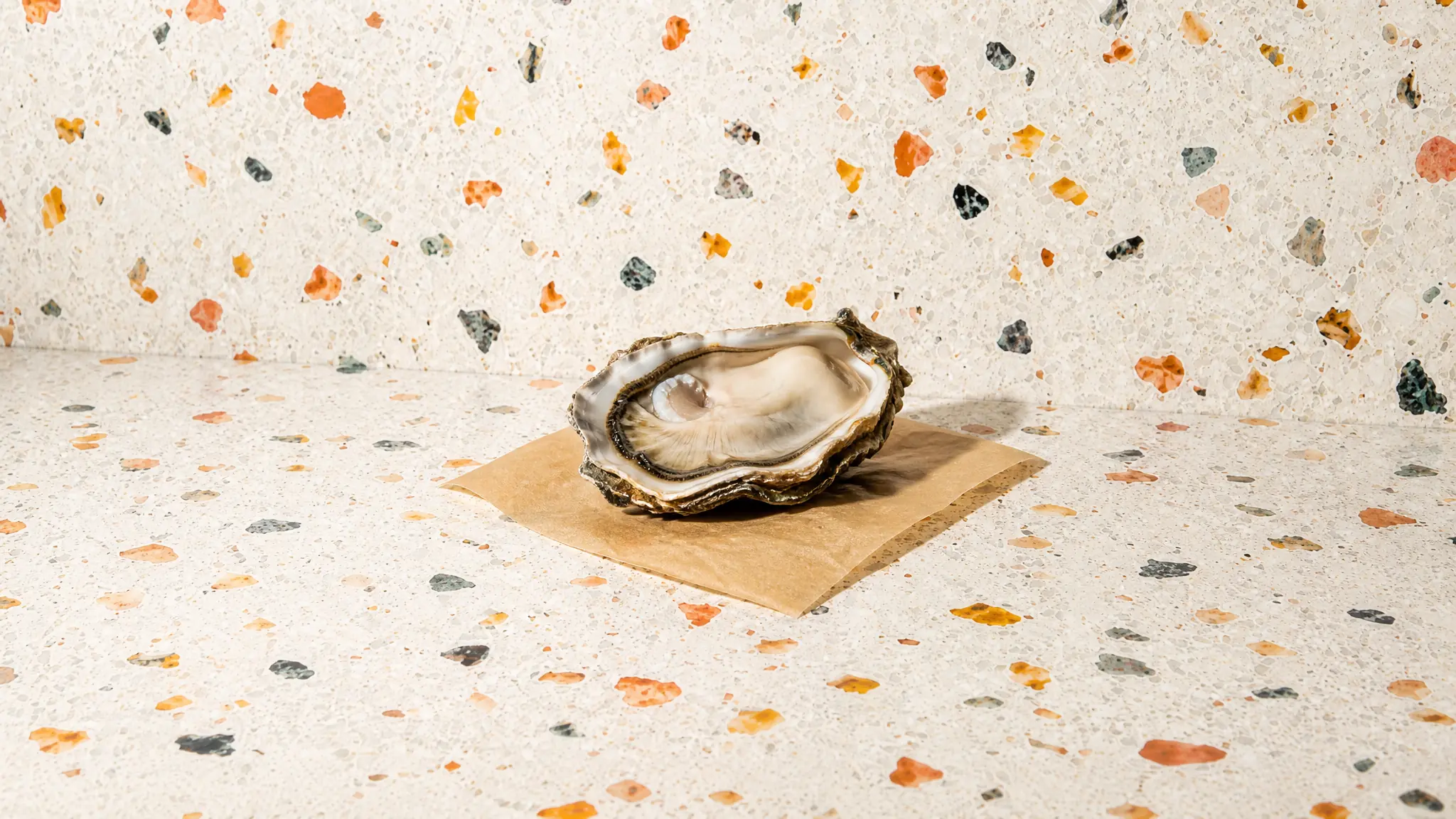
Oyster
Shellfish
Last updated July 5, 2026. The Tummi Food Team maintains this Can I Feed This safety guide guide. Supporting links appear in Sources when available.



Clinically reviewed by Andria Procopio and Arefa Mohamed
Direct answer
Can babies eat Oyster?
Babies can have thoroughly cooked oyster from around 6 months, once they are developmentally ready for solid foods, if it is finely chopped or mashed into a soft food; do not serve raw or lightly cooked oyster.
- Serve Age6+months
Most babies start solids around 6 months once they show readiness signs. Match the texture and serving size to your baby's skills.
- No Allergens
Oyster is not flagged as one of the major allergens tracked in this database. Still watch your baby closely when serving any new food.
- Choking Risk123451
Lower choking risk when served in the right texture. Always supervise meals and adjust the shape for your baby.
This guide is for everyday food prep questions. Ask your pediatrician about medical concerns, feeding delays, allergy plans, or serious reactions.
How Do You Serve Oyster?
How to serve Oyster to babies 6 months and older
- 1Finely chop thoroughly cooked or canned oysters until very small; mix into a soft, scoopable base like mashed vegetables, mashed potato, or plain yogurt so it’s easy to scoop.
- 2Create a smooth, lump-free texture—add a little breast milk, formula, or water if needed so the spoon glides easily.
- 3Serve warm or at room temperature and always test the temperature before offering to avoid burns.
- 4Make sure oysters are fully cooked and pieces are tiny to reduce choking and foodborne-illness risks.
- 5Offer a small amount first and watch for allergy signs (hives, vomiting, difficulty breathing) over the next 48 hours; seek medical help if severe.
How to serve Oyster to babies 9 months and older
- 1Cook oysters until firm and steaming; avoid any raw, soft, or slimy texture to reduce foodborne risk.
- 2Finely chop or thinly slice cooked oysters into very small pieces (about 1/4 inch or smaller) so they're easy to pick up and swallow.
- 3Stir chopped oysters into thicker foods—mashed potato, sauced pasta, rice, or stews—so pieces adhere and are less slippery.
- 4Serve warm (not hot) and introduce oysters alone first. Watch for reactions for 48–72 hours before offering again or combining with other new foods.
How to serve Oyster to babies 18 months and older
- 1Cook oysters until firm and opaque and let them cool completely before serving; ensure fully cooked to reduce foodborne risk.
- 2Cut into small, bite-sized pieces (about a child’s finger-width) so they’re easy to pick up or eat with child-sized utensils.
- 3Make pieces soft and tender—test by mashing with a fork—and throw away any rubbery or stringy parts.
- 4Always supervise closely and stay within arm’s reach while they eat, offer small amounts first, and watch for coughing, choking, or any allergic reaction.
How to serve Oyster to babies 24 months and older
- 1Only offer oysters once the child reliably chews with their molars and handles firmer textures without repeatedly gagging.
- 2Serve only fully cooked oysters that are cooled and cut into small, manageable pieces (about pea-sized) to reduce choking risk.
- 3Model chewing: place a tiny piece on the back molars and demonstrate several slow chews before giving the child a piece.
- 4Always supervise closely with the child seated upright; expect some spit-out behaviour as they learn the texture and chewing technique.
- 5Do not give raw oysters and check with your pediatrician if there is a family history of seafood allergy or if any hives, vomiting, or breathing changes occur after eating.
Is Oyster a Common Allergen?
Oysters are molluscan shellfish and can trigger shellfish allergy, which in some people causes severe reactions including anaphylaxis. Some individuals allergic to shellfish react to multiple shellfish types, while others react only to certain groups; cross-contamination at restaurants/markets is common. If a child has a known shellfish allergy, avoid oysters and related shellfish, consult an allergist before offering them, and keep emergency treatment (epinephrine) available if advised by a clinician.
Is Oyster a Choking Hazard?
Low Choking Risk
Oysters are firm and slippery, which increases the risk of choking in babies and toddlers; they often require a lot of chewing and can be hard to manage in the mouth. Always supervise meals closely and stay within an arm's reach so you can react quickly if an episode occurs. Make sure you and any caregivers know infant/toddler choking first aid and have a plan to respond.
Have More Questions?
Oysters can be included in a baby’s varied diet from around 6 months, once the baby is developmentally ready for solid foods, but they must be thoroughly cooked and served in a soft, finely chopped or mashed form. Introduce oyster on its own because shellfish can trigger an allergic reaction.
No, babies should not eat raw or lightly cooked oysters because these forms increase the risk of food poisoning. Offer only thoroughly cooked oyster in a texture appropriate for the baby’s development.
A ready-to-eat canned oyster can be offered from around 6 months, once the baby is developmentally ready for solid foods; follow the label, choose a lower-salt option where available, and mash or finely chop it into a soft food. If the label says the product requires cooking, cook it thoroughly before serving.
Yes, oysters should be thoroughly cooked before giving them to a baby; do not serve them raw or lightly cooked. For live oysters cooked in the shell, cook until the shells open and discard any that do not open.
Babies can start eating thoroughly cooked oyster from around 6 months, once they are developmentally ready for solid foods. Mash or finely chop it into a soft food, seat the baby upright, and supervise the meal.
Save Oyster to your food log
Track foods, reactions, and prep notes in Tummi when you want to keep your baby's feeding history in one place.
Sources
- Centers for Disease Control and Prevention — Foods that can cause food poisoning cdc.gov
- Chandravanshi L, Shiv K, Kumar S. (2021) — Developmental toxicity of cadmium in infants and children doi.org
- Centers for Disease Control and Prevention — Vibrio cdc.gov
- Lopata AL, O'Hehir RE, Lehrer SB. (2010) — Shellfish allergy (Clinical and Experimental Allergy) onlinelibrary.wiley.com
- U.S. Food & Drug Administration — Questions and answers regarding food allergens (Guidance for industry) fda.gov
- Kids With Food Allergies kidswithfoodallergies.org
- Food Allergy Research & Education — Shellfish Allergy foodallergy.org
- Food Allergy Research & Education — Fish Allergy foodallergy.org
What Other Shellfish Can Babies Eat?
See all →


Source-Linked Guidance
See the evidence behind the guide.
Food guides show direct links to public-health guidance and research when supporting references are available. Source inclusion does not imply endorsement.
 Centers for Disease Control and Prevention
Developmental milestones, nutrition guidelines, and allergen introduction timelines.
 American Academy of Pediatrics
Evidence-based feeding recommendations from the leading pediatric authority.
 National Institutes of Health
Peer-reviewed research on infant nutrition, allergies, and food safety.