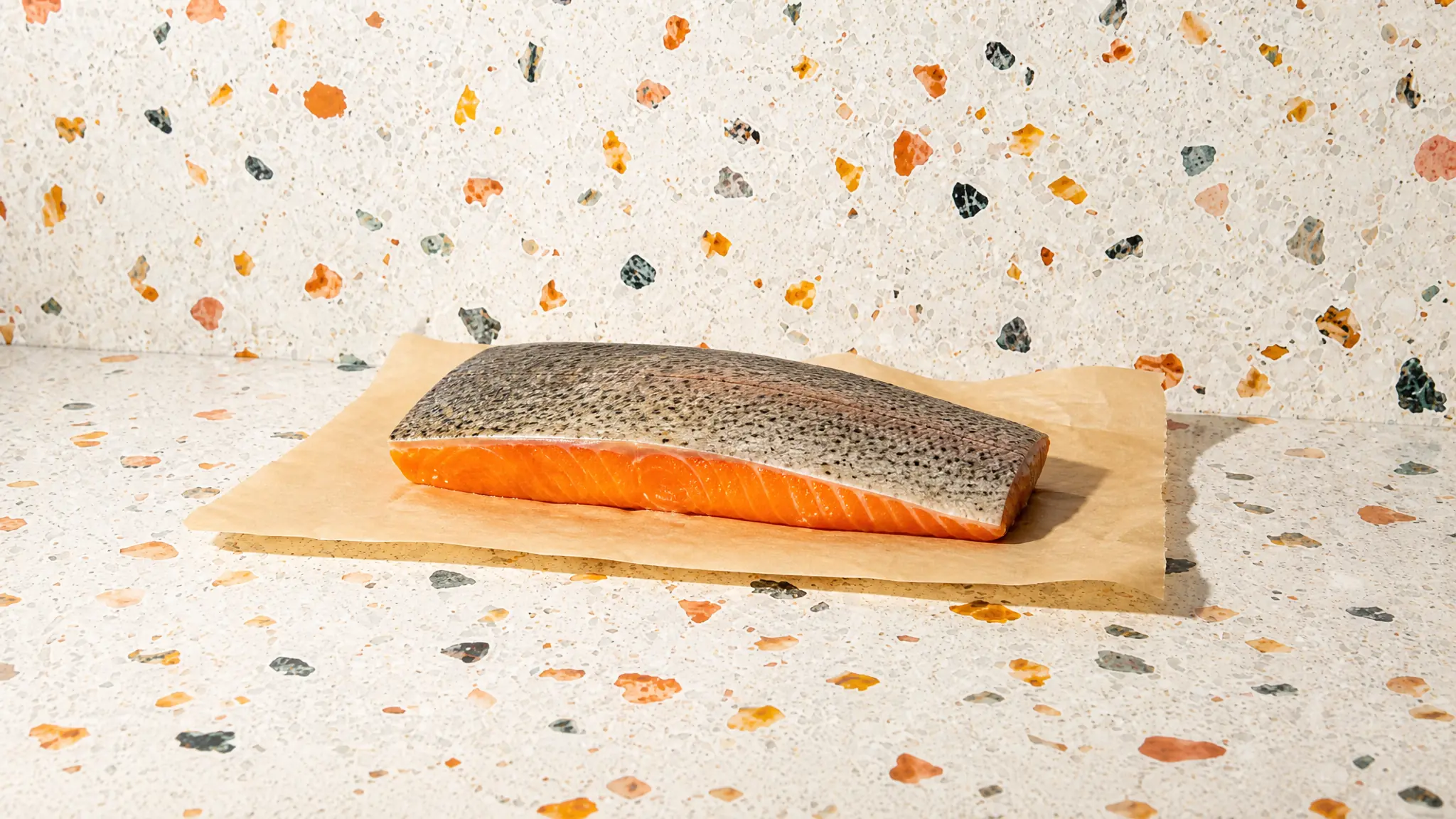
Trout
Fish
Last updated July 5, 2026. The Tummi Food Team maintains this Can I Feed This safety guide guide. Supporting links appear in Sources when available.



Clinically reviewed by Andria Procopio and Arefa Mohamed
Direct answer
Can babies eat Trout?
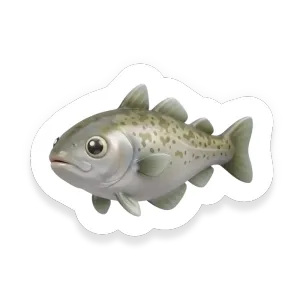
Yes, babies can eat fully cooked, carefully deboned trout from around 6 months, once they show the developmental signs of readiness for solid foods. Introduce trout in a small amount on its own at first because fish is a common allergen, and check local advisories before using trout caught by family or friends.
- Serve Age6+months
Most babies start solids around 6 months once they show readiness signs. Match the texture and serving size to your baby's skills.
- Allergens
Trout is flagged for fish. Introduce common allergens in a baby-safe form and follow your clinician's advice if your baby is higher risk.
- Choking Risk123451
Lower choking risk when served in the right texture. Always supervise meals and adjust the shape for your baby.
This guide is for everyday food prep questions. Ask your pediatrician about medical concerns, feeding delays, allergy plans, or serious reactions.
How Do You Serve Trout?
How to serve Trout to babies 6 months and older
- 1Choose fresh or fully thawed trout and avoid canned, pickled, or smoked varieties.
- 2Thaw frozen trout in the refrigerator and pat dry; remove all bones and the skin, using tweezers to check for pin bones if needed.
- 3Cook trout until the thickest part reaches 145°F (63°C) — check with a probe thermometer for accuracy.
- 4For finger-feeding, offer thin, deboned fillets or long strips about the width of two adult fingers pressed together so the child can hold them; the fish will flake apart in hands.
- 5For spoon-feeding or mixed dishes, flake fully cooked trout and mix into a soft, scoopable base (mashed potato, plain yogurt, or mashed avocado) to make it easy to pick up.
How to serve Trout to babies 9 months and older
- 1Cut trout into bite-sized pieces about the size of a large adult knuckle so they're easy to pick up and chew.
- 2Offer soft strips or small flakes to let your baby practice the pincer grasp and self-feeding; ensure pieces are soft enough to mash with gums.
- 3Remove all bones, skin, and any visible cartilage, and ensure the trout is fully cooked (145°F / 63°C) before serving.
- 4Fish cakes or patties are easy-to-hold options — flake the trout and mix with a binder like mashed potato or cooked vegetables so pieces hold together without being firm.
How to serve Trout to babies 12 months and older
- 1Flake trout into small, soft, bite-sized pieces to make chewing easier and to encourage utensil use.
- 2Serve plain or mixed into familiar dishes (mashed potato, pasta, scrambled egg) to introduce new textures without overwhelming taste.
- 3Offer smoked trout sparingly at first because it is higher in sodium; choose low-sodium options or briefly rinse to reduce salt.
- 4Carefully check and remove any small bones before serving. Use a fingertip sweep to feel for missed bones every time.
- 5Reintroduce finned fish gradually and watch for allergic signs (hives, vomiting, breathing changes); stop and seek medical advice if symptoms appear.
Is Trout a Common Allergen?
Trout is a fish and is a known common allergen—children with fish allergies should avoid trout and any dishes or sauces containing fish. Fish allergies can cause severe reactions, including anaphylaxis, so ensure emergency medication is available if prescribed and seek immediate care for any signs of a reaction. Be careful about cross-contact (shared utensils, grills, or frying oil) and always check ingredient labels for fish-derived ingredients. If you're unsure whether your child reacts to trout, consult an allergist for testing and personalized guidance.
Is Trout a Choking Hazard?
Low Choking Risk
Trout itself isn’t a common choking hazard, but small bones in fresh fish can be—carefully check and remove any bones before offering it. Cooked trout often flakes apart, which can make self-feeding easier, but stay within arm’s reach and watch closely as baby eats in case of gagging. If you find any dense chunks or lingering bones, break them into small, soft pieces first.
Save Trout to your food log
Track foods, reactions, and prep notes in Tummi when you want to keep your baby's feeding history in one place.
Sources
- Environmental Defense Fund — Trout
- U.S. Food & Drug Administration — Advice about eating fish
- Karimi R., Fitzgerald TP, Fisher NS. (2012). A quantitative synthesis of mercury in commercial seafood. Environmental Health Perspectives
- Rice K., Walker E., Wu M., Gillette C., Blough E. (2014). Environmental mercury and its toxic effects. Journal of Preventative Medicine and Public Health
- California Office of Environmental Health Hazard Assessment — Mercury in fish
- California Office of Environmental Health Hazard Assessment (2017). Frequently Asked Questions about Eating Fish for Women 18-49 years and Children 1-17 years
- HealthVermont.gov (2014). Eat fish low in…mercury
- Vermeulen RT, Sedor FA, Kimm SY. (1983). Effect of water rinsing on sodium content of selected foods. J Am Diet Assoc.
- Mustieles V., & Fernández MF. (2020). Bisphenol A shapes children's brain and behavior. Environmental Health
- Rochester JR., & Bolden AL. (2015). Bisphenol S and F: A Systematic Review and Comparison of the Hormonal Activity of Bisphenol A Substitutes. Environmental Health Perspectives
- Centers for Disease Control and Prevention. Foods that can cause food poisoning
- United States Food and Drug Administration (2017). Mercury levels in commercial fish and shellfish (1990-2012)
- Food Allergy Research & Education. Fish Allergy
- Tong WS, Yuen AW, Wai CY, Leung NY, Chu KH, Leung PS. (2018). Diagnosis of fish and shellfish allergies. J Asthma Allergy
- Tsabouri S., Triga M., Makris M., Kalogeromitros D., Church MK., & Priftis KN. (2012). Fish and shellfish allergy in children: Review of a persistent food allergy. Pediatric Allergy and Immunology
- Moonesinghe H., Mackenzie H., Venter C., et al. (2016). Prevalence of fish and shellfish allergy: A systematic review. Ann Allergy Asthma Immunol
- Food Allergy & Anaphylaxis Connection Team. Food Allergy & Anaphylaxis – Fish
- Crespo J.F., Pascual C., Vallecillo A., Esteban M.M. (1995). Sensitization to inhalant allergens in children diagnosed with food hypersensitivity. Allergy Proc
- James J.M., Crespo J.F. (2007). Allergic reactions to foods by inhalation. Curr Allergy Asthma Rep
- U.S. Food & Drug Administration. Scombrotoxin poisoning and decomposition
What Other Fish Can Babies Eat?
See all →

Source-Linked Guidance
See the evidence behind the guide.
Food guides show direct links to public-health guidance and research when supporting references are available. Source inclusion does not imply endorsement.
 Centers for Disease Control and Prevention
Developmental milestones, nutrition guidelines, and allergen introduction timelines.
 American Academy of Pediatrics
Evidence-based feeding recommendations from the leading pediatric authority.
 National Institutes of Health
Peer-reviewed research on infant nutrition, allergies, and food safety.