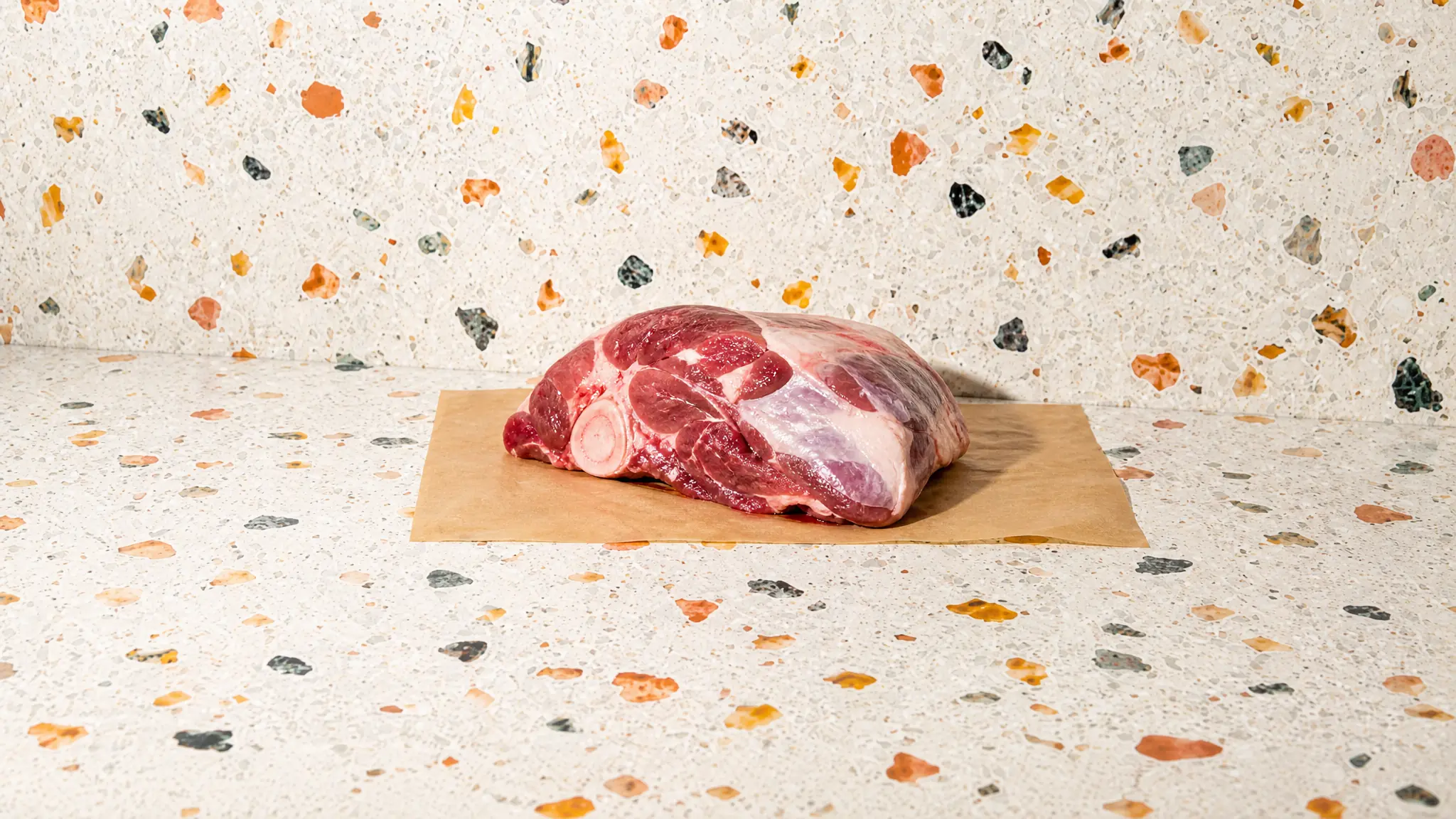
Mutton (Sheep)
Meat
Last updated July 5, 2026. The Tummi Food Team maintains this Can I Feed This safety guide guide. Supporting links appear in Sources when available.



Clinically reviewed by Andria Procopio and Arefa Mohamed
Direct answer
Can babies eat Mutton (Sheep)?
Yes, mutton can typically be introduced around 6 months old, when babies are ready for solid foods, ensuring it is cooked thoroughly and served in small, manageable pieces.
- Serve Age6+months
Most babies start solids around 6 months once they show readiness signs. Match the texture and serving size to your baby's skills.
- No Allergens
Mutton (Sheep) is not flagged as one of the major allergens tracked in this database. Still watch your baby closely when serving any new food.
- Choking Risk123451
Lower choking risk when served in the right texture. Always supervise meals and adjust the shape for your baby.
This guide is for everyday food prep questions. Ask your pediatrician about medical concerns, feeding delays, allergy plans, or serious reactions.
How Do You Serve Mutton (Sheep)?
How to serve Mutton (Sheep) to a 8-month-old baby
- 1Mix well-cooked, finely ground mutton into scoopable foods like mashed vegetables, porridge, or yogurt so pieces are easy to pick up and swallow; avoid offering loose crumbles on their own.
- 2Offer large (≥2 in / 5 cm) soft burgers, meatballs, or patties cooked to an internal temperature of 160°F (71°C) and soft enough to be gently squashed between finger and thumb.
- 3For supervised exploration, give large bone-in chops or thick slow-braised strips that are soft for sucking and gnawing — remove small bones and check for splinters before serving.
- 4Always supervise closely with the child seated upright. Cut foods into large, manageable pieces and avoid small, hard, dry, or sticky bites that can cause choking.
How to serve Mutton (Sheep) to a 11-month-old baby
- 1Cut well-cooked mutton into fine shreds or very small, soft pieces to reduce choking risk and make it easy to gum and swallow.
- 2For cubes from family meals, thoroughly shred or finely chop and separate the fibers; avoid large chunks that require biting.
- 3Break meatballs or patties into small, bite-sized pieces to encourage pincer-grasp practice and independent self-feeding.
- 4If the child isn’t ready for smaller pieces, offer larger soft patties or bone-in chops under close supervision; keep meat moist with sauces and model spitting if a piece becomes stuck.
How to serve Mutton (Sheep) to a 17-month-old baby
- 1Offer shredded or finely sliced mutton (for example, braised shank or slow-cooked shoulder) so pieces pull apart easily; serve in small, bite-sized strips to reduce choking risk.
- 2For tougher cuts, cook low and slow until fork-tender—check tenderness—and mix with a thin sauce, gravy, or stock to keep the meat moist and easier to chew.
- 3When serving meatballs, patties, or cubes, flatten slightly and cut into small pieces; remove any gristle or large connective tissue and discard chunks that don't break apart easily.
- 4Serve sausage only rarely; remove casing when possible, cut lengthwise into tiny strips, and avoid highly salted or heavily spiced varieties.
How to serve Mutton (Sheep) to a 24-month-old baby
- 1Use ground or finely shredded mutton formed into small patties or meatballs (about 1 inch across); ensure pieces are soft and mash easily between your thumb and forefinger.
- 2Offer short, thin cooked strips (cut along the grain) for practicing biting and tearing and avoid kebabs, large cubes, or long chunks that pose a high choking risk.
- 3Keep meat moist by tossing with a little sauce, warm broth, or olive oil — moist meat is easier to chew and swallow.
- 4Portion pieces to thumbnail size so they’re easy to handle, serve at a safe temperature, and always supervise the child while they eat.
Is Mutton (Sheep) a Common Allergen?
Mutton is not a common childhood food allergen. However, people with mammalian red‑meat allergy (including alpha‑gal syndrome) or known beef/lamb allergies may react to sheep meat. Most children with cow’s milk allergy tolerate cooked mutton, but rare cross‑reactions can occur—check with your clinician if concerned. Serve in age‑appropriate, soft textures to avoid choking.
Is Mutton (Sheep) a Choking Hazard?
Low Choking Risk
Meat, including mutton, is a common cause of choking — chunks, cubes, and small firm pieces are especially risky. Ground or crumbled meat can also cause gagging if it falls apart or sticks to the roof of the mouth, so stay within arm’s reach and supervise closely at all times. If your baby gags, stay calm and give them a chance to clear it; seek emergency help if they can’t breathe or cough effectively.
Have More Questions?
Yes, you can store cooked mutton in the refrigerator for up to 3-4 days or in the freezer for up to 3 months, ensuring it is properly cooled and stored in airtight containers.
Yes, freezing pureed mutton in ice cube trays or small containers is an effective way to store it in portions for later use, typically up to 3 months.
It depends. Organic mutton may be more readily available in some regions and could contain fewer antibiotics or hormones, but choosing organic vs. conventional should also consider local availability and personal preference.
Yes, combining mutton with vegetables, grains, or fruits can introduce your baby to diverse flavors and nutrients and may make the meat easier to eat.
It depends. For portion sizes, aim for small, manageable amounts such as 1-2 ounces of cooked meat per feeding, and adjust based on your baby's appetite and age.
Save Mutton (Sheep) to your food log
Track foods, reactions, and prep notes in Tummi when you want to keep your baby's feeding history in one place.
Sources
- Centers for Disease Control and Prevention — Salmonella (general information) cdc.gov
- American Academy of Allergy, Asthma, & Immunology — Alpha-gal and Red Meat Allergy aaaai.org
- Restani P et al. (2009). Meat allergy. Curr Opin Allergy Clin Immunol. pubmed.ncbi.nlm.nih.gov
- Fiocchi A et al. (1995). Meat allergy: II — Effects of food processing. J Am Coll Nutr. pubmed.ncbi.nlm.nih.gov
What Other Meat Can Babies Eat?
See all →
Source-Linked Guidance
See the evidence behind the guide.
Food guides show direct links to public-health guidance and research when supporting references are available. Source inclusion does not imply endorsement.
 Centers for Disease Control and Prevention
Developmental milestones, nutrition guidelines, and allergen introduction timelines.
 American Academy of Pediatrics
Evidence-based feeding recommendations from the leading pediatric authority.
 National Institutes of Health
Peer-reviewed research on infant nutrition, allergies, and food safety.