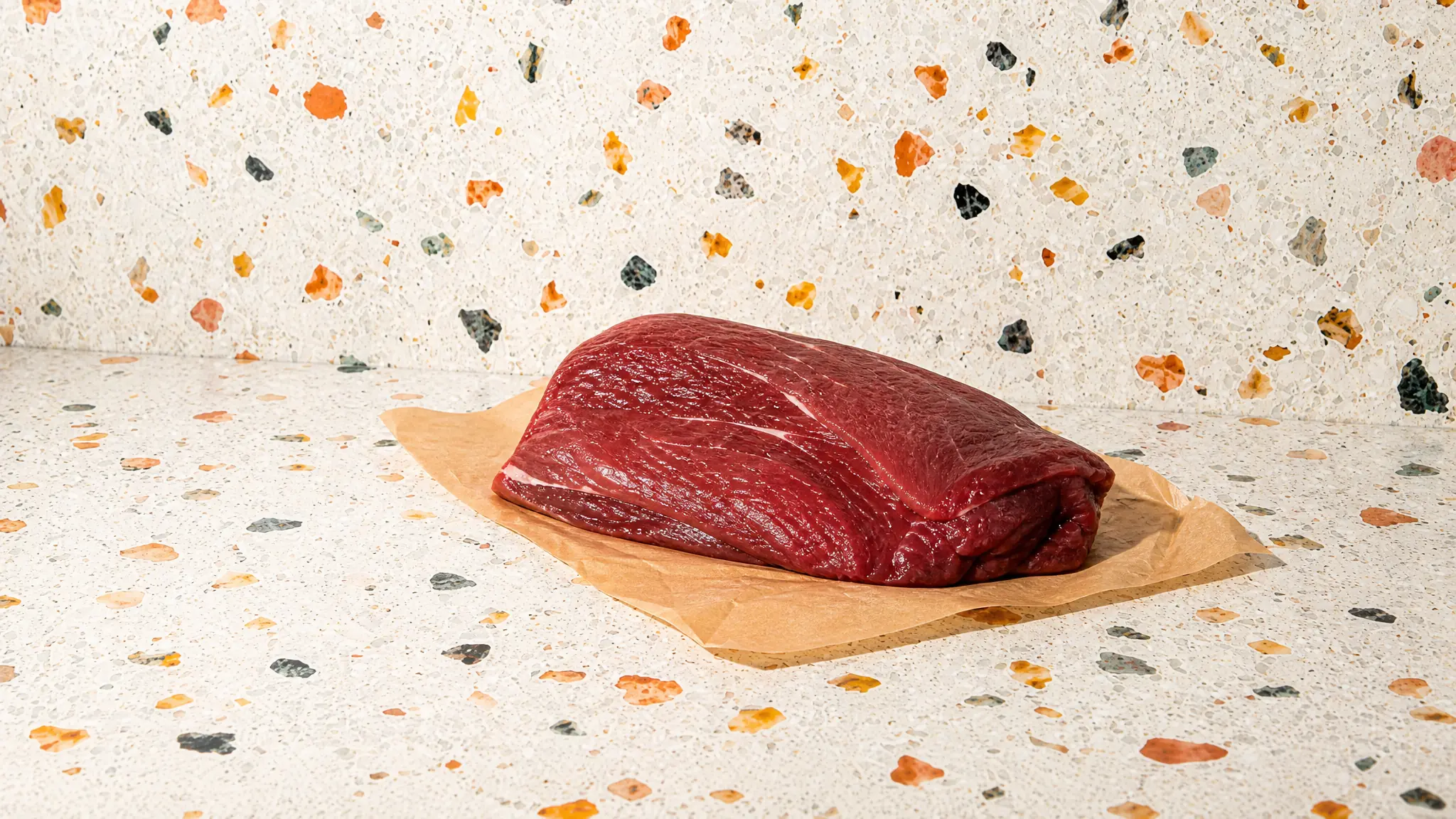
Venison (Deer)
Meat
Last updated July 5, 2026. The Tummi Food Team maintains this Can I Feed This safety guide guide. Supporting links appear in Sources when available.



Clinically reviewed by Andria Procopio and Arefa Mohamed
Direct answer
Can babies eat Venison (Deer)?
Yes, venison can be introduced around 6 months when your baby starts solids, as it provides essential nutrients like iron, zinc, and B-vitamins.
- Serve Age6+months
Most babies start solids around 6 months once they show readiness signs. Match the texture and serving size to your baby's skills.
- No Allergens
Venison (Deer) is not flagged as one of the major allergens tracked in this database. Still watch your baby closely when serving any new food.
- Choking Risk123451
Lower choking risk when served in the right texture. Always supervise meals and adjust the shape for your baby.
This guide is for everyday food prep questions. Ask your pediatrician about medical concerns, feeding delays, allergy plans, or serious reactions.
How Do You Serve Venison (Deer)?
How to serve Venison (Deer) to babies 6 months and older
- 1Cook venison thoroughly (braise, slow-cook, or pan-simmer) until very tender, then remove any visible fat or gristle and shred or finely mince into small, soft pieces.
- 2Offer as a smooth puree, finely minced meat, or mixed into mashed vegetables or grains so the texture is easy to gum and swallow.
- 3Do not add salt, sugar, or strong spices; ensure meat reaches an internal temperature of 71°C (160°F) and cool to a safe eating temperature before serving.
- 4Serve small portions paired with a vitamin C–rich food (for example, mashed fruit or cooked vegetables) to help iron absorption and watch closely for any reaction when introducing it.
How to serve Venison (Deer) to a 8-month-old baby
- 1Mix finely ground, fully cooked venison into soft, scoopable bases (mashed potatoes, pureed vegetables, or oatmeal) so there are no large pieces and the texture is easy to swallow.
- 2For finger-feeding practice, offer well-done venison strips no thicker than two adult fingers pressed together and remove all bones and gristle so the child can safely gnaw and extract juices.
- 3Serve in small, manageable amounts and check the temperature before offering; avoid added salt, honey, or strong seasonings.
- 4Always supervise feeding, introduce one new food at a time to monitor for reactions, and stop if persistent coughing or difficulty breathing occurs.
How to serve Venison (Deer) to a 12-month-old baby
- 1Shape cooked, well-drained ground venison into small, soft patties (about 1–2 cm) so they’re easy to pick up and swallow.
- 2Mix finely crumbled venison into applesauce or plain yogurt to add moisture and reduce dryness while keeping texture manageable.
- 3Cook venison until no pink remains and drain excess fat; avoid added salt.
- 4Serve bite-sized pieces and supervise closely during meals so the child can practice chewing and handling textures safely.
How to serve Venison (Deer) to a 18-month-old baby
- 1Mince or finely shred venison until soft and mashable; aim for very small pieces that can be swallowed without strong chewing.
- 2Serve in moist forms—mix ground venison into patties with added veggies or serve with yogurt, applesauce, or a mild gravy to prevent dryness.
- 3Combine cooked venison into grains, lentils, or cooked vegetables (e.g., rice, quinoa, mashed potatoes) for variety and extra nutrition; keep the mixture moist so it doesn’t stick or crumble.
- 4Check temperature and cut or mash to easy-to-handle sizes; minimize added salt and strong spices to keep flavors mild and safe.
How to serve Venison (Deer) to a 24-month-old baby
- 1Start by offering venison in very small, easy-to-handle portions—finely ground or very thin slices—mixed with a familiar base like mashed potato or pureed vegetables to ease acceptance.
- 2When serving slices, cut across the grain into thin strips, sear quickly on high heat, then let rest before slicing so it stays tender; this helps retain moisture.
- 3Gradually increase slice thickness and introduce small, soft chewable pieces as your child's chewing improves, making only one change at a time and watching closely for coughing or gagging.
- 4Since venison is lean, add a small amount of healthy fat (olive oil, butter, or blended avocado) or braise/simmer in a mild sauce to keep meat moist and more palatable.
- 5Always serve manageable bites, supervise mealtimes, cook venison thoroughly, and introduce new meats on separate days to monitor for any reactions.
Is Venison (Deer) a Common Allergen?
Venison is not one of the common top‑9 allergens, but it is mammalian meat and can trigger red‑meat allergies — notably alpha‑gal syndrome (a tick‑bite–related allergy that can cause delayed reactions). People with known beef or mammalian‑meat allergy may cross‑react to venison. Also beware of cross‑contamination or marinades/recipes that add common allergens (gluten, dairy, soy, sesame, nuts). If your child has a history of meat allergy or unexplained delayed reactions after eating meat, consult an allergist before serving venison.
Is Venison (Deer) a Choking Hazard?
Low Choking Risk
Venison — like other meats — is a common choking hazard because pieces can be tough, slippery, or dry and hard for young children to manage. Its lean texture can increase that risk, so closely supervise babies when they try it and watch for signs of gagging or difficulty breathing. Be prepared to respond quickly if your child struggles, and consult your pediatrician with any concerns.
Have More Questions?
It depends. Venison is generally a suitable protein for babies, but ensure it's cooked thoroughly and served in manageable portions to prevent choking and digestion issues.
It depends. For best storage, vacuum-sealed or airtight containers in the fridge for up to 3 days, and freeze small portions for longer preservation.
It depends. Choosing organic venison can reduce exposure to antibiotics or growth hormones, but both organic and conventional venison are safe for babies if properly prepared.
It depends. Combining venison with vegetables or grains can create a balanced meal and help develop your baby’s palate.
It depends. Typical portion sizes for babies start small, around 1-2 tablespoons, gradually increasing as they grow and develop their eating skills.
Save Venison (Deer) to your food log
Track foods, reactions, and prep notes in Tummi when you want to keep your baby's feeding history in one place.
Sources
- Starting Solid Foods - HealthyChildren.org healthychildren.org
- Iron | Infant and Toddler Nutrition - CDC cdc.gov
- Preparing food safely for babies - NHS nhs.uk
- Choking and gagging on food - NHS nhs.uk
- Venison nutrition and cooking tips - University of Illinois Extension extension.illinois.edu
- Alternate Red Meat Products - USDA ARS ars.usda.gov
- Food Allergies: The 'Big 9' - USDA FSIS fsis.usda.gov
- Alpha-Gal Syndrome and Meat Allergy - Allergy & Asthma Network allergyasthmanetwork.org
What Other Meat Can Babies Eat?
See all →
Source-Linked Guidance
See the evidence behind the guide.
Food guides show direct links to public-health guidance and research when supporting references are available. Source inclusion does not imply endorsement.
 Centers for Disease Control and Prevention
Developmental milestones, nutrition guidelines, and allergen introduction timelines.
 American Academy of Pediatrics
Evidence-based feeding recommendations from the leading pediatric authority.
 National Institutes of Health
Peer-reviewed research on infant nutrition, allergies, and food safety.