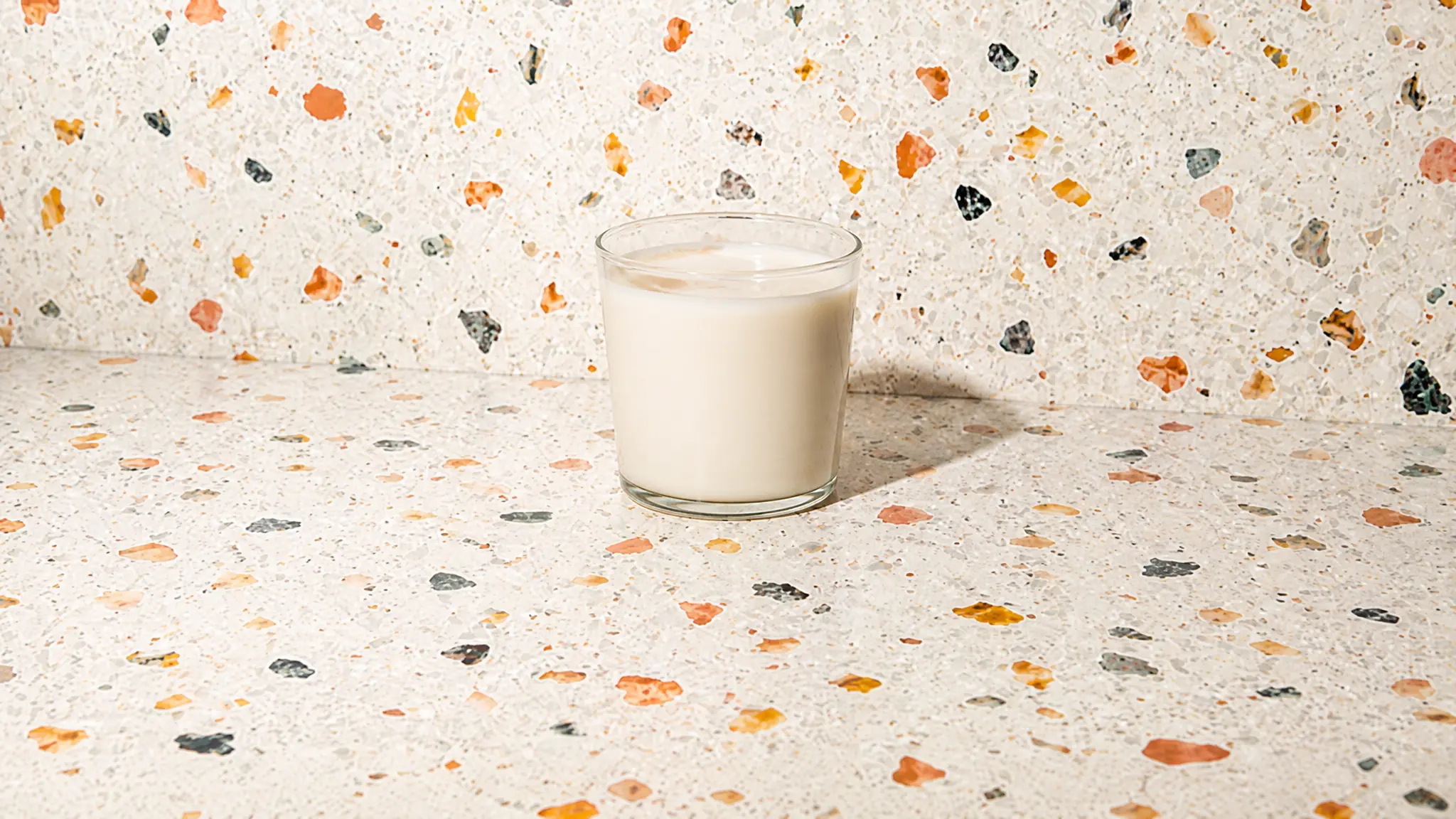
Oat Milk
Drink
Last updated July 5, 2026. The Tummi Food Team maintains this Can I Feed This safety guide guide. Supporting links appear in Sources when available.



Clinically reviewed by Andria Procopio and Arefa Mohamed
Direct answer
Can babies eat Oat Milk?
Oat milk should not be offered as a drink before 12 months, but an unsweetened version can be used as an ingredient in food from around 6 months once your baby shows the developmental signs of readiness for solids.
- Serve Age12+months
Most babies start solids around 6 months once they show readiness signs. Match the texture and serving size to your baby's skills.
- No Allergens
Oat Milk is not flagged as one of the major allergens tracked in this database. Still watch your baby closely when serving any new food.
- Choking Risk123451
Lower choking risk when served in the right texture. Always supervise meals and adjust the shape for your baby.
This guide is for everyday food prep questions. Ask your pediatrician about medical concerns, feeding delays, allergy plans, or serious reactions.
How Do You Serve Oat Milk?
How to serve Oat Milk to a 11-month-old baby
- 1Add oat milk to porridges, purees, or mashed foods to thin or cream textures—start with a small amount and mix until smooth.
- 2Do not offer oat milk as a cup drink; continue offering breast milk or formula as the main beverage.
- 3Introduce oat milk slowly: start with a teaspoon mixed into food and increase over several days. Stop and contact a healthcare provider if you see rash, vomiting, diarrhea, or breathing changes.
- 4Prep tips: choose unsweetened, plain oat milk and avoid added sugar or salt; warm slightly for a smoother blend and mash or blend foods as needed.
How to serve Oat Milk to a 12-month-old baby
- 1Offer tiny sips of oat milk from an open cup while supervising to help practice cup drinking; sips are optional and should be brief.
- 2Keep breast milk or formula as the main source of nutrition so oat milk does not replace regular feedings.
- 3Prefer using oat milk as an ingredient in cereals, porridges, or recipes rather than as the primary drink.
- 4Watch your child’s response and appetite; stop or reduce oat milk if they eat less or show any concern. Consult your pediatrician for any allergic reactions or persistent digestive changes.
How to serve Oat Milk to babies 12 months and older
- 1Serve oat milk plain or with foods like cereal; when offering regularly, choose fortified brands to supply added vitamins and minerals.
- 2Aim to keep total milk to about 16 oz (≈480 mL) per day to help preserve appetite for other foods.
- 3Milk is not required — nutrients in fortified oat milk can also come from a varied diet. Offer iron-rich foods and other sources of calcium and vitamin D to meet needs.
- 4If your child has celiac disease or gluten sensitivity, use certified gluten-free oat products and carefully check labels for cross-contact.
- 5Shake well and pick unsweetened varieties; avoid frequent use of sweetened or flavored oat milks.
Is Oat Milk a Common Allergen?
Oat milk is naturally dairy-, egg-, peanut-, tree‑nut‑, soy‑ and shellfish‑free, but it contains oats which can cause allergic reactions in people with an oat (avenin) allergy. Oats are often cross‑contaminated with wheat/barley, so choose products labeled “certified gluten‑free” for children with celiac disease or gluten sensitivity. Some brands add other proteins (e.g., pea) or are processed in facilities handling nuts or soy—always read labels and contact the manufacturer if your child has severe allergies.
Is Oat Milk a Choking Hazard?
Very Low Choking Risk
Oat milk is low risk for choking, but any food or drink can pose a choking hazard for an individual baby. Keep your baby seated and within arm’s reach during feeds, watch closely for signs of coughing or distress, and be prepared to respond quickly. Consider learning basic choking first aid so you can act confidently if needed.
Have More Questions?
Hold off on oat milk as a drink until after your baby’s first birthday to ensure they get enough breast milk or formula. It can be used as an ingredient in solids before then.
Yes, oat milk can be used in cooking or mixed into foods for babies starting solids, but it should not replace breast milk or formula as their main fluid source in the first year.
Fortified oat milk can be offered as a drink from 12 months as part of a balanced diet. Choose an unsweetened product fortified with calcium and vitamin D, check the label because nutrients vary by brand, and make sure the child’s overall diet provides enough protein and other nutrients.
No, oats are not one of the nine major food allergens recognized in the United States, but they can still cause an allergic reaction in some children. Check the oat milk’s ingredient and allergen labels because products may contain other ingredients that are major allergens.
Oat milk is a liquid and does not have the hard, sticky, small, or round forms associated with typical solid-food choking hazards. Keep your child seated upright and supervise whenever they eat or drink.
Save Oat Milk to your food log
Track foods, reactions, and prep notes in Tummi when you want to keep your baby's feeding history in one place.
Sources
- Boussault P., Léauté-Labrèze C., Saubusse E., et al. (2007). Oat sensitization in children with atopic dermatitis: prevalence, risks and associated factors. Allergy. doi.org
- Blackman A. C., Anvari S., Davis C. M., Anagnostou A. (2019). Emerging triggers of food protein-induced enterocolitis syndrome: Lessons from a pediatric cohort. doi.org
- Mehr S., Campbell D. E. (2019). Food protein-induced enterocolitis syndrome: guidelines summary and practice recommendations. The Medical Journal of Australia. doi.org
- Ciecierska A., Drywień M. E., Hamulka J., Sadkowski T. (2019). Nutraceutical functions of beta-glucans in human nutrition. Rocz Panstw Zakl Hig. doi.org
- Pinto-Sánchez M. I., Causada-Calo N., Bercik P., et al. (2017). Safety of Adding Oats to a Gluten-Free Diet for Patients With Celiac Disease: Systematic Review and Meta-analysis. Gastroenterology. doi.org
- Food Allergy Research & Education. Wheat Allergy. foodallergy.org
- American College of Allergy, Asthma & Immunology. Wheat Allergy. acaai.org
What Other Drink Can Babies Eat?
See all →
Source-Linked Guidance
See the evidence behind the guide.
Food guides show direct links to public-health guidance and research when supporting references are available. Source inclusion does not imply endorsement.
 Centers for Disease Control and Prevention
Developmental milestones, nutrition guidelines, and allergen introduction timelines.
 American Academy of Pediatrics
Evidence-based feeding recommendations from the leading pediatric authority.
 National Institutes of Health
Peer-reviewed research on infant nutrition, allergies, and food safety.