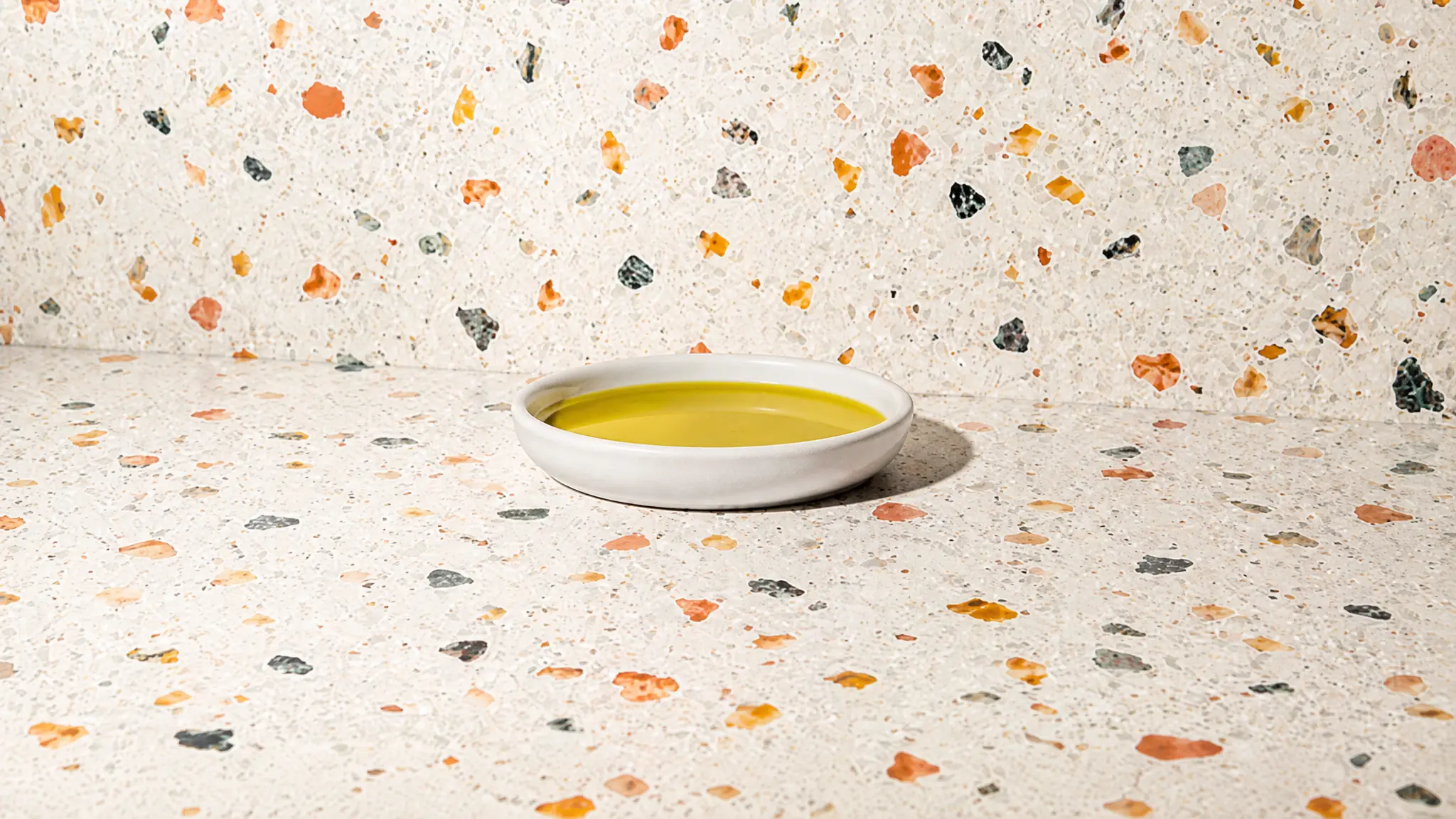
Avocado Oil
Oil
Last updated July 5, 2026. The Tummi Food Team maintains this Can I Feed This safety guide guide. Supporting links appear in Sources when available.



Clinically reviewed by Andria Procopio and Arefa Mohamed
Direct answer
Can babies eat Avocado Oil?
Yes, avocado oil can be introduced around 6 months of age, drizzled onto foods or used in cooking, as it is nutrient-rich and safe for babies.
- Serve Age6+months
Most babies start solids around 6 months once they show readiness signs. Match the texture and serving size to your baby's skills.
- No Allergens
Avocado Oil is not flagged as one of the major allergens tracked in this database. Still watch your baby closely when serving any new food.
- Choking Risk123451
Lower choking risk when served in the right texture. Always supervise meals and adjust the shape for your baby.
This guide is for everyday food prep questions. Ask your pediatrician about medical concerns, feeding delays, allergy plans, or serious reactions.
How Do You Serve Avocado Oil?
How to serve Avocado Oil to babies 6 months and older
- 1Start with 1/4–1 teaspoon stirred into a spoonful of puree or mashed food so baby can taste, and gradually increase to about 1 teaspoon if well tolerated.
- 2Mix into smooth purees or sauces, or drizzle a very thin film over soft finger foods—avoid pooling oil that could make foods slippery.
- 3When using for cooking, choose light (refined) avocado oil and cook on low–medium heat; avoid adding hot oil directly to baby’s food.
- 4Make sure textures are smooth or well-mashed for spoon-feeding and soft, manageable pieces for self-feeding, and always stay with baby during meals to watch for choking.
- 5Store oil tightly sealed away from heat and light, and stop use and consult your pediatrician if you notice any rash or unusual symptoms.
How to serve Avocado Oil to babies 12 months and older
- 1Use avocado oil in dressings, marinades, dips, and for cooking — offer a small, shallow dish for dipping so your child can safely self-feed.
- 2Use avocado oil for moderate-to-high-heat cooking because of its higher smoke point. Let hot foods cool slightly and test temperature before serving.
- 3Start with small amounts in dressings or dips and mix with familiar foods (e.g., yogurt or mashed vegetables) to ease acceptance.
- 4Always supervise mealtimes, serve appropriate textures to reduce choking risk, and watch for any unusual reactions after introducing or increasing oil in meals.
Is Avocado Oil a Common Allergen?
Avocado oil is not a common major allergen, but people with a known avocado allergy or latex‑fruit syndrome can react and should avoid avocado oil. Highly refined avocado oils typically have minimal protein and are less likely to cause reactions, while unrefined/cold‑pressed oils may retain allergenic proteins—exercise caution. Check labels for cross-contact or adulteration and consult your pediatrician/allergist before offering to infants or anyone with known avocado or latex allergy.
Is Avocado Oil a Choking Hazard?
Very Low Choking Risk
Avocado oil itself is low risk for choking since it’s a liquid, but any food or feeding situation can pose a risk depending on a child’s developmental stage. Always keep babies seated upright and within reach during meals so you can respond quickly if they cough or choke. Be familiar with basic choking first aid and seek immediate help if you suspect a complete airway blockage.
Have More Questions?
It depends. Avocado oil can be stored in a cool, dark place like the pantry or refrigerator, and it typically has a long shelf life when properly stored.
It depends. You can freeze avocado oil in an airtight container or ice cube tray for later use, especially if you purchase it in bulk, to extend its shelf life.
It depends. When choosing avocado oil for your baby, opt for organic and cold-pressed varieties to avoid potential pesticides and preserve nutrients.
It depends. Combining avocado oil with soft, easily mashed foods like fruits or vegetables is fine, but avoid mixing it into very dense or textured foods that could be choking hazards.
It depends. Serving sizes vary depending on your baby’s age and appetite, but start with small drizzles or teaspoons and increase gradually as tolerated.
Save Avocado Oil to your food log
Track foods, reactions, and prep notes in Tummi when you want to keep your baby's feeding history in one place.
Sources
- Prevalence of Avocado Allergy among Atopic Patients pubmed.ncbi.nlm.nih.gov
- Latex Allergy | AAAAI aaaai.org
- Allergic sensitization and clinical reactions to latex, food and pollen (Levy et al., 2000) onlinelibrary.wiley.com
- Emerging triggers of food protein–induced enterocolitis syndrome (Blackman et al., 2019) pubmed.ncbi.nlm.nih.gov
What Other Oil Can Babies Eat?
See all →
Source-Linked Guidance
See the evidence behind the guide.
Food guides show direct links to public-health guidance and research when supporting references are available. Source inclusion does not imply endorsement.
 Centers for Disease Control and Prevention
Developmental milestones, nutrition guidelines, and allergen introduction timelines.
 American Academy of Pediatrics
Evidence-based feeding recommendations from the leading pediatric authority.
 National Institutes of Health
Peer-reviewed research on infant nutrition, allergies, and food safety.