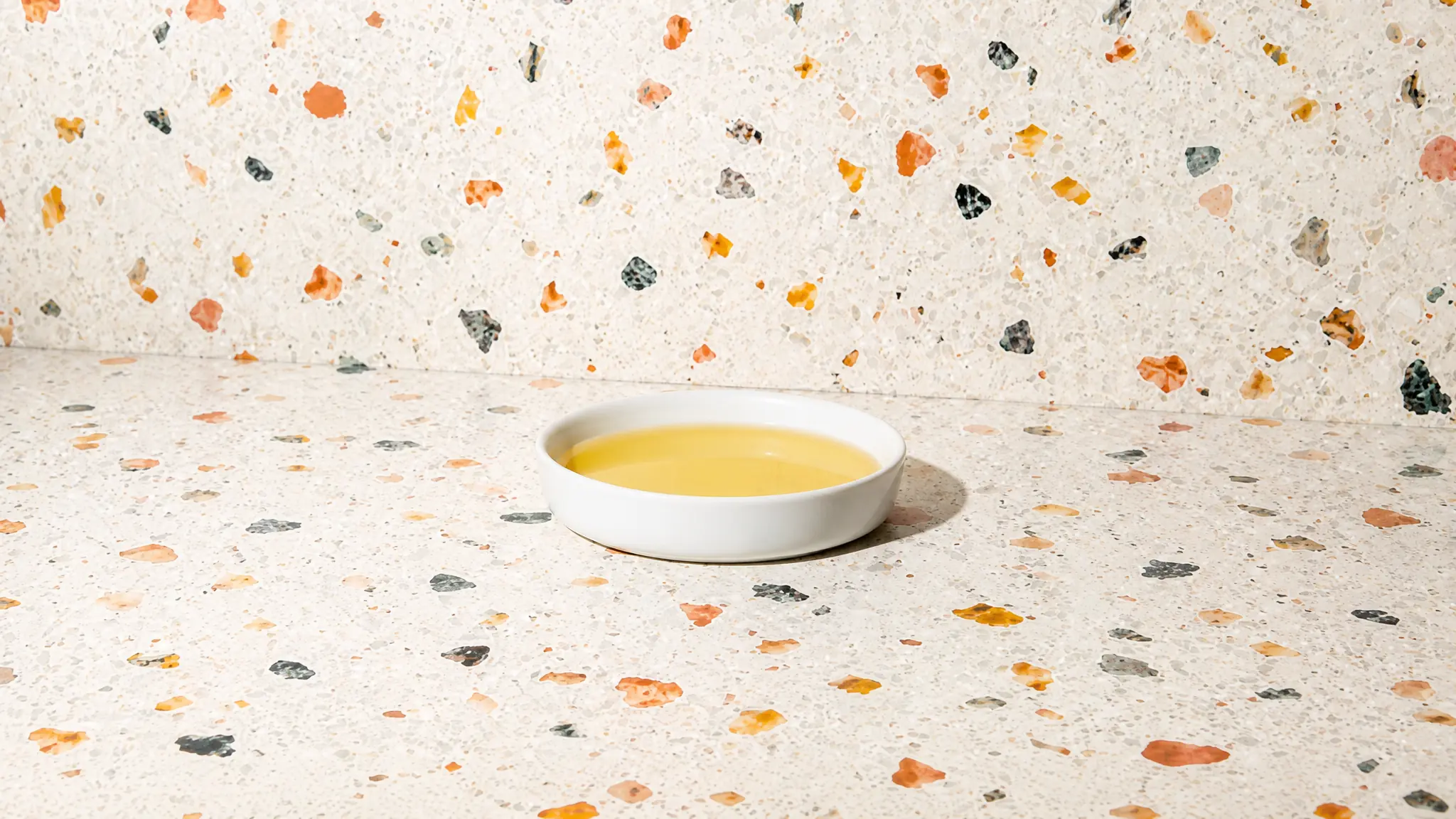
Sunflower Oil
Oil
Last updated July 5, 2026. The Tummi Food Team maintains this Can I Feed This safety guide guide. Supporting links appear in Sources when available.



Clinically reviewed by Andria Procopio and Arefa Mohamed
Direct answer
Can babies eat Sunflower Oil?
Yes, sunflower oil can be introduced when your baby is around 6 months old and ready for solids; use in cooking or as a raw dressing.
- Serve Age6+months
Most babies start solids around 6 months once they show readiness signs. Match the texture and serving size to your baby's skills.
- No Allergens
Sunflower Oil is not flagged as one of the major allergens tracked in this database. Still watch your baby closely when serving any new food.
- Choking Risk123451
Lower choking risk when served in the right texture. Always supervise meals and adjust the shape for your baby.
This guide is for everyday food prep questions. Ask your pediatrician about medical concerns, feeding delays, allergy plans, or serious reactions.
How Do You Serve Sunflower Oil?
How to serve Sunflower Oil to babies 6 months and older
- 1Start with a very small amount — a drop to 1/4 teaspoon of sunflower oil mixed into dressings, sauces, or cooked purees to introduce flavor and healthy fats.
- 2Mix thoroughly so the oil is evenly distributed, then offer a tiny drizzle or taste on their plate rather than pouring directly onto food.
- 3Keep textures safe: ensure purees stay smooth and thin, and avoid oily pools or slick surfaces that can be hard to swallow.
- 4Supervise all feedings and stop if you observe coughing, gagging, or any allergic reaction.
How to serve Sunflower Oil to babies 12 months and older
- 1Use sunflower oil to dress salads, stir into sauces and marinades, or drizzle over cooked vegetables and grains for extra healthy fats.
- 2Make safe dips by mixing about 1 teaspoon of sunflower oil with mashed avocado, yogurt, or pureed vegetables to achieve a smooth, thin consistency — keep dips thin.
- 3When cooking, use low-to-moderate heat and add oil toward the end to reduce smoking and preserve nutrients.
- 4Serve small portions (about 1 tsp per serving as a starting point), maintain suitable textures, and always supervise during eating.
Is Sunflower Oil a Common Allergen?
Refined sunflower oil is generally not considered a common allergen and is usually safe for children with nut and seed allergies because refining removes most seed proteins. However, unrefined or cold-pressed sunflower oil can contain residual seed proteins and may trigger reactions in people with sunflower seed allergy. Always check product labels for 'may contain' or shared-facility warnings (e.g., peanuts, sesame) and avoid unrefined sunflower oil if your child has a known seed allergy. When in doubt, consult your allergist.
Is Sunflower Oil a Choking Hazard?
Very Low Choking Risk
Sunflower oil poses a low choking risk, but when introducing it watch your baby closely—stay within arm’s reach and keep them seated upright. Because liquids and oil-coated foods can alter texture, be alert for gagging or coughing as your child learns to swallow and be prepared to act if choking occurs. Refresh your knowledge of infant choking first aid so you can respond quickly if needed.
Have More Questions?
Yes, you can store sunflower oil at room temperature in a cool, dark place, away from heat and sunlight, to maintain its quality.
Yes, you can freeze sunflower oil in an airtight container for several months, which can help extend its shelf life and keep it fresh for baby feeding.
It depends. Organic sunflower oil tends to be free from pesticides and chemicals, making it a preferred choice, but conventional sunflower oil is also safe and widely used.
Yes, sunflower oil can be combined with other oils or ingredients during cooking or in dressings to introduce variety to your baby's diet.
It depends. Portion sizes for babies vary depending on age and dietary needs; start with small amounts, such as a teaspoon, and adjust as your baby grows and tolerates more.
Save Sunflower Oil to your food log
Track foods, reactions, and prep notes in Tummi when you want to keep your baby's feeding history in one place.
Sources
- Sunflower seed allergy (Ukleja-Sokołowska et al., 2016) doi.org
What Other Oil Can Babies Eat?
See all →
Source-Linked Guidance
See the evidence behind the guide.
Food guides show direct links to public-health guidance and research when supporting references are available. Source inclusion does not imply endorsement.
 Centers for Disease Control and Prevention
Developmental milestones, nutrition guidelines, and allergen introduction timelines.
 American Academy of Pediatrics
Evidence-based feeding recommendations from the leading pediatric authority.
 National Institutes of Health
Peer-reviewed research on infant nutrition, allergies, and food safety.