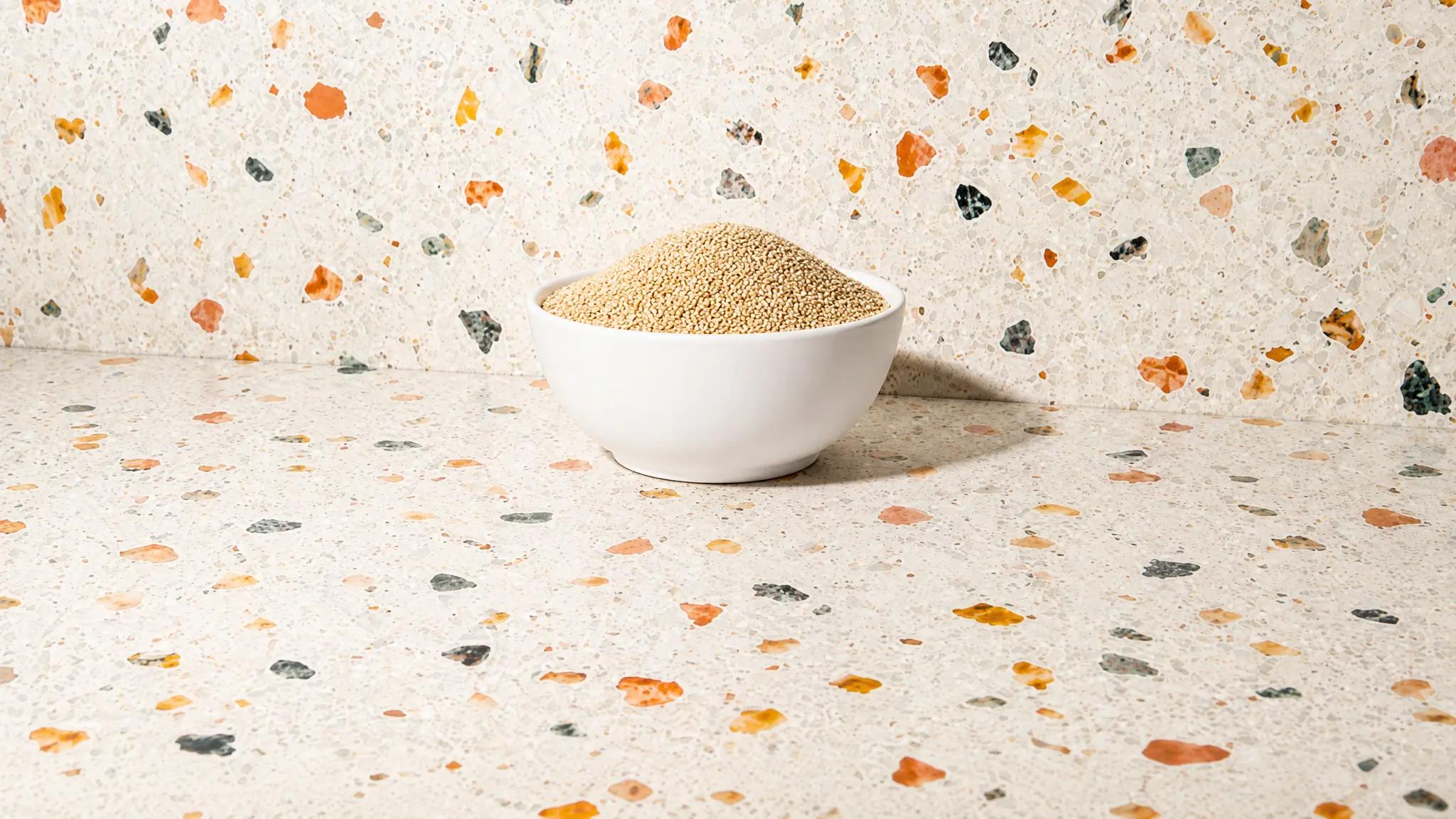
Amaranth Seed
Pseudograin
Last updated July 5, 2026. The Tummi Food Team maintains this Can I Feed This safety guide guide. Supporting links appear in Sources when available.



Clinically reviewed by Andria Procopio and Arefa Mohamed
Direct answer
Can babies eat Amaranth Seed?
Yes, amaranth seed can be introduced around 6 months when your baby is ready for solids, prepared thoroughly and served in small, manageable portions.
- Serve Age6+months
Most babies start solids around 6 months once they show readiness signs. Match the texture and serving size to your baby's skills.
- No Allergens
Amaranth Seed is not flagged as one of the major allergens tracked in this database. Still watch your baby closely when serving any new food.
- Choking Risk123451
Lower choking risk when served in the right texture. Always supervise meals and adjust the shape for your baby.
This guide is for everyday food prep questions. Ask your pediatrician about medical concerns, feeding delays, allergy plans, or serious reactions.
How Do You Serve Amaranth Seed?
How to serve Amaranth Seed to a 12-month-old baby
- 1Rinse amaranth well under cold water; if your baby has sensitive digestion, soak 4–8 hours to soften the grains and reduce cooking time.
- 2Cook using about 1 cup amaranth to 3 cups water (or milk), simmering and stirring for 20–25 minutes until the grains break down into a smooth, spoonable porridge.
- 3Let the porridge cool to lukewarm and check texture on a spoon — it should be smooth and easy to swallow. Always test temperature on your wrist before feeding.
- 4For baby-led weaning, place a thick scoop in a suction bowl or pre-load a spoon so your baby can practice grasping and scooping; supervise closely and offer small amounts.
- 5Store leftovers in the refrigerator up to 48 hours or freeze portions; reheat thoroughly and stir before serving to restore an even texture.
How to serve Amaranth Seed to a 18-month-old baby
- 1Cook amaranth into a thicker porridge by using slightly less liquid and simmering until the grains hold together; serve warm but not hot in a shallow bowl.
- 2Mix cooled porridge into plain full-fat yogurt for a creamier, spoonable texture that’s easier for little hands to manage.
- 3Provide one or two pre-loaded spoons resting on the bowl edge to encourage utensil use and independent practice.
- 4Keep portions small, guide their hands gently as needed, and avoid added sugars so they learn to enjoy whole-food flavors.
How to serve Amaranth Seed to a 24-month-old baby
- 1Rinse amaranth then simmer with liquid (about 1:3 for porridge or 1:2 for fluffy grains) for 20–25 minutes until tender.
- 2Mash or mix cooked amaranth with soft ingredients like mashed banana, plain yogurt, or cooked vegetables to make porridges, casseroles, or patties that are easy to eat.
- 3Make crunchy toppings by lightly toasting seeds in a dry skillet for 2–3 minutes and sprinkle sparingly in small amounts to keep textures safe.
- 4Season simply with mild flavors—cinnamon, gentle herbs, or a small amount of savory seasoning—and use naturally sweet liquids or fruit purées instead of added sugars.
- 5Offer a variety of textures across meals—smooth porridge, soft patties, and a small crunchy topping—to support chewing practice and acceptance of new foods.
Is Amaranth Seed a Common Allergen?
Amaranth (rajgira) is not a common major allergen and is naturally gluten‑free, so it’s generally safe for those avoiding wheat/gluten. Rare allergic reactions, including case‑reported anaphylaxis, have occurred, so avoid amaranth if your child has a known seed allergy or prior severe food reactions and consult an allergist for concerns. Always check product labels for cross‑contact (nuts, gluten) and choose certified gluten‑free products when necessary. For infants and toddlers, do not give whole seeds—offer amaranth in age‑appropriate, pureed or well‑cooked forms to reduce choking risk.
Is Amaranth Seed a Choking Hazard?
Very Low Choking Risk
Cooked amaranth isn’t typically a common choking hazard, but dry or loose seeds could pose a risk if a baby inhales them. Stay within arm’s reach during meals and watch closely for coughing, gagging, or any signs of labored breathing, which need immediate attention. If your baby shows persistent difficulty swallowing or breathing, seek emergency help right away.
Save Amaranth Seed to your food log
Track foods, reactions, and prep notes in Tummi when you want to keep your baby's feeding history in one place.
Sources
- Last Chance Foods: Amaranth's Ancient History wnyc.org
- Amaranth - May Grain of the Month (The Whole Grains Council) wholegrainscouncil.org
- Assessing the Sensitizing and Allergenic Potential of the Albumin and Globulin Fractions from Amaranth (Medicina, 2019) mdpi.com
Source-Linked Guidance
See the evidence behind the guide.
Food guides show direct links to public-health guidance and research when supporting references are available. Source inclusion does not imply endorsement.
 Centers for Disease Control and Prevention
Developmental milestones, nutrition guidelines, and allergen introduction timelines.
 American Academy of Pediatrics
Evidence-based feeding recommendations from the leading pediatric authority.
 National Institutes of Health
Peer-reviewed research on infant nutrition, allergies, and food safety.