Can babies eat grains?
Check baby-safe grains, pasta, rice, oatmeal, seeds, and pseudograins with texture and choking-risk notes.
39 foods
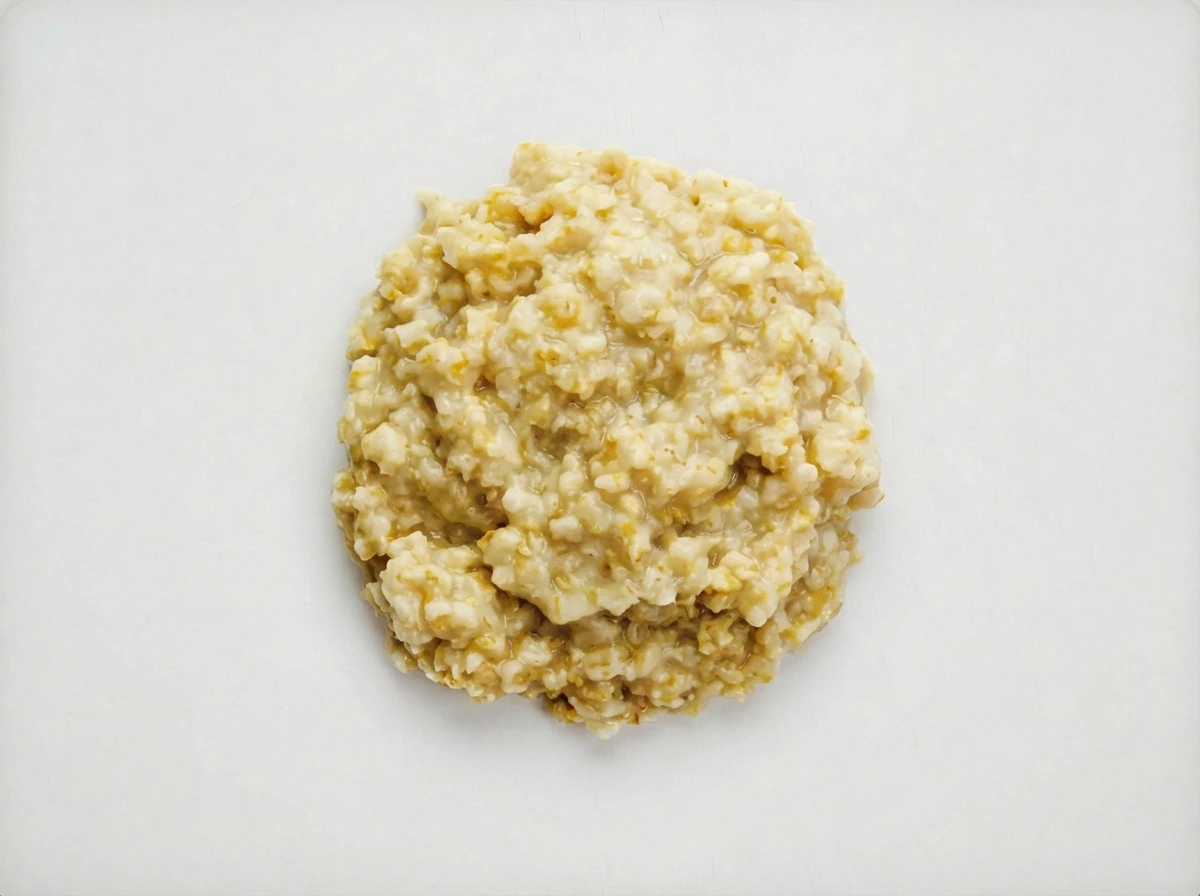
Oats & Oatmeal
Grain
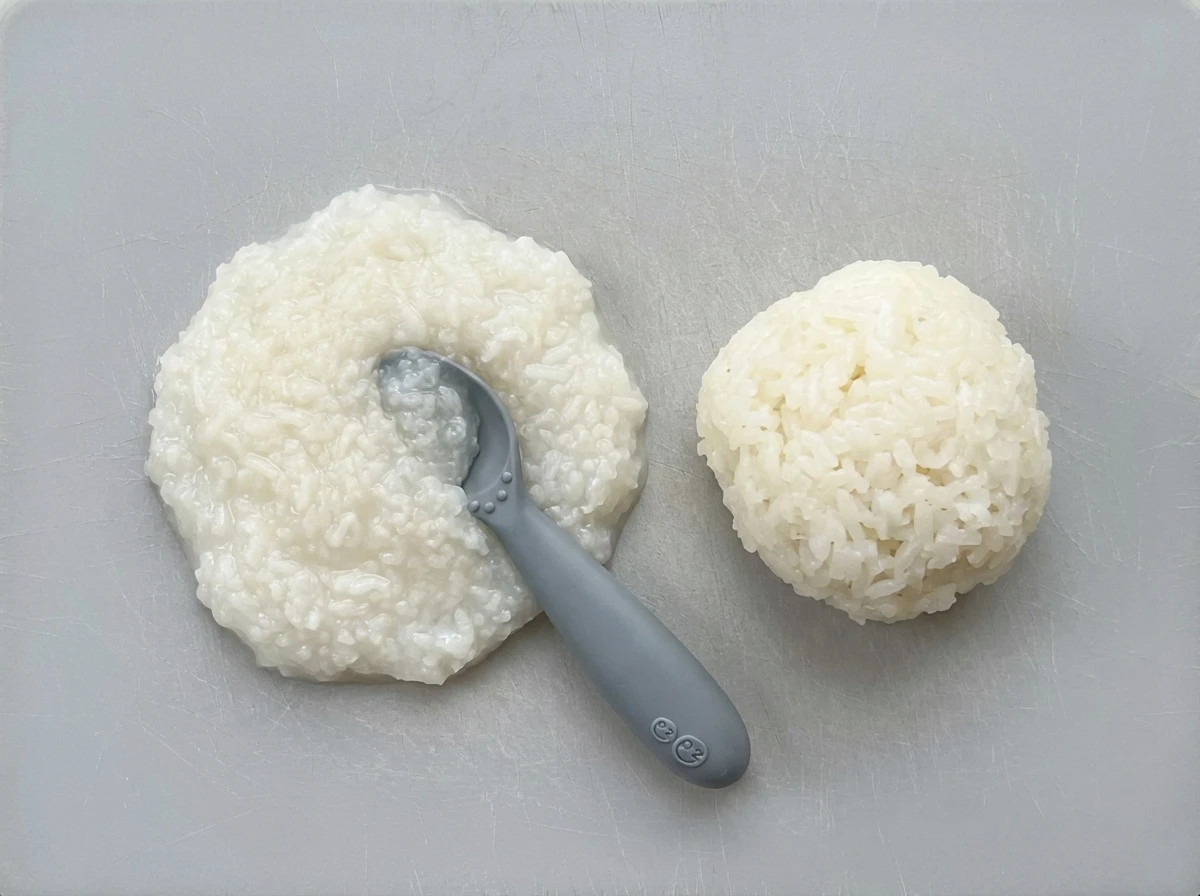
Rice
Grain
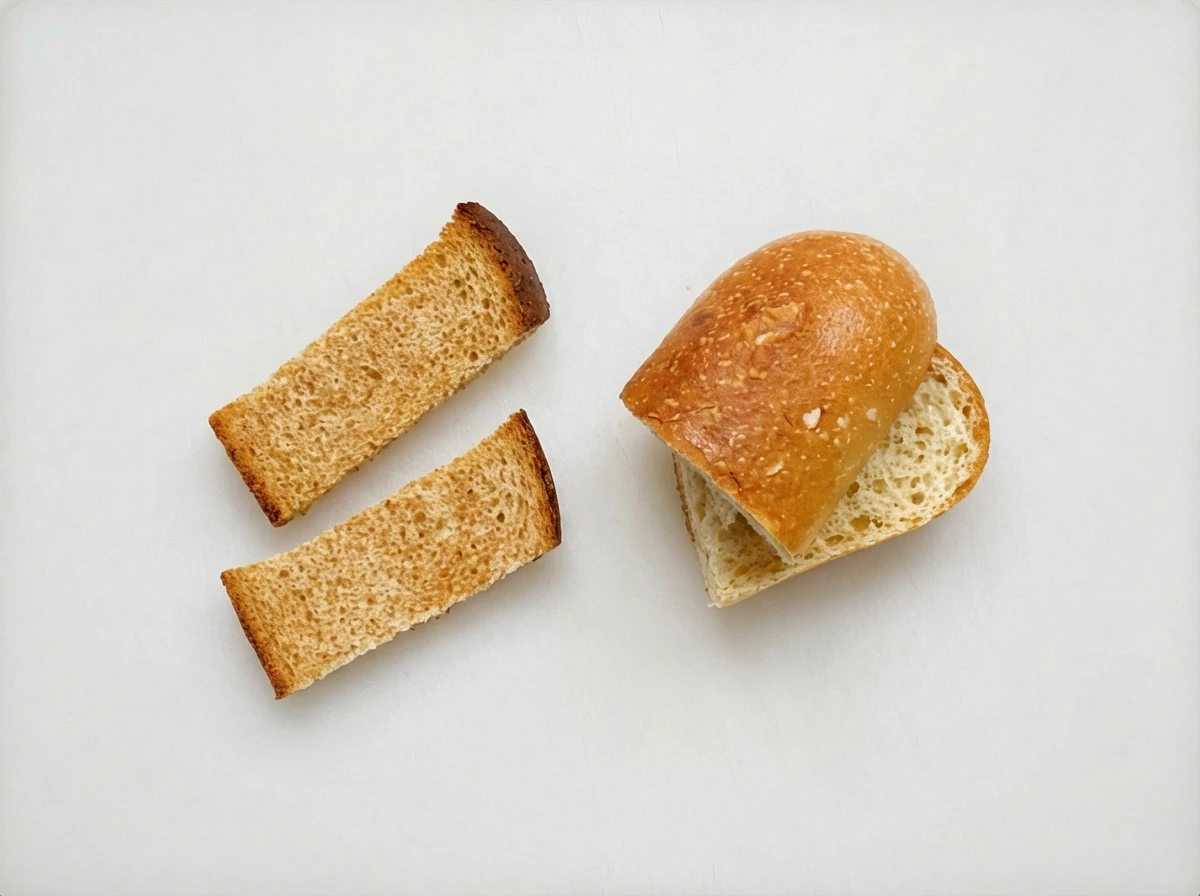
Bread
Grain
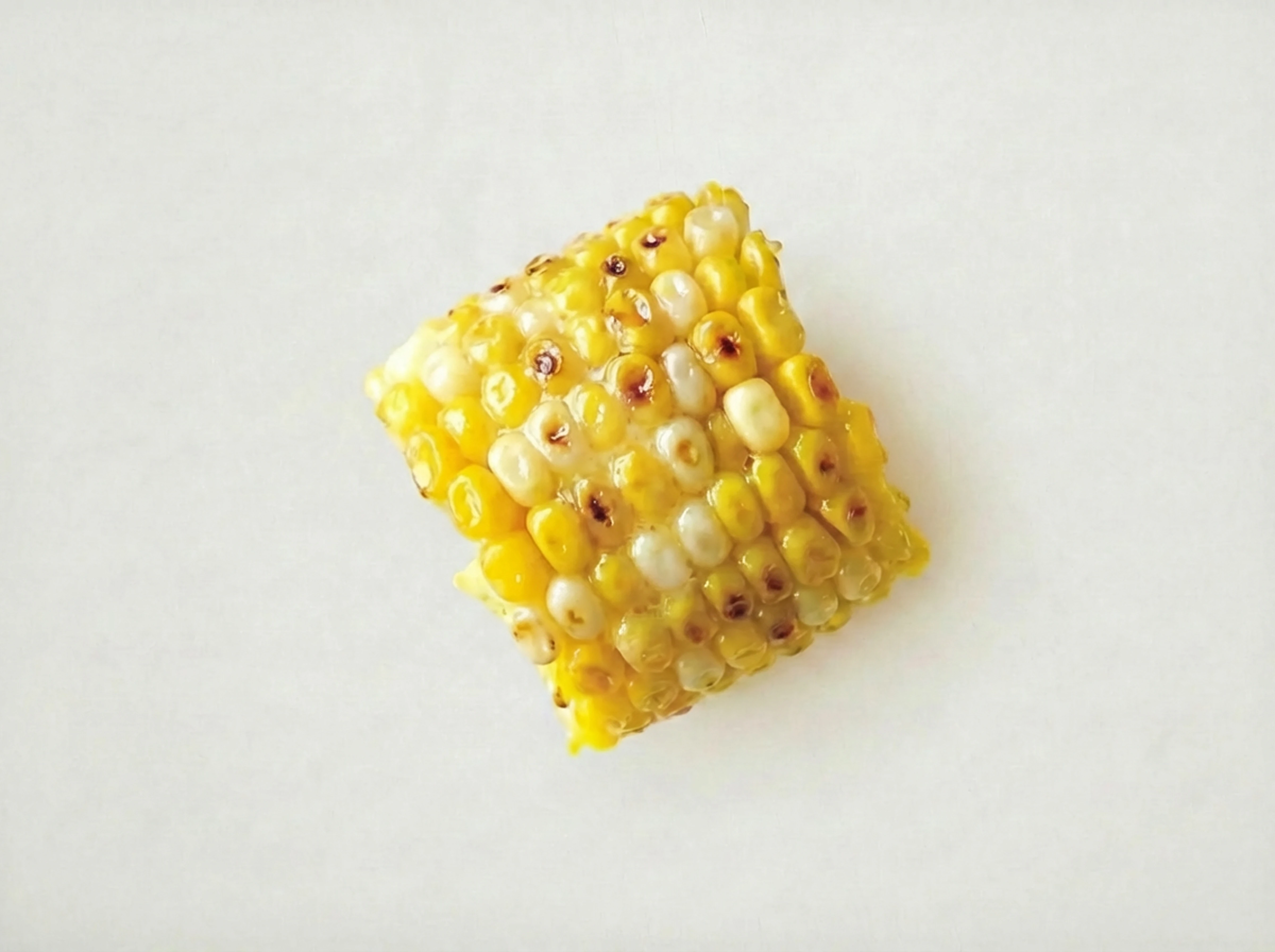
Corn
Grain
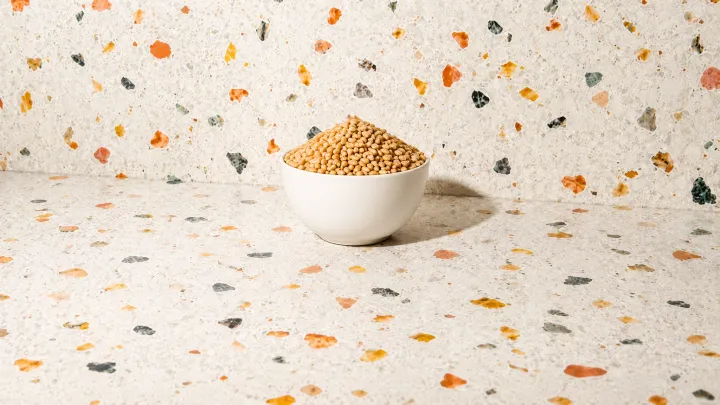
Wheat
Grain
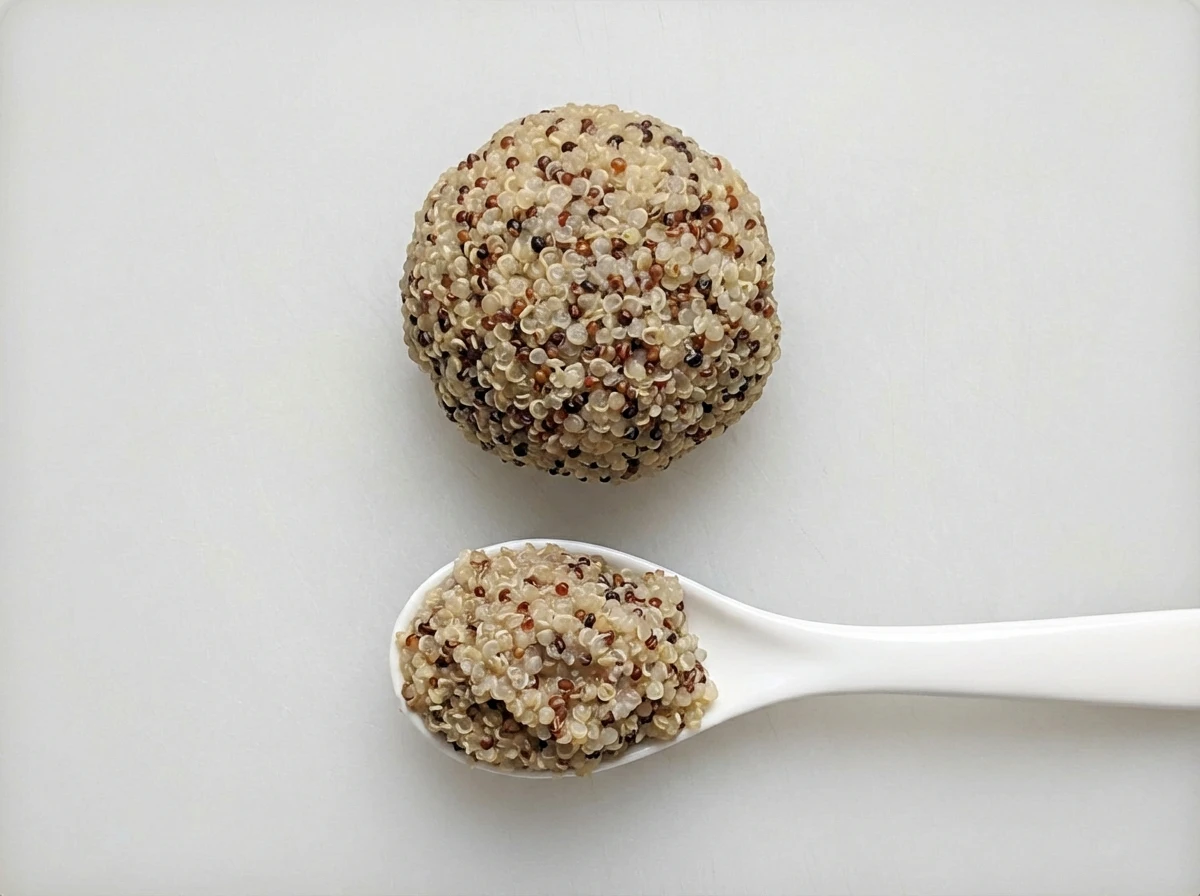
Quinoa
Pseudograin
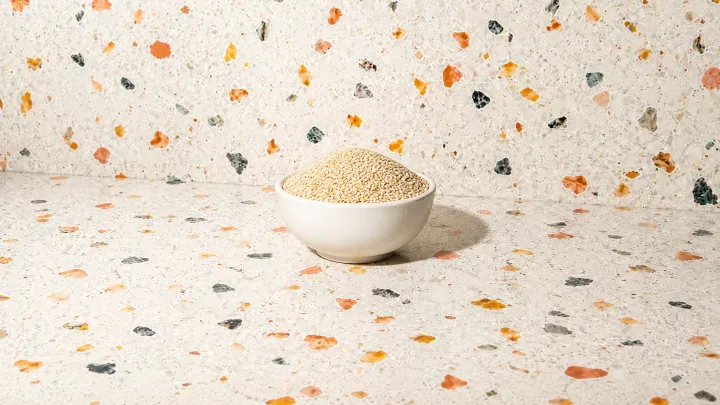
Sesame
Seed
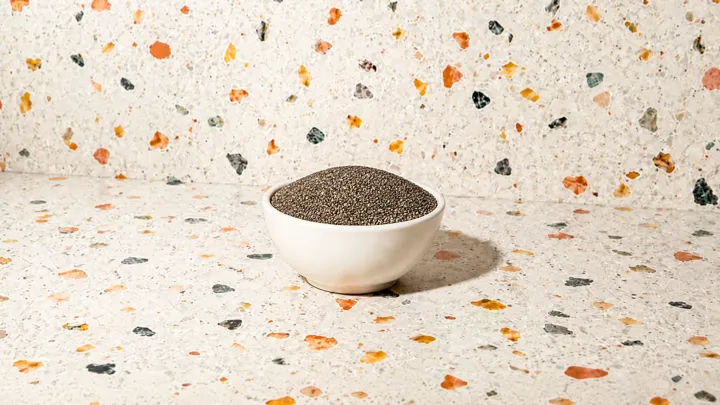
Chia Seeds
Seed
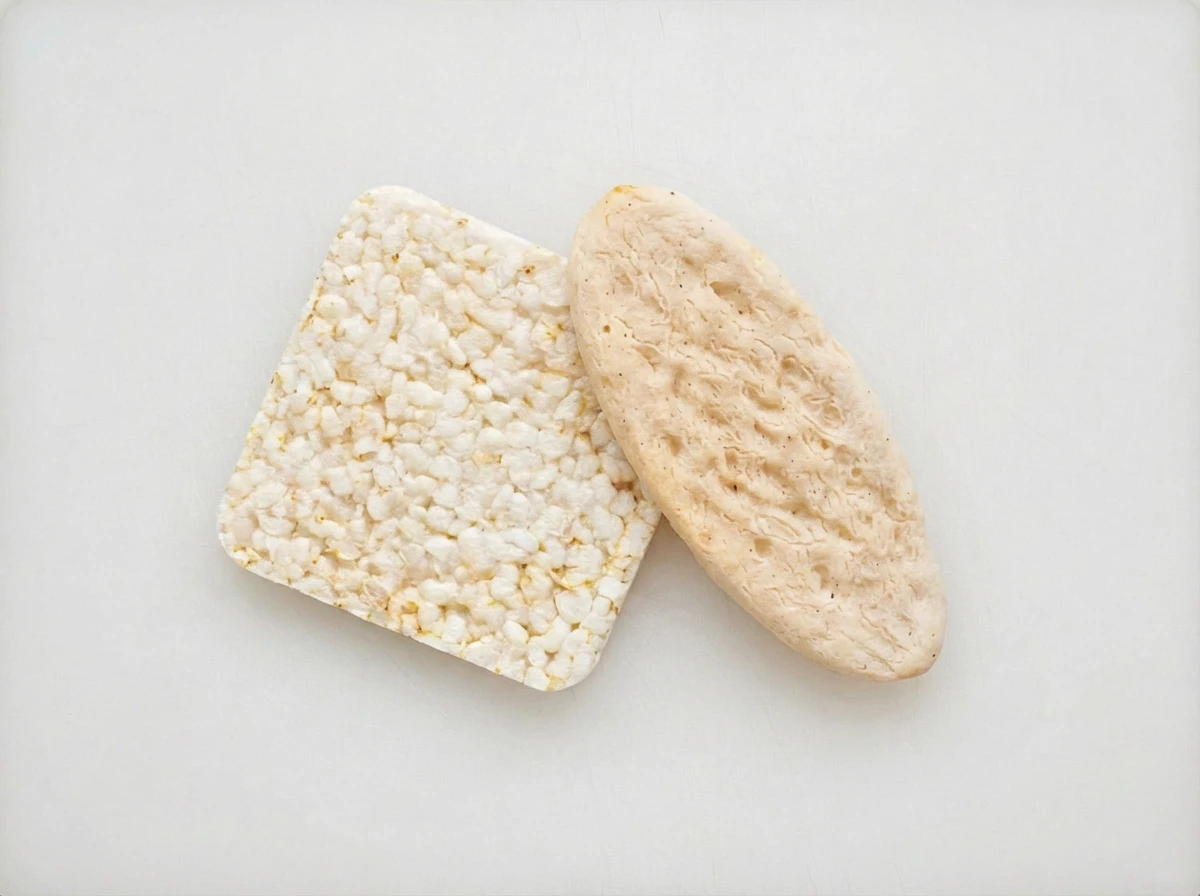
Crackers
Grain
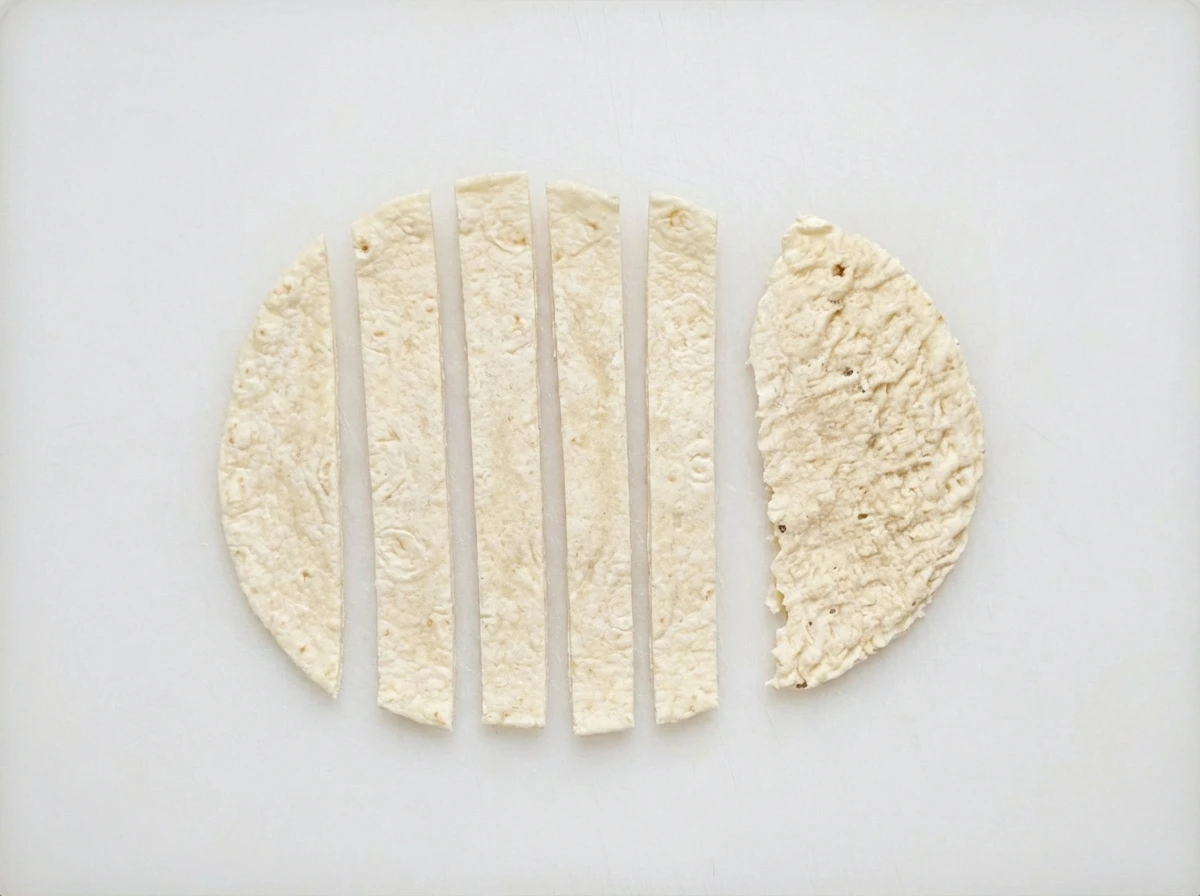
Tortilla
Grain
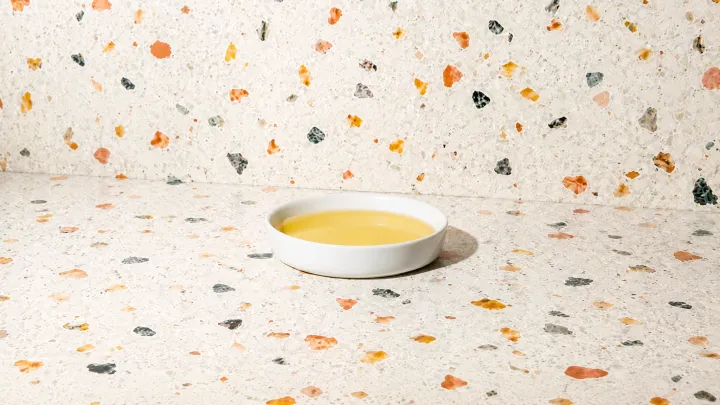
Sunflower Oil
Oil
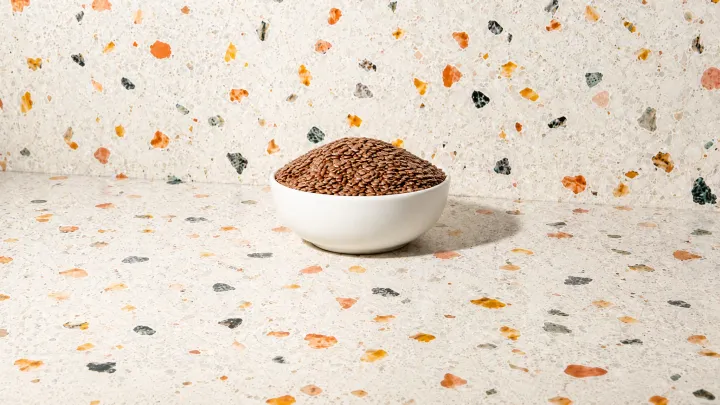
Flaxseed (Linseed)
Seed
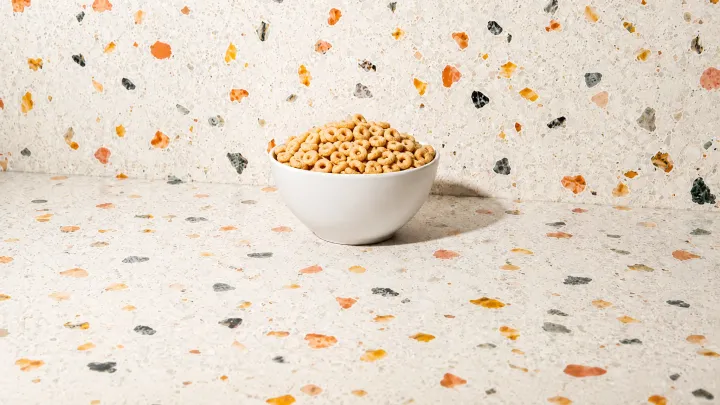
Cheerios & "O" Cereals
Grain
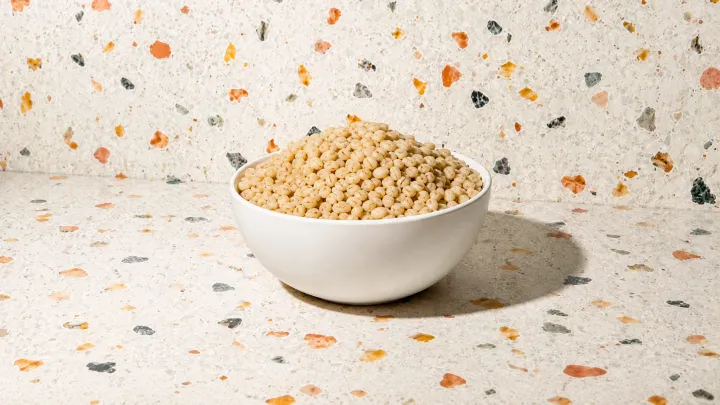
Barley
Grain
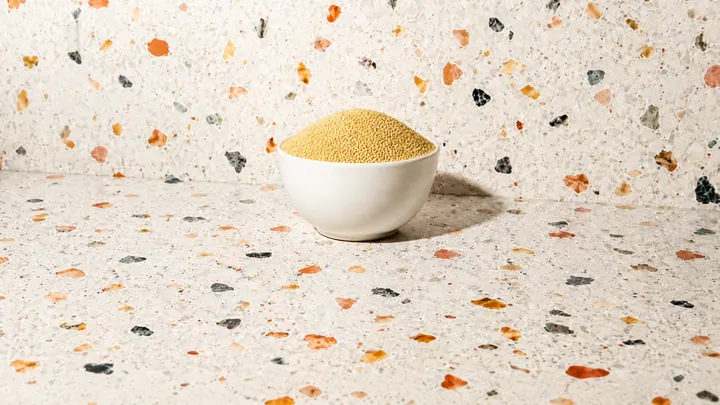
Millet
Grain
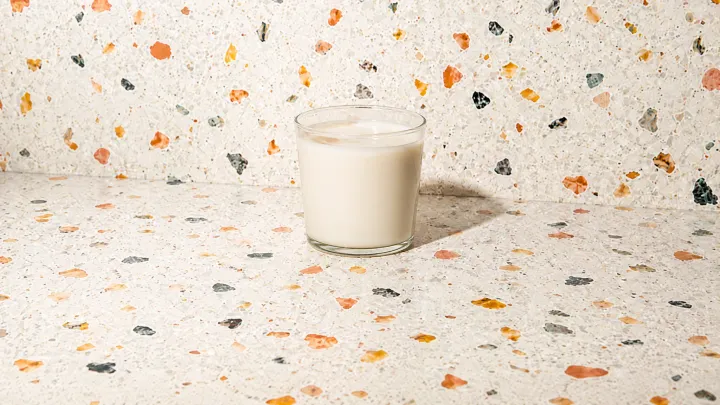
Oat Milk
Drink
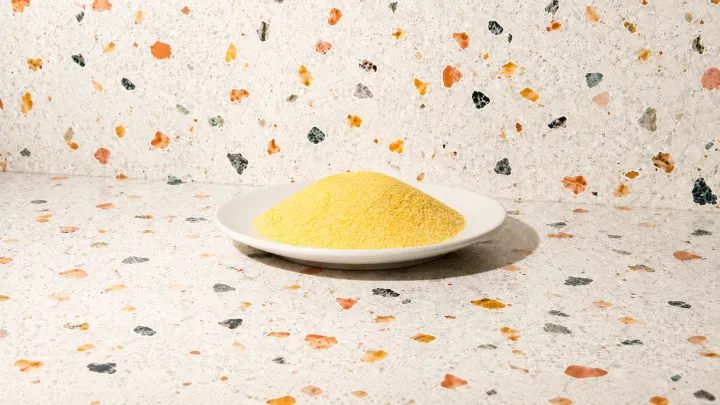
Cornmeal (Polenta)
Grain
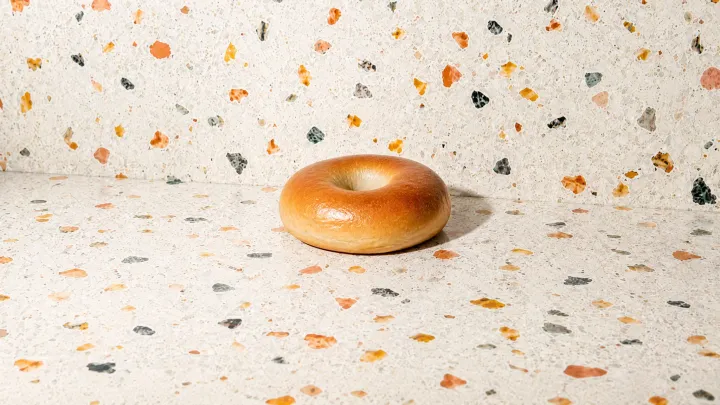
Bagel
Grain
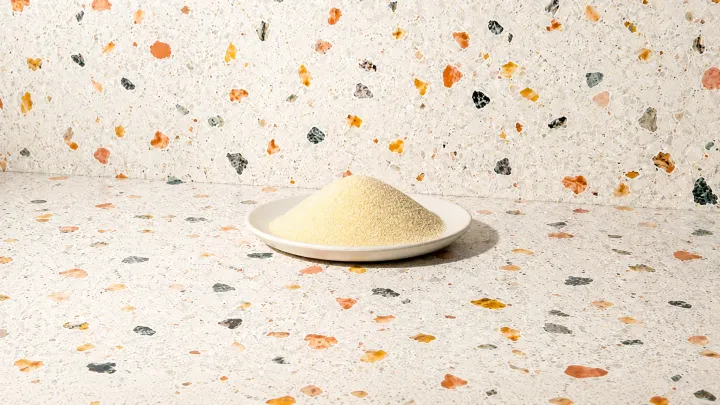
Semolina
Grain
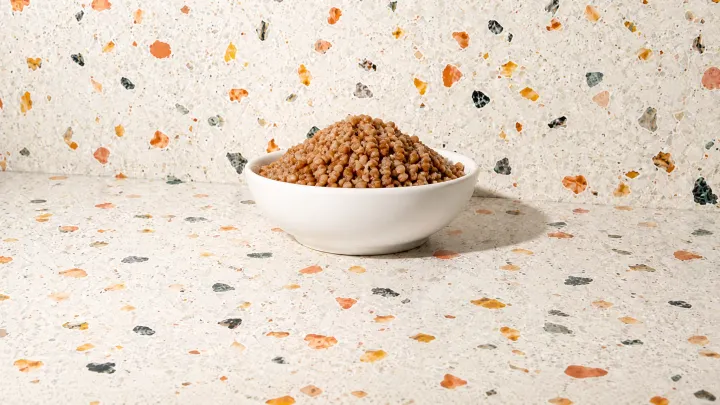
Buckwheat
Pseudograin
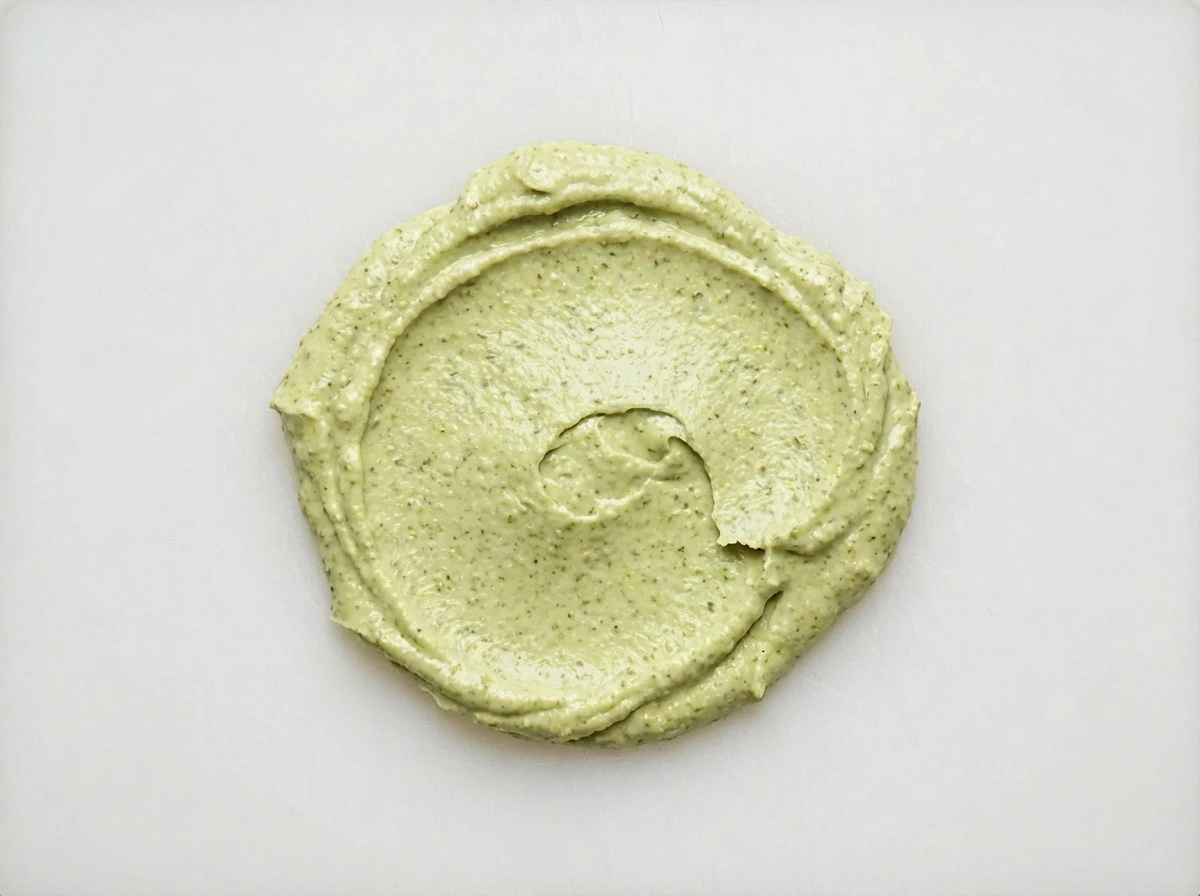
Pumpkin Seed
Seed
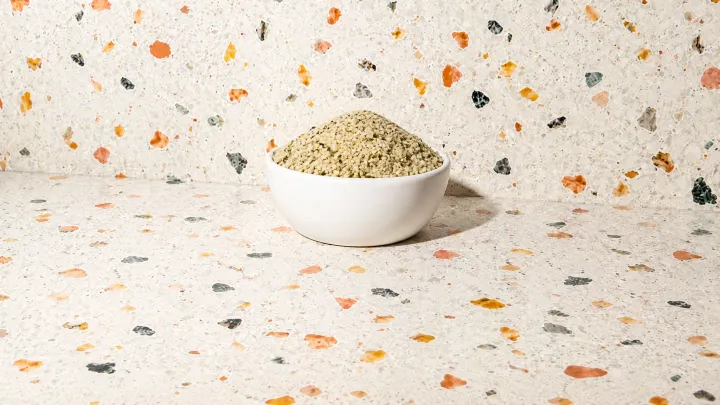
Hemp Seed
Seed
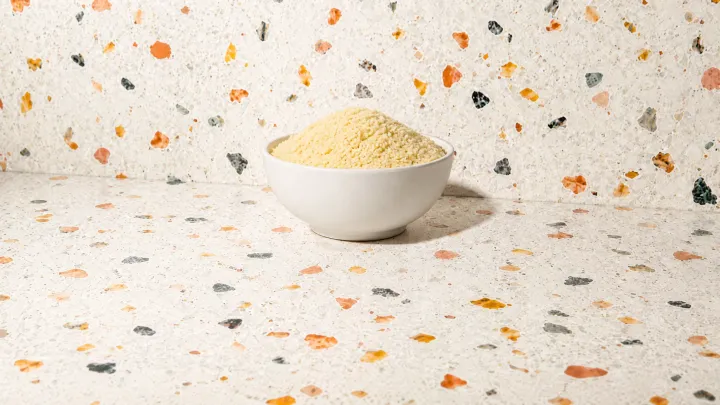
Couscous
Grain
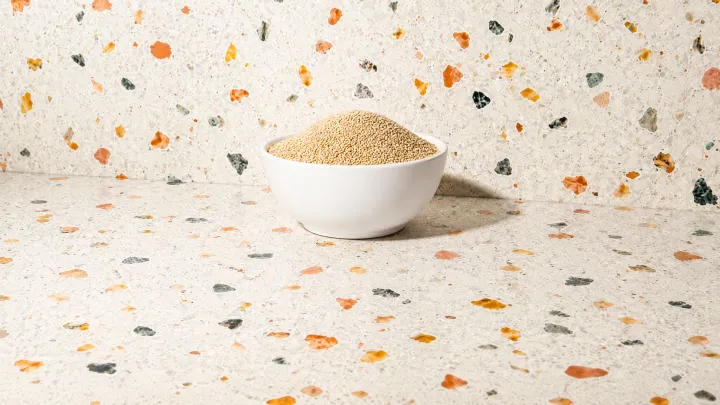
Amaranth Seed
Pseudograin
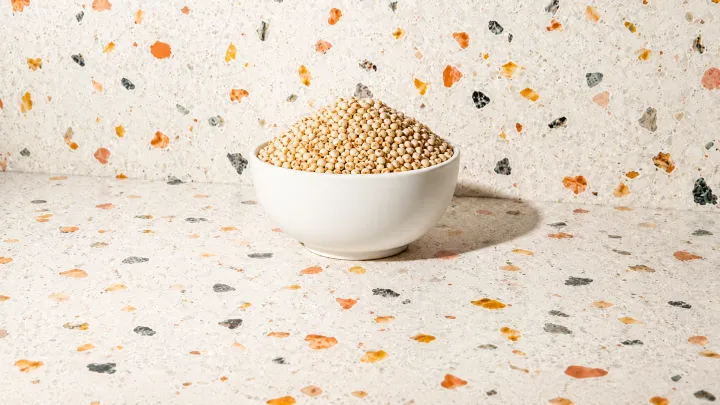
Sorghum
Grain
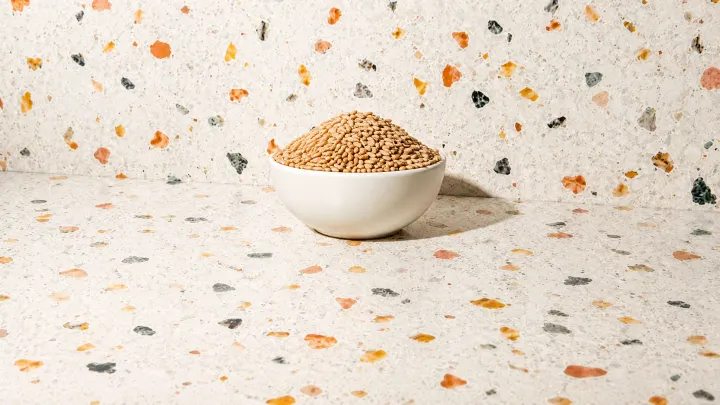
Spelt
Grain
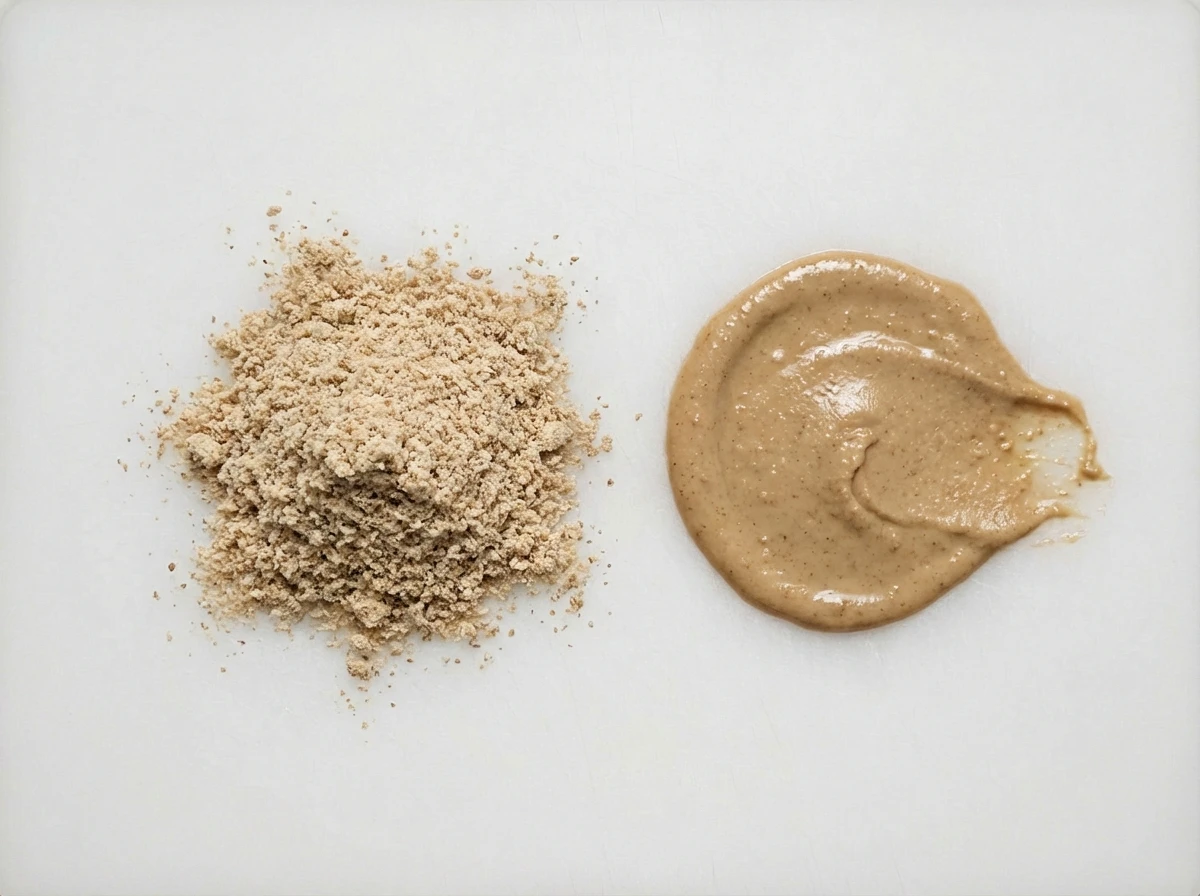
Sunflower Seed
Seed
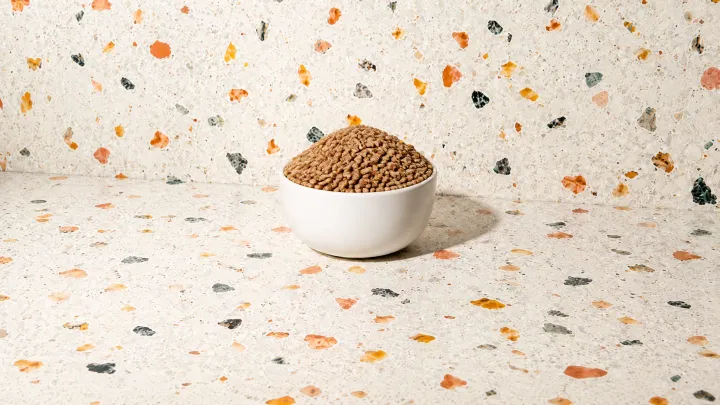
Rye
Grain
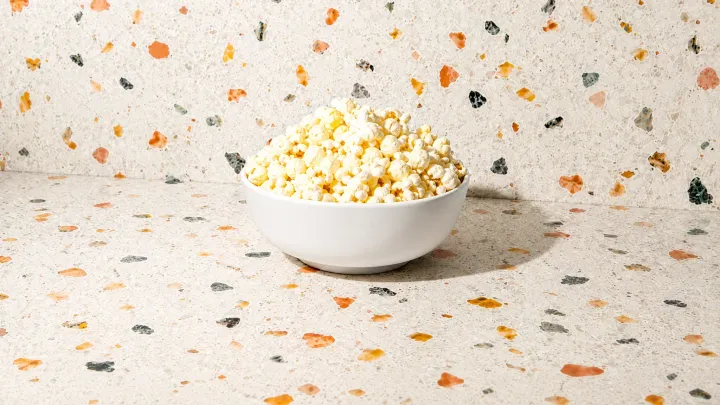
Popcorn
Grain
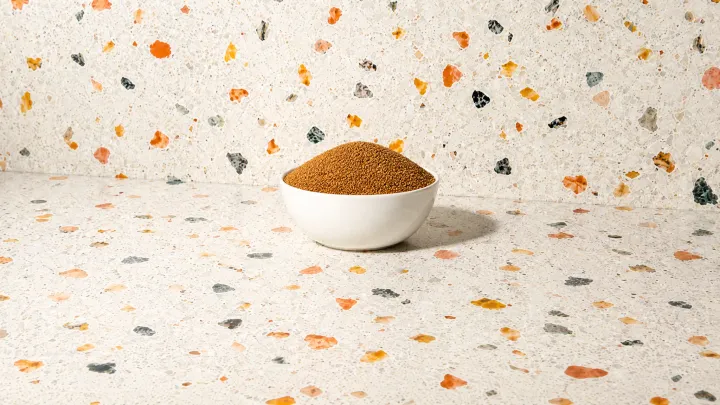
Teff
Grain
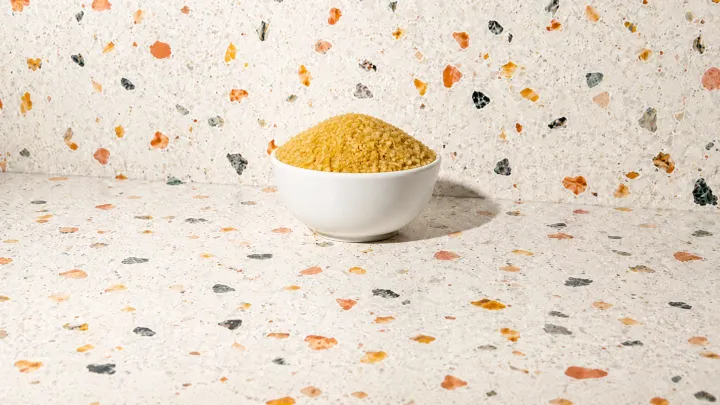
Bulgur
Grain
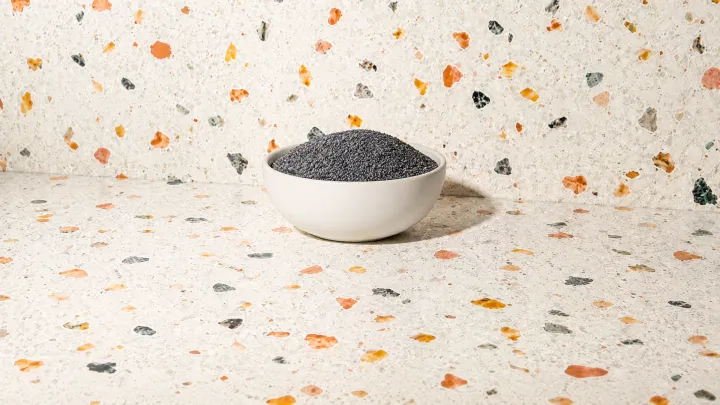
Poppy Seed
Seed
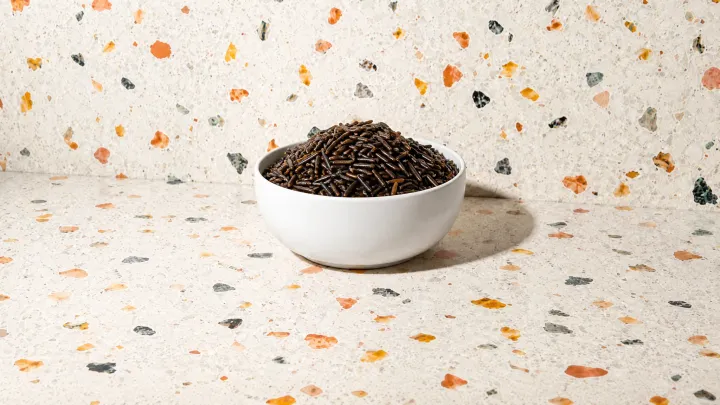
Manoomin (Wild Rice)
Grain
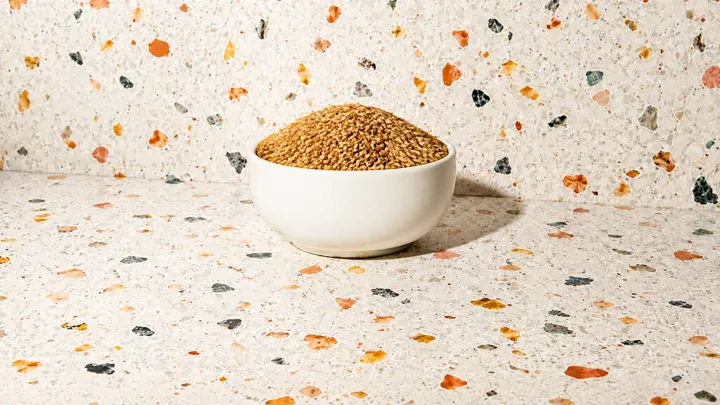
Einkorn
Grain
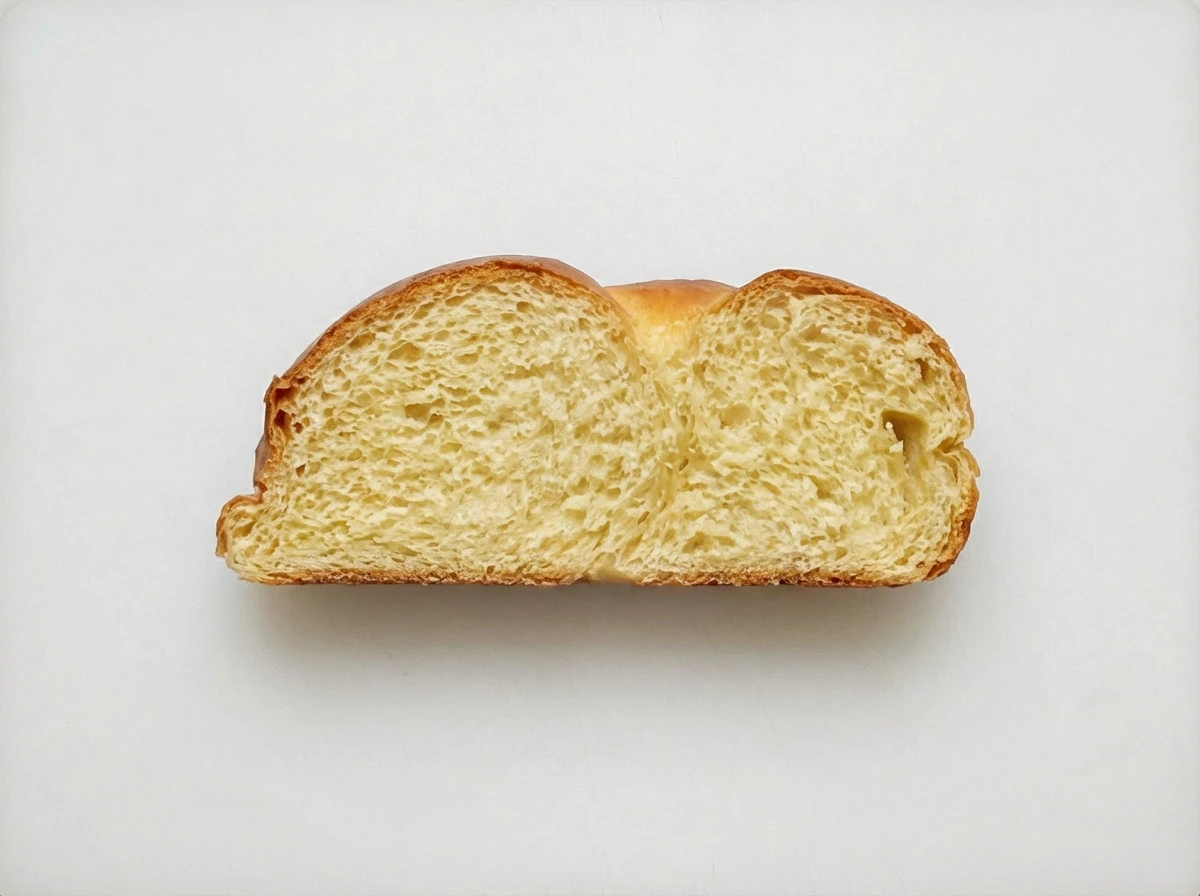
Challah
Grain
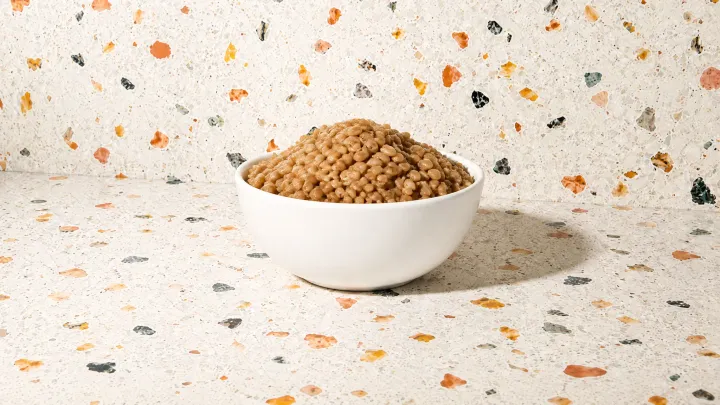
Farro (Emmer)
Grain
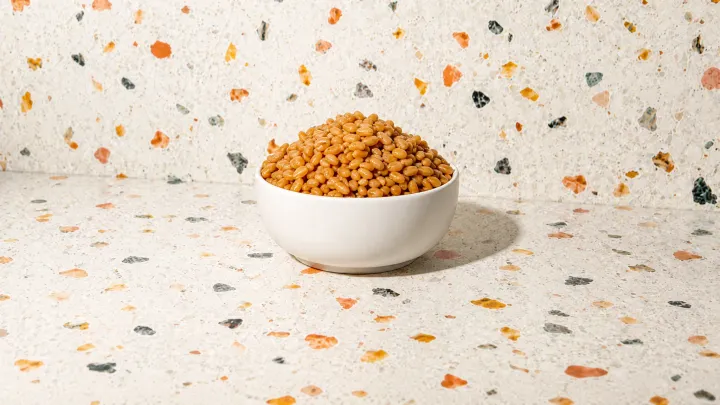
Khorasan Wheat (Kamut)
Grain
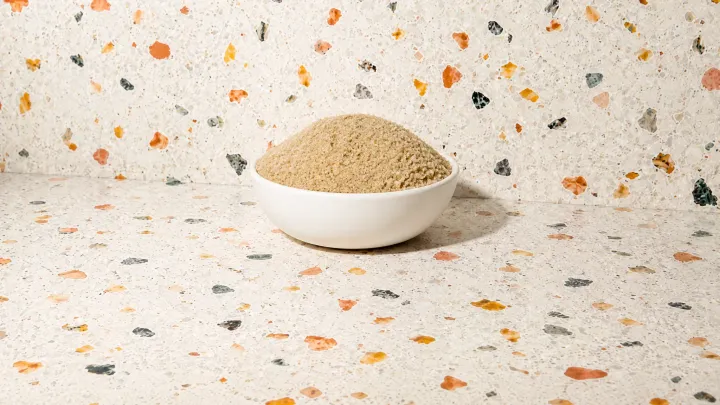
Fonio
Grain
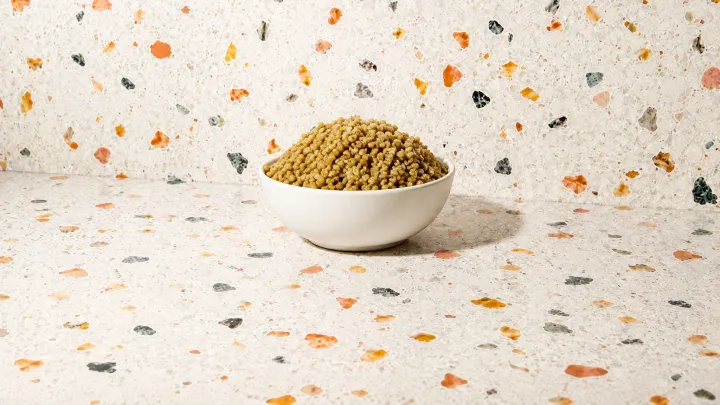
Freekeh
Grain
Grain Safety Guide for Babies
Grains, pasta, rice, oatmeal, seeds, and pseudograins can be useful first foods. Check texture, gluten, sticky clumps, sodium, and choking risk before serving.
How to serve grains safely
- Cook grains until soft and break up sticky clumps.
- Check for gluten when serving wheat, barley, rye, couscous, or many pastas.
- Use seeds in ground, soaked, or blended forms when whole seeds are hard to chew.
What to watch for
Grain guides flag gluten, sticky textures, whole-kernel choking risks, sodium in prepared grain foods, and ways to pair grains with iron-rich foods.
Frequently Asked Questions
Can babies eat pasta?
Many babies can eat soft cooked pasta when it is cut or shaped safely. Watch for gluten, egg, or dairy in the pasta or sauce.
Can babies eat rice?
Rice can be served soft, but variety matters. Rotate grains instead of relying on rice every day.
Are seeds safe for babies?
Whole seeds can be hard to chew and may be a choking risk. Ground, soaked, blended, or thinly spread seed butters are often safer forms.
Do grains need toppings?
Plain grains can be bland. Pair them with fruit, vegetables, protein, fat, or iron-rich foods to make meals more useful.