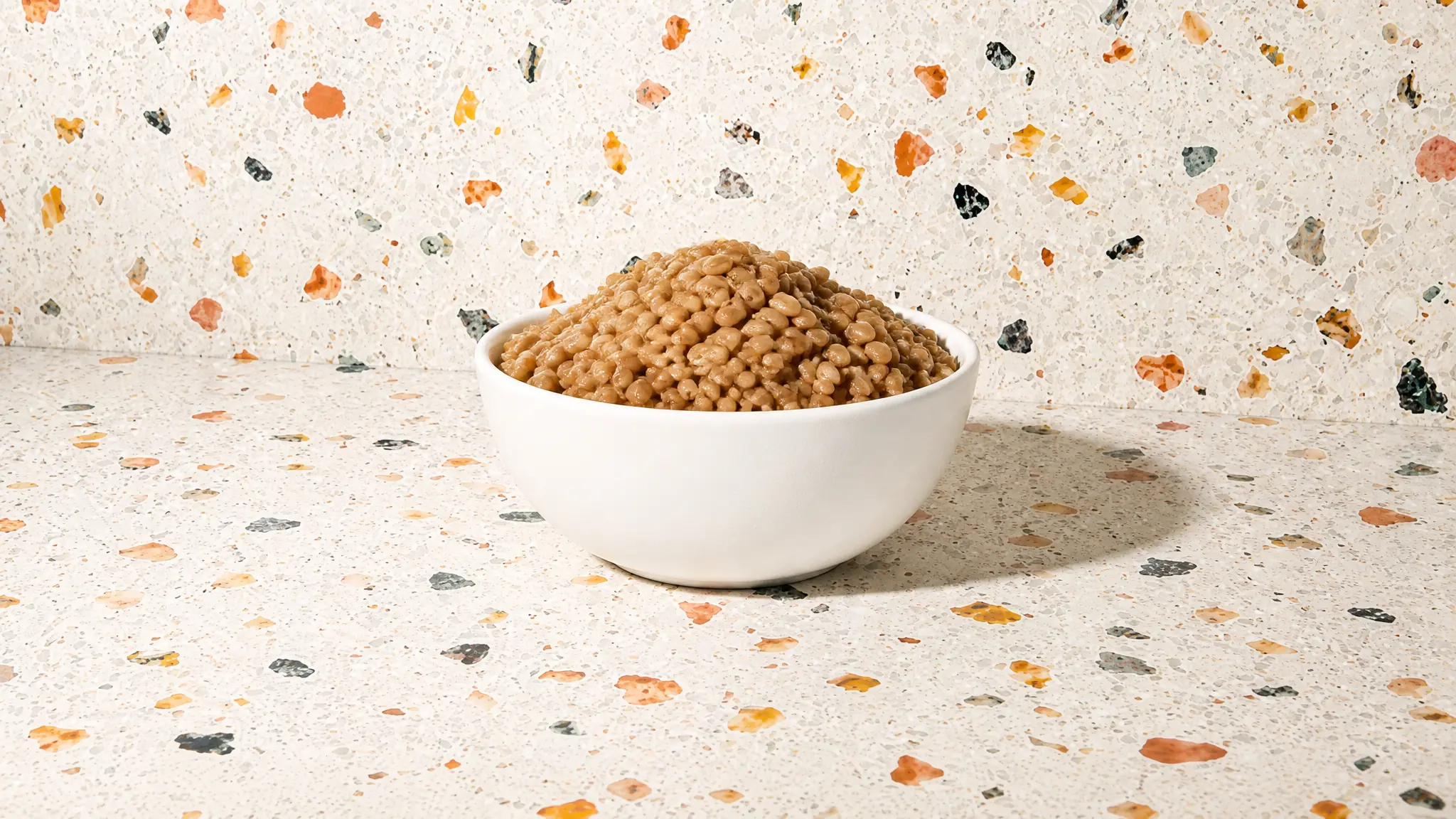
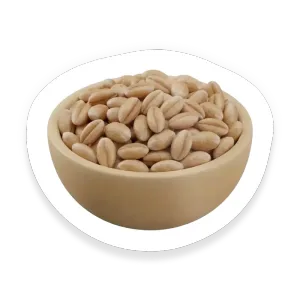
Farro (Emmer)
Grain
Last updated July 5, 2026. The Tummi Food Team maintains this Can I Feed This safety guide guide. Supporting links appear in Sources when available.



Clinically reviewed by Andria Procopio and Arefa Mohamed
Direct answer
Can babies eat Farro (Emmer)?
Yes, farro can be introduced around 6 months when your baby is ready to start solids, after ensuring they can handle soft, cooked grains.
- Serve Age6+months
Most babies start solids around 6 months once they show readiness signs. Match the texture and serving size to your baby's skills.
- Allergens
Farro (Emmer) is flagged for wheat or gluten. Introduce common allergens in a baby-safe form and follow your clinician's advice if your baby is higher risk.
- Choking Risk123451
Lower choking risk when served in the right texture. Always supervise meals and adjust the shape for your baby.
This guide is for everyday food prep questions. Ask your pediatrician about medical concerns, feeding delays, allergy plans, or serious reactions.
How Do You Serve Farro (Emmer)?
How to serve Farro (Emmer) to babies 6 months and older
- 1Cook farro or emmer in plenty of liquid until the grains are very soft and begin to break down, creating a porridge-like texture.
- 2Thin the warm porridge with breastmilk or formula for bottle-fed babies, or use mild liquids such as coconut milk or low-sodium vegetable stock for other meals.
- 3For self-feeding, mash cooked farro into large, very soft meatballs or fold into batter to make pancakes, waffles, or baked bars, then cut into soft strips or pieces your child can grasp.
- 4Finish with a small amount of butter or ghee and mild spices like cinnamon; always check temperature and texture, avoid added salt or honey, and supervise every feeding.
How to serve Farro (Emmer) to babies 9 months and older
- 1Serve farro in soft, scoopable forms such as porridge, mashed farro, or tender fritters so it’s easy to swallow and pick up.
- 2Mix cooked farro with scoopable foods like mashed vegetables, yogurt, or applesauce to help the grains bind and be easier to handle.
- 3Offer finger-food options—small strips or bite-sized pieces of farro-flour pancakes, waffles, or soft meatballs—cut to a size your baby can grasp and chew.
- 4Introduce grain salads once your baby shows a steady pincer grasp and slightly flatten cooked grains so they clump; always supervise closely to reduce choking risk.
How to serve Farro (Emmer) to babies 12 months and older
- 1Cook farro until tender and slightly chewy; press a cooked grain between fingers to ensure it squashes easily without turning mushy.
- 2Serve plain cooked farro as a finger food or stir into yogurt, mashed vegetables, or sauces to make a soft, scoopable meal.
- 3Include farro-based breads, pancakes, or pasta but cut into small, easy-to-grasp pieces and remove hard crusts or large chunks.
- 4If your child has trouble picking up individual grains, press them gently with a fork or mash slightly so they clump for scooping. Always check it’s cool before serving.
How to serve Farro (Emmer) to babies 18 months and older
- 1Cook until tender — simmer pearl farro about 20–30 minutes (longer for whole farro) and let it cool to a warm, touch-safe temperature before serving.
- 2Serve plain cooked farro in small portions so your child can pick up clusters as finger food, or offer a small bowl and spoon for scooping practice.
- 3Teach utensils by demonstrating scooping with a spoon and gentle spearing with a fork; use a shallow bowl to reduce spills and encourage independent feeding.
- 4Offer farro- or emmer-flour items (small pieces of bread, pancakes, or pasta) cut into bite-sized pieces and check that textures are soft enough to mash with gums.
- 5Always supervise mealtimes, avoid hard, dry, or large chunks, and adjust portion size and texture to match your child's chewing ability.
Is Farro (Emmer) a Common Allergen?
Farro (emmer) is an ancient form of wheat and contains gluten, so it should be avoided by anyone with celiac disease, non‑celiac gluten sensitivity, or a wheat allergy. It is not inherently a dairy, egg, nut, peanut, soy, sesame, fish or shellfish allergen, but may be processed on shared equipment—check labels for cross‑contact warnings. Choose certified gluten‑free substitutes when needed.
Is Farro (Emmer) a Choking Hazard?
Very Low Choking Risk
Farro isn’t a common choking hazard, but individual whole grains can be aspirated and pose a risk. Take extra care when introducing it: keep baby within arm’s reach during meals and watch closely for coughing, gagging, or difficulty breathing. If you notice any severe or persistent choking or breathing problems, seek emergency care immediately.
Have More Questions?
Yes, you can store cooked farro in an airtight container in the refrigerator for up to 3-5 days, making it convenient for meal prep and short-term storage.
Yes, freezing pureed or cooked farro is possible. Store it in a freezer-safe container or bag for up to 1-2 months to preserve freshness for later use.
It depends. Organic farro is generally grown without synthetic pesticides and fertilizers, but it's best to verify labels or choose reputable brands to ensure organic standards are met.
Yes, you can combine cooked farro with pureed vegetables or fruits to introduce variety and different flavors to your baby's diet, as long as new combinations are introduced gradually and monitored for reactions.
It depends. Portion sizes for babies vary depending on age and appetite, but generally, start with small amounts like 1-2 tablespoons of cooked farro and adjust based on your child's hunger cues.
Save Farro (Emmer) to your food log
Track foods, reactions, and prep notes in Tummi when you want to keep your baby's feeding history in one place.
Sources
- American College of Allergy, Asthma & Immunology — Wheat Allergy acaai.org
- Kashyap RR & Kashyap RS (2015) — Oral Allergy Syndrome: An Update doi.org
- Feldweg AM (2017) — Food-Dependent, Exercise-Induced Anaphylaxis doi.org
- Shinohara MS et al. (2021) — Wheat Protein-Induced Enterocolitis Syndrome doi.org
- Delahaye C et al. (2017) — Food protein-induced enterocolitis syndrome (FPIES) doi.org
- Venter C & Groetch M (2014) — Nutritional management of FPIES doi.org
- Blackman AC et al. (2019) — Emerging triggers of FPIES doi.org
- Mehr S & Campbell DE (2019) — FPIES guidelines summary doi.org
- Celiac Disease Foundation — What is Celiac Disease? celiac.org
- Massachusetts General Hospital — Center for Celiac Research: Celiac Disease massgeneral.org
- Elli L et al. (2015) — Diagnosis of gluten related disorders doi.org
What Other Grain Can Babies Eat?
See all →

Source-Linked Guidance
See the evidence behind the guide.
Food guides show direct links to public-health guidance and research when supporting references are available. Source inclusion does not imply endorsement.
 Centers for Disease Control and Prevention
Developmental milestones, nutrition guidelines, and allergen introduction timelines.
 American Academy of Pediatrics
Evidence-based feeding recommendations from the leading pediatric authority.
 National Institutes of Health
Peer-reviewed research on infant nutrition, allergies, and food safety.