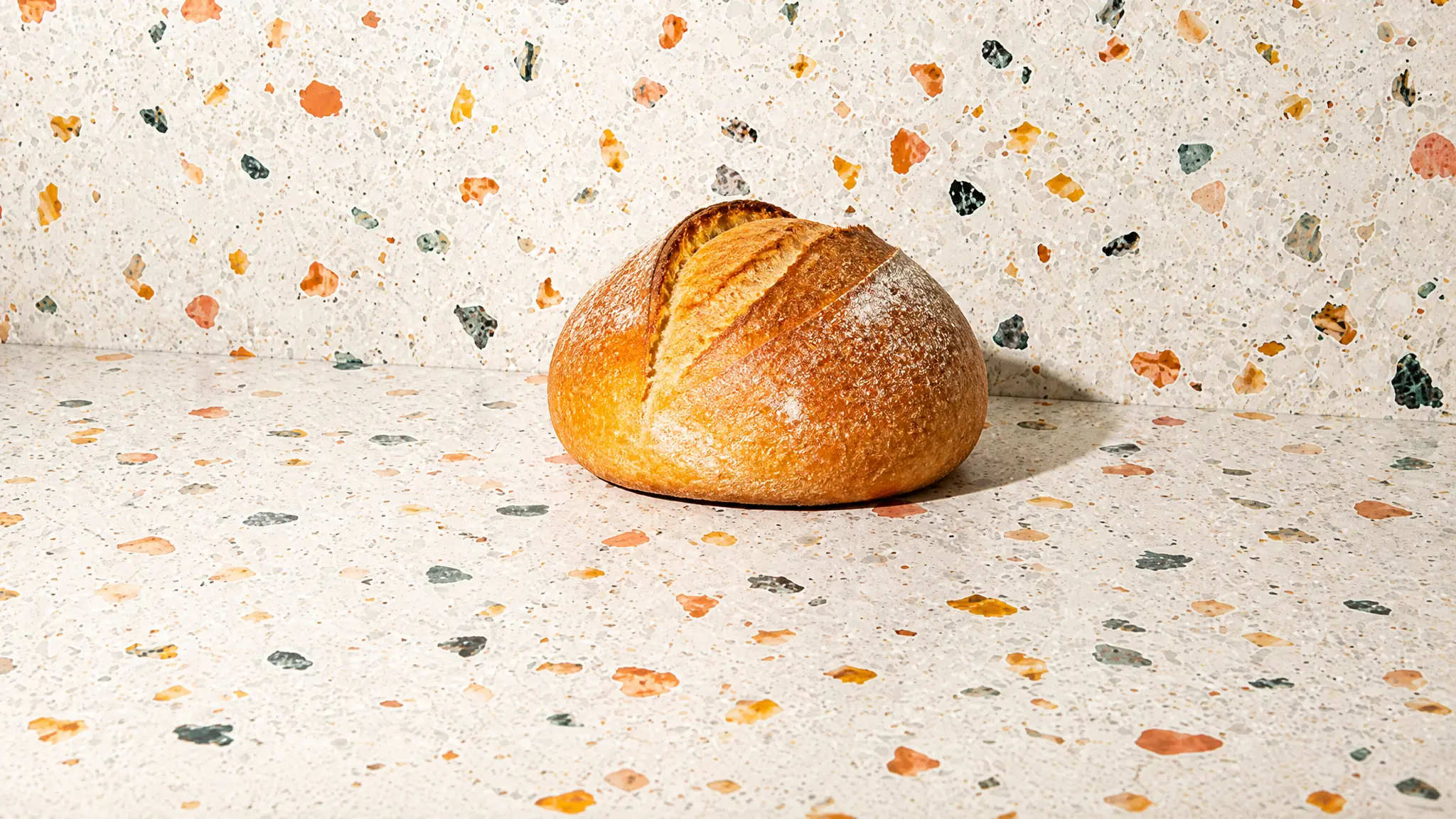
Bread
Grain
Last updated July 5, 2026. The Tummi Food Team maintains this Can I Feed This safety guide guide. Supporting links appear in Sources when available.



Clinically reviewed by Andria Procopio and Arefa Mohamed
Direct answer
Can babies eat Bread?
Yes, bread can be introduced around 6 months of age, but choose age-appropriate types and serve safely to minimize choking risks.
- Serve Age6+months
Most babies start solids around 6 months once they show readiness signs. Match the texture and serving size to your baby's skills.
- Allergens
Bread is flagged for wheat or gluten. Introduce common allergens in a baby-safe form and follow your clinician's advice if your baby is higher risk.
- Choking Risk123451
Lower choking risk when served in the right texture. Always supervise meals and adjust the shape for your baby.
This guide is for everyday food prep questions. Ask your pediatrician about medical concerns, feeding delays, allergy plans, or serious reactions.
How Do You Serve Bread?
How to serve Bread to babies 6 months and older
- 1Choose bread that keeps its shape when bitten — for example, the large heel of a crusty loaf or well‑toasted strips about the width of two adult fingers pressed together.
- 2Avoid very soft or sticky breads and any with dried fruit, whole nuts, or large seeds that could break off.
- 3If offering a spread, use a very thin smear of mashed avocado, ricotta, hummus, or thinned nut/seed butter. Spread thinly so it won’t clump or stick.
- 4Always supervise closely and remove any pieces that worry you, breaking bread into manageable strips if needed.
How to serve Bread to babies 9 months and older
- 1Offer toasted strips or sizeable, firm pieces (pizza crust, baguette heel, country loaf, sourdough) so baby can grasp and chew safely.
- 2When your baby reliably uses a pincer grasp, introduce small bite-sized toast pieces for independent feeding.
- 3If they tend to overfill, offer one piece at a time and watch closely to prevent gagging or stuffing.
- 4Spread thin layers of soft toppings — avocado, mashed beans, ricotta, yogurt, or very thin nut/seed butter — to add moisture and reduce sticking.
- 5Avoid breads with high-risk inclusions like whole nuts, large seeds, or chunky dried fruit, and trim away very hard crusts.
How to serve Bread to babies 12 months and older
- 1Serve bread as full slices or cut into halves/quarters — toast lightly to firm up or leave untoasted for easier chewing.
- 2Offer softer, airy breads like brioche or challah as chewing skills improve; avoid dense, hard crusts.
- 3Spread nut or seed butter very thinly (a light smear) to prevent large sticky clumps. When combining with other textures, always supervise closely to reduce gagging risk.
- 4If the child often overfills their mouth, lower the number of small pieces and give larger, manageable portions (halves/quarters) to reduce choking risk.
Is Bread a Common Allergen?
Most conventional bread is made from wheat flour and therefore contains gluten, so it is unsafe for children with celiac disease or a wheat allergy. Parents should check ingredient lists and choose products explicitly labeled “gluten-free” (ideally certified) if their child must avoid gluten. Be mindful of cross-contact in bakeries, shared toasters, or mixed preparation areas. For children needing to avoid gluten, use certified gluten-free breads or naturally gluten-free alternatives.
Is Bread a Choking Hazard?
Low Choking Risk
Bread can be a choking hazard: very soft breads may soften and form sticky clumps that cling to the mouth, while very hard, cracker-like breads or breads that break into sharp pieces increase choking risk. Breads containing chunks (dried fruit, nuts, large seeds) also raise the chance of a dangerous airway obstruction. Texture matters—favor breads that hold shape and avoid those that become gummy or brittle in the mouth, and always stay within arm’s reach and watch closely during eating. Know the signs of choking versus gagging and be prepared to act quickly if your child struggles.
Have More Questions?
Yes. Bread can be introduced to babies around 6 months old, but it's important to serve it in ways that reduce choking hazards, such as toasted or appropriately sliced varieties.
Yes. Bread provides carbohydrates and some nutrients, but the healthfulness depends on the type of bread; opt for whole grain or fortified options for added benefits.
Yes. Whole grain and sprouted breads are generally more nutritious due to higher fiber and protein content, supporting growth and digestion.
Yes. Bread often contains allergens like wheat, and sometimes cross-contaminants, so check labels carefully and wait until all allergens are safely introduced.
Yes. Soft breads can be sticky and pose a choking hazard for babies, especially if they are large or dense; always serve in age-appropriate sizes.
Save Bread to your food log
Track foods, reactions, and prep notes in Tummi when you want to keep your baby's feeding history in one place.
Sources
- Food Allergy Research & Education — Wheat Allergy foodallergy.org
- American College of Allergy, Asthma & Immunology — Wheat Allergy acaai.org
- Feldweg AM (2017), J Allergy Clin Immunol Pract — DOI doi.org
- Kashyap RR & Kashyap RS (2015), Journal of Allergy — DOI doi.org
- Celiac Disease Foundation — What is Celiac Disease? celiac.org
- Massachusetts General Hospital — Celiac Disease FAQ massgeneral.org
- Elli et al. (2015), World Journal of Gastroenterology — DOI doi.org
What Other Grain Can Babies Eat?
See all →
Source-Linked Guidance
See the evidence behind the guide.
Food guides show direct links to public-health guidance and research when supporting references are available. Source inclusion does not imply endorsement.
 Centers for Disease Control and Prevention
Developmental milestones, nutrition guidelines, and allergen introduction timelines.
 American Academy of Pediatrics
Evidence-based feeding recommendations from the leading pediatric authority.
 National Institutes of Health
Peer-reviewed research on infant nutrition, allergies, and food safety.