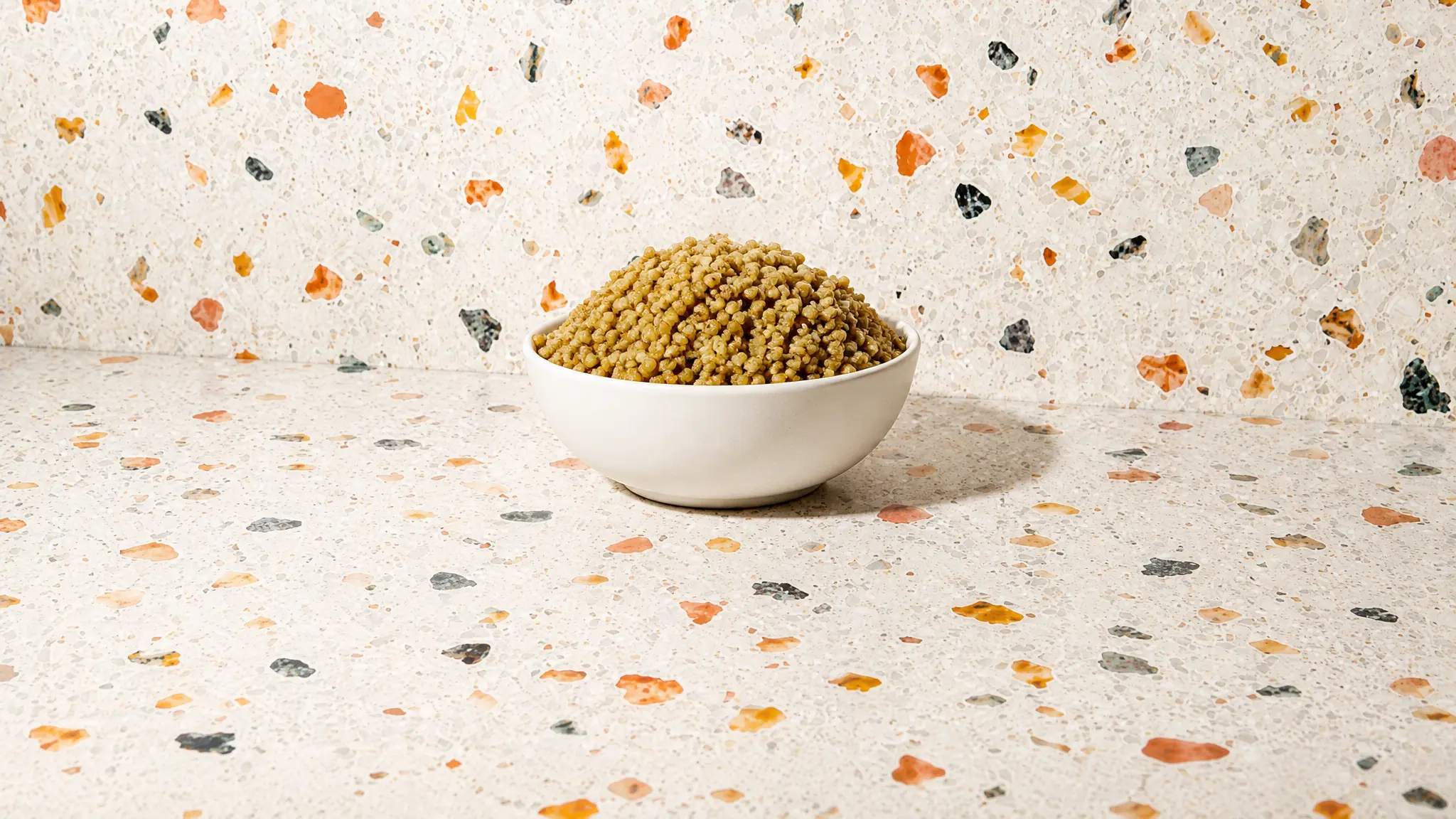
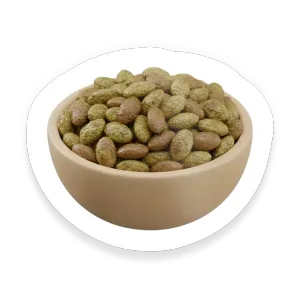
Freekeh
Grain
Last updated July 5, 2026. The Tummi Food Team maintains this Can I Feed This safety guide guide. Supporting links appear in Sources when available.



Clinically reviewed by Andria Procopio and Arefa Mohamed
Direct answer
Can babies eat Freekeh?
Yes, freekeh can be introduced around 6 months to babies ready for solids, but start with small amounts due to potential gluten sensitivity.
- Serve Age6+months
Most babies start solids around 6 months once they show readiness signs. Match the texture and serving size to your baby's skills.
- Allergens
Freekeh is flagged for wheat or gluten. Introduce common allergens in a baby-safe form and follow your clinician's advice if your baby is higher risk.
- Choking Risk123451
Lower choking risk when served in the right texture. Always supervise meals and adjust the shape for your baby.
This guide is for everyday food prep questions. Ask your pediatrician about medical concerns, feeding delays, allergy plans, or serious reactions.
How Do You Serve Freekeh?
How to serve Freekeh to a 6-month-old baby
- 1Cook freekeh until very soft and tender (simmer about 20–30 minutes), then mash or purée to remove any firm bits.
- 2Start with a very small spoonful mixed into purees or stirred into yogurt so the grain is evenly distributed and not clumped.
- 3For a safer texture, spread a thin, flattened smear on yogurt rather than serving loose grains to reduce choking risk and limit fiber load.
- 4Because freekeh is made from wheat, offer only a tiny first serving and monitor for allergic signs for 3–5 days; stop and seek medical help if you notice hives, swelling, vomiting, or breathing difficulties.
How to serve Freekeh to a 12-month-old baby
- 1Cook freekeh until soft and tender, then mash lightly so the grains stick together and are easy for little fingers to pick up.
- 2Serve in finger-friendly forms: press into small patties or meatballs, or spread a thin layer on soft scoopable foods like mashed beans, yogurt, or mashed vegetables.
- 3Use a suction bowl and offer small portions on a plate; stay within arm’s reach while your child self-feeds to supervise.
- 4Start with modest servings to let the gut adjust to the high fiber. Watch for wheat allergy (rash, vomiting, diarrhea, swelling) and stop feeding if any symptoms appear.
How to serve Freekeh to a 24-month-old baby
- 1Cook freekeh until very soft and tender—similar to well-cooked rice—so pieces are easy to mash with gums and scoop.
- 2Serve in small amounts mixed into soups, salads, pilafs, or combined dishes, and season lightly with low-salt stock or broth for flavor.
- 3Offer a fork for utensil practice but keep bites small and scoopable to support safe self-feeding.
- 4Introduce gradually and limit portion size because freekeh is high in fiber; watch for any digestive changes.
- 5Do not give whole, unflattened kernels; remove or flatten kernels to reduce choking risk.
Is Freekeh a Common Allergen?
Freekeh is made from young (green) wheat and therefore contains wheat proteins and gluten; it is not safe for people with celiac disease or a wheat allergy. Parents introducing freekeh to babies should offer small amounts initially, watch closely for allergic reactions, and consult their pediatrician if unsure. Always read product labels for cross-contact warnings and avoid freekeh products if your child has known gluten or wheat sensitivities.
Is Freekeh a Choking Hazard?
Very Low Choking Risk
Freekeh’s whole grain kernels are considered a potential choking hazard for babies, particularly those under 12 months. Always stay within arm’s reach and closely monitor your baby during meals, watching for signs of gagging or choking. If you’re concerned about choking risk, consult your pediatrician for personalized guidance.
Have More Questions?
Yes. Freekeh can be introduced to babies around 6 months when they start solids, but it’s important to introduce it gradually due to wheat being a common allergen.
Yes. Freekeh is a wholesome grain rich in nutrients like iron and fiber, making it a healthy addition to a baby's diet once they are ready for solids.
Yes. Whole grains like freekeh pose a choking hazard because of their kernels; ensure they are well-cooked and flattened or minced appropriately.
Yes. Since freekeh is made from wheat, it is a common allergen; start with small amounts and observe for reactions, especially if there is a family history of allergies.
It depends. For infants under 12 months, whole freekeh kernels might pose a choking risk; served properly, it can be safe but always supervise during feeding.
Save Freekeh to your food log
Track foods, reactions, and prep notes in Tummi when you want to keep your baby's feeding history in one place.
Sources
- Food Allergy Research & Education — Wheat foodallergy.org
- Beluska-Turkan K et al., Nutritional Gaps and Supplementation in the First 1000 Days (Nutrients, 2019) pmc.ncbi.nlm.nih.gov
- Abdel-Aal el-SM et al., Dietary sources of lutein and zeaxanthin (Nutrients, 2013) mdpi.com
- Elli L et al., Diagnosis of gluten related disorders (World J Gastroenterol, 2015) pmc.ncbi.nlm.nih.gov
- Feldweg AM, Food-Dependent, Exercise-Induced Anaphylaxis (J Allergy Clin Immunol Pract, 2017) pubmed.ncbi.nlm.nih.gov
- Kashyap RR & Kashyap RS, Oral Allergy Syndrome: An Update for Stomatologists (Journal of Allergy, 2015) onlinelibrary.wiley.com
- Centers for Disease Control and Prevention — Choking hazards (CDC) cdc.gov
- National Institutes of Health — Vitamin A (Office of Dietary Supplements fact sheet) ods.od.nih.gov
- Celiac Disease Foundation — What is Celiac Disease? celiac.org
What Other Grain Can Babies Eat?
See all →
Source-Linked Guidance
See the evidence behind the guide.
Food guides show direct links to public-health guidance and research when supporting references are available. Source inclusion does not imply endorsement.
 Centers for Disease Control and Prevention
Developmental milestones, nutrition guidelines, and allergen introduction timelines.
 American Academy of Pediatrics
Evidence-based feeding recommendations from the leading pediatric authority.
 National Institutes of Health
Peer-reviewed research on infant nutrition, allergies, and food safety.