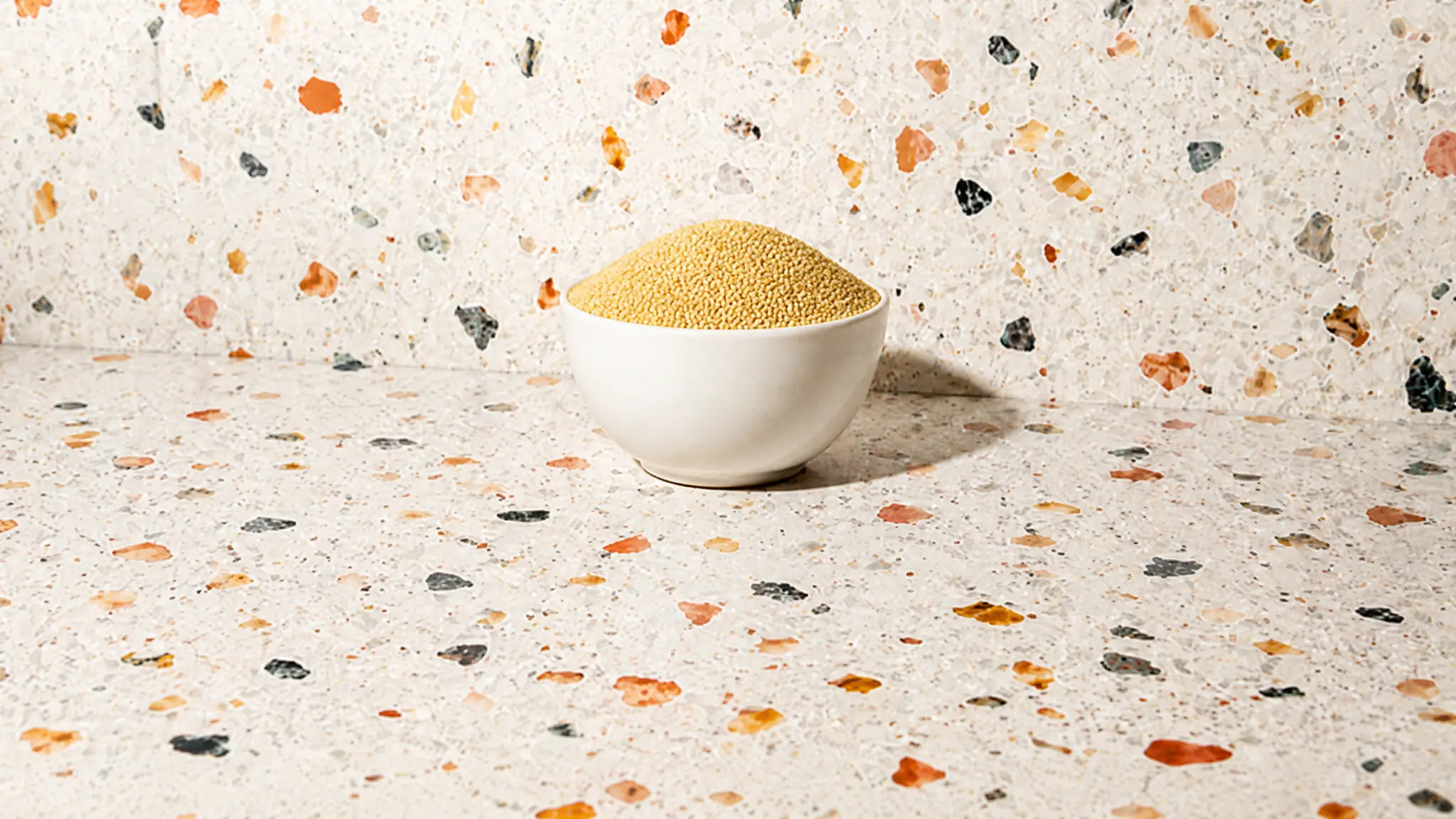
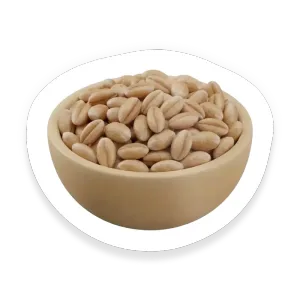
Millet
Grain
Last updated July 5, 2026. The Tummi Food Team maintains this Can I Feed This safety guide guide. Supporting links appear in Sources when available.



Clinically reviewed by Andria Procopio and Arefa Mohamed
Direct answer
Can babies eat Millet?
Yes, millet can be introduced around 6 months once your baby is developmentally ready for solids. Cook it until very soft, serve it moist in a texture suited to your baby's eating skills, and supervise while they eat.
- Serve Age6+months
Most babies start solids around 6 months once they show readiness signs. Match the texture and serving size to your baby's skills.
- No Allergens
Millet is not flagged as one of the major allergens tracked in this database. Still watch your baby closely when serving any new food.
- Choking Risk123451
Lower choking risk when served in the right texture. Always supervise meals and adjust the shape for your baby.
This guide is for everyday food prep questions. Ask your pediatrician about medical concerns, feeding delays, allergy plans, or serious reactions.
How Do You Serve Millet?
How to serve Millet to babies 6 months and older
- 1Stir very soft, fully cooked millet (no hard grains) into mashed vegetables, stewed greens, yogurt, or raita until the mixture forms a cohesive, scoopable texture that’s easy to swallow and reduces mess.
- 2Start with about 1 part cooked millet to 2 parts mashed food (roughly 2 tbsp millet to 4 tbsp vegetables) and adjust to reach a soft, moist but not runny consistency.
- 3Use thin millet porridge (thinned with breastmilk, formula, or water) for spoon-feeding, or press cooled cooked millet into small pancakes, dosas, or fritters as handheld pieces that hold together.
- 4Always check temperature, remove any hard grains, and serve in small, manageable bites; very soft millet reduces choking risk.
How to serve Millet to babies 9 months and older
- 1Cook millet until the grains are very soft and easily mashed with a fork so it’s easy to gum and swallow.
- 2Mix cooked millet into batters (dosa, idli, pancakes) or into fritters and meatballs, cook fully, then cut into small, bite-sized pieces that the child can pick up and chew.
- 3When serving plain cooked millet, press lightly with a fork so the grains clump into small pieces that are easier to pick up; avoid serving loose, dry grains that are hard to handle.
- 4Check the temperature and texture before serving and always supervise meals; offer porridge and mixed dishes for variety and easier handling.
How to serve Millet to babies 12 months and older
- 1Rinse and cook millet with about 2–2.5 cups water per cup of millet, simmer 15–20 minutes until tender, then fluff with a fork and let cool to lukewarm before serving.
- 2Serve fluffy millet beside sauces, stews, or stir‑fries and offer a small soft‑tipped spoon or child fork for practice while still allowing finger feeding.
- 3Lightly press or mash small portions so they form soft clumps—this helps it stick together—making bites easier for a child to pick up and manage.
- 4Check for any hard or crunchy grains, serve at a safe temperature, and always supervise during eating to reduce choking risk.
Is Millet a Common Allergen?
Millet is not a common allergen and is naturally gluten‑free, so it’s usually safe for people with celiac disease or wheat allergy. Rare millet allergies do occur, and people with cereal-grain sensitivities may react. Cross-contact with gluten-containing grains can happen during harvesting/processing, so choose certified gluten‑free millet if you need strict gluten avoidance. Introduce millet to infants like other single-grain cereals and watch for any signs of allergic reaction.
Is Millet a Choking Hazard?
Very Low Choking Risk
Cooked millet generally presents a low choking risk for babies. Loose, individual grains can scatter in the mouth and trigger gagging or coughing, so keep a close eye while baby eats. Stay within arm’s reach during meals and learn the signs of choking so you can respond quickly if needed.
Have More Questions?
Yes, you can prepare cooked millet for your baby in advance. Cool it promptly, refrigerate it in a covered container, use it within 2 days, and discard any portion that has already been partly eaten.
Yes, cooked millet puree can be frozen for your baby. Cool it promptly before freezing, defrost it thoroughly in the refrigerator or microwave, reheat until steaming throughout, stir well, and let it cool before serving; reheat it only once.
No, organic millet is not necessarily better for your baby. The organic label concerns production standards and does not by itself establish that the millet is nutritionally better; whichever type you choose, prepare it in a texture appropriate for your baby's development.
Yes. Millet can be combined with other baby-friendly foods like fruits and vegetables to introduce new flavors and nutritional variety.
There is no single appropriate portion of millet for every baby. Offer a small amount in a developmentally appropriate texture, let your baby decide how much to eat by following their hunger and fullness cues, and offer more if they remain hungry.
Save Millet to your food log
Track foods, reactions, and prep notes in Tummi when you want to keep your baby's feeding history in one place.
Sources
- Health benefits of finger millet (Eleusine coracana L.) polyphenols and dietary fiber: a review doi.org
- Immediate-type respiratory allergy to millet-containing seed mixture of bird food doi.org
- Common millet anaphylaxis: a case of a bird-keeper sensitized to millet via inhalation, who developed anaphylaxis after oral ingestion doi.org
- Allergy to millet: another risk for atopic bird keepers doi.org
- 16-kilodalton rice protein is one of the major allergens in rice grain extract and responsible for cross-allergenicity between cereal grains in the Poaceae family doi.org
- Food allergy to millet and cross-reactivity with rice, corn and other cereals doi.org
What Other Grain Can Babies Eat?
See all →

Source-Linked Guidance
See the evidence behind the guide.
Food guides show direct links to public-health guidance and research when supporting references are available. Source inclusion does not imply endorsement.
 Centers for Disease Control and Prevention
Developmental milestones, nutrition guidelines, and allergen introduction timelines.
 American Academy of Pediatrics
Evidence-based feeding recommendations from the leading pediatric authority.
 National Institutes of Health
Peer-reviewed research on infant nutrition, allergies, and food safety.