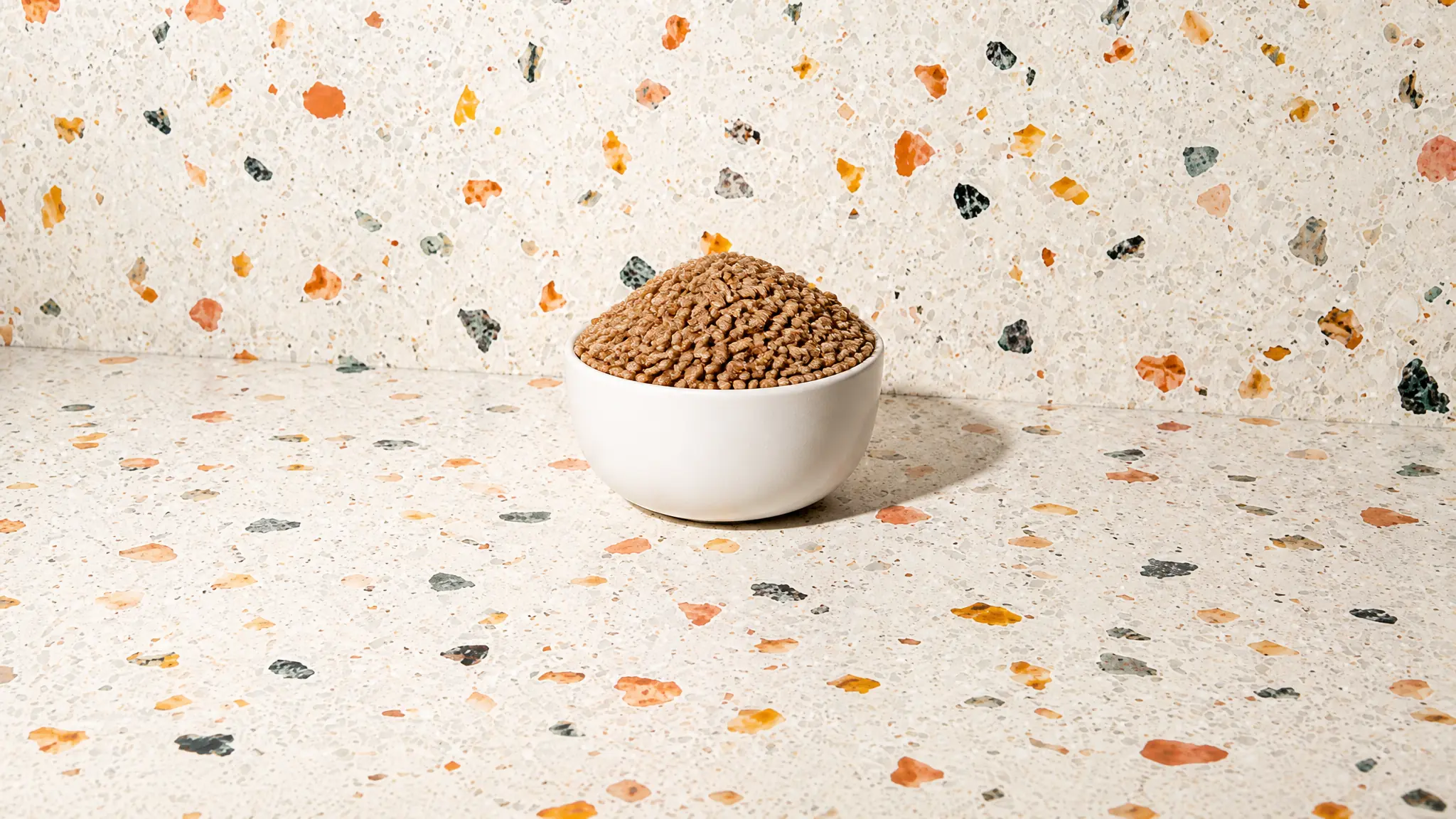
Rye
Grain
Last updated July 5, 2026. The Tummi Food Team maintains this Can I Feed This safety guide guide. Supporting links appear in Sources when available.



Clinically reviewed by Andria Procopio and Arefa Mohamed
Direct answer
Can babies eat Rye?
Babies can be offered rye from around 6 months when they show the developmental signs of readiness for solid foods. Serve it in a texture suited to the baby's eating skills, and do not offer rye to a child with diagnosed coeliac disease because rye contains gluten.
- Serve Age6+months
Most babies start solids around 6 months once they show readiness signs. Match the texture and serving size to your baby's skills.
- No Allergens
Rye is not flagged as one of the major allergens tracked in this database. Still watch your baby closely when serving any new food.
- Choking Risk123451
Lower choking risk when served in the right texture. Always supervise meals and adjust the shape for your baby.
This guide is for everyday food prep questions. Ask your pediatrician about medical concerns, feeding delays, allergy plans, or serious reactions.
How Do You Serve Rye?
How to serve Rye to a 9-month-old baby
- 1Cook rye flakes or rye flour into a smooth, thin porridge; blend or strain to remove lumps so the texture is entirely smooth.
- 2Make small pancakes or flatbreads with finely ground rye, adding mashed fruit or pureed vegetables for moisture and mild flavor, then tear into thin pieces for serving.
- 3Mix rye breads or porridges with mashed banana, applesauce, pureed vegetables, or a pinch of mild spice (e.g., cinnamon) to introduce new flavors without added salt or sugar.
- 4Offer one well‑toasted strip about the size of two adult fingers for self-feeding; ensure it's crisp and fully cooled so it breaks into small pieces rather than forming a large, sticky clump.
- 5Never give whole rye berries, and always supervise feeds—break foods into small pieces and watch your baby to reduce choking or glomming risks.
How to serve Rye to a 12-month-old baby
- 1Continue offering rye in soft, cooked forms—porridges, pancakes, and breads—prepared thin and moist so they’re easy to mash with gums or chew.
- 2Mix cooked, finely chopped or mashed rye into meatballs or patties to add nutrients and varied texture; ensure the rye and meat are fully cooked and cooled before serving.
- 3Cut foods into pieces about the size of a large adult knuckle to encourage the pincer grasp. Check texture by pressing with a fork—foods should mash easily to reduce choking risk.
- 4Use rye flakes as a light coating to give slippery fruits extra grip, and always remove hard seeds or skins. Serve warm (not hot) and supervise all meals.
How to serve Rye to a 24-month-old baby
- 1Offer a wider variety of rye breads and thin sandwiches cut into soft, finger-sized strips — choose soft fillings like mashed avocado, cottage cheese, or nut-butter thinned with milk for easy spreading.
- 2Serve rye porridges and pancakes cooked until very soft and served in small, manageable spoonfuls or as tiny, easy-to-grasp pancakes to encourage independent eating.
- 3Use cracked or pearled rye to thicken stews and porridge, and cook thoroughly or soak first so the grains are soft and mashable with the tongue.
- 4Promote self-feeding by providing child-safe utensils and bite-sized pieces; keep portions small (a few tablespoons to start) and supervise closely during every meal for safety.
Is Rye a Common Allergen?
Rye contains gluten (a protein called secalin) and should be avoided by children with celiac disease or gluten sensitivity, as even small amounts can cause symptoms. Rye itself is not among the top "big eight" allergens, but processing can introduce cross-contact with other allergens—always check labels. Rye is commonly present in breads, cereals, and crackers, so choose certified gluten‑free substitutes for affected children. If you suspect a rye allergy or celiac disease, consult your pediatrician or allergist for testing and guidance.
Is Rye a Choking Hazard?
Low Choking Risk
Cooked rye berries generally do not present a choking hazard, though some rye-based products (such as dense breads) can clump or stick in a baby’s mouth and theoretically cause choking. Whole rye berries should never be placed directly in a baby’s mouth because they carry a higher aspiration risk. Always stay within arm’s reach and supervise closely during meals so you can respond quickly if gagging or difficulty swallowing occurs.
Have More Questions?
Babies can be offered rye from around 6 months when they show the developmental signs of readiness for solid foods. Rye contains gluten and must be avoided if the child has diagnosed coeliac disease.
Cultivated rye developed from rye that grew alongside wheat and barley before being domesticated as a cereal crop. It is hardy, is commonly grown in northern and eastern Europe, and is widely milled for bread.
Rye can be one of the varied starchy foods offered to a baby from around 6 months when they are developmentally ready for solids. Choose an age-appropriate texture, and remember that rye contains gluten and is unsuitable for a child with diagnosed coeliac disease.
Babies can be offered foods containing gluten, including rye, from around 6 months when they are developmentally ready for solids. Introduce gluten-containing foods in small amounts, but exclude rye if the child has diagnosed coeliac disease.
Yes, some forms of rye can be choking hazards for babies. Do not serve whole rye berries or bread containing whole grain kernels; prepare rye in a shape, size, and texture suited to the baby's development, and supervise eating closely.
Save Rye to your food log
Track foods, reactions, and prep notes in Tummi when you want to keep your baby's feeding history in one place.
Sources
- How does the preparation of rye porridge affect molecular weight distribution of extractable dietary fibers? (International Journal of Molecular Sciences, 2011) doi.org
- Arabinoxylans and arabinogalactans: a comprehensive treatise (Critical Reviews in Food Science and Nutrition, 2011) doi.org
- Analysis of glyphosate residues in foods from the Canadian retail markets between 2015 and 2017 (Journal of Agricultural and Food Chemistry, 2020) doi.org
- Role of sample processing strategies at the European Union National Reference Laboratories (NRLs) concerning the analysis of pesticide residues (Journal of Agricultural and Food Chemistry, 2017) doi.org
- Diagnosis of gluten related disorders: Celiac disease, wheat allergy and non-celiac gluten sensitivity (World Journal of Gastroenterology, 2015) doi.org
- Rye flour allergens: an emerging role in baker's asthma (American Journal of Industrial Medicine, 2008) doi.org
- Molecular and immunological characterization of Tri a 36... as a novel major wheat food allergen (Journal of Immunology, 2012) doi.org
- Wheat Protein-Induced Enterocolitis Syndrome Complicated With Wheezing (Cureus, 2021) doi.org
- Syndrome d’entérocolite induite par les protéines alimentaires (SEIPA): Food protein-induced enterocolitis syndrome in 14 children (Archives de pediatrie, 2017) doi.org
- Nutritional management of food protein-induced enterocolitis syndrome (Current Opinion in Allergy and Clinical Immunology, 2014) doi.org
- Food protein-induced enterocolitis syndrome - review with focus on clinical management (Journal of Asthma and Allergy, 2017) doi.org
- Emerging triggers of food protein-induced enterocolitis syndrome (Annals of Allergy, Asthma & Immunology, 2019) doi.org
- FPIES: guidelines summary and practice recommendations (The Medical Journal of Australia, 2019) doi.org
- Effect of pollen-specific sublingual immunotherapy on oral allergy syndrome (The World Allergy Organization Journal, 2008) doi.org
- Food-Dependent, Exercise-Induced Anaphylaxis: Diagnosis and Management (J Allergy Clin Immunol Pract, 2017) doi.org
- Rye: A wonder crop with industrially important macromolecules and health benefits (Food Research International, 2021) doi.org
- Beneficial Effects of Dietary Polyphenols on Gut Microbiota (Nutrients, 2019) doi.org
- Whole-Grain Rye and Wheat Affect Some Markers of Gut Health (Journal of Nutrition, 2017) doi.org
What Other Grain Can Babies Eat?
See all →
Source-Linked Guidance
See the evidence behind the guide.
Food guides show direct links to public-health guidance and research when supporting references are available. Source inclusion does not imply endorsement.
 Centers for Disease Control and Prevention
Developmental milestones, nutrition guidelines, and allergen introduction timelines.
 American Academy of Pediatrics
Evidence-based feeding recommendations from the leading pediatric authority.
 National Institutes of Health
Peer-reviewed research on infant nutrition, allergies, and food safety.