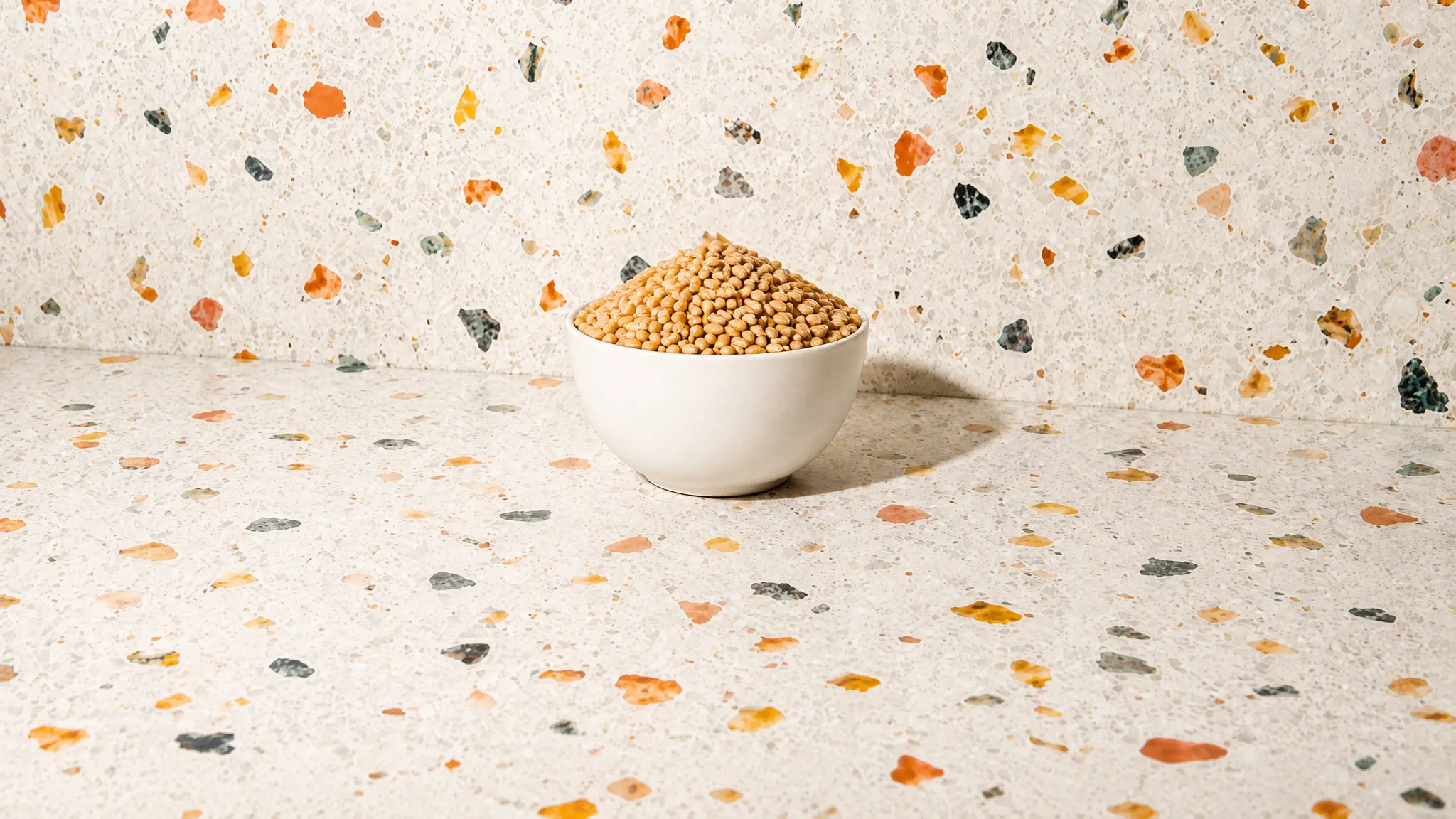
Wheat
Grain
Last updated July 5, 2026. The Tummi Food Team maintains this Can I Feed This safety guide guide. Supporting links appear in Sources when available.



Clinically reviewed by Andria Procopio and Arefa Mohamed
Direct answer
Can babies eat Wheat?
Yes, wheat can be introduced around 6 months of age when your baby starts solids, ensuring it is cooked and offered in a safe, age-appropriate form.
- Serve Age6+months
Most babies start solids around 6 months once they show readiness signs. Match the texture and serving size to your baby's skills.
- Allergens
Wheat is flagged for wheat or gluten. Introduce common allergens in a baby-safe form and follow your clinician's advice if your baby is higher risk.
- Choking Risk123451
Lower choking risk when served in the right texture. Always supervise meals and adjust the shape for your baby.
This guide is for everyday food prep questions. Ask your pediatrician about medical concerns, feeding delays, allergy plans, or serious reactions.
How Do You Serve Wheat?
How to serve Wheat to babies 6 months and older
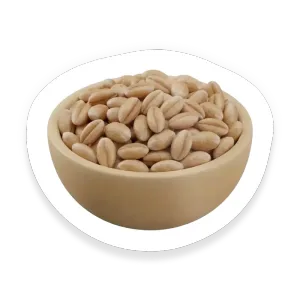
- 1Make a smooth, spoonable porridge using milled wheat (cream of wheat, farina) or very well‑cooked whole wheat berries.
- 2Cook the grains until completely soft so they mash easily. Thin with breastmilk or formula (or a fruit/vegetable puree) to reach a smooth, easy-to-scoop consistency.
- 3Offer very small tastes to start and wait between feedings while watching closely for any signs of an allergic reaction or intolerance.
- 4Keep flavorings simple — mashed fruit, a pinch of mild cinnamon, or a little vanilla are fine; avoid honey and strong spices.
How to serve Wheat to babies 9 months and older
- 1Offer porridges and introduce finger‑friendly options like small pancakes, soft pasta, or mini meatballs/patties with cooked wheat berries folded in; serve pieces small enough for easy grasping.
- 2Cut foods into bite‑size pieces to encourage pincer‑grasp practice and make self‑feeding safer.
- 3If serving whole cooked wheat berries, lightly mash or press them so they stick together and form a slightly cohesive texture—this reduces scattering in the mouth and lowers gagging risk.
- 4Always supervise meals, ensure foods are soft and easy to chew, and avoid hard or uncooked wheat berries to reduce choking hazards.
How to serve Wheat to babies 12 months and older
- 1Cook wheat berries until very soft and easily mashed, then drain and cool to a warm or room temperature before serving.
- 2Offer milled wheat (porridge, soft baked goods) and whole cooked grains in small, manageable amounts — soft and easily mashed — and add extra sauce, broth, or mashed fruit to loosen grains if needed.
- 3Let the child feed with fingers and also offer an age-appropriate spoon or fork so they practice self-feeding, and supervise closely during every bite.
- 4Introduce wheat during family meals and watch for allergy signs (hives, vomiting, swelling, persistent coughing) for 48–72 hours after first exposure; stop and seek medical help if severe symptoms appear.
- 5Serve mixed into grain salads, stews, warm cereals, or soft baked goods; refrigerate leftovers promptly and reheat thoroughly until steaming before serving.
Is Wheat a Common Allergen?
Wheat contains gluten and is a common allergen; it can cause wheat allergy or trigger celiac disease in sensitive children. This item is not flagged for nuts, peanuts, dairy, soy, shellfish, fish, or sesame, but many wheat-containing foods (especially baked goods) may also include eggs or milk—always read labels. Be mindful of cross-contamination in shared kitchens and avoid wheat/gluten if your child has wheat allergy or celiac disease. When unsure, consult your pediatrician or an allergist before introducing.
Is Wheat a Choking Hazard?
Very Low Choking Risk
Cooked wheat berries are generally low risk for choking when they’re soft and matched to your baby’s chewing skills, but loose, individual grains can scatter in the mouth and provoke gagging or coughing. Stay within arm’s reach and watch closely while baby eats; if they struggle, help the grains stick together (for example, mash lightly or mix with a sauce) so they’re easier to manage. If coughing or breathing concerns persist, seek medical attention right away.
Have More Questions?
Yes. Babies can have wheat once they are ready to start solids, usually around 6 months old, but consult your pediatrician if they have a wheat allergy or celiac disease.
Yes. Wheat is nutritious, providing carbohydrates, fiber, and protein, especially when served as whole wheat products like wheat berries or whole wheat flour.
Yes. Wheat is a common allergen, but most children outgrow wheat allergies by age 12. Always introduce gradually and watch for allergic reactions.
No. Cooked wheat berries are safe for babies when prepared appropriately, but products like bread may pose choking risks depending on texture and age.
Yes. Unless a baby has celiac disease, wheat (which contains gluten) is safe for consumption. Always confirm with your healthcare provider first.
Save Wheat to your food log
Track foods, reactions, and prep notes in Tummi when you want to keep your baby's feeding history in one place.
Sources
- Bioactive phytochemicals in wheat (Luthria et al., 2015) doi.org
- Health benefits of whole grain phytochemicals (Okarter & Liu, 2010) doi.org
- Wheat Allergy (Food Allergy Research & Education) foodallergy.org
- Wheat Allergy (American College of Allergy, Asthma & Immunology) acaai.org
- Food-Dependent, Exercise-Induced Anaphylaxis (Feldweg, 2017) doi.org
- Oral Allergy Syndrome: An Update for Stomatologists (Kashyap & Kashyap, 2015) doi.org
- What is Celiac Disease? (Celiac Disease Foundation) celiac.org
- Celiac Disease FAQ (Massachusetts General Hospital) massgeneral.org
- Diagnosis of gluten related disorders (Elli et al., 2015) doi.org
What Other Grain Can Babies Eat?
See all →
Source-Linked Guidance
See the evidence behind the guide.
Food guides show direct links to public-health guidance and research when supporting references are available. Source inclusion does not imply endorsement.
 Centers for Disease Control and Prevention
Developmental milestones, nutrition guidelines, and allergen introduction timelines.
 American Academy of Pediatrics
Evidence-based feeding recommendations from the leading pediatric authority.
 National Institutes of Health
Peer-reviewed research on infant nutrition, allergies, and food safety.