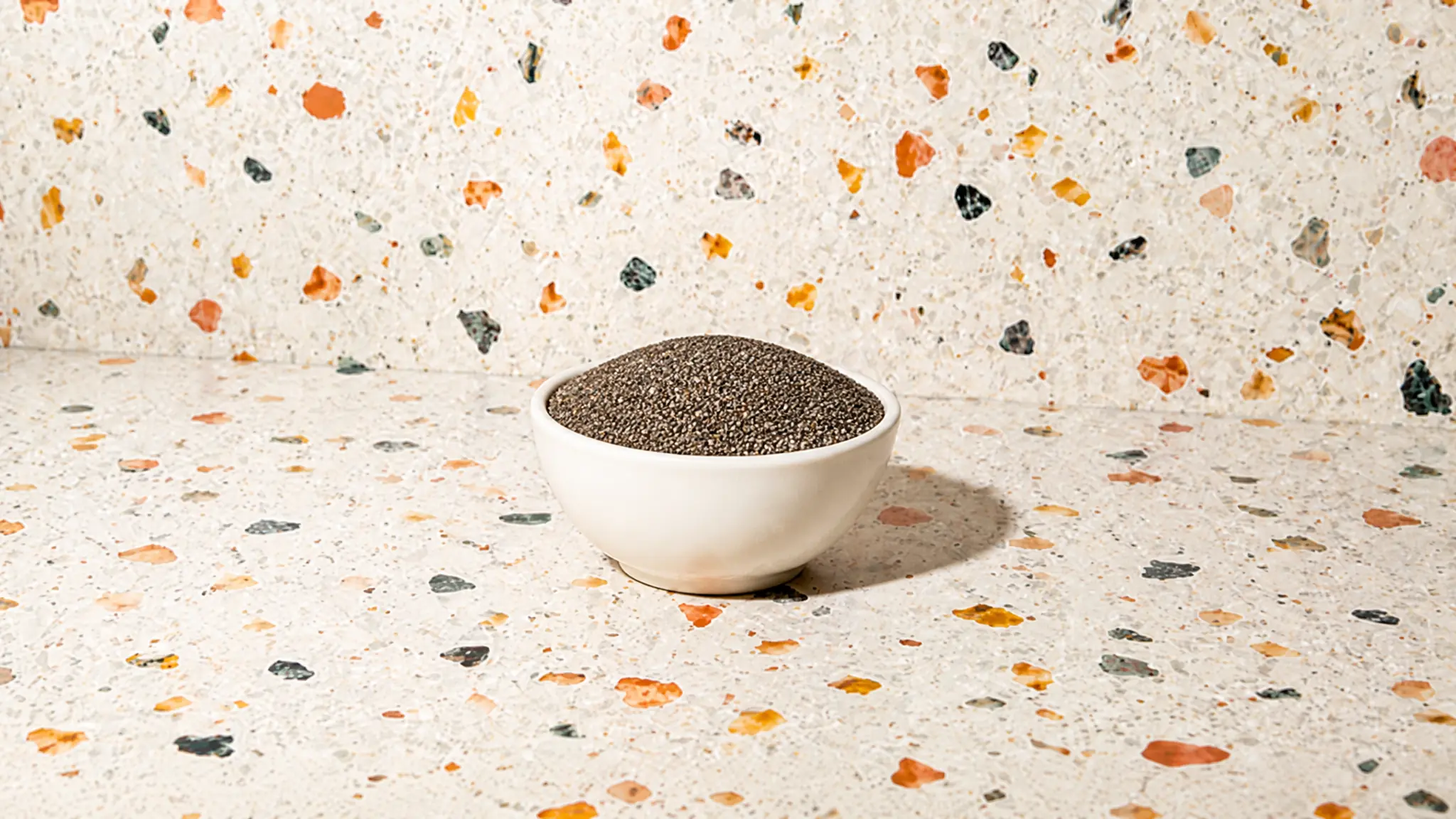
Chia Seeds
Seed
Last updated July 5, 2026. The Tummi Food Team maintains this Can I Feed This safety guide guide. Supporting links appear in Sources when available.


Clinically reviewed by Andria Procopio and Arefa Mohamed
Direct answer
Can babies eat Chia Seeds?
Yes, chia seeds can be introduced around 6 months when baby is starting solids; serve soaked and in small amounts to ensure safety.
- Serve Age6+months
Most babies start solids around 6 months once they show readiness signs. Match the texture and serving size to your baby's skills.
- No Allergens
Chia Seeds is not flagged as one of the major allergens tracked in this database. Still watch your baby closely when serving any new food.
- Choking Risk123451
Lower choking risk when served in the right texture. Always supervise meals and adjust the shape for your baby.
This guide is for everyday food prep questions. Ask your pediatrician about medical concerns, feeding delays, allergy plans, or serious reactions.
How Do You Serve Chia Seeds?
How to serve Chia Seeds to babies 6 months and older
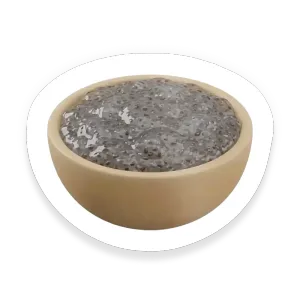
- 1Soak chia in liquid (water, breastmilk, formula, or mashed fruit) using about 1 part seeds to 4–6 parts liquid for at least 30 minutes until the seeds are fully gelled.
- 2Stir the gelled chia into porridge, yogurt, or mashed fruit so the texture is soft and evenly mixed and easy for baby to scoop.
- 3Never offer dry or undissolved seeds — ensure seeds are fully plumped and gel-like to reduce choking risk.
- 4Offer small, scoopable portions (pre-loaded spoon or finger-sized servings) so baby can self-feed, and always supervise during meals.
- 5Introduce a small amount first and watch for reactions; consult your pediatrician if you have any concerns.
How to serve Chia Seeds to babies 12 months and older
- 1Soak 1 tablespoon chia in 3 tablespoons water or milk for 10–15 minutes until it becomes a soft gel—this prevents crunchy, dry seeds.
- 2Stir the pre-soaked chia into soft foods (oatmeal, yogurt, puddings) so it blends smoothly and is easy to scoop.
- 3Offer small, manageable spoonfuls and let the child self-feed with fingers or a spoon. Encourage utensil use gently without forcing.
- 4Always supervise meals, keep the mixture well-hydrated (not dry or clumped), and discard any portions that have dried out.
How to serve Chia Seeds to babies 18 months and older
- 1Soak chia seeds in water or milk for at least 15–30 minutes until they form a gel, then use the gel to thicken smoothies, agua frescas, or warm cereals for scoopable or drinkable textures.
- 2Choose smooth or spoonable consistencies rather than dry seeds so the child can manage bites or sips comfortably.
- 3Serve small portions (start with about 1 teaspoon to 1 tablespoon of soaked chia per serving) to avoid excess fiber and digestive upset.
- 4Ensure seeds are fully gelled and stay within arm’s reach while the child eats so you can assist immediately if needed.
Is Chia Seeds a Common Allergen?
Chia seed allergies are uncommon but have been reported — chia contains proteins that can bind IgE and, rarely, cause reactions including anaphylaxis. There may be cross-reactivity with other seed allergies (notably sesame), so be cautious if your child has a known seed or sesame allergy. Introduce small amounts under supervision and stop if you notice hives, vomiting, swelling, or breathing difficulty; seek emergency care for any respiratory symptoms. If you're concerned or your child has prior seed allergies, consult your pediatrician or an allergist before offering chia.
Is Chia Seeds a Choking Hazard?
Very Low Choking Risk
Chia seeds can pose a choking hazard because they absorb moisture and may swell or clump, potentially blocking an infant’s airway. Stay within arm’s reach during meals, watch closely for any gagging or choking, and make sure caregivers know infant choking first aid. If you have concerns, check with your pediatrician.
Have More Questions?
Yes. Chia seeds can be introduced to babies as soon as they are ready for solids, around 6 months, but start with small amounts to monitor digestion.
Yes. Chia seeds are healthy for babies, providing fiber, fats, protein, and essential minerals that support growth, bone health, and development.
No. Allergies to chia seeds are rare, but some individuals with sesame allergies may have cross-reactivity; consult with an allergist before introducing.
Yes. Dry chia seeds can expand and pose a choking risk; always soak them in liquid before serving and serve in age-appropriate ways.
Yes. The soluble fiber in chia seeds can help alleviate constipation in babies; introduce gradually to avoid digestive discomfort.
Save Chia Seeds to your food log
Track foods, reactions, and prep notes in Tummi when you want to keep your baby's feeding history in one place.
Sources
- Allergen characterization of chia seeds (Salvia hispanica), a new allergenic food. J Investig Allergol Clin Immunol. 2015;25(1):55-6 pubmed.ncbi.nlm.nih.gov
What Other Seed Can Babies Eat?
See all →
Source-Linked Guidance
See the evidence behind the guide.
Food guides show direct links to public-health guidance and research when supporting references are available. Source inclusion does not imply endorsement.
 Centers for Disease Control and Prevention
Developmental milestones, nutrition guidelines, and allergen introduction timelines.
 American Academy of Pediatrics
Evidence-based feeding recommendations from the leading pediatric authority.
 National Institutes of Health
Peer-reviewed research on infant nutrition, allergies, and food safety.