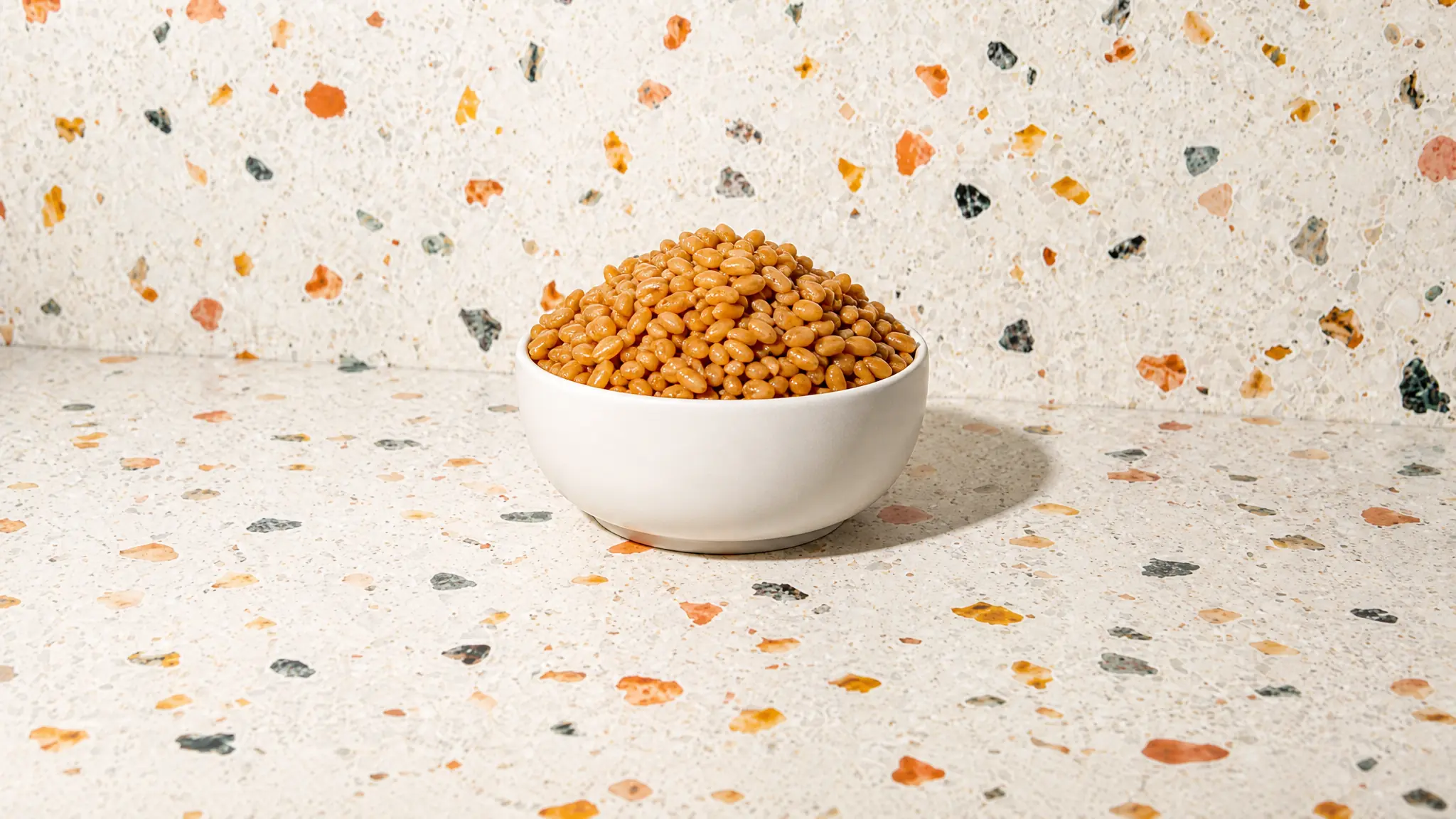
Khorasan Wheat (Kamut)
Grain
Last updated July 5, 2026. The Tummi Food Team maintains this Can I Feed This safety guide guide. Supporting links appear in Sources when available.



Clinically reviewed by Andria Procopio and Arefa Mohamed
Direct answer
Can babies eat Khorasan Wheat (Kamut)?
Yes, khorasan wheat can be introduced around 6 months when babies are ready to start solids.
- Serve Age6+months
Most babies start solids around 6 months once they show readiness signs. Match the texture and serving size to your baby's skills.
- Allergens
Khorasan Wheat (Kamut) is flagged for wheat or gluten. Introduce common allergens in a baby-safe form and follow your clinician's advice if your baby is higher risk.
- Choking Risk123451
Lower choking risk when served in the right texture. Always supervise meals and adjust the shape for your baby.
This guide is for everyday food prep questions. Ask your pediatrician about medical concerns, feeding delays, allergy plans, or serious reactions.
How Do You Serve Khorasan Wheat (Kamut)?
How to serve Khorasan Wheat (Kamut) to babies 6 months and older
- 1Rinse and soak khorasan wheat for 1–3 hours, then simmer in a 3:1 liquid-to-grain ratio until tender; blend or mash while warm to make a smooth porridge.
- 2Cook with nutrient-rich liquids like buttermilk, coconut milk, or vegetable stock to add calories and flavor, and thin with extra liquid to reach the desired consistency.
- 3Season lightly with a little butter or ghee and gentle warming spices (cinnamon or cardamom); avoid strong spices or added salt.
- 4For finger-food practice, mix cooked grains with mashed vegetables or finely ground meat to form soft balls or fritters. Or make pancakes or waffles from khorasan flour and cut into strips for easy grasping — serve pieces that are soft and easy to squish.
How to serve Khorasan Wheat (Kamut) to babies 9 months and older
- 1Keep offering soft-cooked khorasan (kamut) as porridge, fritters, or tiny meatballs — cook until very soft so grains break apart easily.
- 2Once a pincer grasp appears, introduce grain salads made with cooled, firm-cooked kernels that are chopped or lightly mashed; press grains slightly so they clump for easier picking.
- 3Mix cooked khorasan into spoonable foods like mashed vegetables, yogurt, or ricotta to add flavor and help food stick together; start with small portions to check tolerance.
- 4Serve pancakes or waffles cut into strips or small bite-sized pieces to encourage self-feeding, and always supervise closely to reduce choking risk.
How to serve Khorasan Wheat (Kamut) to babies 12 months and older
- 1Cook khorasan wheat until very soft and tender so grains mash easily between fingers. Check temperature before serving.
- 2Form small clumps, patties, or flattened bites so grains stick together and are easier to pick up independently.
- 3Fold into grain salads or stir into soft, scoopable foods like mashed vegetables, yogurt, or thick porridge to introduce mixed textures.
- 4Offer age-appropriate bread, pasta, or pancakes made with khorasan flour, cut into small, manageable pieces.
- 5Always supervise eating and remove any hard, chewy, or undercooked bits to reduce choking risk.
How to serve Khorasan Wheat (Kamut) to babies 18 months and older
- 1Offer whole cooked khorasan (kamut) or foods made from its flour as finger foods or for utensil practice; tailor the texture by cooking longer, mashing, or finely chopping and start with very small portions (a teaspoon to a tablespoon depending on skill).
- 2For soft preparations like porridge or pancakes, cook until the grains are very tender and mix with fruit, yogurt, or a sauce to aid swallowing.
- 3Introduce puffed khorasan only with close supervision and hands-on coaching—demonstrate chewing, give one piece at a time, and ensure the child is seated upright at a table.
- 4Remove hard or dense pieces and avoid offering multiple dry pieces at once. Use small pieces and keep an adult within arm's reach to reduce choking risk.
Is Khorasan Wheat (Kamut) a Common Allergen?
Khorasan wheat (Kamut) is a type of wheat that contains gluten and is not safe for people with celiac disease, non‑celiac gluten sensitivity, or a wheat allergy. Children with known wheat/gluten issues should avoid Kamut; cross‑contact on shared equipment is also a risk. If your child has any history of food allergy or celiac disease, consult your pediatrician or an allergist before offering this grain.
Is Khorasan Wheat (Kamut) a Choking Hazard?
Very Low Choking Risk
Khorasan wheat itself isn’t usually a major choking hazard, but individual cooked grains can pose a small aspiration risk because they’re small and round. Puffed kamut/khorasan wheat is higher risk—its firm, round texture and resistance to saliva make it unsuitable for young babies and is generally best left for older toddlers (around 18 months). Always keep babies seated and within arm’s reach during meals, avoid stale or hard pieces, and closely supervise until you’re confident they can chew and swallow safely.
Have More Questions?
Yes. Khorasan wheat can be introduced as early as 6 months, once your baby is ready for solids.
Khorasan wheat, also known as Kamut, originated in the Mediterranean region and is a nutritious ancient grain gaining popularity for its higher protein content.
Yes. Khorasan wheat is rich in carbohydrates, fiber, and essential minerals, making it a healthy option for babies, provided they tolerate gluten and do not have sensitivities.
No. Khorasan wheat is not a common choking hazard when served as a soft porridge or mashed; however, small grains can pose aspiration risks if not prepared appropriately.
Yes. Khorasan wheat contains gluten, so it should be avoided if your baby has a wheat allergy, celiac disease, or gluten sensitivity.
Save Khorasan Wheat (Kamut) to your food log
Track foods, reactions, and prep notes in Tummi when you want to keep your baby's feeding history in one place.
Sources
- American College of Allergy, Asthma & Immunology — Wheat Allergy acaai.org
- Kashyap RR & Kashyap RS (2015) — Oral Allergy Syndrome doi.org
- Feldweg AM (2017) — Food-Dependent, Exercise-Induced Anaphylaxis doi.org
- Shinohara MS et al. (2021) — Wheat Protein-Induced Enterocolitis Syndrome doi.org
- Delahaye C et al. (2017) — FPIES series doi.org
- Venter C & Groetch M (2014) — Nutritional management of FPIES doi.org
- Blackman AC et al. (2019) — Emerging triggers of FPIES doi.org
- Mehr S & Campbell DE (2019) — FPIES guidelines summary doi.org
- Celiac Disease Foundation — What is Celiac Disease? celiac.org
- Massachusetts General Hospital — Center for Celiac Research: Celiac Disease FAQ massgeneral.org
- Elli L et al. (2015) — Diagnosis of gluten related disorders doi.org
- Sofi F et al. (2013) — Characterization of Khorasan wheat (Kamut) doi.org
What Other Grain Can Babies Eat?
See all →
Source-Linked Guidance
See the evidence behind the guide.
Food guides show direct links to public-health guidance and research when supporting references are available. Source inclusion does not imply endorsement.
 Centers for Disease Control and Prevention
Developmental milestones, nutrition guidelines, and allergen introduction timelines.
 American Academy of Pediatrics
Evidence-based feeding recommendations from the leading pediatric authority.
 National Institutes of Health
Peer-reviewed research on infant nutrition, allergies, and food safety.