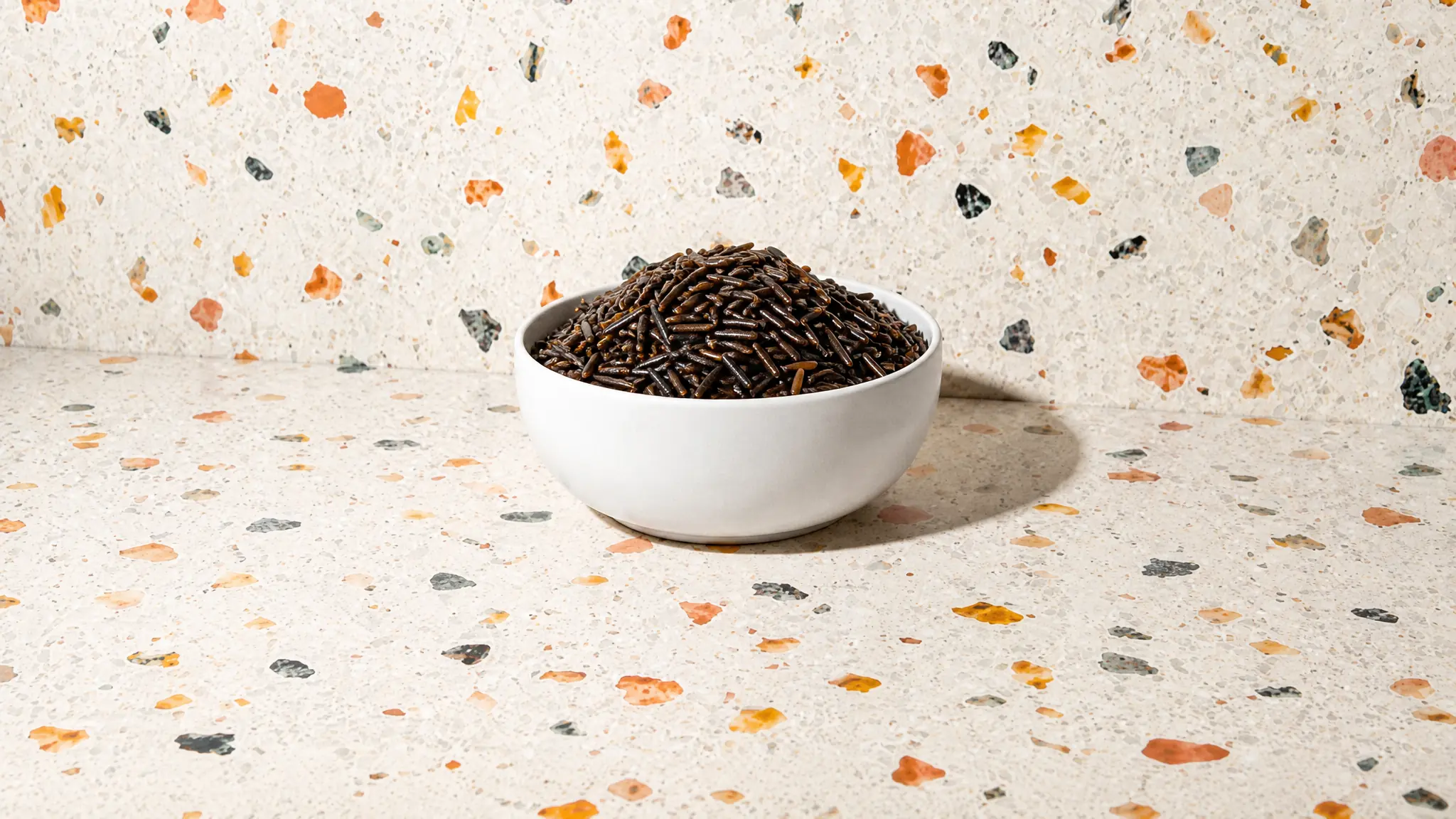
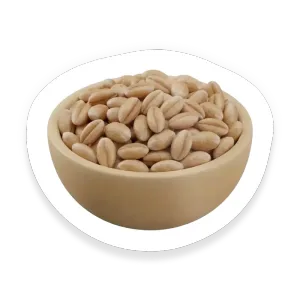
Manoomin (Wild Rice)
Grain
Last updated July 5, 2026. The Tummi Food Team maintains this Can I Feed This safety guide guide. Supporting links appear in Sources when available.



Clinically reviewed by Andria Procopio and Arefa Mohamed
Direct answer
Can babies eat Manoomin (Wild Rice)?
Yes, babies can eat manoomin (wild rice) around 6 months, prepared soft and easily mashable.
- Serve Age6+months
Most babies start solids around 6 months once they show readiness signs. Match the texture and serving size to your baby's skills.
- No Allergens
Manoomin (Wild Rice) is not flagged as one of the major allergens tracked in this database. Still watch your baby closely when serving any new food.
- Choking Risk123451
Lower choking risk when served in the right texture. Always supervise meals and adjust the shape for your baby.
This guide is for everyday food prep questions. Ask your pediatrician about medical concerns, feeding delays, allergy plans, or serious reactions.
How Do You Serve Manoomin (Wild Rice)?
How to serve Manoomin (Wild Rice) to babies 6 months and older
- 1Cook manoomin until very tender so the grains are soft and easy to mash.
- 2Mix about 1 part cooked manoomin with 1–2 parts mashed fruit, mashed vegetables, or yogurt to create a soft, scoopable texture; for savory options, stir into mashed beans or use as a binder for small patties.
- 3Press the mixture into small patties or grain balls so the grains stick together and are easy for little hands to pick up.
- 4Serve small pieces while the child is sitting upright and stay within arm’s reach during meals to reduce aspiration risk.
- 5Cool leftovers before storing, refrigerate within 2 hours, and reheat thoroughly—check temperature before serving.
How to serve Manoomin (Wild Rice) to babies 9 months and older
- 1Cook manoomin until tender, drain well, and mix with a binder like mashed beans, egg, mashed banana, or yogurt to form a cohesive mixture; this prevents loose grains.
- 2Shape into bean patties, meatballs, or grain balls, or stir into porridge; serve whole pieces that are easy for baby to hold so they can practice grasping and self-feeding.
- 3Adjust texture and size as skills develop: keep pieces large enough to grasp but soft to mash with gums, and as the pincer grasp emerges, break foods into bite-sized pieces.
- 4Safety and serving: cool foods to a safe temperature, check for hard bits, use sauces or binders for extra cohesion, and always supervise while baby eats.
How to serve Manoomin (Wild Rice) to babies 12 months and older
- 1Serve cooked manoomin loose on the plate or mixed into simple family dishes—its small grains are usually easy for toddlers to pick up and swallow.
- 2Offer a small, age-appropriate spoon or fork next to the plate to invite practice. Let them choose between utensil or finger feeding to build independence.
- 3Keep the grains moist and free of hard clumps; mixing with mashed vegetables or a little broth softens the texture and makes swallowing easier.
- 4Always supervise closely while eating, remove any potential choking pieces from the plate, and cut other foods on the plate into toddler-safe sizes.
Is Manoomin (Wild Rice) a Common Allergen?
Manoomin (wild rice) is naturally gluten‑free and is not commonly a source of major allergens (milk, egg, peanut, tree nuts, soy, fish, shellfish, sesame). Rice allergy exists but is uncommon—individuals with a diagnosed rice allergy should avoid it. Packaged wild rice blends or processed products may contain other allergens or have cross‑contact during processing. Always check ingredient labels and the manufacturer’s allergen statements before serving to children with allergies.
Is Manoomin (Wild Rice) a Choking Hazard?
Very Low Choking Risk
Manoomin isn't a common choking hazard, but its loose grains can scatter in the mouth and increase the risk of aspiration. If bits enter the airway, babies usually cough and expel them, but caregivers should stay within arm's reach and watch closely while the child is eating. Seek immediate medical attention if you notice persistent coughing, difficulty breathing, or color change.
Have More Questions?
Yes. Manoomin can be stored in an airtight container in the refrigerator for up to 3-4 days, making it convenient for batch cooking and meal prep for babies.
Yes. Manoomin freezes well if stored in a sealed container or freezer bag for up to 6 months, allowing you to prepare in advance and defrost as needed.
It depends. Organic manoomin is grown without synthetic pesticides or fertilizers, but whether it’s better for your baby depends on your preference for organic versus conventional options.
Yes. Manoomin can be combined with a variety of pureed vegetables, fruits, or proteins to introduce new flavors and textures to your baby's diet.
It depends. Portion sizes for babies vary depending on age and appetite; start with small amounts, around 1-2 tablespoons, and adjust as your baby grows and eats more.
Save Manoomin (Wild Rice) to your food log
Track foods, reactions, and prep notes in Tummi when you want to keep your baby's feeding history in one place.
Sources
- γ-Oryzanols of North American Wild Rice (Zizania palustris) doi.org
- γ-Oryzanol Improves Cognitive Function and Modulates Hippocampal Proteome in Mice doi.org
- Brown rice-specific γ-oryzanol as a promising prophylactic avenue to protect against diabetes mellitus and obesity in humans doi.org
- Heavy metals in wild rice from northern Wisconsin doi.org
- Trace metals in wild rice sold in the United States doi.org
- What you can do to limit your exposure to arsenic (U.S. Food & Drug Administration) fda.gov
- Anti-Atherosclerotic Properties of Wild Rice in Low-Density Lipoprotein Receptor Knockout Mice doi.org
- Identification of major rice allergen and their clinical significance in children doi.org
What Other Grain Can Babies Eat?
See all →

Source-Linked Guidance
See the evidence behind the guide.
Food guides show direct links to public-health guidance and research when supporting references are available. Source inclusion does not imply endorsement.
 Centers for Disease Control and Prevention
Developmental milestones, nutrition guidelines, and allergen introduction timelines.
 American Academy of Pediatrics
Evidence-based feeding recommendations from the leading pediatric authority.
 National Institutes of Health
Peer-reviewed research on infant nutrition, allergies, and food safety.