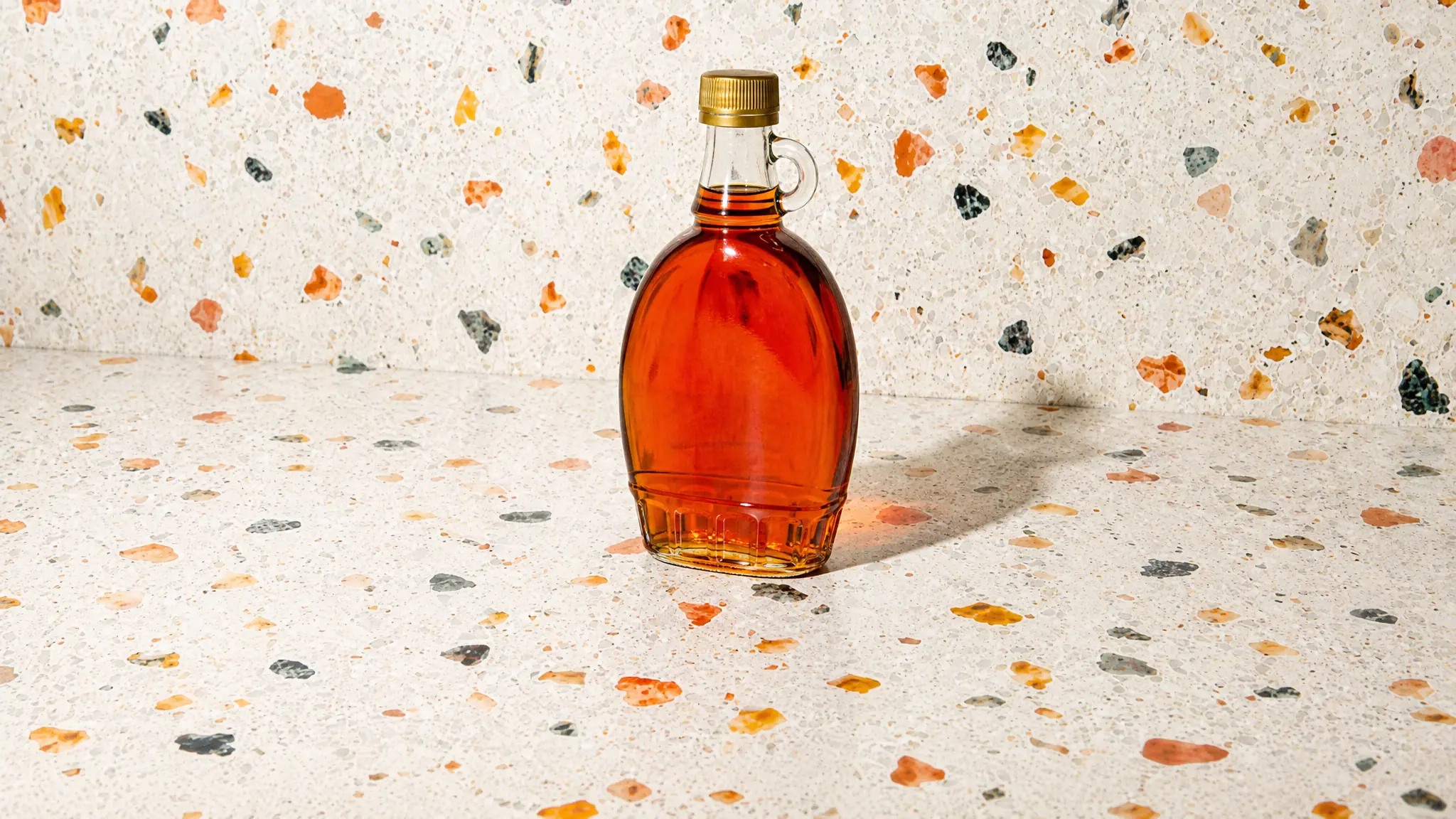
Maple Syrup
Sweetener
Last updated July 5, 2026. The Tummi Food Team maintains this Can I Feed This safety guide guide. Supporting links appear in Sources when available.


Clinically reviewed by Andria Procopio and Arefa Mohamed
Direct answer
Can babies eat Maple Syrup?
Yes, maple syrup can be introduced around 6 months of age when starting solids, but it should be used sparingly due to its high sugar content.
- Serve Age6+months
Most babies start solids around 6 months once they show readiness signs. Match the texture and serving size to your baby's skills.
- No Allergens
Maple Syrup is not flagged as one of the major allergens tracked in this database. Still watch your baby closely when serving any new food.
- Choking Risk123451
Lower choking risk when served in the right texture. Always supervise meals and adjust the shape for your baby.
This guide is for everyday food prep questions. Ask your pediatrician about medical concerns, feeding delays, allergy plans, or serious reactions.
How Do You Serve Maple Syrup?
How to serve Maple Syrup to babies 6 months and older
- 1Offer only tiny tastes of foods that contain maple syrup (for example a small bite of pancake or a spoonful of sauce) so your baby can explore flavor without getting extra sugar.
- 2Give added-sugar foods only occasionally — limit regular sugary foods to protect erupting teeth and help prevent a strong preference for sweet flavors.
- 3Focus on a wide range of flavors, colors, and textures (soft mashed, smooth purees, or appropriately cut pieces) so baby learns to accept many foods.
- 4Reduce sweetness in recipes when possible (try mixing a little maple syrup into plain yogurt or mashed fruit) and always supervise every bite to watch for choking.
- 5Introduce new foods one at a time and watch for any reactions; talk to your pediatrician if you notice concerns.
How to serve Maple Syrup to babies 12 months and older
- 1Drizzle maple syrup sparingly over pancakes, oatmeal, yogurt, or fruit, or stir a little into smoothies and porridge to add flavor without excess sugar.
- 2When preparing for young children, avoid serving thick puddles — mix syrup into warm cereals or yogurt or thin with a little warm water so it's spreadable and less of a choking risk.
- 3Use maple syrup in baking as a natural sweetener by replacing part of the sugar, but reduce other liquids slightly and follow tested recipe substitutions.
- 4Don’t use sweets as rewards or punishments; offer maple syrup as one part of balanced meals and keep portions small so treats remain one of many foods.
Is Maple Syrup a Common Allergen?
Pure maple syrup is not a common food allergen and most testing finds maple products free of detectable major allergens. Rare maple-specific reactions or sensitivities have been reported, and cross-contact or additives (or imitation ‘maple’ syrups that contain sulfites or other ingredients) can introduce allergen risk, so always check labels. Unlike honey, pure maple syrup is not typically linked to infant botulism, but added sugars should be limited in infants and young children—follow your pediatrician’s guidance. If your child has known tree-pollen or sap sensitivities, consult a clinician before offering maple products.
Is Maple Syrup a Choking Hazard?
Very Low Choking Risk
Maple syrup itself presents a low choking risk, but sticky candies, taffy, or dense desserts containing syrup can raise the chance of choking. Any food can be a choking risk if it’s not matched to your child’s chewing and swallowing abilities, so stay within arm’s reach during meals and be prepared to respond. Know the signs of choking and have a plan for infant/toddler first aid.
Have More Questions?
Yes. Pure maple syrup is safe for babies as soon as they are developmentally ready for solids, typically around 6 months, provided it is pure and not processed with added honey or other risky ingredients.
Yes. Maple syrup is generally safe for babies, but avoid blends or syrups containing honey or artificial additives, as they may pose health risks or allergies.
No. Maple syrup itself is not a common allergen, but some babies might have reactions if they have pollen allergies or oral allergy syndrome; cook the syrup to reduce potential reactions.
No. Maple syrup is not a choking hazard when served appropriately for a baby’s age—thinly spread or mixed into foods—and you should always supervise feeding.
Not usually. Pancake syrups often contain added sugars or honey, which should be avoided in infants under 12 months. Always check ingredient labels for pure maple syrup.
Save Maple Syrup to your food log
Track foods, reactions, and prep notes in Tummi when you want to keep your baby's feeding history in one place.
Sources
Source-Linked Guidance
See the evidence behind the guide.
Food guides show direct links to public-health guidance and research when supporting references are available. Source inclusion does not imply endorsement.
 Centers for Disease Control and Prevention
Developmental milestones, nutrition guidelines, and allergen introduction timelines.
 American Academy of Pediatrics
Evidence-based feeding recommendations from the leading pediatric authority.
 National Institutes of Health
Peer-reviewed research on infant nutrition, allergies, and food safety.