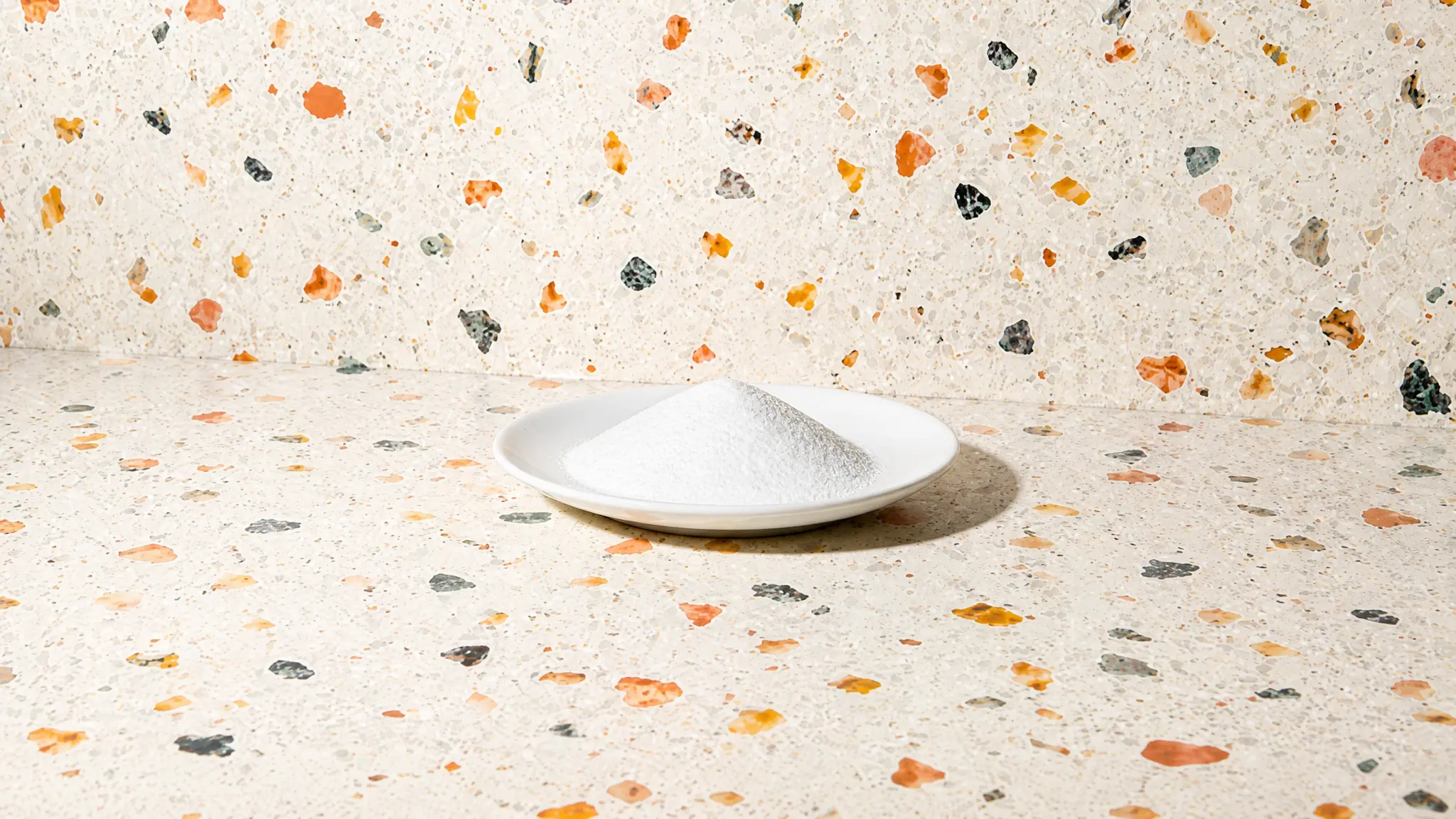
Stevia
Sweetener
Last updated July 5, 2026. The Tummi Food Team maintains this Can I Feed This safety guide guide. Supporting links appear in Sources when available.



Clinically reviewed by Andria Procopio and Arefa Mohamed
Direct answer
Can babies eat Stevia?
No, it is recommended to wait until after 24 months to introduce stevia, due to insufficient research on long-term effects and potential health concerns.
- Serve Age24+months
Stevia may need to wait. Read the answer and prep notes before offering it.
- No Allergens
Stevia is not flagged as one of the major allergens tracked in this database. Still watch your baby closely when serving any new food.
- Choking Risk123451
Lower choking risk when served in the right texture. Always supervise meals and adjust the shape for your baby.
This guide is for everyday food prep questions. Ask your pediatrician about medical concerns, feeding delays, allergy plans, or serious reactions.
How Do You Serve Stevia?
How to serve Stevia to a 12-month-old baby
- 1Avoid giving stevia to infants during this period; safety in babies has not been well studied, so choose whole-food alternatives instead.
- 2Offer naturally sweet, fiber-rich whole fruits (mashed banana, pureed berries) to add sweetness while providing vitamins and fiber.
- 3Prepare fruits by mashing or pureeing to an age-appropriate texture and avoid added sugars or sweeteners.
- 4Start with small amounts, offer alongside savory foods to encourage varied tastes, and watch for any digestive reactions or allergies.
How to serve Stevia to a 24-month-old baby
- 1Continue to avoid stevia for most children because long-term data are limited and it may influence developing taste preferences.
- 2If you consider a purified stevia extract, wait until after 24 months and choose a pure, food-grade product. Talk to your pediatrician before introducing it.
- 3When introducing any new sweetener, offer a very small amount and watch for digestive or allergic reactions over several days.
- 4Favor whole fruits, plain dairy or fortified plant-based options with mashed fruit, and minimally sweetened snacks to encourage a broader palate.
- 5Use natural flavor enhancers in preparation—like vanilla, cinnamon, citrus zest, or fruit purees—to add sweetness without added sweeteners.
How to serve Stevia to babies 24 months and older
- 1Offer only very small amounts and only occasionally — for example, a pinch mixed into baked goods or a splash in caffeine‑free herbal tea.
- 2Prefer mixing stevia into recipes rather than serving it directly, and do not make it a regular substitute for sugar.
- 3Keep overall intake low: acceptable daily intake is about 4 mg steviol glycosides per kg body weight; for example, about 48 mg per day for a 12 kg child (rough estimate to help gauge portions).
- 4Watch for allergic reactions (rash, swelling, breathing changes), especially in children with ragweed/pollen sensitivities, and stop use and seek medical advice if symptoms occur.
Is Stevia a Common Allergen?
Pure stevia is not a common food allergen and does not contain dairy, egg, peanut, tree nuts, soy, wheat, shellfish, fish, or sesame. Rare allergic reactions have been reported; people with ragweed or related plant (Asteraceae) allergies may be more likely to react. Commercial stevia products can contain additives (erythritol, maltodextrin, natural flavors), so always read labels for added ingredients. If your child has severe pollen or multiple allergies, check with your pediatrician before use.
Is Stevia a Choking Hazard?
Very Low Choking Risk
Stevia itself is not a common choking hazard, but foods and products that contain it can be—some forms (e.g., sticky or small pieces) may pose a risk. Always create a safe eating environment and stay within an arm’s reach of your baby during meals so you can respond quickly if gagging or choking occurs. If you’re unsure or worried, consult trusted resources on gagging and choking or speak with your pediatrician.
Save Stevia to your food log
Track foods, reactions, and prep notes in Tummi when you want to keep your baby's feeding history in one place.
Sources
- Sugar in Infants, Children and Adolescents: A Position Paper of the European Society for Paediatric Gastroenterology, Hepatology and Nutrition Committee on Nutrition doi.org
- Additional Information about High-Intensity Sweeteners Permitted for Use in Food in the United States (FDA, 2018) fda.gov
- A double-blind placebo-controlled study of the effectiveness and tolerability of oral stevioside in human hypertension (Chan et al., 2000) doi.org
- Efficacy and tolerability of oral stevioside in patients with mild essential hypertension: a two-year, randomized, placebo-controlled study (Hsieh et al., 2003) doi.org
- Effects of Stevia Extract on Postprandial Glucose Response, Satiety and Energy Intake (Farhat et al., 2019) doi.org
- Anaphylaxis by stevioside in infants with atopic eczema (Kimata, 2007) doi.org
- Steviol glycoside safety: Are highly purified steviol glycoside sweeteners food allergens? (Urban et al., 2015) doi.org
- Ragweed Pollen Allergy (Asthma and Allergy Foundation of America, 2019) aafa.org
What Other Sweetener Can Babies Eat?
See all →
Source-Linked Guidance
See the evidence behind the guide.
Food guides show direct links to public-health guidance and research when supporting references are available. Source inclusion does not imply endorsement.
 Centers for Disease Control and Prevention
Developmental milestones, nutrition guidelines, and allergen introduction timelines.
 American Academy of Pediatrics
Evidence-based feeding recommendations from the leading pediatric authority.
 National Institutes of Health
Peer-reviewed research on infant nutrition, allergies, and food safety.