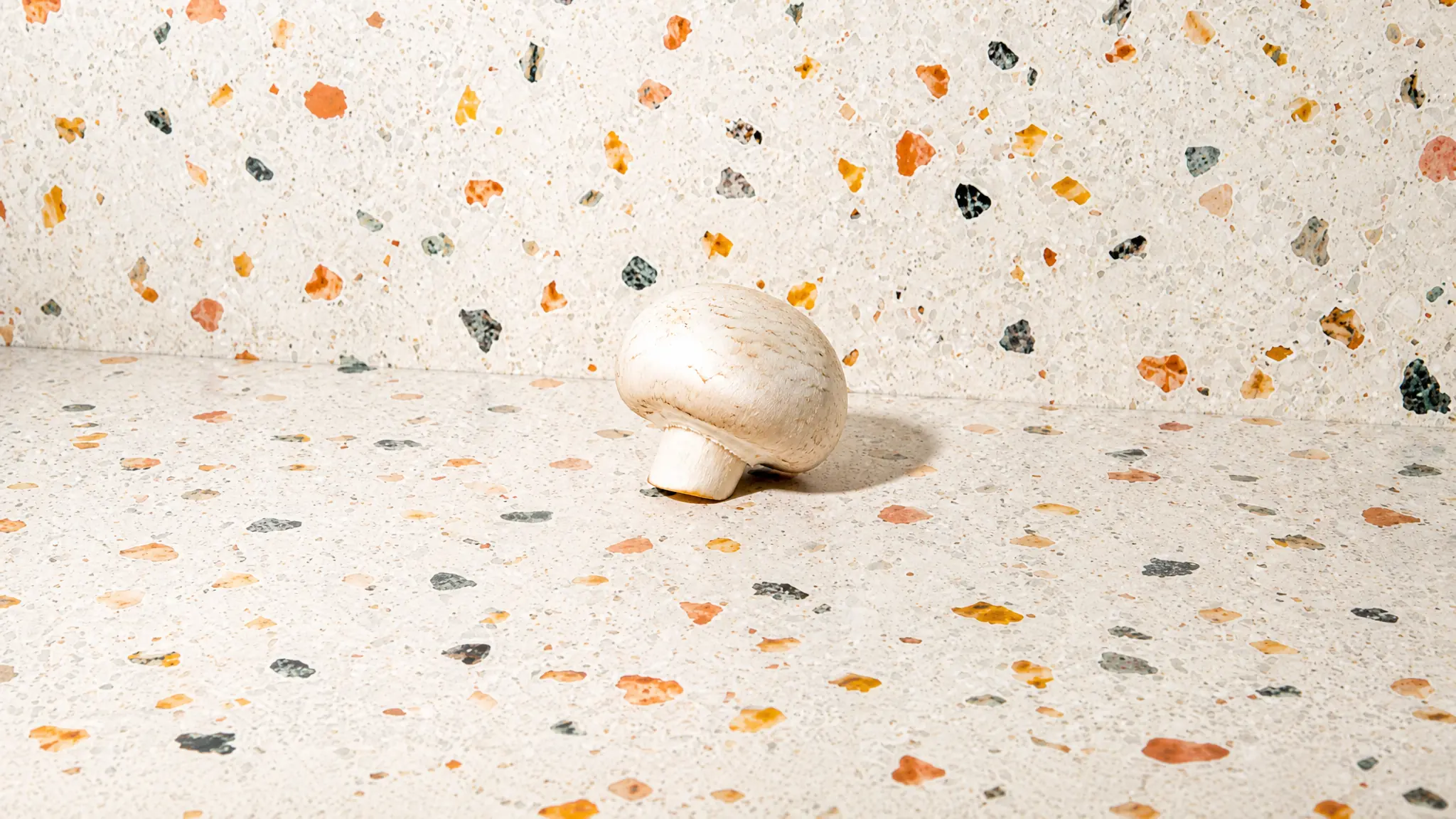
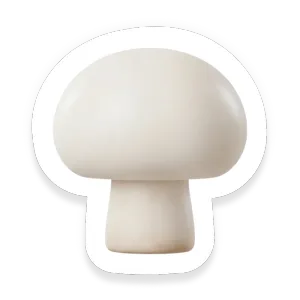
White Button Mushroom
Fungi
Last updated July 5, 2026. The Tummi Food Team maintains this Can I Feed This safety guide guide. Supporting links appear in Sources when available.



Clinically reviewed by Andria Procopio and Arefa Mohamed
Direct answer
Can babies eat White Button Mushroom?
Yes, white button mushrooms can be introduced around 6 months of age, when your baby is ready to start solids, ensuring they are cooked and finely chopped.
- Serve Age6+months
Most babies start solids around 6 months once they show readiness signs. Match the texture and serving size to your baby's skills.
- No Allergens
White Button Mushroom is not flagged as one of the major allergens tracked in this database. Still watch your baby closely when serving any new food.
- Choking Risk123453
Some choking risk. Use the prep section to change the size, shape, or texture before serving.
This guide is for everyday food prep questions. Ask your pediatrician about medical concerns, feeding delays, allergy plans, or serious reactions.
How Do You Serve White Button Mushroom?
How to serve White Button Mushroom to babies 6 months and older
- 1Cook mushrooms until very soft—steam, simmer, or sauté until they release moisture, then finely chop or mash so the pieces break easily under slight pressure.
- 2Mix into scoopable foods like mashed vegetables, porridge, or purees, or blend smooth; for finger food, fold into soft egg strips or tiny well-cooked patties. Make sure pieces are very soft and compressible so they can be mashed with gums or a fork.
- 3Offer a small taste first (about 1–2 teaspoons) and wait 24–48 hours before increasing amount while watching for signs of allergy or digestive upset such as rash, vomiting, or diarrhea.
- 4Always check serving temperature, give very small, easily mashed bites, and supervise closely during feeding to reduce choking risk.
How to serve White Button Mushroom to babies 9 months and older
- 1Sauté or steam mushrooms until very soft, then finely chop or thinly slice so pieces are easy to gum and swallow.
- 2Mix chopped mushrooms into eggs, beans, noodles, or other family dishes to add flavor and texture; also offer small slices or bite-sized pieces on their own as the pincer grasp develops.
- 3Remove or halve stems and cut any round, firm pieces flat to reduce choking risk.
- 4Always supervise mealtime and adjust piece size to match your child’s chewing ability. Supervise meals.
How to serve White Button Mushroom to babies 18 months and older
- 1Cook mushrooms until very soft and chop into small, bite-sized pieces that are easy for a toddler to chew.
- 2If offering raw mushrooms, slice them very thinly and only give them when your child reliably chews well.
- 3Do not give large sections or whole mushrooms — they can be hard to bite and may pose a choking hazard; cut larger pieces into narrow strips or small cubes.
- 4You can leave stems on cooked mushrooms or split them lengthwise to reduce choking risk. Supervise closely and adjust portion size to match your child’s chewing ability.
Is White Button Mushroom a Common Allergen?
White button mushrooms are not a common food allergen for most children, but rare allergic reactions and even anaphylaxis have been reported. Those with mold allergies or asthma may be more likely to react due to fungal cross‑reactivity. Also be mindful of cross‑contamination or cooking ingredients (e.g., butter, soy sauce, breadcrumbs) that may contain common allergens. If a child develops hives, swelling, breathing difficulty, vomiting, or other concerning symptoms after eating mushrooms, seek medical care and consider allergy testing.
Is White Button Mushroom a Choking Hazard?
Moderate Choking Risk
White button mushrooms can be slippery and hard for young babies to break down, and their stems may be firm and rounded—both of which increase choking risk. Always supervise meals closely and stay within arm’s reach, and make sure you know the difference between gagging and true choking and how to respond. If you’re worried about your child’s chewing or swallowing skills, consult your pediatrician or a feeding specialist.
Have More Questions?
Yes. White button mushrooms can be stored in the refrigerator for up to 1 week, preferably in a paper bag to prevent moisture buildup.
Yes. Freezing pureed white button mushrooms is possible and can extend freshness; just freeze in an airtight container for up to 3 months.
It depends. Organic mushrooms are grown without synthetic pesticides and fertilizers, which might reduce your baby's exposure to chemicals, but both organic and conventional mushrooms are safe for babies if properly prepared.
Yes. Combining mushrooms with vegetables or grains can introduce a variety of flavors and nutrients to your baby’s diet, promoting acceptance and balanced nutrition.
A typical serving size for babies around 6-8 months is about 1-2 teaspoons of cooked, chopped mushrooms per meal, adjusting as your baby gets older and more accustomed to textures.
Save White Button Mushroom to your food log
Track foods, reactions, and prep notes in Tummi when you want to keep your baby's feeding history in one place.
Sources
- Polysaccharides and Antioxidants from Culinary-Medicinal White Button Mushroom, Agaricus bisporus (Agaricomycetes), Waste Biomass doi.org
- The effects of whole mushrooms during inflammation doi.org
- White button mushroom (Agaricus bisporus) exhibits antiproliferative and proapoptotic properties and inhibits prostate tumor growth in athymic mice doi.org
- Anti-aromatase activity of phytochemicals in white button mushrooms (Agaricus bisporus) doi.org
- Mushroom allergy doi.org
- Cross-reactivity between raw mushroom and molds in a patient with oral allergy syndrome doi.org
- Chitin, chitinases and chitinase-like proteins in allergic inflammation and tissue remodeling doi.org
- Three-year follow-up study of allergy in workers in a mushroom factory doi.org
- Mushroom allergy: Case series doi.org
What Other Fungi Can Babies Eat?
See all →



Source-Linked Guidance
See the evidence behind the guide.
Food guides show direct links to public-health guidance and research when supporting references are available. Source inclusion does not imply endorsement.
 Centers for Disease Control and Prevention
Developmental milestones, nutrition guidelines, and allergen introduction timelines.
 American Academy of Pediatrics
Evidence-based feeding recommendations from the leading pediatric authority.
 National Institutes of Health
Peer-reviewed research on infant nutrition, allergies, and food safety.