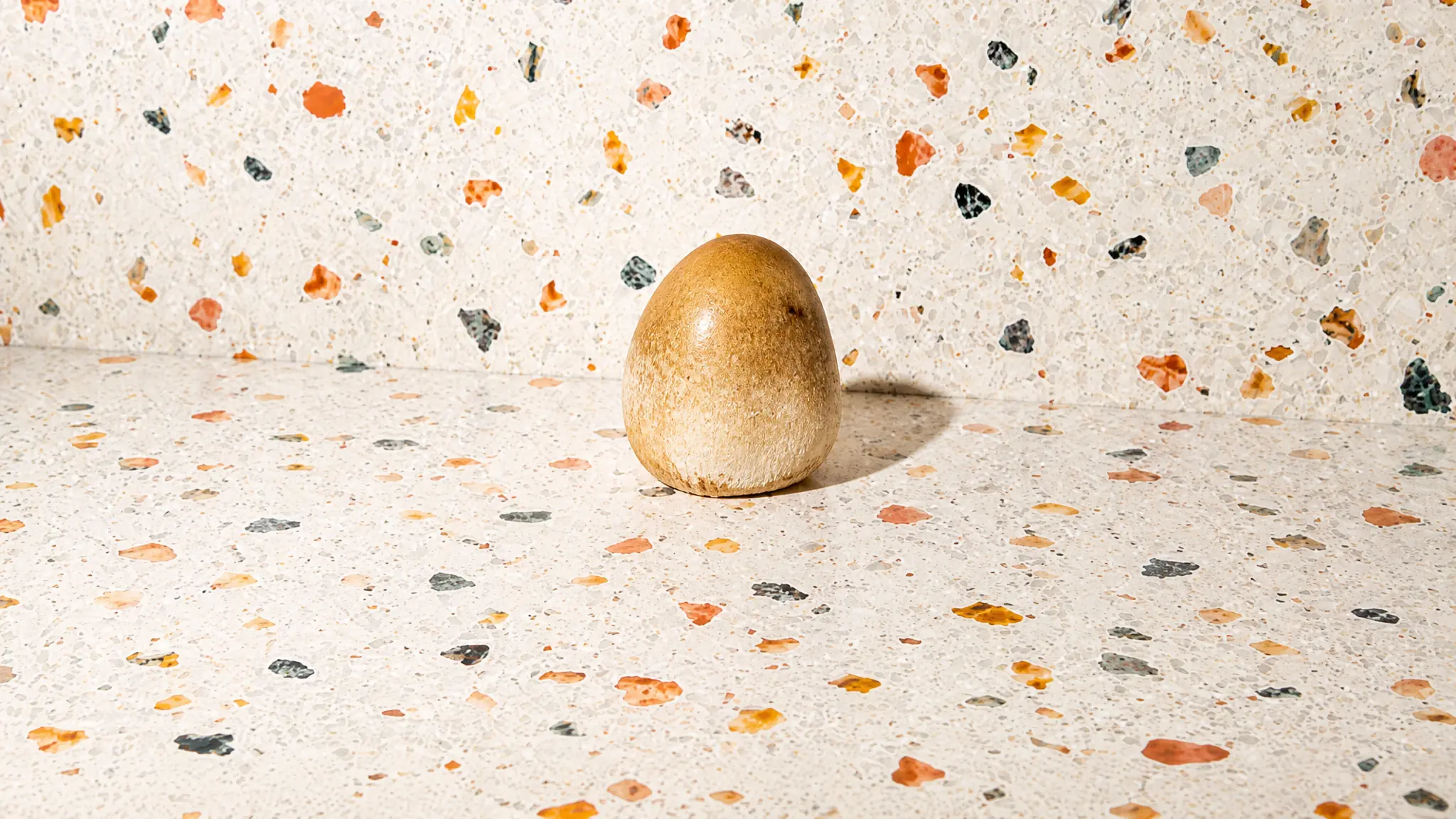
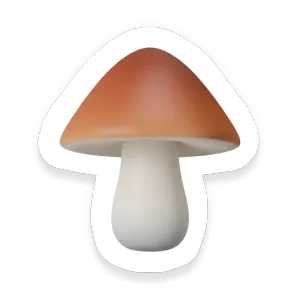
Straw Mushroom
Fungi
Last updated July 5, 2026. The Tummi Food Team maintains this Can I Feed This safety guide guide. Supporting links appear in Sources when available.


Clinically reviewed by Andria Procopio and Arefa Mohamed
Direct answer
Can babies eat Straw Mushroom?
Yes, cooked straw mushrooms can be introduced around 6 months when babies are ready for solids; ensure they are thoroughly cooked and properly prepared.
- Serve Age6+months
Most babies start solids around 6 months once they show readiness signs. Match the texture and serving size to your baby's skills.
- No Allergens
Straw Mushroom is not flagged as one of the major allergens tracked in this database. Still watch your baby closely when serving any new food.
- Choking Risk123451
Lower choking risk when served in the right texture. Always supervise meals and adjust the shape for your baby.
This guide is for everyday food prep questions. Ask your pediatrician about medical concerns, feeding delays, allergy plans, or serious reactions.
How Do You Serve Straw Mushroom?
How to serve Straw Mushroom to babies 6 months and older
- 1Thoroughly cook straw mushrooms until very soft, then finely chop.
- 2Mix into easy-to-scoop dishes like congee, mashed vegetables, soft noodles, or scrambled egg strips so baby can pick up or scoop them.
- 3Cut, flatten, or lightly mash pieces so they are no longer round — this reduces choking.
- 4Serve small amounts, check the temperature, and always stay within arm’s reach to supervise while baby eats.
How to serve Straw Mushroom to babies 9 months and older
- 1Cook straw mushrooms until very soft so they’re easy to chew and digest.
- 2Chop into small, non-round pieces (avoid smooth rounds) to reduce rolling and encourage the pincer grasp.
- 3Stir pieces into soft foods like mashed vegetables or porridge, or offer alone on a plate so the child can pick them up.
- 4Remove any tough stems and ensure pieces are easily mashable with gums; always supervise and check the temperature before serving.
How to serve Straw Mushroom to babies 18 months and older
- 1Cook straw mushrooms thoroughly until very soft — simmer or steam for several minutes so they are tender and easy to mash with the gums.
- 2Cut into small, manageable pieces by chopping finely or halving lengthwise to reduce choking risk.
- 3Serve warm (not hot) while the child is seated and supervised. Always stay within arm's reach and avoid offering mushrooms while the child is walking or riding in a car.
- 4Offer whole cooked mushrooms only after the child shows reliable chewing and swallowing skills; give a few at a time and watch closely.
- 5Introduce one new food at a time and monitor for any reactions; consult your pediatrician if you have concerns.
Is Straw Mushroom a Common Allergen?
Straw mushrooms are not a common source of the major top allergens (nuts, peanuts, dairy, eggs, fish, shellfish, soy, gluten). However, some individuals can have allergic reactions to mushrooms or fungal proteins—avoid if your child has a known mushroom or mold allergy. Packaged or prepared dishes may contain other allergens or pose cross‑contamination risks, so always check ingredient labels and ask about preparation. Cook thoroughly and avoid serving raw mushrooms to young children to reduce food-safety risks.
Is Straw Mushroom a Choking Hazard?
Low Choking Risk
Straw mushrooms are a high choking risk because of their small size, slippery texture, and round shape. Always keep your baby seated upright and within arm’s reach during mealtimes, watch closely for gagging or coughing, and be prepared to intervene if needed. Introduce them cautiously and ensure someone trained in infant first aid is nearby when offering choking-prone foods.
Have More Questions?
Yes. Straw mushrooms, when cooked thoroughly, can be introduced to babies around 6 months old as part of their solid foods. Always ensure they are cooked and prepared safely.
Yes. Straw mushrooms originate from East and Southeast Asia, growing in rice paddies and are available canned and dried outside their native regions. Always buy from reputable sources.
Yes. Straw mushrooms are healthy for babies as they contain iron, zinc, folate, and fiber, supporting immune, blood, and gut health. Choose fresh or dried varieties and avoid high-sodium canned ones.
Yes. Their small size and slippery texture can pose a choking hazard for babies. Always slice or chop them and ensure they are cooked well before feeding.
No. Mushrooms are not common allergens, but some individuals might react, especially those with mold sensitivity or allergy to crustaceans due to chitin. Start with small amounts and observe.
Save Straw Mushroom to your food log
Track foods, reactions, and prep notes in Tummi when you want to keep your baby's feeding history in one place.
Sources
- Ergothioneine as a natural antioxidant against oxidative stress-related diseases — Fu T-T., Shen L. (2022). Frontiers in Pharmacology doi.org
- Mushroom allergy — Koivikko A., Savolainen J. (1988). Allergy doi.org
- Cross-reactivity between raw mushroom and molds — Dauby P.A., Whisman B.A., Hagan L. (2002). Annals of Allergy, Asthma & Immunology doi.org
- Shiitake mushroom allergen — Pravettoni V., Primavesi L., Piantanida M. (2014). Int J Occup Med Environ Health doi.org
- Anaphylactic reaction after ingestion of mushrooms — Gabriel M.F. et al. (2015). Medical Mycology Case Reports doi.org
- Anaphylactic reaction following oyster mushroom inhalation — Branicka O., Rozłucka L., Gawlik R. (2021). Int J Occup Med Environ Health doi.org
- Chitin, chitinases and chitinase-like proteins in allergic inflammation — Lee C.G. (2009). Yonsei Medical Journal doi.org
- Mushroom allergy: Case series — Kayode O.S. et al. (2020). J Allergy Clin Immunol In Practice doi.org
- Oral Allergy Syndrome: An Update for Stomatologists — Kashyap R.R., Kashyap R.S. (2015). Journal of Allergy doi.org
- Health promoting benefits of edible mushrooms through gut microbiota — Jayachandran M., Xiao J., Xu B. (2017). Int J Mol Sci doi.org
- Edible mushrooms as source of dietary fiber — Cheung P.C.K. (2013). Food Science and Human Wellness doi.org
- Closing America's Fiber Intake Gap: Communication Strategies — Quagliani D., Felt-Gunderson P. (2016). American Journal of Lifestyle Medicine doi.org
What Other Fungi Can Babies Eat?
See all →
Source-Linked Guidance
See the evidence behind the guide.
Food guides show direct links to public-health guidance and research when supporting references are available. Source inclusion does not imply endorsement.
 Centers for Disease Control and Prevention
Developmental milestones, nutrition guidelines, and allergen introduction timelines.
 American Academy of Pediatrics
Evidence-based feeding recommendations from the leading pediatric authority.
 National Institutes of Health
Peer-reviewed research on infant nutrition, allergies, and food safety.