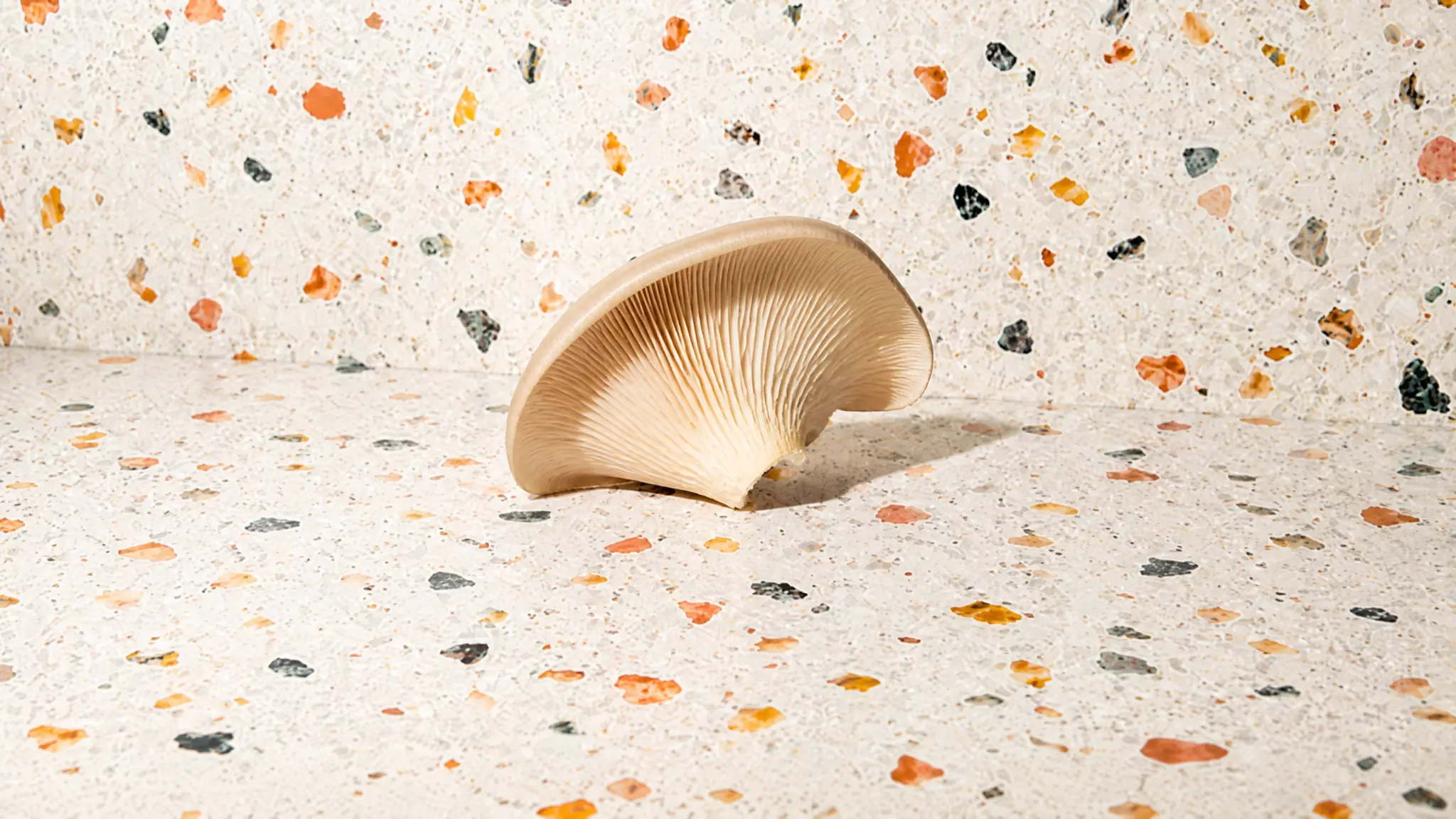
Oyster Mushroom
Fungi
Last updated July 5, 2026. The Tummi Food Team maintains this Can I Feed This safety guide guide. Supporting links appear in Sources when available.


Clinically reviewed by Andria Procopio and Arefa Mohamed
Direct answer
Can babies eat Oyster Mushroom?
Yes, oyster mushrooms can be introduced to babies around 6 months old, cooked thoroughly and served in small, manageable pieces.
- Serve Age6+months
Most babies start solids around 6 months once they show readiness signs. Match the texture and serving size to your baby's skills.
- No Allergens
Oyster Mushroom is not flagged as one of the major allergens tracked in this database. Still watch your baby closely when serving any new food.
- Choking Risk123453
Some choking risk. Use the prep section to change the size, shape, or texture before serving.
This guide is for everyday food prep questions. Ask your pediatrician about medical concerns, feeding delays, allergy plans, or serious reactions.
How Do You Serve Oyster Mushroom?
How to serve Oyster Mushroom to babies 6 months and older
- 1Finely chop fully cooked oyster mushrooms into very small, bite-sized pieces and mix into scoopable or soft foods (congee, porridge, mashed vegetables, or soft scrambled egg) so baby can easily pick up or scoop them.
- 2Start with a single small spoonful (about ½–1 teaspoon) and wait 2–3 days before increasing to watch for any reactions.
- 3Keep baby within arm’s reach and feed them seated upright; offer small, manageable bites to reduce choking risk.
- 4Ensure mushrooms are fully cooked and not oily—drain excess liquid so the texture stays easy to handle and scoop.
How to serve Oyster Mushroom to babies 9 months and older
- 1Cut cooked oyster mushrooms into small, soft, bite-sized pieces (about 1–1.5 cm) so baby can pick them up safely.
- 2Cook until very soft—braise, steam, or sauté—and test by pressing with a fork. No chewy or firm bits should remain.
- 3Serve plain or fold finely chopped mushrooms into mashed veg, porridge, or soft pasta to practise scooping and self-feeding.
- 4Always supervise meals, offer water with the bite, and avoid adding salt or serving tough stems.
How to serve Oyster Mushroom to babies 18 months and older
- 1Cook oyster mushrooms until very soft (sauté, steam, or roast) and cut into small, thin pieces about 1 cm so they are easy to chew.
- 2Serve plain or mixed into meals; offer small soft strips for self-feeding to practice biting and tearing under close supervision.
- 3When your child shows reliable chewing and swallowing, gradually increase piece size or offer whole cooked caps for supervised biting practice.
- 4Introduce mushrooms gradually and wait 3–5 days when adding a new food to watch for reactions. Stop and seek care if you see hives, swelling, vomiting, difficulty breathing, or ongoing coughing.
- 5Refrigerate leftovers promptly and reheat until steaming; discard if not used within 24–48 hours.
Is Oyster Mushroom a Common Allergen?
Oyster mushrooms are not a common food allergen and are generally well tolerated. Rare allergic reactions to mushrooms (including respiratory symptoms or anaphylaxis) have been reported, and people with mold or fungal sensitivities may be more likely to react. Be aware of cross-contamination or recipes that include common allergens (dairy, soy, nuts) when serving mushrooms. If your child has severe allergies or asthma, introduce a small amount first and watch for hives, swelling, breathing difficulty, vomiting, or other concerning symptoms; seek medical care for severe reactions.
Is Oyster Mushroom a Choking Hazard?
Moderate Choking Risk
Oyster mushrooms can be a common choking hazard because they’re often chewy and can be hard for new eaters to break down. Stay within arm’s reach and closely supervise all mealtimes so you can respond quickly if your baby gags or coughs. Watch for any pieces that are rubbery or difficult to mash and be prepared to seek immediate help if choking occurs.
Have More Questions?
Yes, you can store cooked oyster mushrooms in an airtight container in the refrigerator for up to 2 days. For longer storage, freezing cooked mushrooms is suitable for up to 3 months.
Yes, you can prepare and freeze oyster mushroom purees in ice cube trays, then transfer to freezer bags for up to 3 months. Ensure the purees are cooled before freezing.
Yes, parents often prefer organic oyster mushrooms to reduce exposure to pesticides, but both organic and conventional can be safe for babies if properly washed and cooked.
Yes, combining oyster mushrooms with other baby-friendly foods, such as sweet potatoes or peas, can create nutritious and flavorful meals, provided the textures are appropriate for your baby's age.
Portion sizes for babies depend on their age and appetite, but generally start with 1-2 teaspoons of cooked, finely chopped mushrooms and gradually increase as tolerated.
Save Oyster Mushroom to your food log
Track foods, reactions, and prep notes in Tummi when you want to keep your baby's feeding history in one place.
Sources
- Medicinal Mushrooms: Bioactive Compounds, Use, and Clinical Trials (Venturella et al., 2021) doi.org
- Mushroom allergy (Koivikko & Savolainen, 1988) doi.org
- Cross-reactivity between raw mushroom and molds (Dauby et al., 2002) doi.org
- Shiitake mushroom allergen (Pravettoni et al., 2014) doi.org
- Anaphylactic reaction after ingestion of mushrooms (Gabriel et al., 2015) doi.org
- Anaphylactic reaction following oyster mushroom inhalation (Branicka et al., 2021) doi.org
- Chitin, chitinases and allergic inflammation (Lee, 2009) doi.org
- Mushroom allergy: Case series (Kayode et al., 2020) doi.org
- Oral Allergy Syndrome: An Update for Stomatologists (Kashyap & Kashyap, 2015) doi.org
- Health benefits of edible mushrooms through gut microbiota (Jayachandran et al., 2017) doi.org
- Closing America's Fiber Intake Gap (Quagliani & Felt-Gunderson, 2016) doi.org
- Sulfite sensitivity (Cleveland Clinic, 2020) my.clevelandclinic.org
- Oral Allergy Syndrome (American Academy of Allergy Asthma & Immunology) aaaai.org
What Other Fungi Can Babies Eat?
See all →
Source-Linked Guidance
See the evidence behind the guide.
Food guides show direct links to public-health guidance and research when supporting references are available. Source inclusion does not imply endorsement.
 Centers for Disease Control and Prevention
Developmental milestones, nutrition guidelines, and allergen introduction timelines.
 American Academy of Pediatrics
Evidence-based feeding recommendations from the leading pediatric authority.
 National Institutes of Health
Peer-reviewed research on infant nutrition, allergies, and food safety.