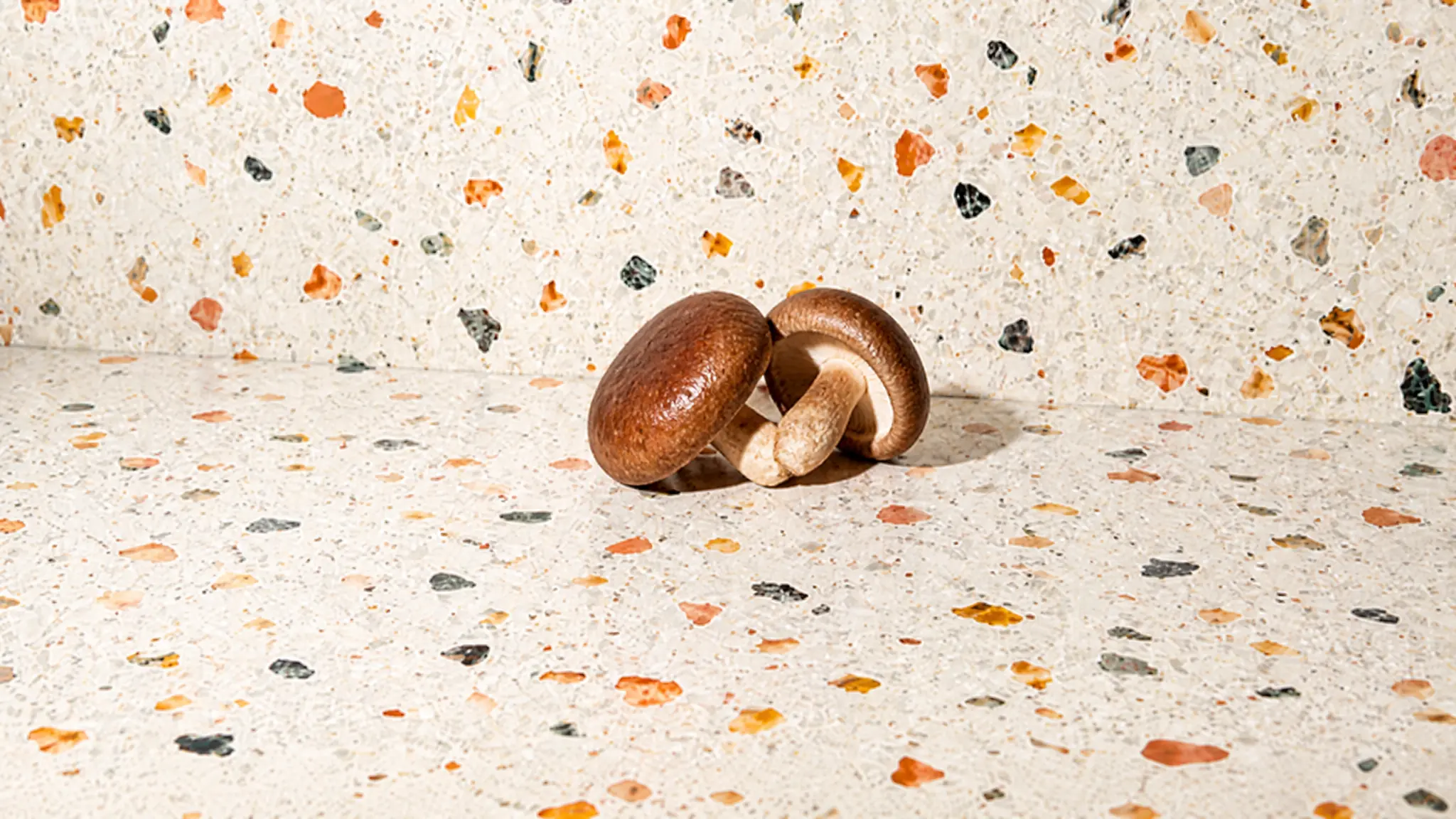

Shiitake Mushrooms
Fungi
Last updated July 5, 2026. The Tummi Food Team maintains this Can I Feed This safety guide guide. Supporting links appear in Sources when available.



Clinically reviewed by Andria Procopio and Arefa Mohamed
Direct answer
Can babies eat Shiitake Mushrooms?
Yes, shiitake mushrooms can be introduced around 6 months old once cooked thoroughly and chopped into small, manageable pieces.
- Serve Age6+months
Most babies start solids around 6 months once they show readiness signs. Match the texture and serving size to your baby's skills.
- No Allergens
Shiitake Mushrooms is not flagged as one of the major allergens tracked in this database. Still watch your baby closely when serving any new food.
- Choking Risk123452
Lower choking risk when served in the right texture. Always supervise meals and adjust the shape for your baby.
This guide is for everyday food prep questions. Ask your pediatrician about medical concerns, feeding delays, allergy plans, or serious reactions.
How Do You Serve Shiitake Mushrooms?
How to serve Shiitake Mushrooms to babies 6 months and older
- 1Cook shiitake until very soft (steam, simmer, or roast) so they are easy to chew.
- 2Remove stems and finely chop caps into pea-sized pieces; stir into scoopable foods like mashed vegetables, congee, or scrambled eggs so the mushroom is evenly distributed.
- 3If offering a whole cooked cap for mouthing, remove the stem first and only give it if the cap is smaller than the baby’s mouth and under close supervision.
- 4Start with a small amount, watch for gagging or any allergic reaction, and introduce shiitake alone for a few days before adding other new foods.
How to serve Shiitake Mushrooms to babies 9 months and older
- 1Cook shiitake mushrooms until very soft (sauté, simmer, or steam) and slice very thinly so they can be easily gummed and swallowed.
- 2Trim or halve stems and cut them into small, flat pieces; discard any tough, stringy stem parts to avoid rounded, firm pieces that increase choking risk.
- 3Mix small pieces into eggs, beans, noodles, or vegetable dishes so mushrooms blend with familiar textures and are easier to pick up and chew.
- 4Serve at a safe temperature and cut to sizes that match your child’s chewing ability; supervise all eating and adjust texture as needed.
How to serve Shiitake Mushrooms to babies 18 months and older
- 1Cut mushrooms into small, even pieces (about 1/2-inch dice or thin slices) so pieces are easy to chew and grab.
- 2Cook until tender—sauté, steam, or roast—to soften the texture and reduce chewiness.
- 3Split stems lengthwise or trim tough stems to flatten them and lower choking risk.
- 4Remove any stringy or rubbery bits and cut larger pieces into smaller bites before serving.
- 5Let cool to lukewarm and mix with familiar foods (sauces, grains, or mashed vegetables) to improve acceptance.
Is Shiitake Mushrooms a Common Allergen?
Shiitake mushrooms are not a common top‑9 food allergen, but they can rarely cause "shiitake (flagellate) dermatitis" from a compound called lentinan—especially after eating raw or undercooked mushrooms. This usually appears 1–3 days later as intensely itchy, whip‑like linear red streaks and is typically self‑limited; symptomatic relief may include antihistamines and topical steroids. Thorough cooking generally prevents this reaction. Seek urgent care if a child develops widespread hives, facial swelling, difficulty breathing, or other signs of anaphylaxis.
Is Shiitake Mushrooms a Choking Hazard?
Low Choking Risk
Shiitake mushrooms can be slippery and difficult for young babies to break down, and their stems are often firm and round, which increases choking risk. Always keep baby upright and within arm’s reach during feeds so you can intervene quickly if needed. Be familiar with the signs of choking and have an emergency plan; review infant choking first-aid with your pediatrician if you’re unsure.
Have More Questions?
Yes. Shiitake mushrooms can be introduced to babies around 6 months old, once they are ready for solids, and should be cooked thoroughly to ensure safety.
Yes. Shiitake mushrooms are nutritious for babies, providing vitamins, minerals, and phytonutrients that support immune health and development.
No. Actual mushroom allergies are rare; however, cooked shiitakes can cause skin reactions in some, and spores may trigger respiratory issues in sensitive people.
Yes. Raw or undercooked shiitake mushrooms pose a choking risk due to their slippery texture and firm stems; always serve them in small, soft, age-appropriate pieces.
End the meal if baby refuses to eat and do not force them; follow up with breast or bottlefeeding, and try again later when they are more interested.
Save Shiitake Mushrooms to your food log
Track foods, reactions, and prep notes in Tummi when you want to keep your baby's feeding history in one place.
Sources
- Vitamin B12 among Vegetarians: Status, Assessment and Supplementation doi.org
- Mushrooms—Biologically Distinct and Nutritionally Unique: Exploring a 'Third Food Kingdom' doi.org
- The Unexplored Anticaries Potential of Shiitake Mushroom doi.org
- Extracts from Lentinula edodes Enriched with Vitamin D Exert an Anti-Inflammatory Hepatoprotective Effect doi.org
- Lentinus edodes: a macrofungus with pharmacological activities doi.org
- Mushroom allergy (Koivikko & Savolainen, 1988) doi.org
- Shiitake mushroom as an occupational allergen (Pravettoni et al., 2014) doi.org
- Shiitake Mushroom Dermatitis: A Review doi.org
- Shiitake dermatitis (Mendonça et al., 2015) doi.org
- Three-year follow-up study of allergy in workers in a mushroom factory doi.org
- Cross-reactivity between raw mushroom and molds (Dauby et al., 2002) doi.org
- Mushroom allergy: Case series (Kayode et al., 2020) doi.org
- Chitin, chitinases and chitinase-like proteins in allergic inflammation (Lee, 2009) doi.org
What Other Fungi Can Babies Eat?
See all →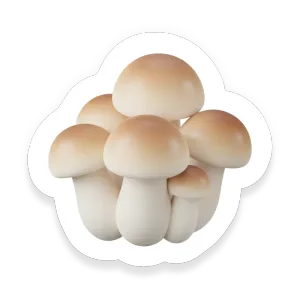
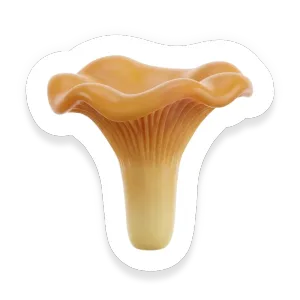
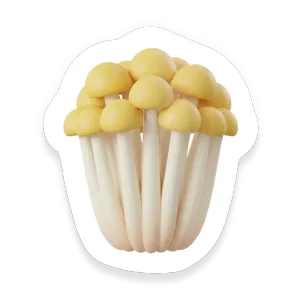
Source-Linked Guidance
See the evidence behind the guide.
Food guides show direct links to public-health guidance and research when supporting references are available. Source inclusion does not imply endorsement.
 Centers for Disease Control and Prevention
Developmental milestones, nutrition guidelines, and allergen introduction timelines.
 American Academy of Pediatrics
Evidence-based feeding recommendations from the leading pediatric authority.
 National Institutes of Health
Peer-reviewed research on infant nutrition, allergies, and food safety.