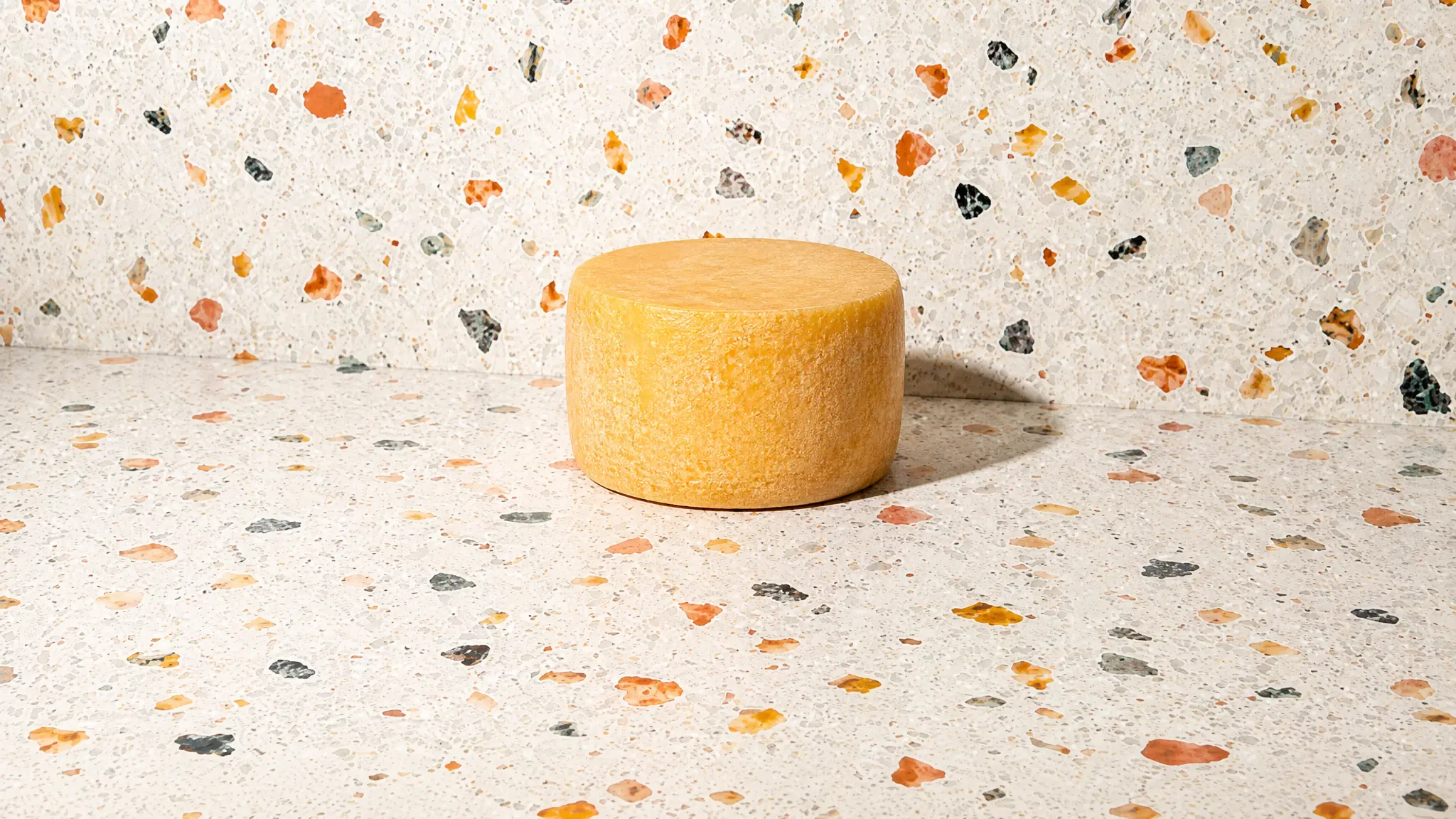
Cheese
Dairy
Last updated July 5, 2026. The Tummi Food Team maintains this Can I Feed This safety guide guide. Supporting links appear in Sources when available.



Clinically reviewed by Andria Procopio and Arefa Mohamed
Direct answer
Can babies eat Cheese?
Yes, pasteurized cheese can be introduced around 6 months, ensuring it is cut into small, manageable pieces to reduce choking risk.
- Serve Age6+months
Most babies start solids around 6 months once they show readiness signs. Match the texture and serving size to your baby's skills.
- Allergens
Cheese is flagged for milk. Introduce common allergens in a baby-safe form and follow your clinician's advice if your baby is higher risk.
- Choking Risk123451
Lower choking risk when served in the right texture. Always supervise meals and adjust the shape for your baby.
This guide is for everyday food prep questions. Ask your pediatrician about medical concerns, feeding delays, allergy plans, or serious reactions.
How Do You Serve Cheese?
How to serve Cheese to babies 6 months and older
- 1Spread a thin layer of pasteurized soft cheese on toast or offer it in a shallow bowl so your baby can scoop and mash with their gums.
- 2For semi‑firm cheeses, cut long, flat ruler‑thin strips (not cubes) so the baby can grasp and gnaw safely.
- 3Do not serve unpasteurized or mold‑ripened cheeses (e.g., Brie, blue cheese); check labels and avoid overly salty varieties.
- 4If you serve melted cheese, make it a very thin layer and let it cool to lukewarm to prevent burns and reduce choking risk; always supervise during meals.
How to serve Cheese to babies 9 months and older
- 1Cut pasteurized semi‑firm cheeses from a flat slice into small, flat bite-sized pieces or long, thin strips to make picking up and chewing easier.
- 2Offer shredded cheese on its own or lightly melt into warm foods, but use sparingly to avoid sticky clumps that can be hard to manage.
- 3Avoid large cubes or thick chunks that increase choking risk; cut pieces thin enough that they can be mashed between your fingers.
- 4Only use pasteurized varieties and do not offer unpasteurized or mold‑ripened cheeses.
- 5Always supervise while eating and introduce one cheese at a time to watch for any allergic reaction.
Is Cheese a Common Allergen?
Cheese contains milk proteins (casein and whey) and should be avoided by anyone with a milk (cow’s milk) allergy — lactose‑free products may still contain these proteins. Lactose intolerance is different from milk allergy; some aged cheeses have lower lactose but still contain allergenic proteins. Always read labels for added ingredients (e.g., nuts, soy, gluten) and possible cross-contact in flavored or processed cheeses, and consult your child’s allergist if you’re unsure.
Is Cheese a Choking Hazard?
Low Choking Risk
Cheese can be firm, springy, and sticky, which allows it to form a mass in the mouth and makes it a notable choking risk for babies. Parents should stay within arm’s reach and closely supervise when introducing cheese, be alert for signs of choking or gagging, and have an emergency plan in case of airway blockage.
Have More Questions?
Yes. When choosing cheese for babies, ensure it is pasteurized to reduce the risk of foodborne illness and serve in appropriate, manageable pieces to prevent choking.
Yes. You can freeze cheese in small portions for later use; just wrap and store it in airtight containers to maintain quality.
Yes. Organic cheese is made from milk from animals not treated with synthetic pesticides or hormones, but nutritionally, it is similar to conventional cheese.
Yes. Combining cheese with fruits, vegetables, or grains can create nutritious, balanced meal options for babies, supporting diverse taste development.
There is no strict limit; serve cheese as part of a varied diet, and monitor portion sizes based on your baby's appetite and dietary needs.
Save Cheese to your food log
Track foods, reactions, and prep notes in Tummi when you want to keep your baby's feeding history in one place.
Sources
What Other Dairy Can Babies Eat?
See all →

Source-Linked Guidance
See the evidence behind the guide.
Food guides show direct links to public-health guidance and research when supporting references are available. Source inclusion does not imply endorsement.
 Centers for Disease Control and Prevention
Developmental milestones, nutrition guidelines, and allergen introduction timelines.
 American Academy of Pediatrics
Evidence-based feeding recommendations from the leading pediatric authority.
 National Institutes of Health
Peer-reviewed research on infant nutrition, allergies, and food safety.