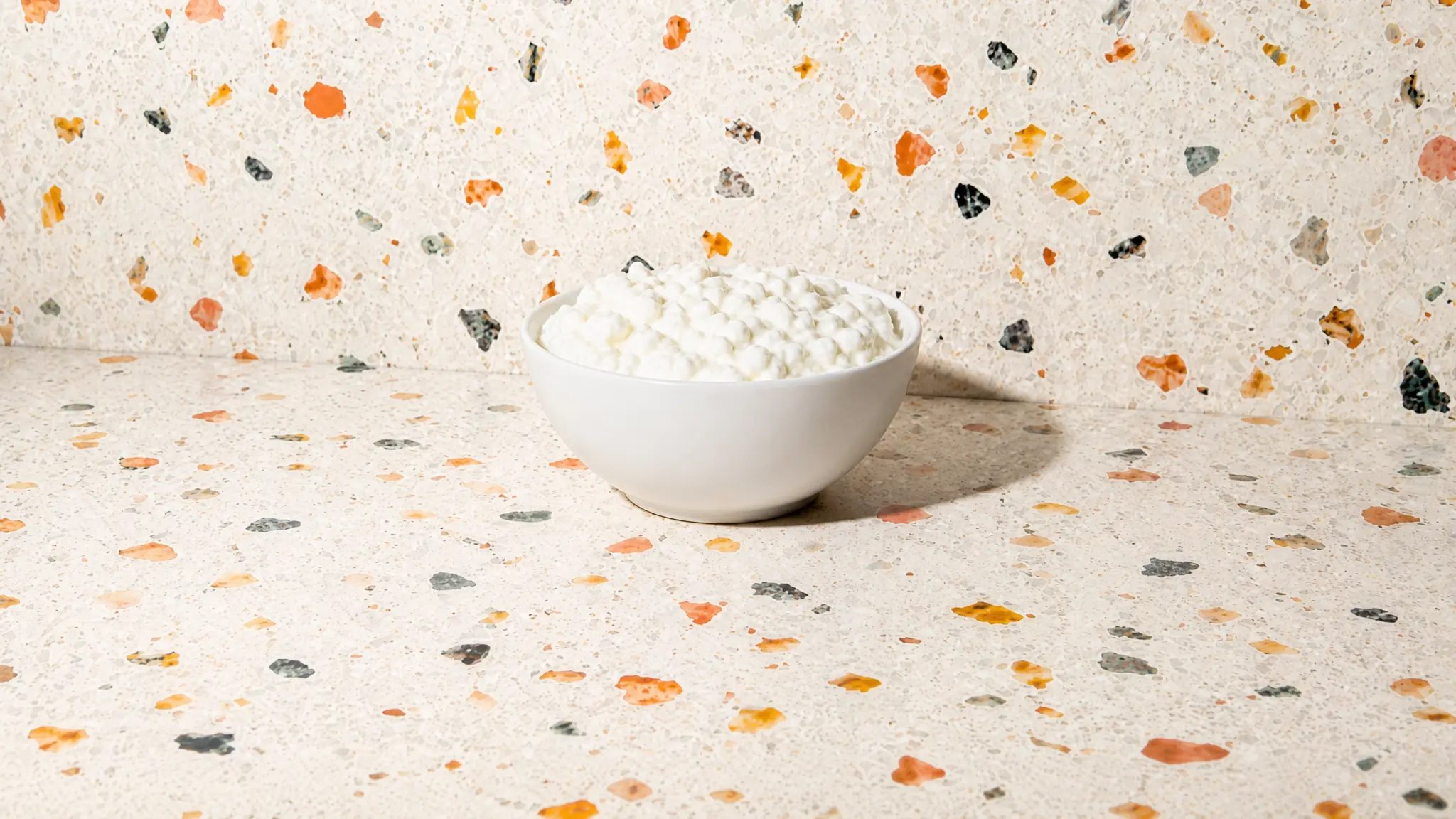
Cottage Cheese
Dairy
Last updated July 5, 2026. The Tummi Food Team maintains this Can I Feed This safety guide guide. Supporting links appear in Sources when available.



Clinically reviewed by Andria Procopio and Arefa Mohamed
Direct answer
Can babies eat Cottage Cheese?
Yes, babies can eat cottage cheese starting around 6 months, when they are ready to start solids, due to its soft texture and nutritional benefits.
- Serve Age6+months
Most babies start solids around 6 months once they show readiness signs. Match the texture and serving size to your baby's skills.
- Allergens
Cottage Cheese is flagged for milk. Introduce common allergens in a baby-safe form and follow your clinician's advice if your baby is higher risk.
- Choking Risk123451
Lower choking risk when served in the right texture. Always supervise meals and adjust the shape for your baby.
This guide is for everyday food prep questions. Ask your pediatrician about medical concerns, feeding delays, allergy plans, or serious reactions.
How Do You Serve Cottage Cheese?
How to serve Cottage Cheese to babies 6 months and older
- 1Put a small spoonful of cottage cheese in a shallow bowl for spoon-feeding or offer on a soft-tipped spoon so baby can self-feed; always supervise.
- 2Mix cottage cheese into mashed fruit, cooked vegetables, or soft porridge to make it scoopable and milder.
- 3Spread a thin layer on soft strips of toast or pancake for finger food, and avoid large clumps.
- 4Check curd size before serving — if curds are large, gently flatten them with the back of a fork until small and soft, and keep the baby seated upright while eating. Do not add honey.
How to serve Cottage Cheese to babies 12 months and older
- 1Offer cottage cheese plain or mixed with gentle toppings like mashed banana, applesauce, soft diced peach, or finely chopped steamed vegetables to add flavor and nutrients.
- 2Serve in a shallow bowl or on a small plate and pre-load a small, easy-grip spoon or leave one nearby so the child can practice picking it up and feeding themselves.
- 3Choose small-curd cottage cheese or mash larger curds to create a soft, even texture that reduces choking risk.
- 4Introduce mild flavors slowly—try a tiny pinch of cinnamon or finely chopped fresh herbs (chives or basil) and stop if the child refuses or shows any reaction.
- 5Check temperature and texture before serving and offer a sip of water with the meal to help swallowing.
Is Cottage Cheese a Common Allergen?
Cottage cheese is a dairy product made from milk and contains milk proteins (casein and whey), so it is unsafe for anyone with a cow’s milk/dairy allergy. It also contains lactose, so people with lactose intolerance may have symptoms, though tolerance varies. Check product labels for added ingredients, whey/casein-containing additives, or cross-contact warnings, as formulations and processing differ by brand. If you suspect a milk allergy in your child, avoid cottage cheese and consult your pediatrician or an allergist.
Is Cottage Cheese a Choking Hazard?
Low Choking Risk
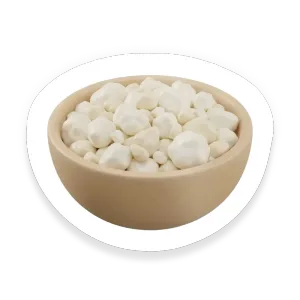
Cottage cheese presents a low choking risk for babies, though curd sizes can vary and may occasionally be swallowed whole. As with any food, parents should remain within arm’s reach and watch closely for signs of choking. It’s a good idea to be familiar with basic choking first aid whenever introducing new foods.
Have More Questions?
Yes, parents can store cottage cheese in the refrigerator for 3-5 days after opening, but it is best to check the expiration date and keep it in an airtight container.
Yes, you can freeze cottage cheese, but it may change in texture, becoming more crumbly. Use frozen and thawed cottage cheese within 1-2 months for best quality.
It depends. Organic cottage cheese may have fewer additives and preservatives, making it a good choice, but conventional options are also nutritious; always check labels.
Yes, you can combine cottage cheese with fruits, vegetables, or grains to introduce new flavors and textures to your baby’s diet, as long as the foods are age-appropriate.
It depends. Typical portion sizes for babies range from about 1-2 tablespoons of cottage cheese per feeding, depending on age and appetite.
Save Cottage Cheese to your food log
Track foods, reactions, and prep notes in Tummi when you want to keep your baby's feeding history in one place.
Sources
- Effect of water rinsing on sodium content of selected foods pubmed.ncbi.nlm.nih.gov
- Risk assessment of food allergens: Part 1 – Review and validation of Codex Alimentarius priority allergen list through risk assessment (FAO/WHO Meeting Report, 2022) who.int
- The epidemiology of milk allergy in US children pubmed.ncbi.nlm.nih.gov
- The challenge of cow milk protein allergy sciencedirect.com
- Cow's Milk Protein Allergy (GI Kids, 2019) gikids.org
- Food protein-induced enterocolitis syndrome and allergic proctocolitis pubmed.ncbi.nlm.nih.gov
What Other Dairy Can Babies Eat?
See all →
Source-Linked Guidance
See the evidence behind the guide.
Food guides show direct links to public-health guidance and research when supporting references are available. Source inclusion does not imply endorsement.
 Centers for Disease Control and Prevention
Developmental milestones, nutrition guidelines, and allergen introduction timelines.
 American Academy of Pediatrics
Evidence-based feeding recommendations from the leading pediatric authority.
 National Institutes of Health
Peer-reviewed research on infant nutrition, allergies, and food safety.