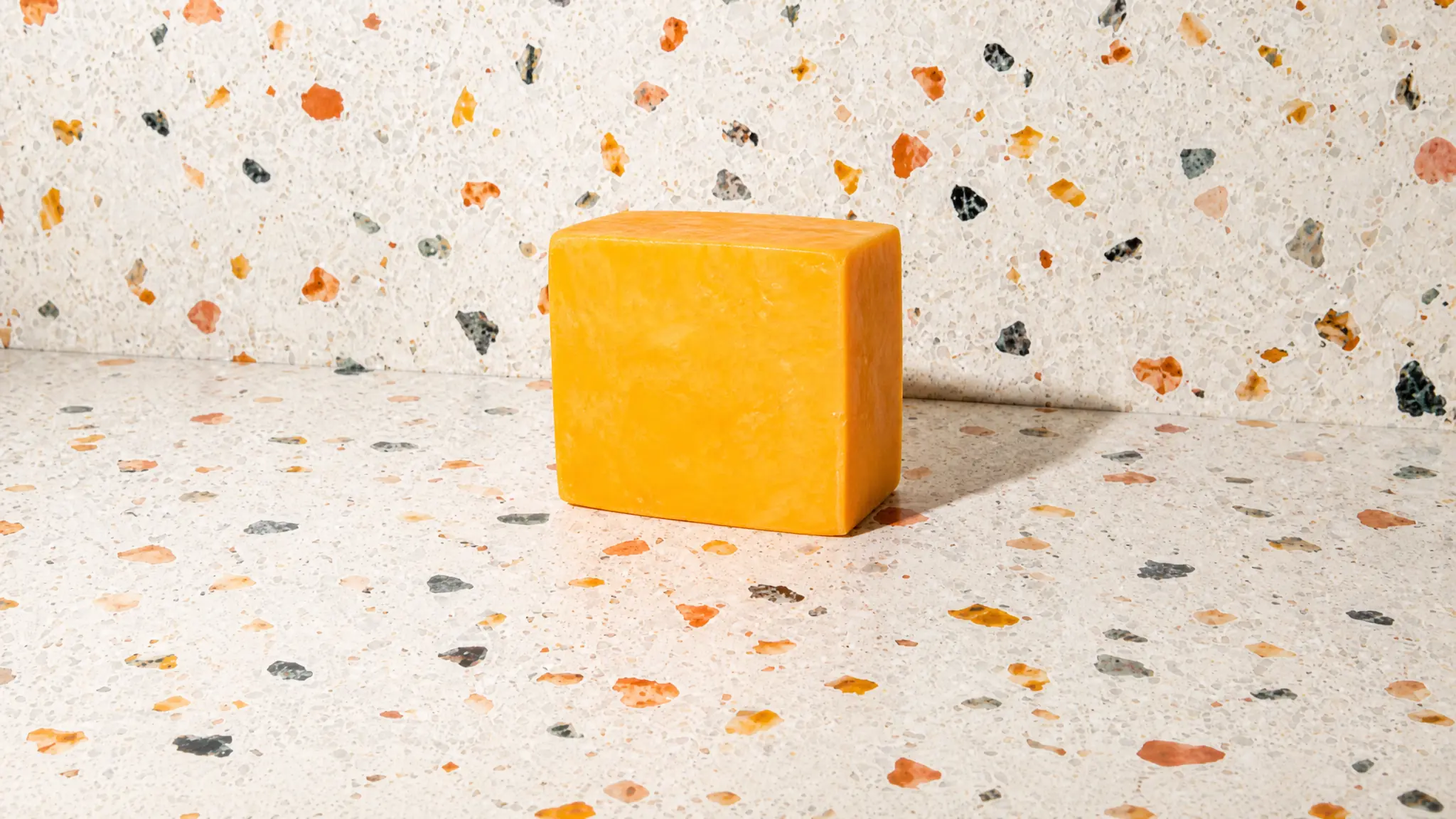

Colby Cheese
Dairy
Last updated July 5, 2026. The Tummi Food Team maintains this Can I Feed This safety guide guide. Supporting links appear in Sources when available.



Clinically reviewed by Andria Procopio and Arefa Mohamed
Direct answer
Can babies eat Colby Cheese?
Pasteurized Colby cheese can be introduced around 6 months once a baby is developmentally ready for solid foods. Choose a lower-salt option, avoid it for a child with cow’s-milk allergy, and serve it in a developmentally appropriate texture without large chunks.
- Serve Age6+months
Most babies start solids around 6 months once they show readiness signs. Match the texture and serving size to your baby's skills.
- Allergens
Colby Cheese is flagged for milk. Introduce common allergens in a baby-safe form and follow your clinician's advice if your baby is higher risk.
- Choking Risk123452
Lower choking risk when served in the right texture. Always supervise meals and adjust the shape for your baby.
This guide is for everyday food prep questions. Ask your pediatrician about medical concerns, feeding delays, allergy plans, or serious reactions.
How Do You Serve Colby Cheese?
How to serve Colby Cheese to babies 6 months and older
- 1Offer very small tastes of pasteurized Colby — about pea-sized — to introduce flavor gradually.
- 2Cut cheese into long, thin flat strips (around 1/8 inch thick) so baby can grasp an edge and the pieces are less likely to cause choking.
- 3If warming or melting, use a light sprinkling of finely shredded Colby and stir until evenly softened; avoid large globs.
- 4Do not give cubes or big chunks; always have baby seated upright and supervised, and offer one small piece at a time.
How to serve Colby Cheese to babies 9 months and older
- 1Serve pasteurized Colby as long, flat slices or tear into thin, bite-sized strips to make pieces easier to chew and swallow.
- 2Grate Colby and mix it into warm foods like mashed vegetables or pasta to add flavor and soften texture; mixing into warm foods helps it distribute without large chunks.
- 3Avoid offering cheese as cubes or thick melted globs — these are higher choking hazards.
How to serve Colby Cheese to babies 12 months and older
- 1Cut Colby into small, bite-sized pieces from a thin slice, small shredded clusters, or long flat strips so your child can practice biting and tearing safely.
- 2Use thin, flexible strips or finely shredded pieces that bend and compress rather than break into hard chunks.
- 3Lightly warm a very thin layer of Colby over bread, pasta, tortillas, beans, or soft vegetables to soften it — make sure it’s warm but not hot and stir so it doesn’t cool into sticky clumps.
- 4Supervise every bite and offer sips of water as needed. Remove large pieces before serving.
Is Colby Cheese a Common Allergen?
Colby cheese is made from cow's milk and contains milk proteins—avoid for children with a milk (dairy) allergy. Lactose-intolerant individuals may tolerate small amounts depending on sensitivity, but this is different from an allergy. Always check packaging for 'may contain' or cross-contact statements, and consult the manufacturer or your child’s allergist if the allergy is severe.
Is Colby Cheese a Choking Hazard?
Low Choking Risk
Colby can be a choking hazard because its firm texture and tendency to become globby or stringy can make it difficult for young babies to manage in the mouth. Always stay within arm’s reach and closely supervise feeding so you can respond quickly if gagging or choking occurs. Be especially cautious for babies still learning to chew and for toddlers who are eating while moving around, as both increase choking risk.
Save Colby Cheese to your food log
Track foods, reactions, and prep notes in Tummi when you want to keep your baby's feeding history in one place.
Sources
- U.S. Food & Drug Administration — Dangers of Raw Milk fda.gov
- HealthyChildren.org — Choking Prevention healthychildren.org
What Other Dairy Can Babies Eat?
See all →



Source-Linked Guidance
See the evidence behind the guide.
Food guides show direct links to public-health guidance and research when supporting references are available. Source inclusion does not imply endorsement.
 Centers for Disease Control and Prevention
Developmental milestones, nutrition guidelines, and allergen introduction timelines.
 American Academy of Pediatrics
Evidence-based feeding recommendations from the leading pediatric authority.
 National Institutes of Health
Peer-reviewed research on infant nutrition, allergies, and food safety.