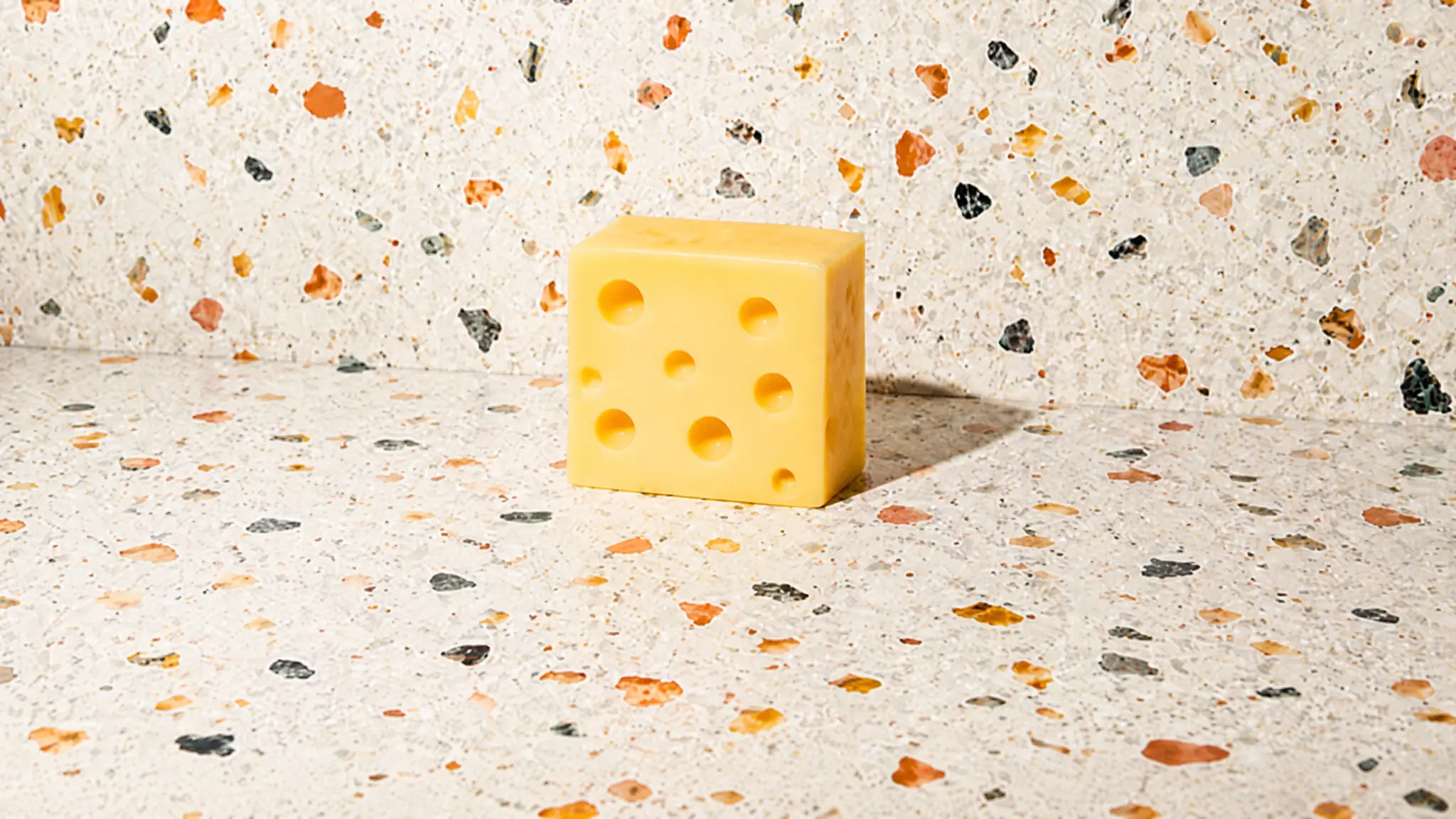
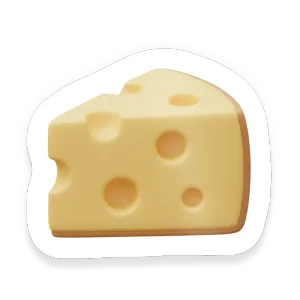
Emmentaler Cheese
Dairy
Last updated July 5, 2026. The Tummi Food Team maintains this Can I Feed This safety guide guide. Supporting links appear in Sources when available.



Clinically reviewed by Andria Procopio and Arefa Mohamed
Direct answer
Can babies eat Emmentaler Cheese?
Yes, pasteurized emmentaler cheese can be introduced around 6 months of age, ensuring it is served in an age-appropriate, safe manner.
- Serve Age6+months
Most babies start solids around 6 months once they show readiness signs. Match the texture and serving size to your baby's skills.
- Allergens
Emmentaler Cheese is flagged for milk. Introduce common allergens in a baby-safe form and follow your clinician's advice if your baby is higher risk.
- Choking Risk123453
Some choking risk. Use the prep section to change the size, shape, or texture before serving.
This guide is for everyday food prep questions. Ask your pediatrician about medical concerns, feeding delays, allergy plans, or serious reactions.
How Do You Serve Emmentaler Cheese?
How to serve Emmentaler Cheese to babies 6 months and older
- 1Slice pasteurized Emmentaler into long, thin strips to make it easy for baby to grasp and chew; long, thin strips reduce choking risk.
- 2Finely shred or grate a small amount and stir into warm foods (like mashed vegetables or pasta) so it melts evenly — avoid large melted globs that can be sticky or stringy.
- 3Do not serve cubes, thick slices, or large chunks, as these are choking hazards.
- 4Keep portions small, check the cheese's salt content, and always supervise while eating.
How to serve Emmentaler Cheese to babies 9 months and older
- 1Grate Emmentaler finely or cut a very thin slice so pieces are soft and easy for little fingers to pick up.
- 2Cut thin slices into short strips or grate into shreds; avoid cube-shaped pieces that can be harder to handle and pose a choking risk.
- 3Offer pieces small enough for self-feeding — aim for flat shreds or pea-sized soft bits that fit on the pincer tips. Avoid firm chunks.
- 4Serve plain or mixed into soft foods so baby can explore flavor and texture, giving only small amounts and encouraging independent feeding.
- 5Always supervise closely during feeding and stay ready to respond if your baby struggles while chewing or swallowing.
How to serve Emmentaler Cheese to babies 12 months and older
- 1Offer grated Emmentaler or very small, bite-sized pieces cut from thin slices—avoid large chunks and remove any thick rind.
- 2For chewing practice, provide longer thin strips they can grip and tear, but always supervise closely while they eat.
- 3Melt a small amount over warm (not hot) bread, pasta, beans, or vegetables and serve immediately; do not let melted cheese cool into hard, sticky clumps.
- 4Choose pasteurized Emmentaler and check saltiness; if the cheese is very firm or has large holes, cut into tiny pieces or soften slightly before serving.
- 5Always supervise at mealtimes and offer water, trimming or discarding any pieces that become slippery, stretchy, or difficult to chew.
How to serve Emmentaler Cheese to babies 24 months and older
- 1Serve pasteurized Emmentaler thinly sliced, shredded, or melted over foods to make pieces easy to chew and swallow.
- 2If offering small cubes, wait until your child demonstrates mature chewing and introduce one cube at a time while watching how they manage it.
- 3Keep the child seated upright and focused at the table; supervise closely and coach safe chewing by modeling small bites and slow swallowing.
- 4Start with a single small piece and wait before giving more; stop and remove food if the child coughs, gags, or shows difficulty, and only resume once calm.
Is Emmentaler Cheese a Common Allergen?
Emmentaler is a cow’s‑milk cheese and contains milk proteins (casein and whey), so it is a dairy allergen and should be avoided by children with milk allergy. It does not typically contain peanuts, tree nuts, egg, soy, sesame, fish, shellfish, or gluten, but always check ingredient labels for flavorings or additives. Be aware some artisanal Emmentaler may be made from raw (unpasteurized) milk—consult the label and your pediatrician for high‑risk infants. If a child is lactose intolerant, aged cheeses are sometimes better tolerated, but discuss with your clinician before offering.
Is Emmentaler Cheese a Choking Hazard?
Moderate Choking Risk
Emmentaler is firm and can become globby or hard to manage in the mouth, which raises the risk of choking; be vigilant when offering it. Create a calm, upright eating environment, stay within arm’s reach during meals, and watch closely for any signs of gagging or choking so you can respond immediately.
Have More Questions?
It depends. Pasteurized emmentaler cheese can be introduced around 6 months when your baby is beginning solids, but always check with your pediatrician first.
Yes. Emmentaler cheese provides essential nutrients like calcium and protein, supporting growth and bone development in babies when served in appropriate amounts.
Yes. Since it's made from cow’s milk, emmentaler cheese can cause allergic reactions in some children, so monitor for symptoms like rashes or digestive upset.
Yes, but with precautions. Hard cheeses like emmentaler can be a choking hazard if not prepared properly; serve in small, manageable pieces.
It depends. Avoid unpasteurized (raw) emmentaler cheese for babies, as the risk of foodborne illness is higher; opt for pasteurized varieties.
Save Emmentaler Cheese to your food log
Track foods, reactions, and prep notes in Tummi when you want to keep your baby's feeding history in one place.
Sources
- Committee on Infectious Diseases; Committee on Nutrition; American Academy of Pediatrics. (2014). Consumption of raw or unpasteurized milk and milk products by pregnant women and children. pediatrics.aappublications.org
- U. S. Food & Drug Administration. Dangers of raw milk. fda.gov
- Centers for Disease Control and Prevention. Raw Milk Questions and Answers. cdc.gov
- FAO and WHO. (2022). Risk Assessment of Food Allergens. Meeting Report. fao.org
- Warren CM et al. (2013). The epidemiology of milk allergy in US children. doi.org
- Comas-Basté O. et al. (2020). Histamine Intolerance: The Current State of the Art. doi.org
- Nowak-Węgrzyn A. (2015). Food protein-induced enterocolitis syndrome and allergic proctocolitis. doi.org
- HealthyChildren.org. (2019). Health Issues: Choking Prevention. healthychildren.org
What Other Dairy Can Babies Eat?
See all →
Source-Linked Guidance
See the evidence behind the guide.
Food guides show direct links to public-health guidance and research when supporting references are available. Source inclusion does not imply endorsement.
 Centers for Disease Control and Prevention
Developmental milestones, nutrition guidelines, and allergen introduction timelines.
 American Academy of Pediatrics
Evidence-based feeding recommendations from the leading pediatric authority.
 National Institutes of Health
Peer-reviewed research on infant nutrition, allergies, and food safety.