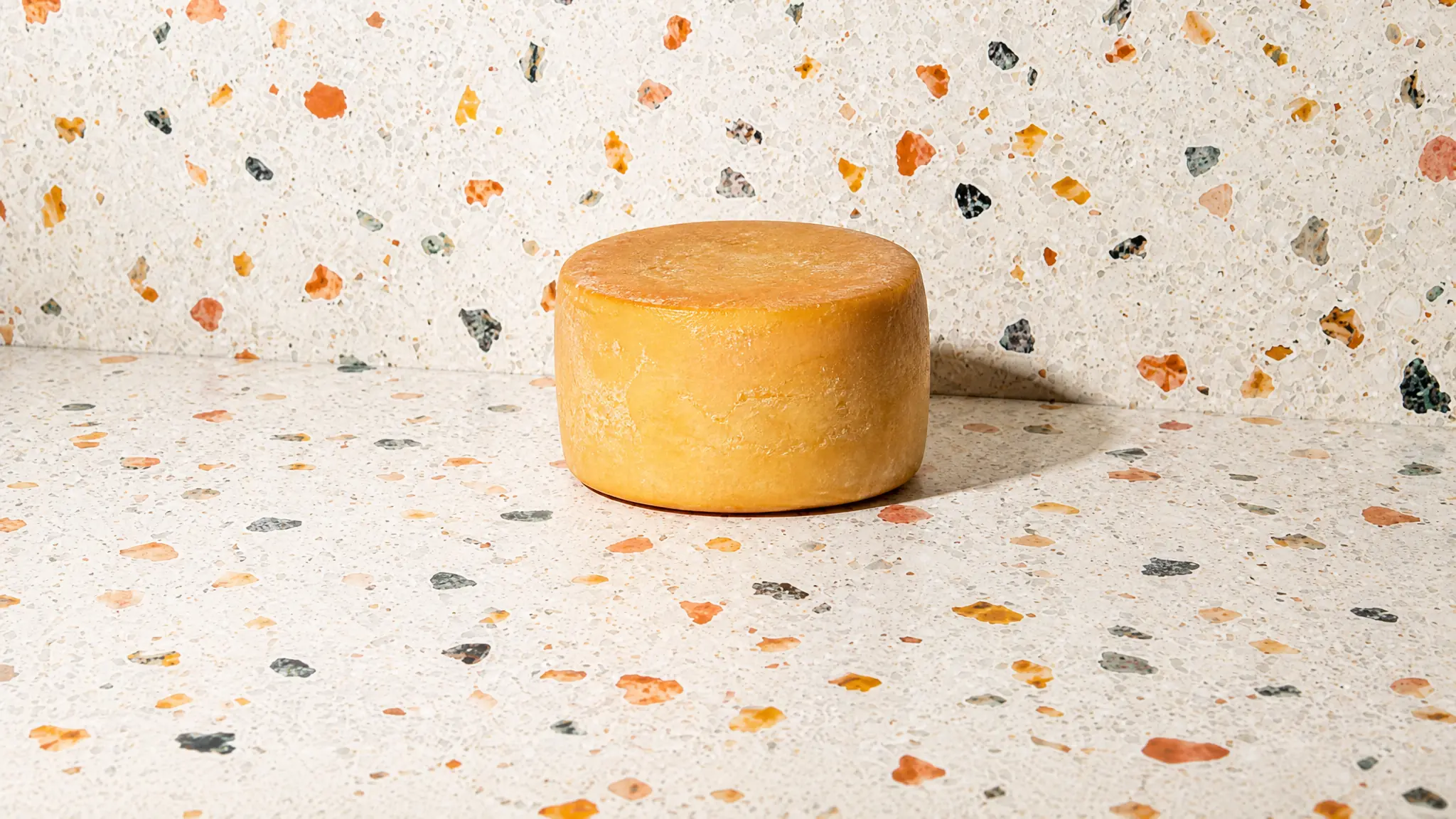

Fontina
Dairy
Last updated July 5, 2026. The Tummi Food Team maintains this Can I Feed This safety guide guide. Supporting links appear in Sources when available.



Clinically reviewed by Andria Procopio and Arefa Mohamed
Direct answer
Can babies eat Fontina?
Yes, babies can eat fontina cheese starting at around 6 months old, when they are ready to start solids, using pasteurized varieties in moderation.
- Serve Age6+months
Most babies start solids around 6 months once they show readiness signs. Match the texture and serving size to your baby's skills.
- Allergens
Fontina is flagged for milk. Introduce common allergens in a baby-safe form and follow your clinician's advice if your baby is higher risk.
- Choking Risk123451
Lower choking risk when served in the right texture. Always supervise meals and adjust the shape for your baby.
This guide is for everyday food prep questions. Ask your pediatrician about medical concerns, feeding delays, allergy plans, or serious reactions.
How Do You Serve Fontina?
How to serve Fontina: 3 years +
- 1Set up a stable fondue pot on a low-heat source away from edges and cords, and place a small bowl of cool water and napkins nearby for quick cooling and cleanup.
- 2Cut fontina into bite-size cubes, thin strips, or long flat slices so children can spear easily. Let dipped cheese cool before they eat to avoid burns.
- 3Demonstrate spearing at an angle, brief dipping, and lifting slowly while holding the fork safely; only hand a child their own fondue fork after they can sit calmly and follow the steps.
- 4Supervise closely, enforce simple rules (no running, one fork per child), and offer cooled practice bites to build independence and confidence.
How to serve Fontina to babies 6 months and older
- 1Offer long, flat slices of pasteurized fontina so the baby can hold and gum them; avoid cubes or large chunks that increase choking risk.
- 2If serving melted fontina, finely shred it and spread a very thin, even layer on food so it doesn’t form thick, globby masses that are hard to manage.
- 3Let any warmed cheese cool to lukewarm and confirm the cheese is pasteurized before giving it to the baby.
- 4Always supervise feedings with the baby seated upright and remove any pieces that start to break into small, hard, or sticky bits.
How to serve Fontina to babies 9 months and older
- 1Use only pasteurized fontina and remove any hard rind before serving.
- 2Cut into long, thin flat slices or tear into thin, bite-sized pieces from a flat slice so pieces stay soft and won’t form a round shape.
- 3Or grate/finely shred the cheese and offer it plain or lightly sprinkled into warm (not hot) foods to keep pieces small.
- 4Avoid cubes or thick slices and large melted globs — these can be choking hazards; always supervise while eating.
How to serve Fontina to babies 12 months and older
- 1Cut fontina from a flat slice into small, bite-sized pieces that are easy for little hands to pick up and for mouths to chew.
- 2Offer shredded fontina or long, thin strips so the child can practice biting and tearing.
- 3If melting, spread a thin layer over bread, pasta, or vegetables and serve warm, not hot; avoid heating until the cheese re-hardens.
- 4Check texture before serving and remove any clumped, stringy, or sticky bits that could be difficult to chew or swallow.
How to serve Fontina to babies 18 months and older
- 1Offer pasteurized fontina in small, easy-to-chew shapes—flat bite-sized pieces, short strips, or shredded—so the child can grasp and chew safely.
- 2For melted cheese (fondue), let it cool slightly to a warm temperature and test before serving. Use soft, bite-sized dippables cut into small pieces to lower choking risk.
- 3Supervise all hot-pot or melted-cheese activities closely and keep pots and pans well away from table edges and out of reach.
- 4Avoid long, sharp skewers; use short, blunt picks or child-safe utensils instead, and only introduce them once the child reliably follows simple mealtime directions.
Is Fontina a Common Allergen?
Fontina is a cow’s‑milk cheese and contains milk proteins, so it is unsafe for children with milk/dairy allergies. It is generally gluten‑free, but packaging and manufacturing practices vary—always check the label for gluten or 'may contain' warnings. Some brands use animal rennet (not vegetarian) while others use microbial/vegetarian rennet, so check the ingredient list if vegetarian status matters. Aged Fontina has very low lactose but should not be assumed lactose‑free for those with lactose intolerance.
Is Fontina a Choking Hazard?
Low Choking Risk
Fontina can be a choking hazard — its firm texture and tendency to become globby when warmed can make pieces hard for infants to manage, increasing the risk of airway obstruction. Always keep baby seated and within arm’s reach during meals, watch closely for any signs of distress, and be prepared to act quickly with basic choking first aid.
Have More Questions?
Yes. Fontina cheese can be introduced to babies around 6 months when they are starting solids, provided it is pasteurized and served in age-appropriate amounts.
Yes. Fontina cheese provides essential nutrients like calcium and protein, making it a nutritious addition to a toddler’s diet when served in moderation.
Yes. Since it is usually made from cow’s milk, fontina can cause allergic reactions in some babies with cow's milk allergy.
Yes. Its firm texture could pose a choking risk for babies if not served properly, so always prepare and serve in safe, manageable pieces.
It depends. Raw, unpasteurized fontina is not recommended for babies due to the risk of foodborne bacteria, and pasteurized cheese is safer.
Save Fontina to your food log
Track foods, reactions, and prep notes in Tummi when you want to keep your baby's feeding history in one place.
Sources
- Committee on Infectious Diseases; Committee on Nutrition; American Academy of Pediatrics. (2014). Consumption of raw or unpasteurized milk and milk products by pregnant women and children. pediatrics.aappublications.org
- U.S. Food & Drug Administration. Dangers of raw milk. fda.gov
- Centers for Disease Control and Prevention. Raw Milk Questions and Answers. cdc.gov
- Warren CM, Jhaveri S, Warrier MR, Smith B, & Gupta RS. (2013). The epidemiology of milk allergy in US children. doi.org
- Nowak-Węgrzyn A. (2015). Food protein-induced enterocolitis syndrome and allergic proctocolitis. doi.org
- FAO and WHO. (2022). Risk Assessment of Food Allergens. Part 1. fao.org
What Other Dairy Can Babies Eat?
See all →

Source-Linked Guidance
See the evidence behind the guide.
Food guides show direct links to public-health guidance and research when supporting references are available. Source inclusion does not imply endorsement.
 Centers for Disease Control and Prevention
Developmental milestones, nutrition guidelines, and allergen introduction timelines.
 American Academy of Pediatrics
Evidence-based feeding recommendations from the leading pediatric authority.
 National Institutes of Health
Peer-reviewed research on infant nutrition, allergies, and food safety.