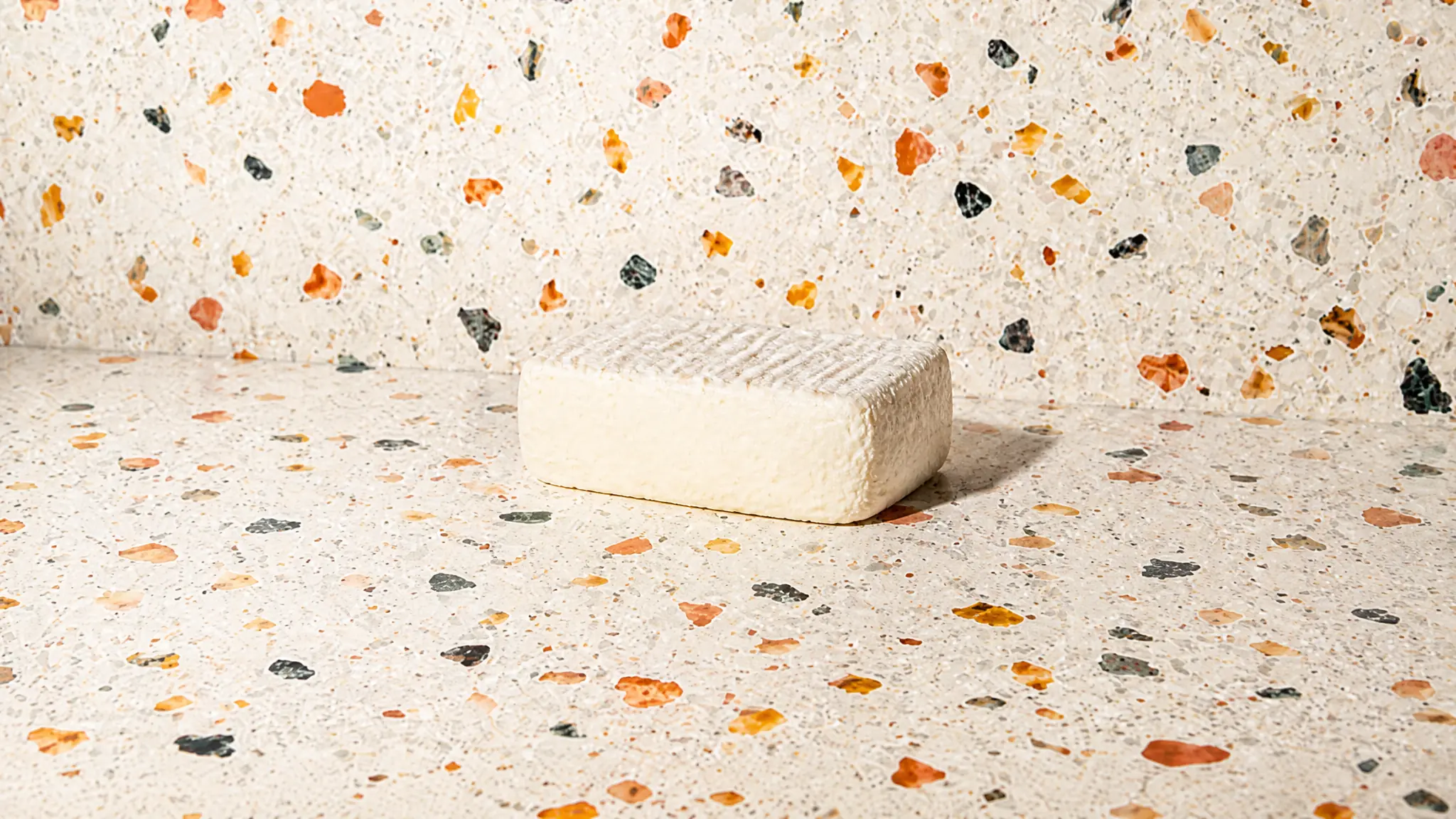

Neufchâtel
Dairy
Last updated July 5, 2026. The Tummi Food Team maintains this Can I Feed This safety guide guide. Supporting links appear in Sources when available.



Clinically reviewed by Andria Procopio and Arefa Mohamed
Direct answer
Can babies eat Neufchâtel?
Yes. Pasteurized Neufchâtel can be introduced around 6 months once your baby shows the developmental signs of readiness for solids; do not serve versions made with unpasteurized milk.
- Serve Age6+months
Most babies start solids around 6 months once they show readiness signs. Match the texture and serving size to your baby's skills.
- No Allergens
Neufchâtel is not flagged as one of the major allergens tracked in this database. Still watch your baby closely when serving any new food.
- Choking Risk123451
Lower choking risk when served in the right texture. Always supervise meals and adjust the shape for your baby.
This guide is for everyday food prep questions. Ask your pediatrician about medical concerns, feeding delays, allergy plans, or serious reactions.
How Do You Serve Neufchâtel?
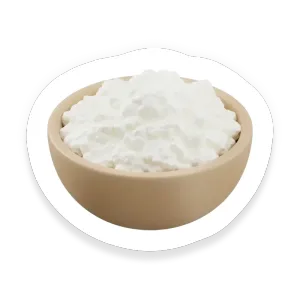
How to serve Neufchâtel to babies 6 months and older
- 1Spread a thin smear (about 1 teaspoon) of pasteurized neufchâtel on a strip of toast or a toasted bagel half cut into finger-sized pieces to make it easy to grasp and reduce choking risk.
- 2Stir a small amount into warm (not hot) sauces, mashed potatoes, or softly scrambled eggs so it blends into familiar textures—start with a teaspoon and increase gradually.
- 3Check ingredient labels and avoid varieties with added salt, sugar, herbs, or lumps; plain pasteurized neufchâtel is best for introducing the flavor.
- 4Never use unpasteurized neufchâtel and do not offer any cheese that contains honey until 12 months because of foodborne illness and botulism risk.
- 5Offer small amounts and watch for any signs of a dairy reaction during and after eating; consult your pediatrician if you have concerns.
How to serve Neufchâtel to babies 9 months and older
- 1Whip pasteurized neufchâtel until smooth and offer it as a dip with soft, bite-sized cooked fruit or vegetable pieces to reduce choking risk.
- 2Spread a thin layer on small pieces of toast, bagel, or soft crackers, and cut into manageable strips for self-feeding.
- 3Stir small amounts into scrambled egg strips, frittatas, mashed vegetables, or cooked grains to add creaminess and introduce new flavors.
- 4Avoid honey and never serve unpasteurized neufchâtel; always check texture and temperature before serving.
How to serve Neufchâtel to babies 12 months and older
- 1Use only pasteurized neufchâtel — it's safe to spread on bread, fold into batters, or serve as a dip for soft, toddler-friendly pieces.
- 2Cut into small, soft, bite-size pieces and offer a mix of textures while ensuring each piece can be mashed with gums and cannot be swallowed whole.
- 3When adding to warm dishes or batters, fold in near the end of cooking so it melts evenly without overheating.
- 4Avoid any unpasteurized neufchâtel because of listeria and other foodborne risks; always check labels and ask when ordering.
- 5Store opened pasteurized neufchâtel in the refrigerator and use within about 5–7 days; discard if it smells unusual or shows mold.
Is Neufchâtel a Common Allergen?
Neufchâtel is made from cow’s milk and therefore contains milk proteins and lactose — it is not dairy-free. Children with a milk allergy or severe lactose intolerance should avoid Neufchâtel. Always check the product label for “contains milk” and for manufacturing statements about cross-contamination with other allergens.
Is Neufchâtel a Choking Hazard?
Very Low Choking Risk
Neufchâtel can pose a choking risk because its soft, sticky texture may form thick globs or lumps that are difficult for young babies to clear. Watch your baby closely during feeds and stay within arm’s reach in case they gag or struggle to swallow. If you notice persistent coughing, choking, or difficulty breathing, stop feeding and follow choking first-aid procedures immediately.
Have More Questions?
Yes. Pasteurized Neufchâtel can be served from around 6 months once your baby shows the developmental signs of readiness for solids; check the label and do not serve cheese made with unpasteurized milk.
Neufchâtel can be included as one of a variety of foods for a baby who is ready for solids. Choose a pasteurized product, compare labels for lower-salt options, and do not assume that its country of origin tells you whether it is pasteurized.
Yes. Neufchâtel contains cow's milk, a food that can trigger allergic reactions; when introducing it, offer a small amount on its own so you can identify a reaction. Seek individual medical advice first if your baby has a diagnosed food allergy or eczema, or there is a family history of allergic disease.
Neufchâtel can pose a choking risk when served as a large or thick sticky amount. Offer only a thin spread or blend it smoothly into another suitable food, match the texture to your baby's developmental abilities, and supervise eating.
No. Cream cheese and American Neufchâtel are similar soft cheeses, but US regulations define them separately and set different milk-fat requirements; for a baby, check the specific product for pasteurization, milk, sodium, added ingredients, and an appropriate texture.
Save Neufchâtel to your food log
Track foods, reactions, and prep notes in Tummi when you want to keep your baby's feeding history in one place.
Sources
- Modeling the growth of Listeria monocytogenes on the surface of smear- or mold-ripened cheese doi.org
- Cheese Microbial Risk Assessments - A Review doi.org
- The epidemiology of milk allergy in US children doi.org
- Food protein-induced enterocolitis syndrome and allergic proctocolitis doi.org
- Listeria prevention (CDC) cdc.gov
What Other Dairy Can Babies Eat?
See all →
Source-Linked Guidance
See the evidence behind the guide.
Food guides show direct links to public-health guidance and research when supporting references are available. Source inclusion does not imply endorsement.
 Centers for Disease Control and Prevention
Developmental milestones, nutrition guidelines, and allergen introduction timelines.
 American Academy of Pediatrics
Evidence-based feeding recommendations from the leading pediatric authority.
 National Institutes of Health
Peer-reviewed research on infant nutrition, allergies, and food safety.