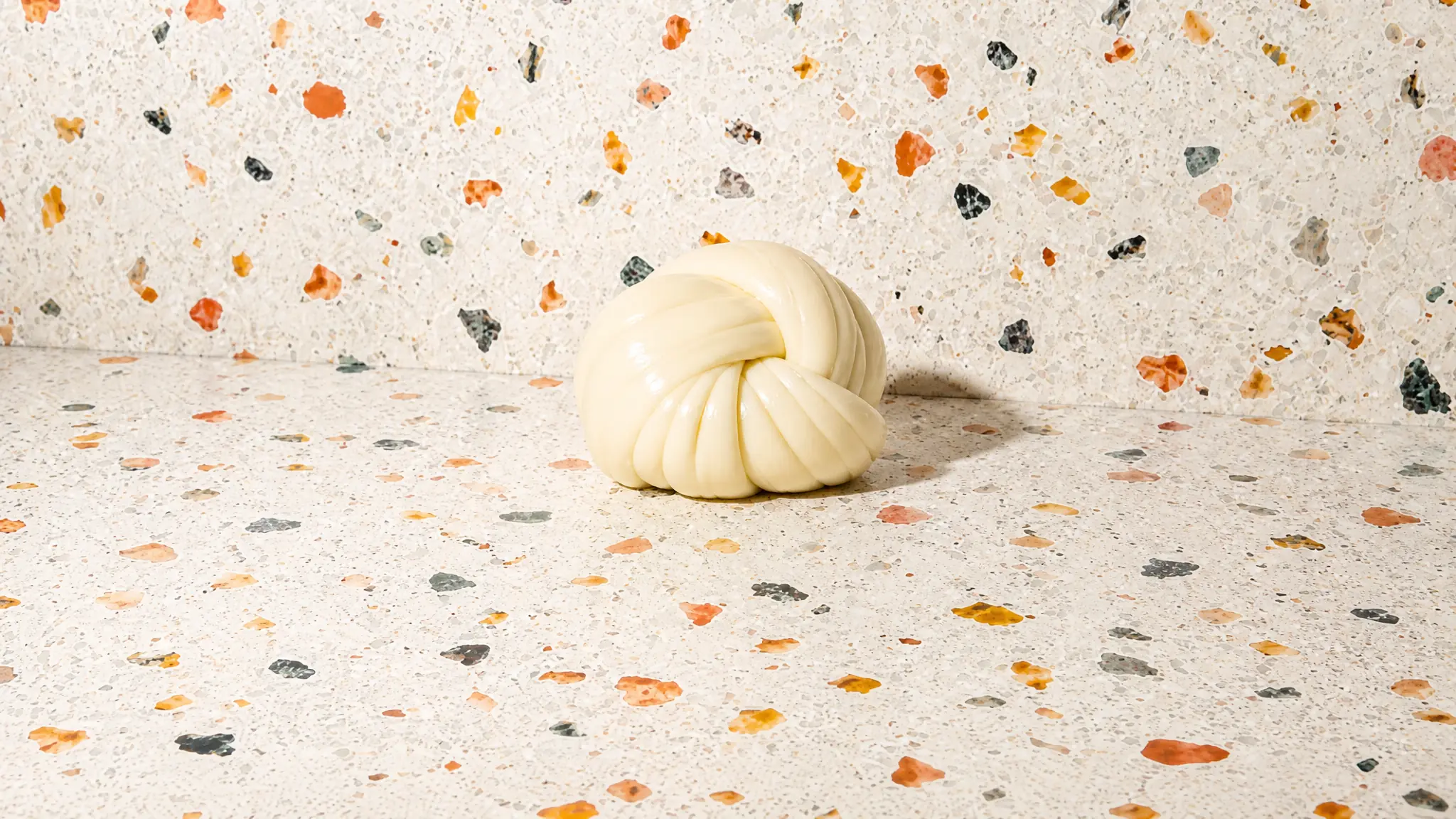

Quesillo (Queso Oaxaca)
Dairy
Last updated July 5, 2026. The Tummi Food Team maintains this Can I Feed This safety guide guide. Supporting links appear in Sources when available.



Clinically reviewed by Andria Procopio and Arefa Mohamed
Direct answer
Can babies eat Quesillo (Queso Oaxaca)?
Yes, you can introduce pasteurized quesillo (Queso Oaxaca) around 6 months when starting solids, ensuring it's low in sodium.
- Serve Age6+months
Most babies start solids around 6 months once they show readiness signs. Match the texture and serving size to your baby's skills.
- Allergens
Quesillo (Queso Oaxaca) is flagged for milk. Introduce common allergens in a baby-safe form and follow your clinician's advice if your baby is higher risk.
- Choking Risk123452
Lower choking risk when served in the right texture. Always supervise meals and adjust the shape for your baby.
This guide is for everyday food prep questions. Ask your pediatrician about medical concerns, feeding delays, allergy plans, or serious reactions.
How Do You Serve Quesillo (Queso Oaxaca)?
How to serve Quesillo (Queso Oaxaca) to babies 6 months and older
- 1Choose pasteurized, low-sodium quesillo (100 mg sodium or less per serving) to limit salt intake and reduce infection risk.
- 2Prepare in long, very thin shreds or a single very thin slice; you can also grate a small amount and sprinkle it onto food so it mixes in.
- 3Avoid melted globs and large chunks that can stick in the throat. Cut or grate finely and check texture before serving.
- 4Always supervise closely within arm’s reach while your child eats and serve at a safe, lukewarm temperature.
How to serve Quesillo (Queso Oaxaca) to babies 9 months and older
- 1Serve very thin matchstick-sized pieces or short, fine shreds so baby can pick up and gum them easily.
- 2A scant sprinkle of finely shredded cheese gently warmed into soft foods (e.g., mashed potato or beans) is acceptable. Avoid melted globs that can form sticky masses.
- 3Do not give large cubes, thick slices, or sticky clumps that increase the choking risk; cut and separate pieces before offering.
- 4Use only pasteurized, low-sodium quesillo and offer a small amount mixed with other soft foods rather than as a standalone finger-food.
- 5Always supervise during meals and serve the cheese at room temperature or slightly warm so it’s soft but not stringy.
How to serve Quesillo (Queso Oaxaca) to babies 12 months and older
- 1Cut quesillo into matchstick-size pieces or small shreds so it’s easy for little hands to pick up and for babies to gum.
- 2Pull the cheese into long strands and model tearing; you can serve strands whole for tearing practice or cut into bite-sized pieces to encourage pincer use.
- 3Offer wide thin slices as an alternative—they’re easy to gum and bite but avoid thick chunks.
- 4Avoid large amounts of melted cheese because it can be sticky and hard to manage; serve in small portions and supervise closely to reduce choking risk.
- 5Choose pasteurized whole-milk quesillo when possible for food safety and better energy density.
Is Quesillo (Queso Oaxaca) a Common Allergen?
Quesillo (Queso Oaxaca) is a dairy product made from cow's milk and therefore contains milk — it is not safe for children with a cow's milk allergy and may cause issues for those with lactose intolerance. Commercial products are typically labeled gluten-free and do not list nuts, eggs, soy, fish, or shellfish as ingredients, but manufacturing cross-contact or added preservatives can vary by brand. Always check the product label for “Contains”/allergen statements and any facility cross‑contact warnings, and contact the manufacturer if you need confirmation.
Is Quesillo (Queso Oaxaca) a Choking Hazard?
Low Choking Risk
Quesillo is a common choking hazard because its stringy, stretchy texture and melted globs can be difficult for young children to manage. Parents should stay within arm’s reach and watch closely while baby is eating, and be prepared to respond to gagging or choking. Consider learning infant choking first aid so you feel confident.
Have More Questions?
It depends. Quesillo can be introduced to babies when pasteurized and low in sodium (100 mg per serving or less), typically around 6 months of age, when they are ready for solids.
It depends. Quesillo is made from cow’s milk, and while generally safe when pasteurized, it’s best to consult with your pediatrician before offering it to your baby, especially if there’s a concern about milk allergies.
It depends. Quesillo can be stored in the refrigerator for up to a week if kept in an airtight container, but always check for signs of spoilage before serving to your baby.
It depends. Freezing pureed quesillo is not recommended because the texture can become grainy and unappealing once thawed, but small pieces can be frozen if shredded first.
It depends. Organic quesillo is produced without synthetic pesticides or fertilizers, but both organic and conventional quesillo are suitable options for babies if they're pasteurized and low in sodium.
Save Quesillo (Queso Oaxaca) to your food log
Track foods, reactions, and prep notes in Tummi when you want to keep your baby's feeding history in one place.
Sources
- Dangers of raw milk - U.S. Food & Drug Administration fda.gov
- Health Issues: Choking Prevention - HealthyChildren.org healthychildren.org
- The epidemiology of milk allergy in US children - Annals of Allergy, Asthma & Immunology (Warren et al., 2013) doi.org
- Cow’s milk protein allergy - GI Kids (Mukkada, 2019) gikids.org
- The natural history of milk allergy in an observational cohort - J Allergy Clin Immunol (Wood et al., 2013) pubmed.ncbi.nlm.nih.gov
- Food protein-induced enterocolitis syndrome and allergic proctocolitis - Allergy Asthma Proc (Nowak-Węgrzyn, 2015) doi.org
- Food Protein-Induced Enterocolitis Syndrome - National Organization for Rare Disorders (2019) rarediseases.org
- Living with lactose intolerance - Institute for Quality and Efficiency in Health Care (2016) ncbi.nlm.nih.gov
What Other Dairy Can Babies Eat?
See all →
Source-Linked Guidance
See the evidence behind the guide.
Food guides show direct links to public-health guidance and research when supporting references are available. Source inclusion does not imply endorsement.
 Centers for Disease Control and Prevention
Developmental milestones, nutrition guidelines, and allergen introduction timelines.
 American Academy of Pediatrics
Evidence-based feeding recommendations from the leading pediatric authority.
 National Institutes of Health
Peer-reviewed research on infant nutrition, allergies, and food safety.