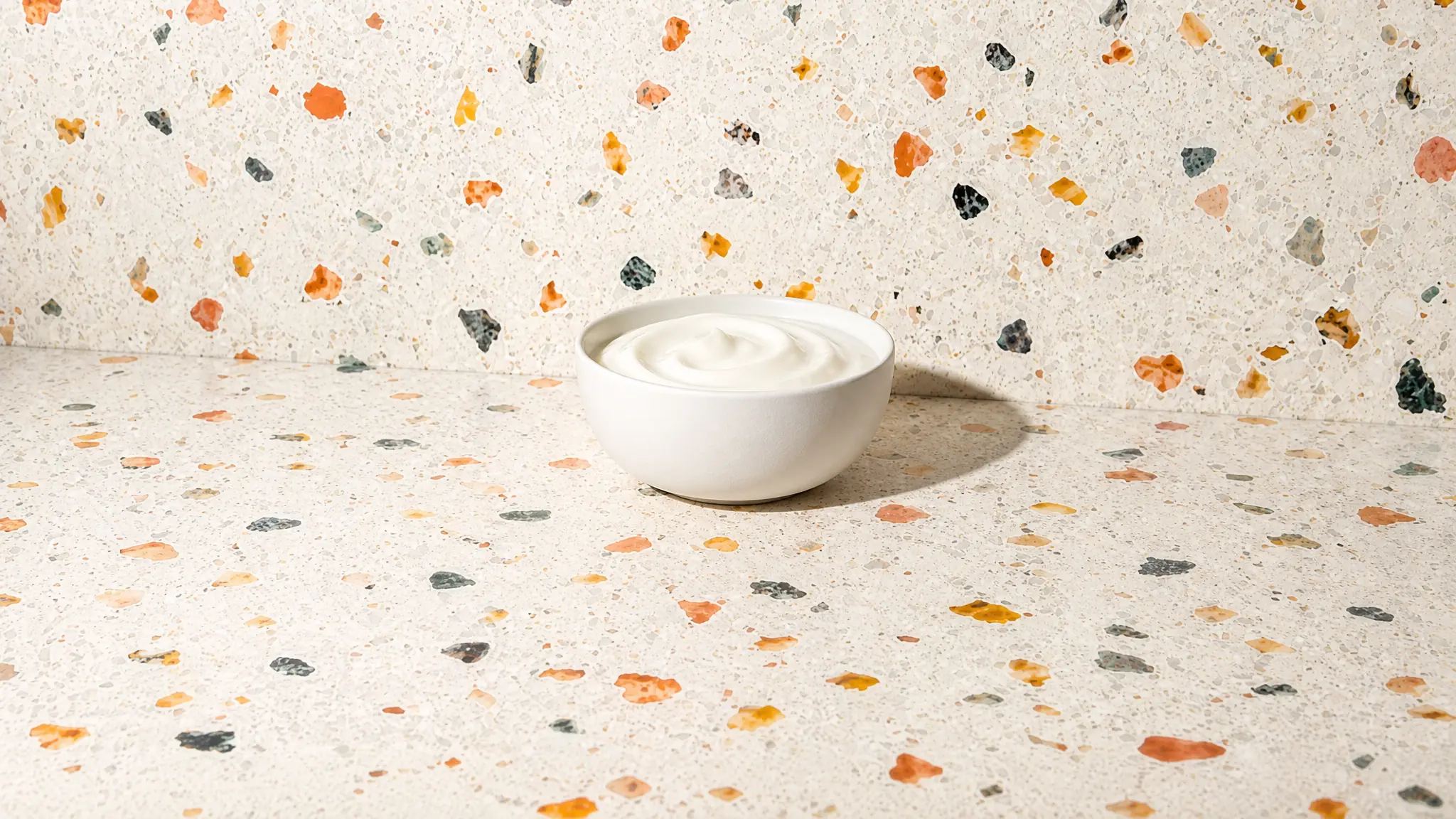
Yogurt
Dairy
Last updated July 5, 2026. The Tummi Food Team maintains this Can I Feed This safety guide guide. Supporting links appear in Sources when available.



Clinically reviewed by Andria Procopio and Arefa Mohamed
Direct answer
Can babies eat Yogurt?
Yes, babies can start eating plain, full-fat yogurt around 6 months old, as part of their first solids, provided they show developmental readiness.
- Serve Age6+months
Most babies start solids around 6 months once they show readiness signs. Match the texture and serving size to your baby's skills.
- Allergens
Yogurt is flagged for milk. Introduce common allergens in a baby-safe form and follow your clinician's advice if your baby is higher risk.
- Choking Risk123451
Lower choking risk when served in the right texture. Always supervise meals and adjust the shape for your baby.
This guide is for everyday food prep questions. Ask your pediatrician about medical concerns, feeding delays, allergy plans, or serious reactions.
How Do You Serve Yogurt?
How to serve Yogurt to babies 6 months and older
- 1Offer plain, pasteurized full-fat (whole milk) yogurt; Greek yogurt is thicker and easier for babies to pick up.
- 2Serve in a spoon that's pre-loaded or place a small dollop on a tray so baby can practice scooping and self-feeding.
- 3If nut or seed butters have already been introduced safely, stir in a small smear to add protein and thicken the texture, and watch closely for any reaction.
- 4Choose plain yogurt without added sugars or honey; avoid flavored varieties with sweeteners and do not microwave—if warming, bring to room temperature.
How to serve Yogurt to babies 9 months and older
- 1Serve a small spoon-sized portion of full-fat plain or full-fat Greek yogurt in a shallow bowl so the baby can reach and see it.
- 2Pre-load a shallow, lightweight spoon and either hand it to the baby, hold it slightly in the air for them to grab, or rest it on the rim — each option helps develop different self-feeding skills.
- 3Offer finger feeding alongside spoon practice with small, soft pieces the baby can pick up, and expect mess; supervise every bite.
- 4Keep yogurt plain and at room temperature, avoid added sugars, and watch for any signs of intolerance when introducing dairy.
How to serve Yogurt to babies 12 months and older
- 1Leave a spoon pre-loaded on the rim of the bowl so the child can reach and practice using a utensil; place it where they can grasp it easily.
- 2Always sit nearby and supervise every bite, staying ready to help if the child gags or struggles to swallow.
- 3Keep dairy servings small and occasional to avoid displacing other nutrients. Offer iron-rich foods or a vitamin C source alongside yogurt to support iron absorption.
- 4Model scooping and bringing the spoon to the mouth, and be patient — independent utensil skill improves gradually with regular practice.
Is Yogurt a Common Allergen?
Contains milk (dairy) — a common allergen. Many yogurts also contain added flavors, mix-ins, or toppings that can include other allergens (e.g., nuts, soy) and may be processed on shared equipment, so always check the ingredient label and “may contain” statements. For children with lactose intolerance or milk allergy, choose lactose-free or plant-based yogurt alternatives and consult your pediatrician if unsure.
Is Yogurt a Choking Hazard?
Very Low Choking Risk
Yogurt itself is generally low risk for choking, but any food can present a hazard—stay within an arm’s reach and watch for signs of gagging or choking. Be aware that frozen yogurt or large pieces mixed into yogurt can raise the risk. If your baby has persistent coughing, trouble breathing, or turns blue, call emergency services immediately.
Have More Questions?
Yes. You can store leftover yogurt in an airtight container in the refrigerator for up to 24 hours, but avoid refreezing once it has been chilled.
Yes. Freezing pureed yogurt is possible and can extend its freshness; however, it may alter the texture slightly and is best used within 1-2 months.
Yes. Organic yogurt is generally free from pesticides and synthetic fertilizers, but always check labels to confirm certification and quality standards for your baby's safety.
Yes. Combining yogurt with fruits, grains, or other baby-safe foods can create nutritious pairs, but introduce new foods gradually to monitor for reactions.
For babies under 12 months, serve about 1-2 teaspoons to start, then gradually increase as your baby's appetite and tolerance develop.
Save Yogurt to your food log
Track foods, reactions, and prep notes in Tummi when you want to keep your baby's feeding history in one place.
Sources
- Martin, C. R., Ling, P. R., & Blackburn, G. L. (2016). Review of Infant Feeding: Key Features of Breast Milk and Infant Formula. doi.org
- Leung AK, Sauve RS. (2003). Whole cow’s milk in infancy. doi.org
- Kechagia, M., Basoulis, D., Konstantopoulou, S., et al. (2013). Health benefits of probiotics: a review. doi.org
- Dahiya, D., & Nigam, P. S. (2022). The Gut Microbiota Influenced by the Intake of Probiotics and Functional Foods with Prebiotics Can Sustain Wellness and Alleviate Certain Ailments like Gut-Inflammation and Colon-Cancer. doi.org
- Warren CM, Jhaveri S, Warrier MR, Smith B, & Gupta RS. (2013). The epidemiology of milk allergy in US children. doi.org
- El-Agamy, E. (2007). The challenge of cow milk protein allergy. doi.org
- Wood RA, Sicherer SH, Vickery BP, et al. (2013). The natural history of milk allergy in an observational cohort. doi.org
- Savaiano D. A. (2014). Lactose digestion from yogurt: mechanism and relevance. doi.org
- Centers for Disease Control and Prevention. Raw Milk. cdc.gov
What Other Dairy Can Babies Eat?
See all →
Source-Linked Guidance
See the evidence behind the guide.
Food guides show direct links to public-health guidance and research when supporting references are available. Source inclusion does not imply endorsement.
 Centers for Disease Control and Prevention
Developmental milestones, nutrition guidelines, and allergen introduction timelines.
 American Academy of Pediatrics
Evidence-based feeding recommendations from the leading pediatric authority.
 National Institutes of Health
Peer-reviewed research on infant nutrition, allergies, and food safety.