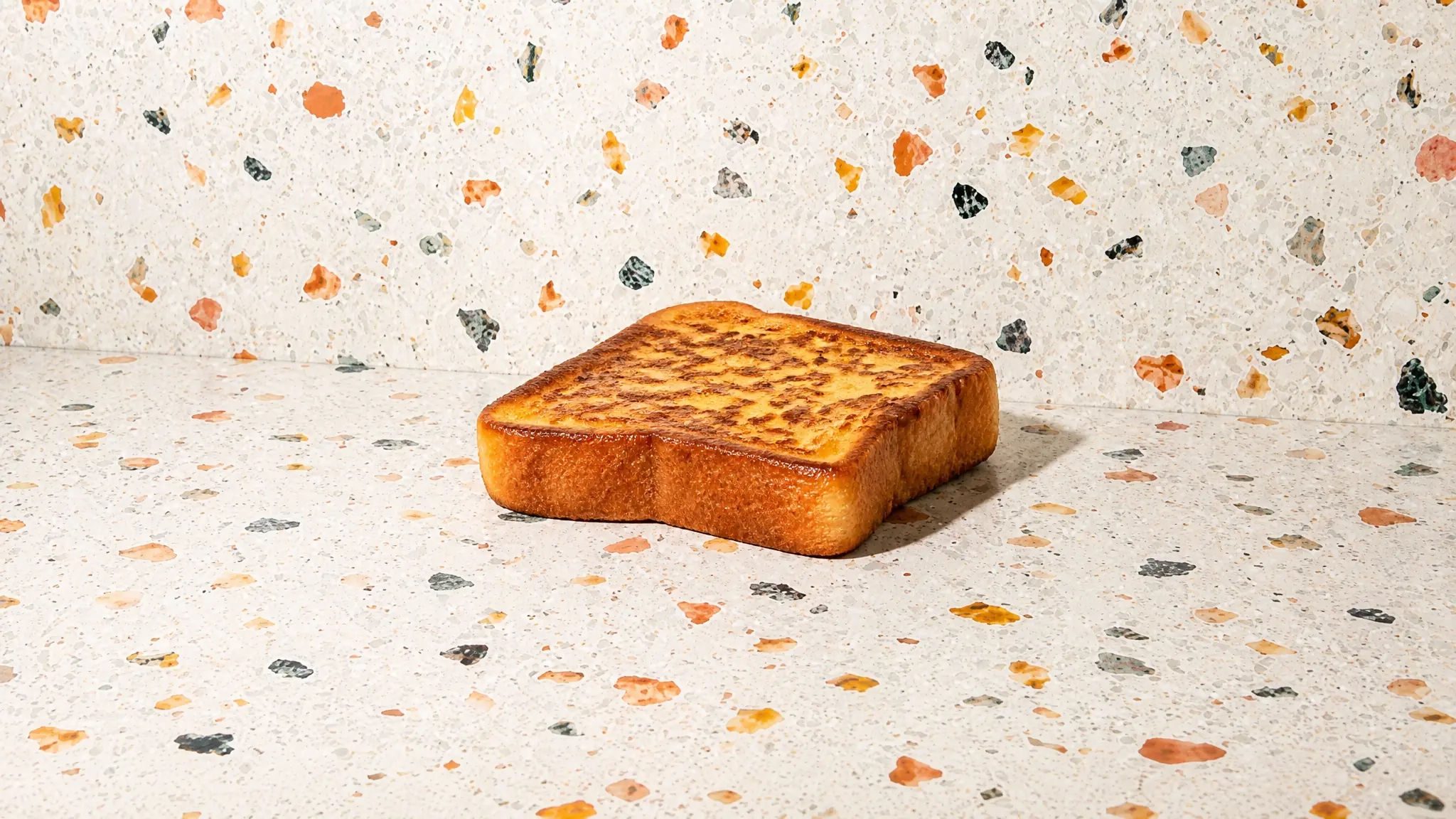
French Toast
Prepared
Last updated July 5, 2026. The Tummi Food Team maintains this Can I Feed This safety guide guide. Supporting links appear in Sources when available.



Clinically reviewed by Andria Procopio and Arefa Mohamed
Direct answer
Can babies eat French Toast?
Yes, babies can eat French toast starting at 6 months, when they're ready for solids, ensuring the recipe is free of honey.
- Serve Age6+months
Most babies start solids around 6 months once they show readiness signs. Match the texture and serving size to your baby's skills.
- Allergens
French Toast is flagged for milk, egg, and wheat or gluten. Introduce common allergens in a baby-safe form and follow your clinician's advice if your baby is higher risk.
- Choking Risk123451
Lower choking risk when served in the right texture. Always supervise meals and adjust the shape for your baby.
This guide is for everyday food prep questions. Ask your pediatrician about medical concerns, feeding delays, allergy plans, or serious reactions.
How Do You Serve French Toast?
How to serve French Toast to babies 6 months and older
- 1Cut french toast into strips about the width of two adult fingers pressed together and offer one strip held so the baby can grasp and bite easily.
- 2Choose slightly drier or crispier slices or the crusty end of a loaf to help pieces stay separate and reduce sticking.
- 3If a slice is too dry or hard to chew, spread a very thin layer of butter, unsweetened applesauce, or plain yogurt to soften it.
- 4Avoid any french toast made with or topped with honey.
How to serve French Toast to babies 9 months and older
- 1Cut french toast into small, flat bite-sized pieces that are easy for little hands to grasp and too small to fit whole in the mouth.
- 2Offer one piece at a time if your child tends to overstuff, and wait for them to swallow before offering another.
- 3Cook until the center is fully set and the surface is lightly browned so pieces hold together—avoid soggy or undercooked toast.
- 4Watch closely while your child eats and never use or top with honey.
How to serve French Toast to babies 18 months and older
- 1Cut french toast into strips or small bite-sized pieces so the child can pick up and self-feed; offer a whole piece only if they can safely manage it.
- 2Offer an age-appropriate fork or spoon if you like, but don’t expect precise utensil skills yet.
- 3Stay within arm’s reach during mealtimes to assist quickly and reduce choking risk.
- 4Avoid any french toast made with or topped with honey; try a thin smear of mashed fruit or unsweetened applesauce for extra flavor.
Is French Toast a Common Allergen?
Contains dairy, egg, and gluten. French toast is typically made with milk/butter and eggs and uses wheat bread, so it poses a risk for children with milk, egg, or gluten allergies. Cross-contact can occur when prepared in shared kitchens; always confirm ingredients or request modifications such as dairy-free milk, an egg replacer, or gluten-free bread. For children with severe allergies, avoid unless you can verify preparation and safe substitutions.
Is French Toast a Choking Hazard?
Low Choking Risk
French toast can be a choking risk because soft breads often soften in the mouth and can form sticky clumps that cling to the tongue or roof of the mouth, making them hard to manage. Be especially watchful for gagging or signs of airway obstruction during early exposures and stay within arm’s reach so you can respond quickly. Make sure caregivers know basic choking first aid and when to seek emergency help.
Have More Questions?
Yes, parents can store leftover or prepared French toast in the refrigerator for up to 24 hours in an airtight container.
Yes, French toast can be frozen once cooled, stored in a freezer-safe container, and reheated thoroughly before serving to a baby.
It depends. For babies, choose organic French toast options if possible to reduce pesticide exposure, but both organic and conventional can be safe if prepared properly.
Yes, combining French toast with fruit or pureed vegetables can add nutritional variety for your baby and help them accept new flavors.
For babies, focus on offering small, age-appropriate portions, roughly a few bites or a small finger-sized piece, based on their eating skills and appetite.
Save French Toast to your food log
Track foods, reactions, and prep notes in Tummi when you want to keep your baby's feeding history in one place.
Sources
- Centers for Disease Control and Prevention — Infant Botulism cdc.gov
- American Academy of Pediatrics (HealthyChildren.org) — Introducing Solid Foods healthychildren.org
- American Academy of Pediatrics (HealthyChildren.org) — Choking Prevention healthychildren.org
- Encyclopaedia Britannica — French toast britannica.com
- American Heart Association — Sodium and Kids heart.org
- American Academy of Allergy, Asthma & Immunology — Introducing Allergenic Foods aaaai.org
What Other Prepared Can Babies Eat?
See all →

Source-Linked Guidance
See the evidence behind the guide.
Food guides show direct links to public-health guidance and research when supporting references are available. Source inclusion does not imply endorsement.
 Centers for Disease Control and Prevention
Developmental milestones, nutrition guidelines, and allergen introduction timelines.
 American Academy of Pediatrics
Evidence-based feeding recommendations from the leading pediatric authority.
 National Institutes of Health
Peer-reviewed research on infant nutrition, allergies, and food safety.