Waffle
Prepared
Last updated July 5, 2026. The Tummi Food Team maintains this Can I Feed This safety guide guide. Supporting links appear in Sources when available.



Clinically reviewed by Andria Procopio and Arefa Mohamed
Direct answer
Can babies eat Waffle?
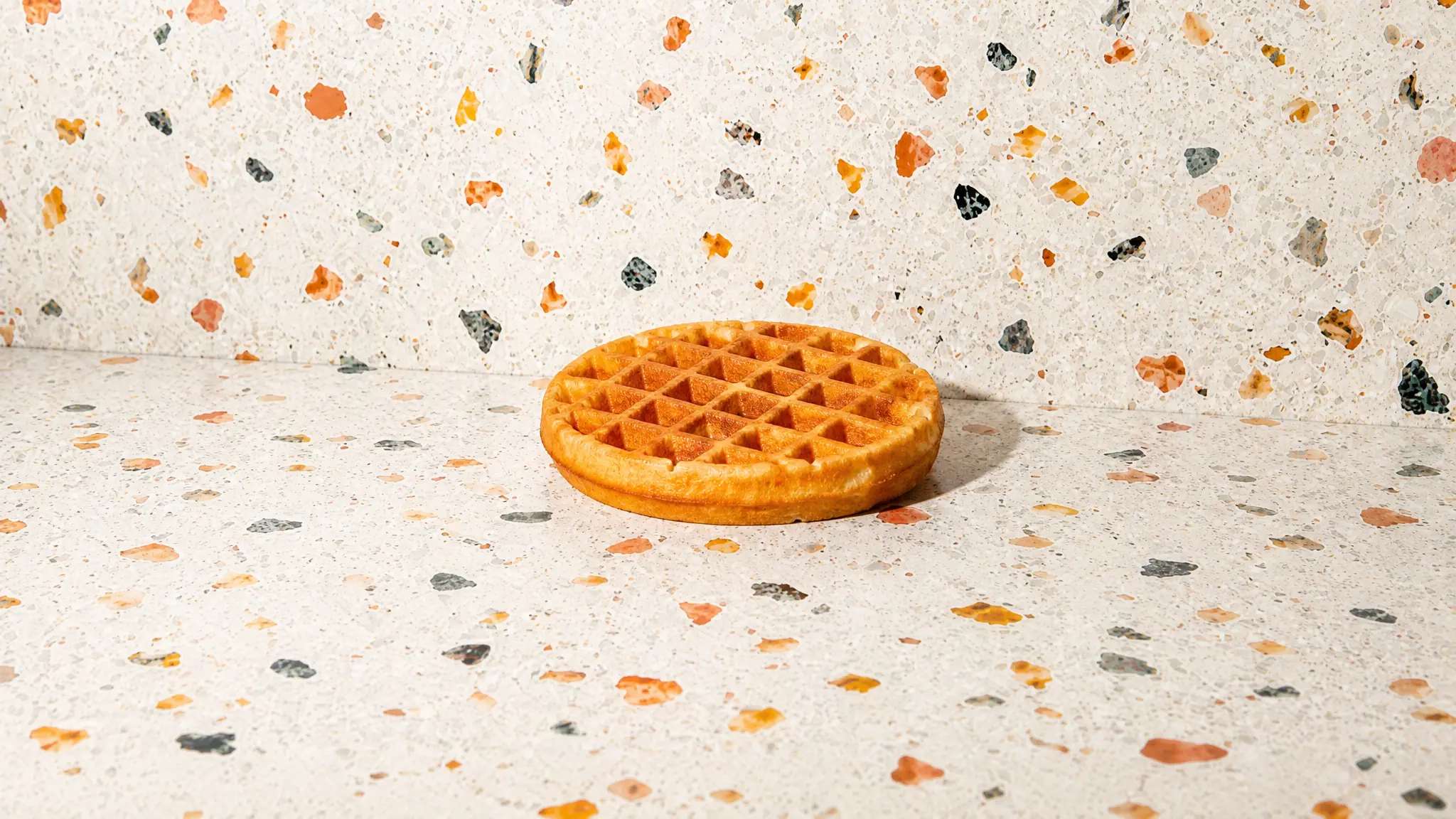
Yes, babies can eat plain, soft waffles around 6 months when they start solids, avoiding honey and ensuring they are cut into manageable pieces.
- Serve Age6+months
Most babies start solids around 6 months once they show readiness signs. Match the texture and serving size to your baby's skills.
- Allergens
Waffle is flagged for milk, egg, and wheat or gluten. Introduce common allergens in a baby-safe form and follow your clinician's advice if your baby is higher risk.
- Choking Risk123451
Lower choking risk when served in the right texture. Always supervise meals and adjust the shape for your baby.
This guide is for everyday food prep questions. Ask your pediatrician about medical concerns, feeding delays, allergy plans, or serious reactions.
How Do You Serve Waffle?
How to serve Waffle to babies 6 months and older
- 1Cut the waffle into strips about the width of two adult fingers pressed together so your baby can grasp and bite.
- 2If your baby has trouble picking up a strip, hold one for them to grab and practice hand-to-mouth coordination.
- 3Briefly toast or choose a waffle with a crisper exterior to make it easier to hold; for very fluffy or dry waffles, spread a thin layer of applesauce or yogurt to soften and reduce gagging.
- 4Do not give waffles that contain or are topped with honey.
How to serve Waffle to babies 9 months and older
- 1Cut waffles into small, bite-sized pieces and offer one piece at a time to reduce choking risk.
- 2Leave a short strip for practicing biting and tearing while you closely supervise.
- 3Choose waffles with a firm, not sticky texture — avoid very sticky or overly fluffy varieties that can clump in the mouth.
- 4Do not give honey or honey-containing toppings; serve plain or with pediatrician-approved spreads.
How to serve Waffle to babies 18 months and older
- 1Cut waffles into thin strips or wedges so a child can grasp and chew easily; offer a small fork or child-safe utensil and always supervise.
- 2For children who are still developing chewing skills, serve small, bite-sized pieces (about pea-sized) to reduce choking risk.
- 3Toast or warm briefly and let cool — this firms the waffle and reduces stickiness, making bites easier to chew.
- 4Avoid large amounts of syrup or sticky toppings; adjust portion size to match your child’s chewing ability and remove any hard or crunchy toppings that could cause gagging.
Is Waffle a Common Allergen?
Waffles contain egg, dairy (milk), and wheat (gluten) — they are unsafe for children with egg, milk, or gluten allergies. Commercial mixes or restaurant-made waffles may also have cross-contamination risks with nuts, soy, or sesame, so always check ingredient labels and ask about preparation methods. For egg- or dairy-allergic children, use certified vegan or allergen-free mixes and verify allergen statements before serving.
Is Waffle a Choking Hazard?
Low Choking Risk
Waffles generally present a low choking risk when matched to your baby’s developmental skills, but any food can cause choking. Fluffy or sticky waffles may cause more gagging, so stay within arm’s reach, closely supervise meals, and be prepared to respond—know basic choking first aid.
Have More Questions?
Yes. Waffles can be stored in an airtight container at room temperature for a day or in the refrigerator for up to a week. For longer storage, freeze them in a sealed bag or container.
Yes. You can freeze homemade or store-bought waffles for up to 3 months. Wrap them individually or stack with parchment paper in a freezer-safe container.
It depends. Organic waffles are generally free of synthetic pesticides and fertilizers, but always check labels or buy from reputable sources to ensure quality and safety for your baby.
It depends. Combining waffle pieces with soft fruits or purees can introduce new flavors and textures, but ensure ingredients are compatible and safe for your baby’s age and development.
It depends. Serving appropriate portion sizes for your baby’s age — typically small, bite-sized pieces — helps prevent overeating and encourages self-feeding.
Save Waffle to your food log
Track foods, reactions, and prep notes in Tummi when you want to keep your baby's feeding history in one place.
Sources
- Botulism Prevention - CDC cdc.gov
- When, What, and How to Introduce Solid Foods - CDC cdc.gov
- Choking Hazards — Infant & Toddler Nutrition - CDC cdc.gov
- When to Introduce Egg, Peanut Butter & Other Common Food Allergens - HealthyChildren.org healthychildren.org
- Eggo® Homestyle Waffles - Nutrition Facts (SmartLabel) smartlabel.kelloggs.com
What Other Prepared Can Babies Eat?
See all →




Source-Linked Guidance
See the evidence behind the guide.
Food guides show direct links to public-health guidance and research when supporting references are available. Source inclusion does not imply endorsement.
 Centers for Disease Control and Prevention
Developmental milestones, nutrition guidelines, and allergen introduction timelines.
 American Academy of Pediatrics
Evidence-based feeding recommendations from the leading pediatric authority.
 National Institutes of Health
Peer-reviewed research on infant nutrition, allergies, and food safety.