
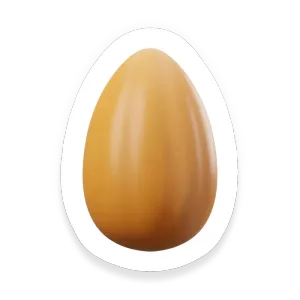
Almond
Treenut
Last updated July 5, 2026. The Tummi Food Team maintains this Can I Feed This safety guide guide. Supporting links appear in Sources when available.



Clinically reviewed by Andria Procopio and Arefa Mohamed
Direct answer
Can babies eat Almond?
Yes. Once a baby is developmentally ready for solids, finely ground almonds or smooth almond butter mixed into food or spread thinly can be introduced around 6 months; do not offer whole almonds.
- Serve Age6+months
Most babies start solids around 6 months once they show readiness signs. Match the texture and serving size to your baby's skills.
- Allergens
Almond is flagged for tree nut. Introduce common allergens in a baby-safe form and follow your clinician's advice if your baby is higher risk.
- Choking Risk123454
Higher choking risk. Watch the prep steps closely, especially because this food can be small and round and hard.
This guide is for everyday food prep questions. Ask your pediatrician about medical concerns, feeding delays, allergy plans, or serious reactions.
How Do You Serve Almond?
How to serve Almond: 3 years +
- 1Offer only finely ground almonds or smooth almond butter; avoid chunky textures that are hard to chew.
- 2Give whole almonds only after the child reliably takes small bites, chews thoroughly, and can spit out poorly chewed pieces.
- 3Model safe technique—take a small bite and move it to the molars—and practice this together while supervising closely.
- 4When introducing whole nuts, offer one or two at a time, seated upright and focused, with an adult within arm’s reach.
- 5Prepare the environment by removing distractions and keeping water nearby to help swallowing if needed.
How to serve Almond to babies 6 months and older
- 1Thin smooth almond butter with a small amount of water, breast milk, formula, or puree until it's pourable, and start with a teaspoon to check tolerance; serve alone or stirred into yogurt, porridge, or applesauce.
- 2Spread the thinned almond butter very thinly on strips of toast or soft bread to avoid thick globs, and cut into manageable pieces for easy self-feeding.
- 3Finely grind whole almonds into a powder or flour and sprinkle a light dusting onto sticky foods (for example, mashed avocado or banana) to reduce clumping and choking risk.
- 4Fold almond flour into batters for pancakes, waffles, or muffins to add flavor and nutrition. Use small amounts initially and watch closely for any allergic reaction.
How to serve Almond to babies 12 months and older
- 1Thin about 1 teaspoon of smooth almond butter with a small splash of water, milk, or formula before stirring into yogurt, warm cereal, or mashed fruit to prevent sticky clumps and make swallowing easier.
- 2Stir almond butter into batters or warm cereals so it disperses evenly and won’t form lumps that could stick in the mouth.
- 3Sprinkle finely ground almonds over dishes for added texture and flavor. Keep pieces tiny to reduce choking risk.
- 4Spread a thin layer of almond butter on toast and always offer a drink (water or milk) to help wash down sticky bits; if offering almond milk, choose fortified varieties and serve it only occasionally as part of meals or snacks.
Is Almond a Common Allergen?
Almonds are tree nuts and a common, potentially severe allergen—avoid them for anyone with a tree-nut allergy. Cross-contact risk is high in mixed-nut products, baked goods, nut butters, and facilities that process multiple nuts. Some highly refined almond oils may have reduced protein but can still pose a risk for sensitive individuals—always check labels and manufacturer allergen statements. If a child has a suspected or known nut allergy, avoid almonds, carry epinephrine, and consult an allergist.
Is Almond a Choking Hazard?
Elevated Choking Risk
Almonds are a notable choking hazard: whole almonds are small, firm, and difficult to chew, and almond butter can be sticky—both factors increase choking risk. Keep your baby seated upright, within arm’s reach, and closely supervised during meals, since nuts and nut pieces remain choking risks well into toddlerhood (often until age 4 or beyond). Offer nuts only when your child demonstrates mature chewing skills and stop immediately if they gag, cough, or show trouble swallowing.
Have More Questions?
No. Do not serve whole or chopped almonds to a baby; once your baby is developmentally ready for solids, offer almonds finely ground into food or as smooth almond butter mixed into food or spread thinly.
Yes. Almonds are rich in healthy fats, protein, and key nutrients like vitamin E and magnesium which support overall growth and development in babies.
Yes. Almond is a tree nut and a major food allergen; introduce it in an age-appropriate form, one new allergenic food at a time, and seek individualized advice from a health professional first if your baby has eczema, a diagnosed allergy, a previous reaction, or a family history of allergy.
Yes. Whole almonds and almond pieces are choking hazards for babies, and thick spoonfuls of almond butter can also be difficult to swallow; use finely ground almonds in food or smooth almond butter mixed into food or spread thinly instead.
Babies should not have almond milk as a drink before 12 months, although small amounts may be used as an ingredient in solid foods once they are ready for solids. From 12 months, choose an unsweetened almond drink fortified with calcium and vitamin D, and remember that its nutrient content differs from cow's milk.
Save Almond to your food log
Track foods, reactions, and prep notes in Tummi when you want to keep your baby's feeding history in one place.
Sources
What Other Treenut Can Babies Eat?
See all →


Source-Linked Guidance
See the evidence behind the guide.
Food guides show direct links to public-health guidance and research when supporting references are available. Source inclusion does not imply endorsement.
 Centers for Disease Control and Prevention
Developmental milestones, nutrition guidelines, and allergen introduction timelines.
 American Academy of Pediatrics
Evidence-based feeding recommendations from the leading pediatric authority.
 National Institutes of Health
Peer-reviewed research on infant nutrition, allergies, and food safety.