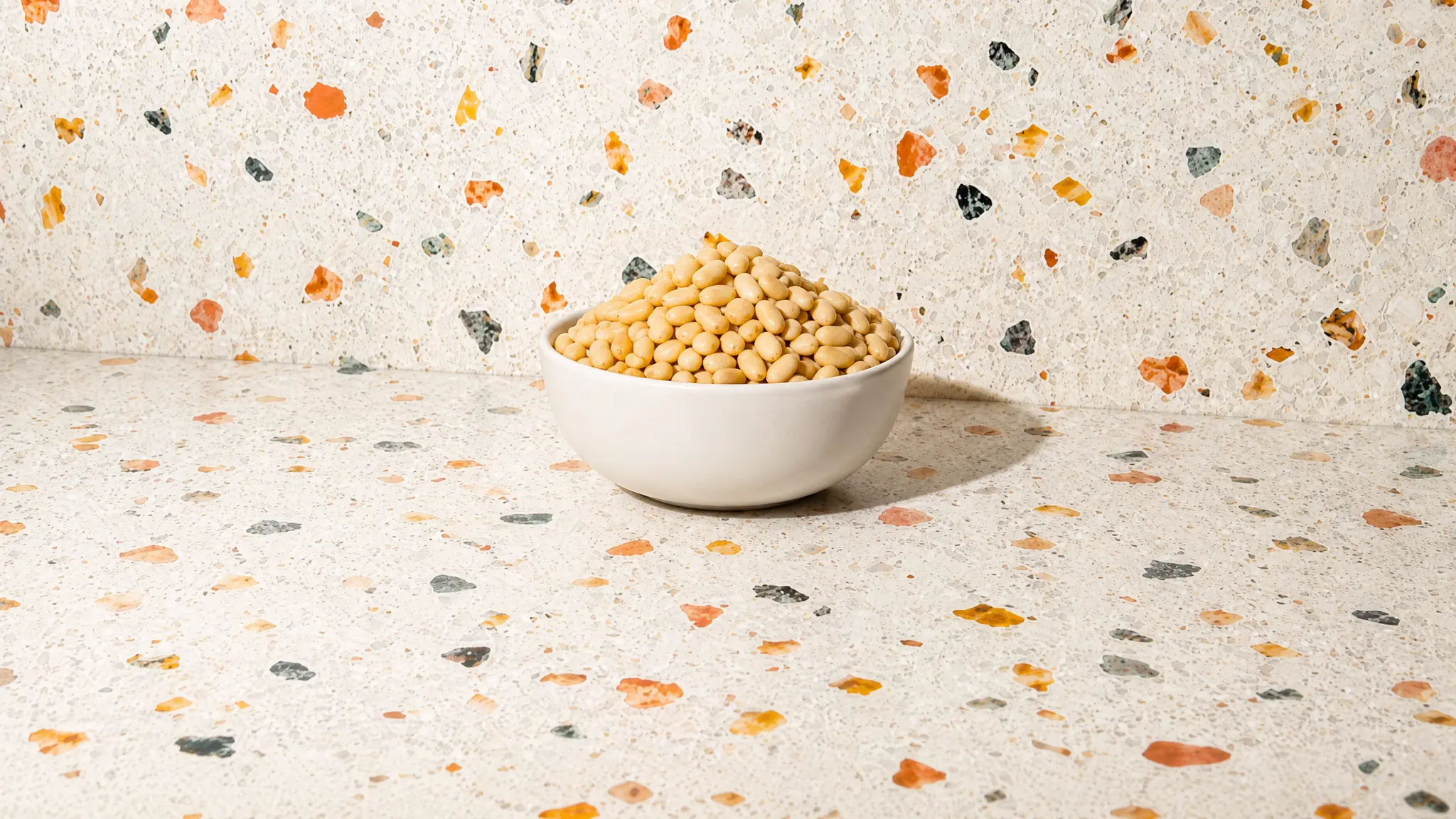
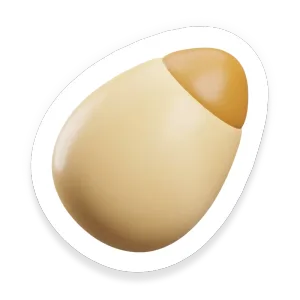
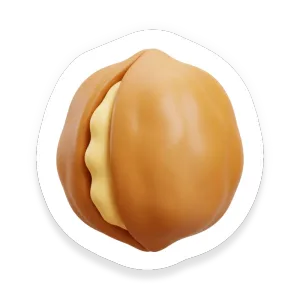
Pine Nut
Treenut
Last updated July 5, 2026. The Tummi Food Team maintains this Can I Feed This safety guide guide. Supporting links appear in Sources when available.



Clinically reviewed by Andria Procopio and Arefa Mohamed
Direct answer
Can babies eat Pine Nut?
Yes, pine nuts can be introduced around 6 months when prepared appropriately, avoiding whole nuts to prevent choking.
- Serve Age6+months
Most babies start solids around 6 months once they show readiness signs. Match the texture and serving size to your baby's skills.
- No Allergens
Pine Nut is not flagged as one of the major allergens tracked in this database. Still watch your baby closely when serving any new food.
- Choking Risk123455
Higher choking risk. Watch the prep steps closely, especially because this food can be small and round, hard, and slippery.
This guide is for everyday food prep questions. Ask your pediatrician about medical concerns, feeding delays, allergy plans, or serious reactions.
How Do You Serve Pine Nut?
How to serve Pine Nut to babies 6 months and older
- 1Finely grind or crush pine nuts until no visible pieces remain, creating a powdery texture to reduce choking risk.
- 2Start with a tiny amount (about the size of a pea) and mix it evenly into soft foods like yogurt, cereal, cooked grains, or mashed fruit so the nut is dispersed.
- 3To make a spread, process until completely smooth and thin with water or yogurt to a very thin, non-sticky consistency — it should drip slowly when lifted so it can be applied thinly.
- 4Serve sparingly and always supervise; introduce pine nuts alone first and watch closely for any signs of an allergic reaction.
How to serve Pine Nut to babies 24 months and older
- 1Offer a single whole pine nut at the start of a supervised snack so you can watch chewing and swallowing.
- 2Only give loose nuts when the child reliably chews. Prefer mixing or cooking pine nuts (for example in pesto, baked goods, or soups) to lower choking risk.
- 3Always seat the child upright at a table and remove distractions; start with a very small portion to observe each bite.
- 4Model slow chewing using the molars and encourage small bites. If you’re unsure about safety, grind or finely chop nuts into meals until chewing improves.
Is Pine Nut a Common Allergen?
Pine nuts are tree-nuts and, although allergies are uncommon, they can cause severe reactions in some children. Cross-reactivity with other tree nuts is generally low, but hidden ingredients (e.g., pesto, sauces, baked goods) and individual sensitivity mean caution is needed—always check labels and ask about ingredients. If your child has any nut allergy history, consult an allergist before offering pine nuts and follow their advice about testing and emergency medication.
Is Pine Nut a Choking Hazard?
High Choking Risk
Whole pine nuts, nut pieces, and thick globs of nut butter are choking hazards for babies and young children. Keep your child seated and calm during meals, stay within arm’s reach, and supervise closely whenever pine nuts are present. Wait until your child has reliable chewing and swallowing skills before offering whole nuts, and make sure an adult nearby knows infant choking first aid and CPR.
Have More Questions?
It depends. Pine nuts should be introduced in pureed or finely ground form to avoid choking, and should be prepared in an age-appropriate way for babies around 6 months old.
It depends. Whole pine nuts are a choking hazard for babies, so they should only be served in pureed, ground, or otherwise soft, processed forms suitable for their age.
It depends. Store opened pine nuts in an airtight container in the refrigerator for up to 2 months or in the freezer for up to 6 months to keep them fresh and safe for baby food preparation.
It depends. Organic pine nuts are often more expensive but may have fewer pesticides; however, both organic and conventional pine nuts are nutrient-dense options for babies.
It depends. Pine nuts can be combined with other pureed foods like fruits or vegetables to introduce new flavors and textures to your baby’s diet, promoting acceptance and dietary variety.
Save Pine Nut to your food log
Track foods, reactions, and prep notes in Tummi when you want to keep your baby's feeding history in one place.
Sources
- World Health Organization — Mycotoxins (includes aflatoxins) who.int
- Olsen & Raab (2013) — Harvesting, Handling, and Storing Nuts from the Home Orchard (Oregon State Extension PDF) extension.oregonstate.edu
- FAO & WHO — Risk Assessment of Food Allergens (Meeting report, Food Safety and Quality Series No. 14) openknowledge.fao.org
- Zuidmeer et al. (2008) — The prevalence of plant food allergies: A systematic review (J Allergy Clin Immunol) — PubMed pubmed.ncbi.nlm.nih.gov
- Brough et al. (2020) — Defining challenge-proven coexistent nut and sesame seed allergy — PubMed pubmed.ncbi.nlm.nih.gov
- Cabanillas & Novak (2015) — Allergic Reactions to Pine Nut: A Review — PubMed pubmed.ncbi.nlm.nih.gov
- Risso et al. (2015) — A potential trigger for pine mouth — Nutrition Research (PMC) pmc.ncbi.nlm.nih.gov
- HealthyChildren.org — Choking Prevention for Babies & Children (American Academy of Pediatrics) healthychildren.org
What Other Treenut Can Babies Eat?
See all →

Source-Linked Guidance
See the evidence behind the guide.
Food guides show direct links to public-health guidance and research when supporting references are available. Source inclusion does not imply endorsement.
 Centers for Disease Control and Prevention
Developmental milestones, nutrition guidelines, and allergen introduction timelines.
 American Academy of Pediatrics
Evidence-based feeding recommendations from the leading pediatric authority.
 National Institutes of Health
Peer-reviewed research on infant nutrition, allergies, and food safety.